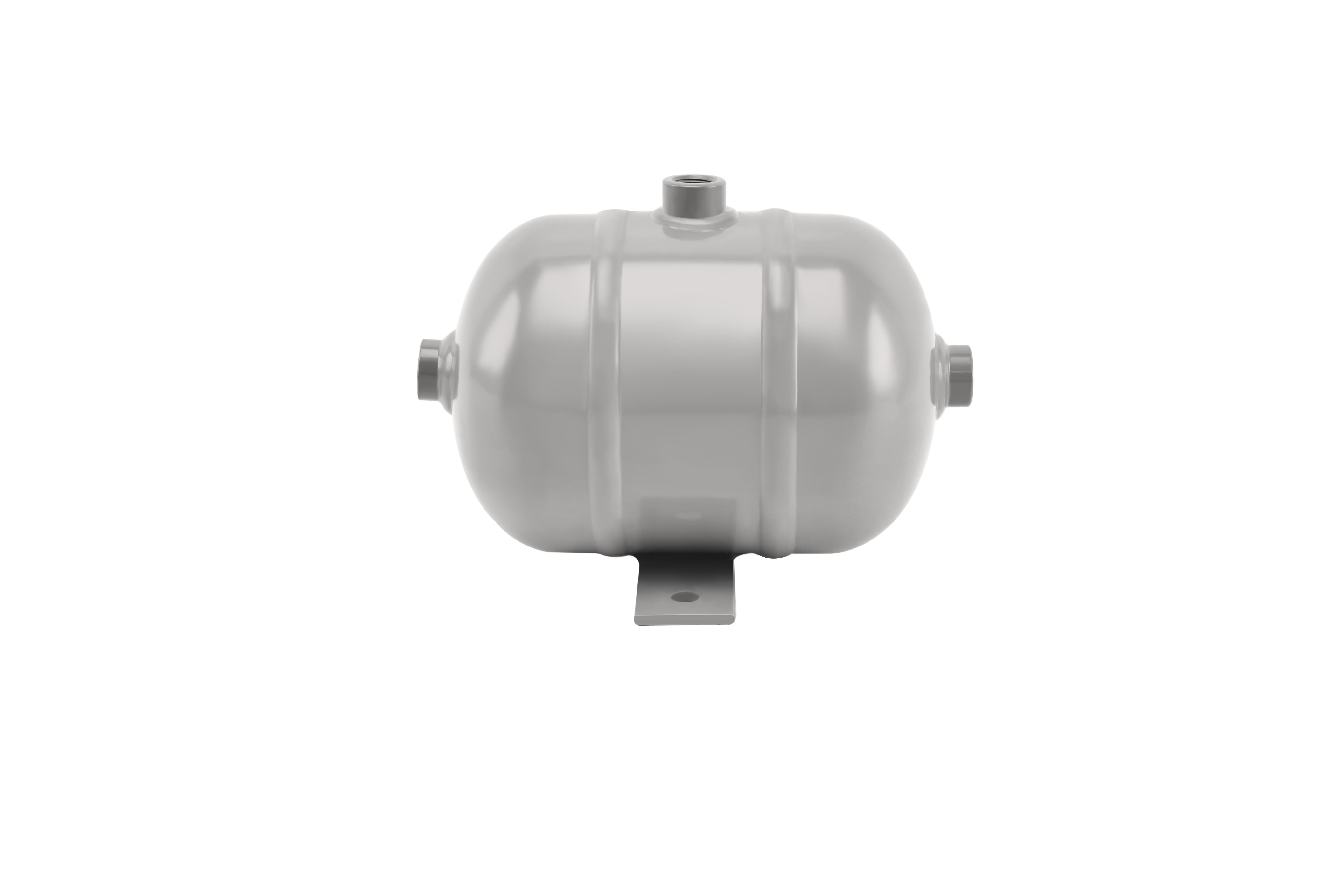
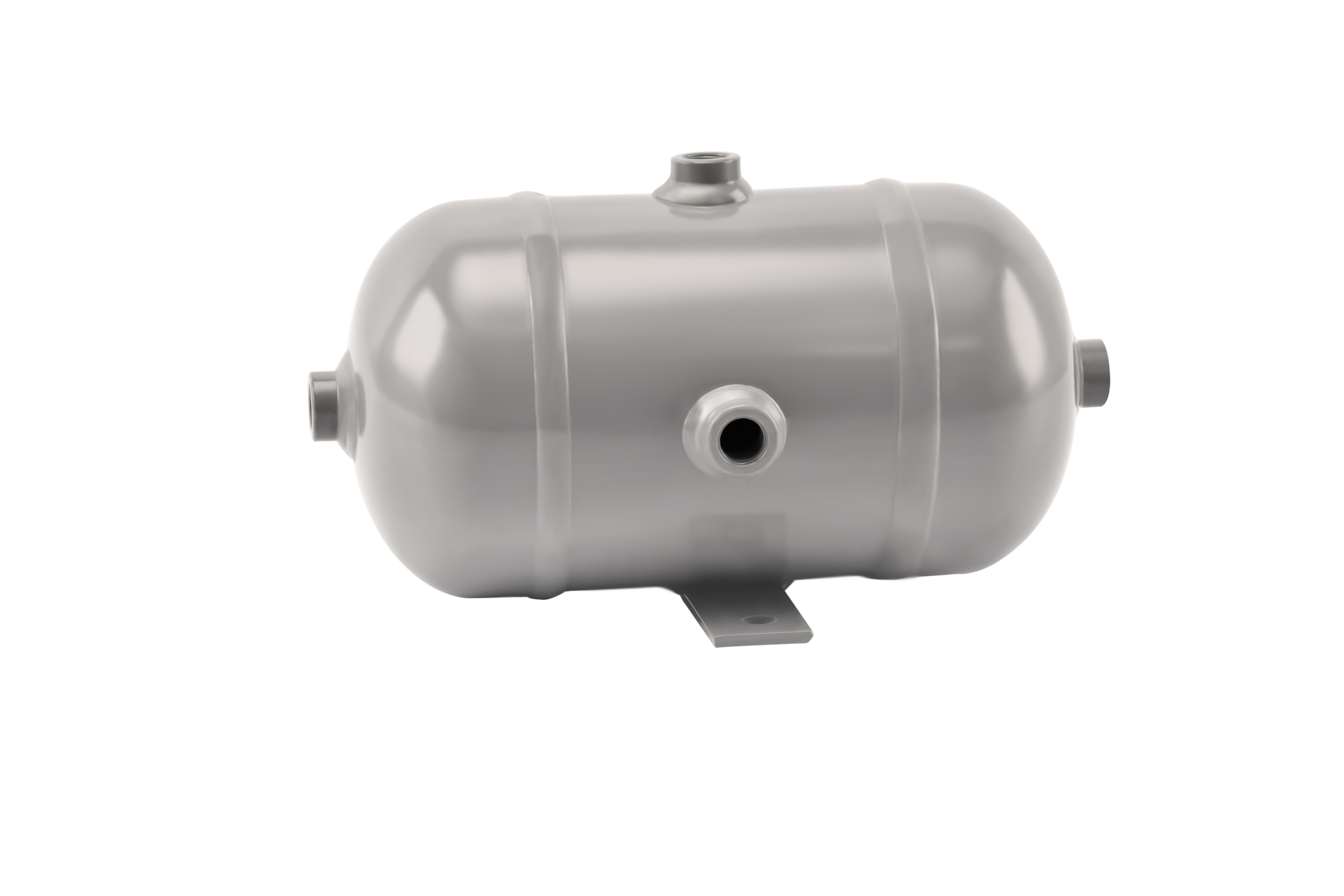
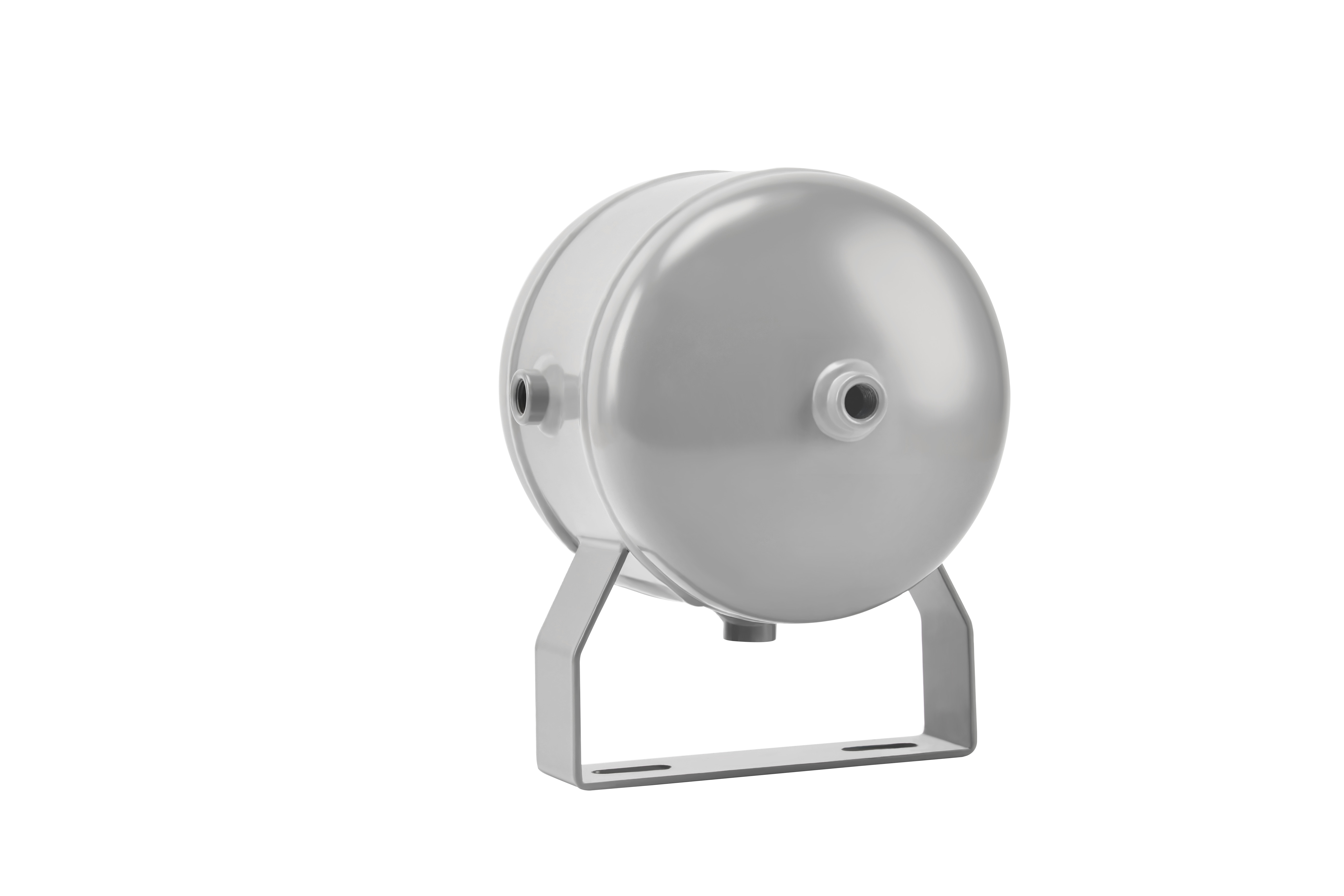
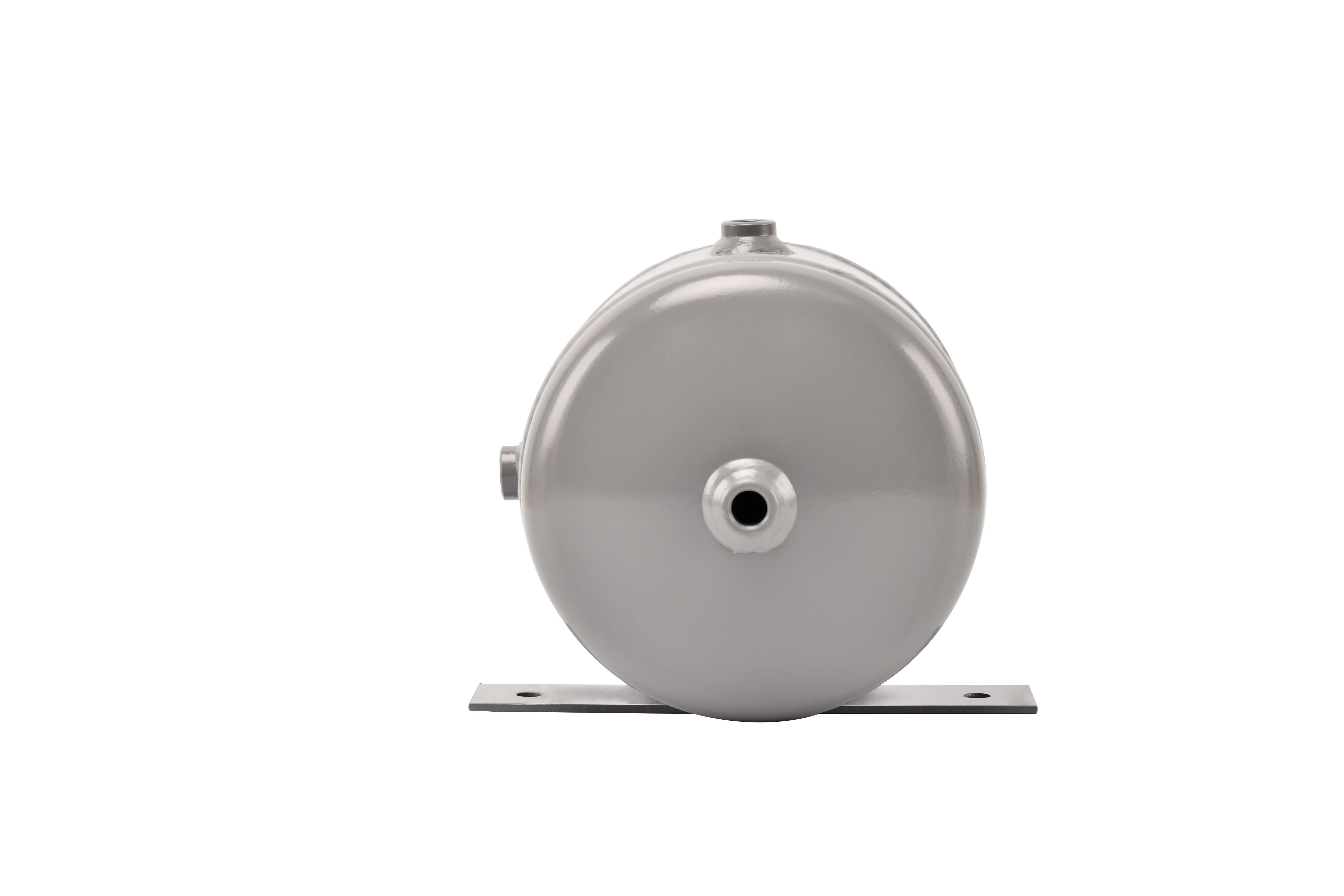
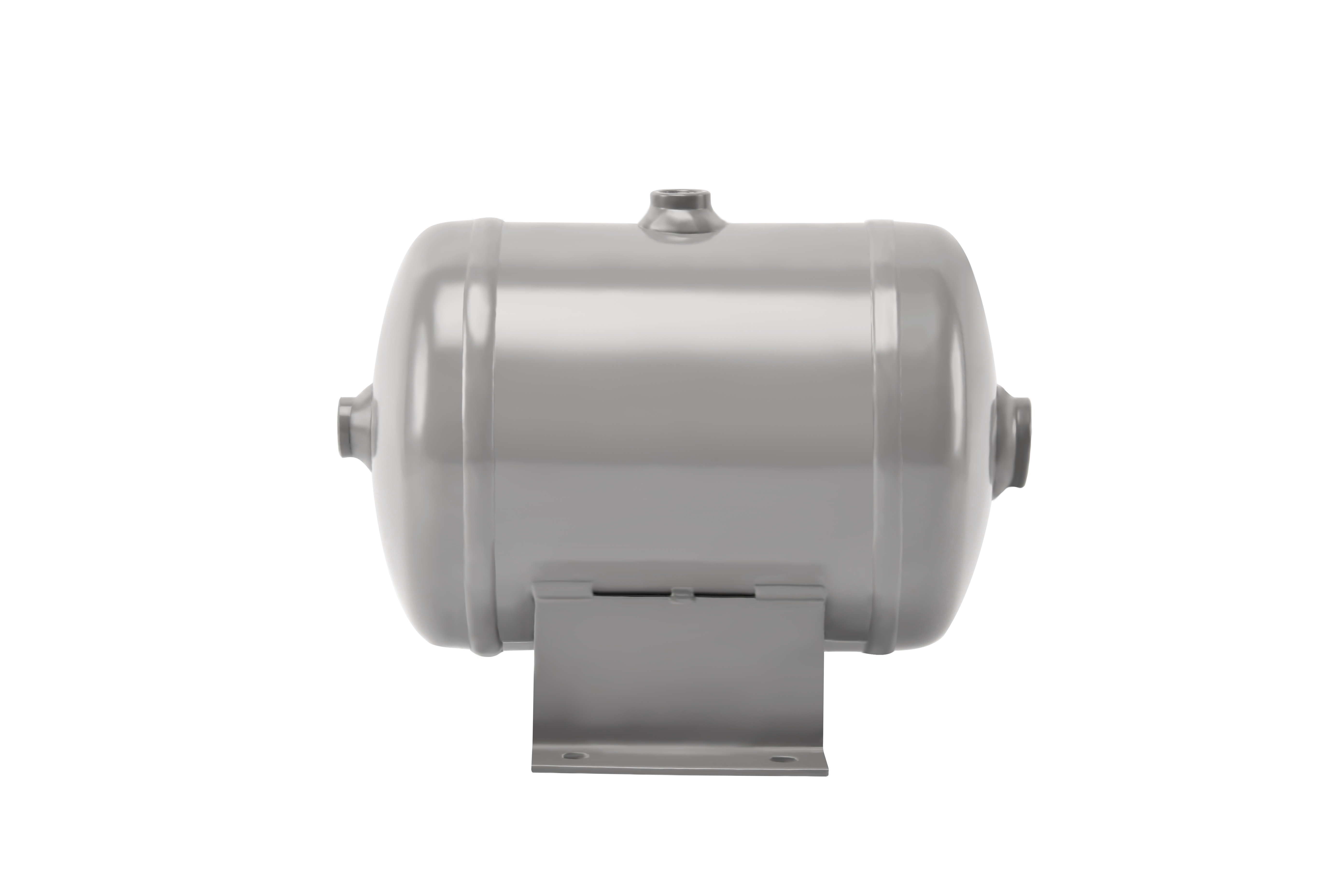
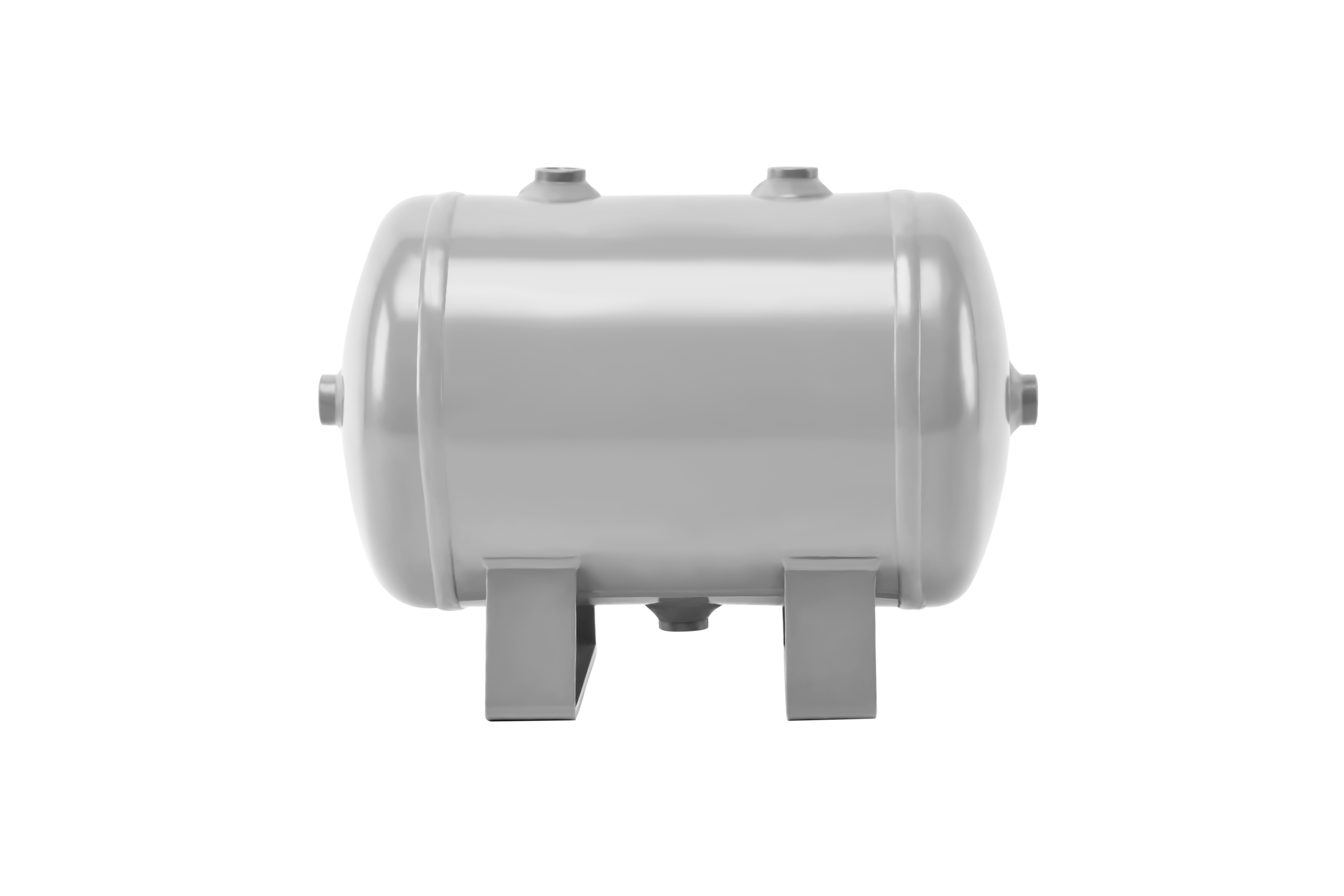
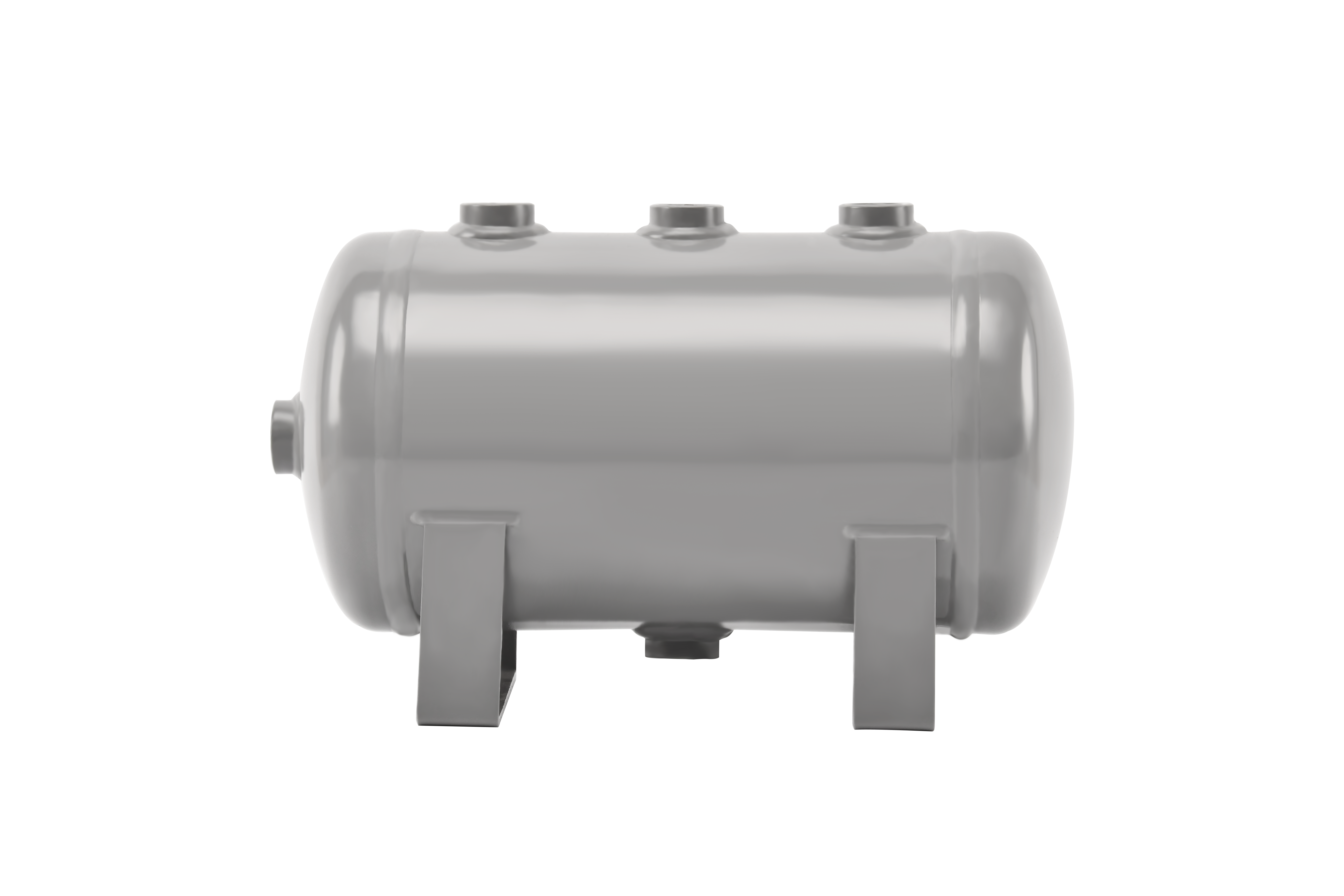
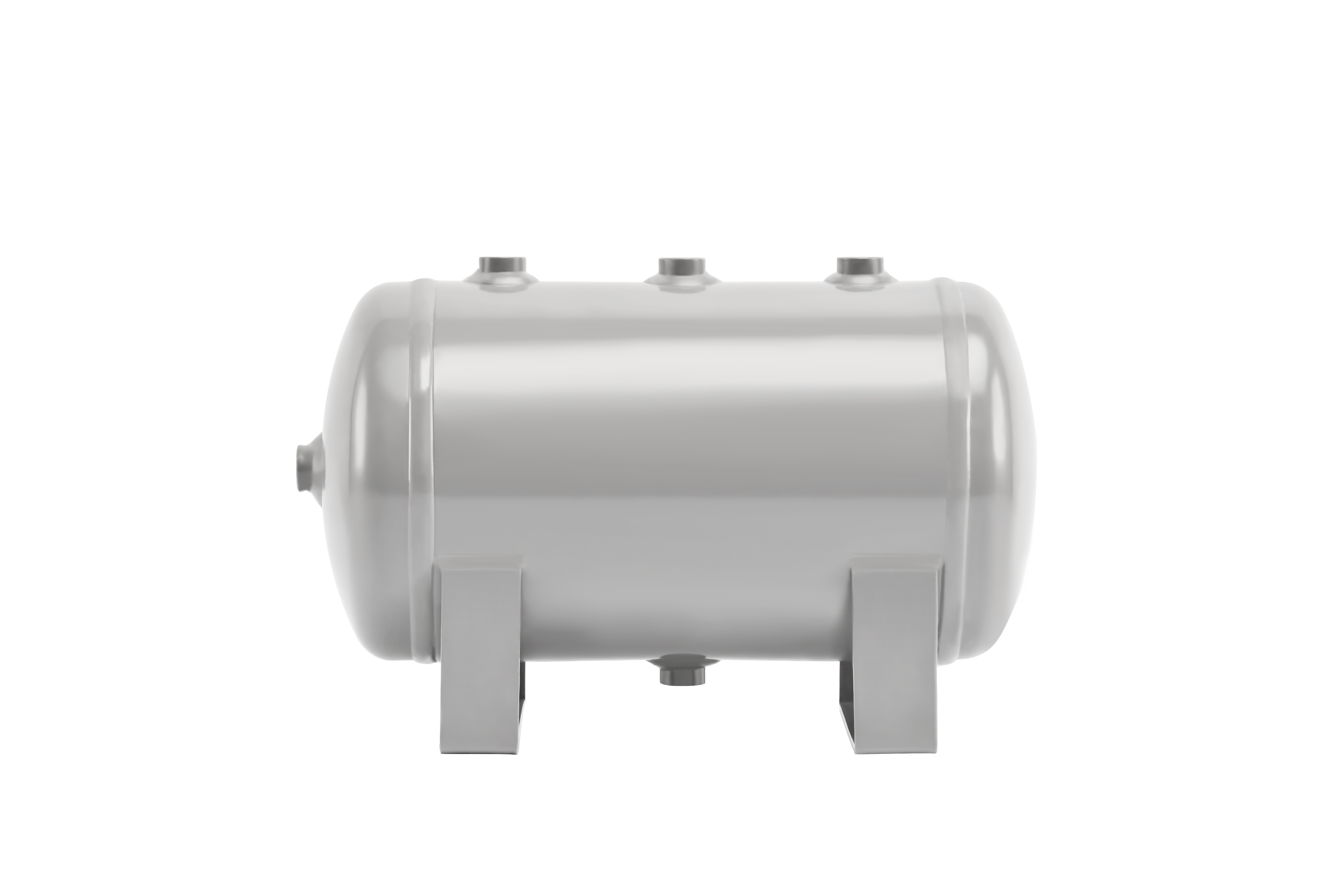
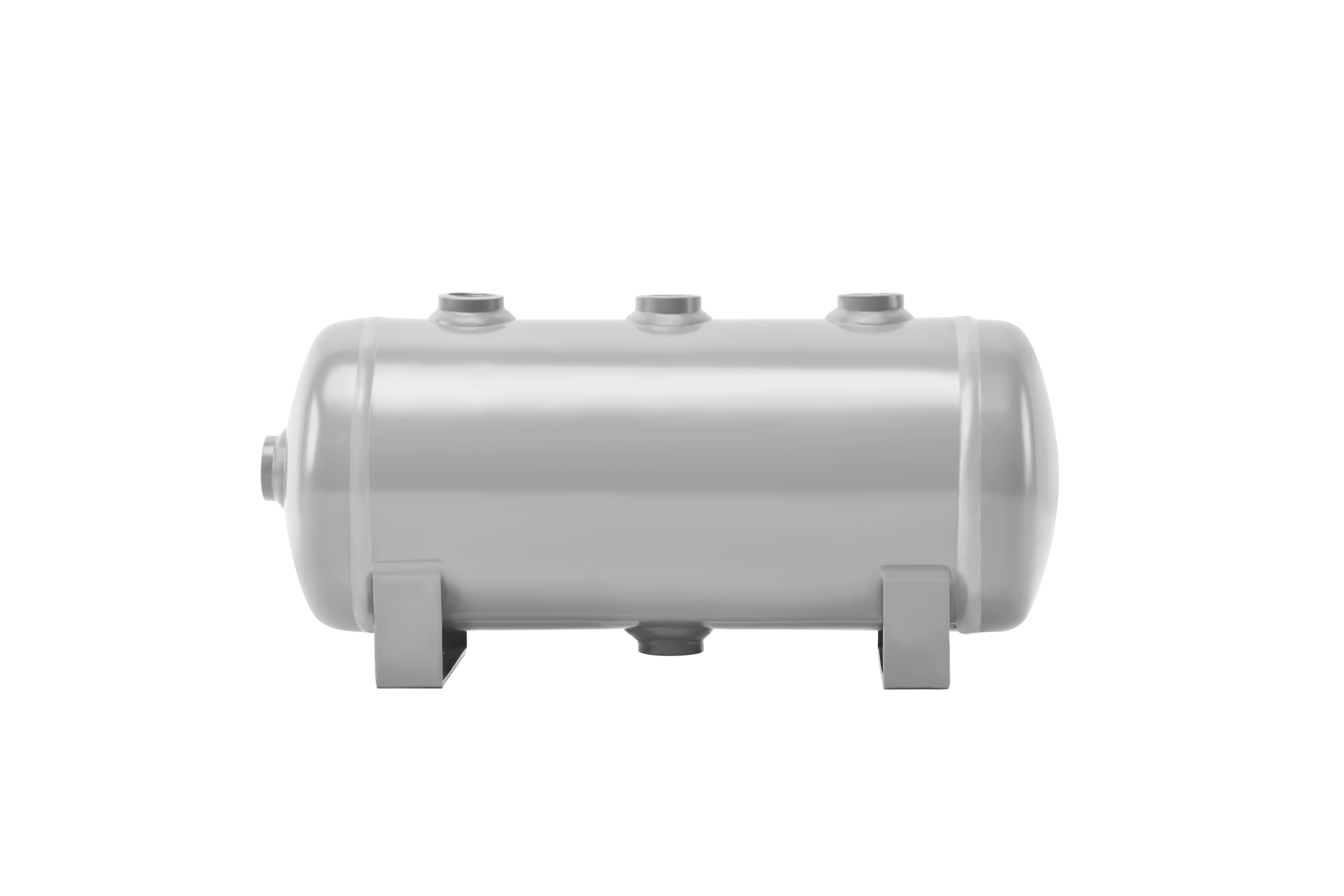
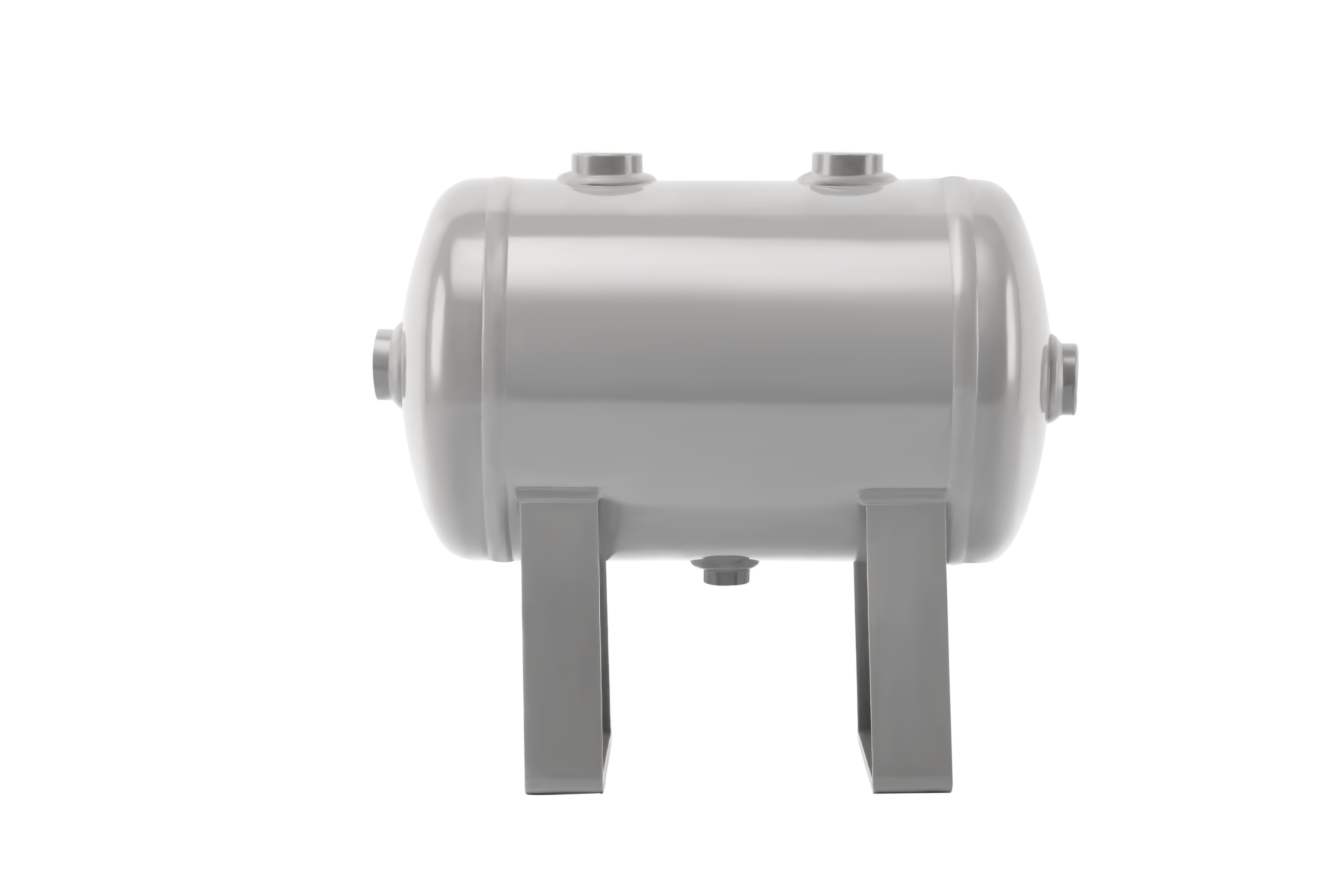
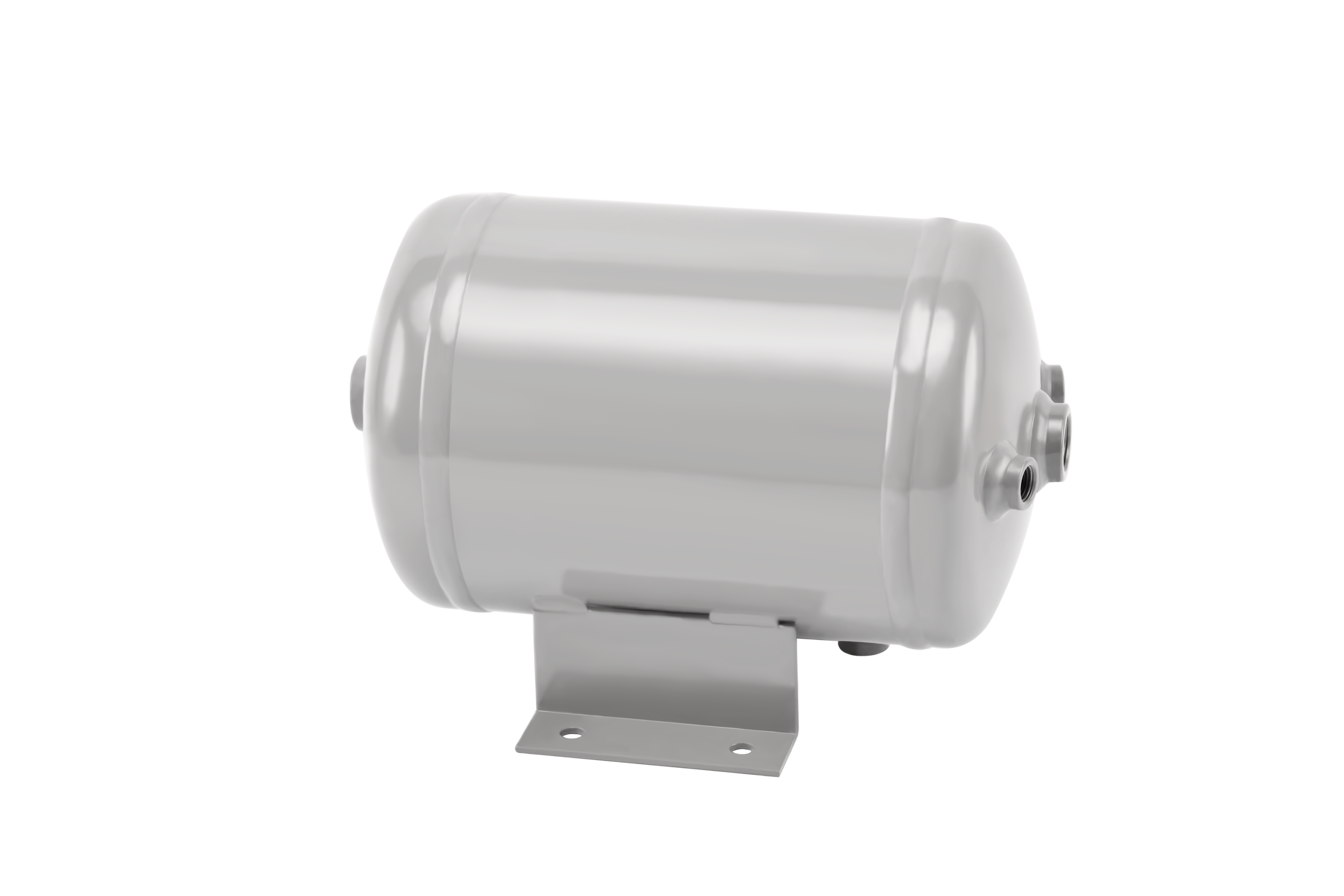
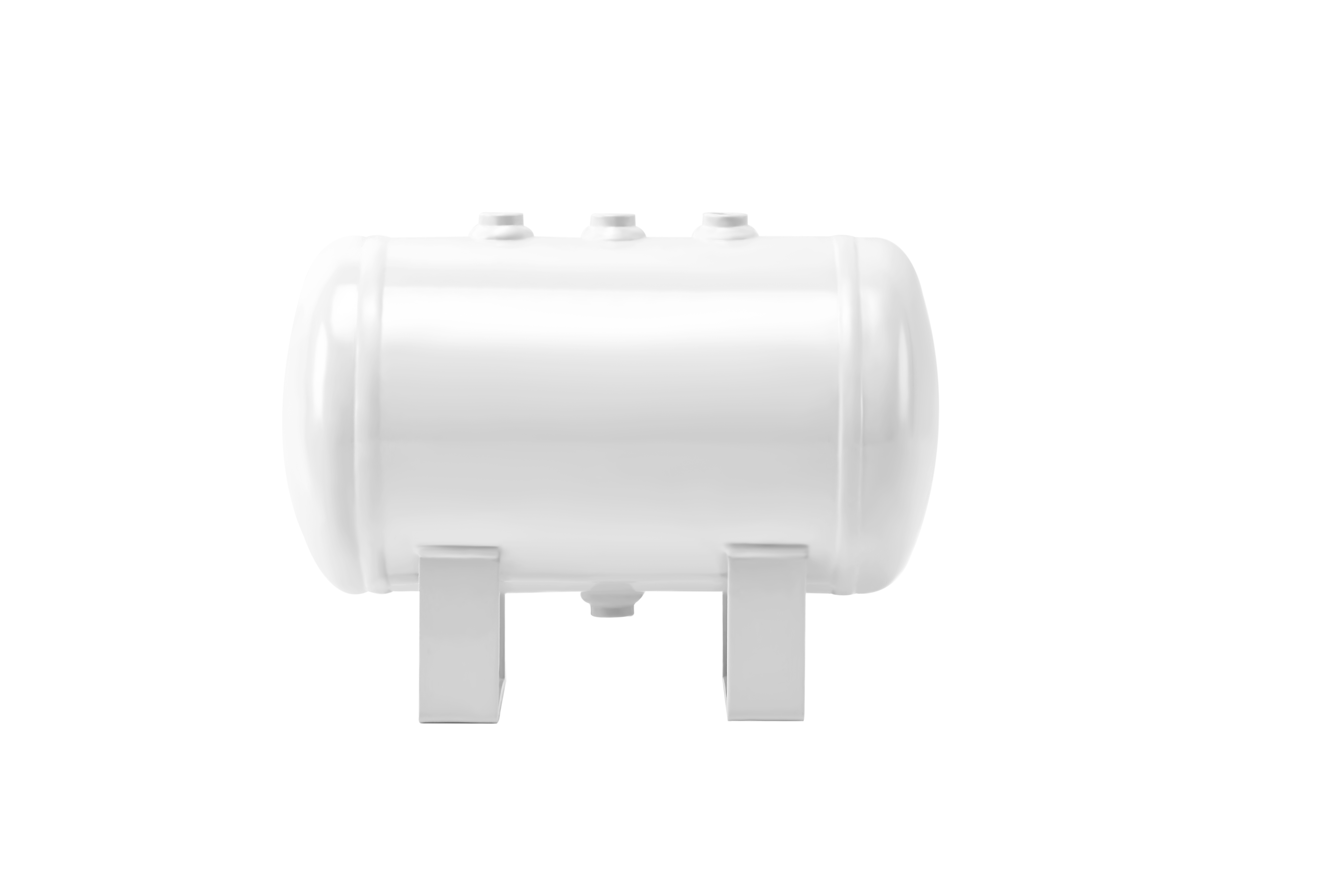
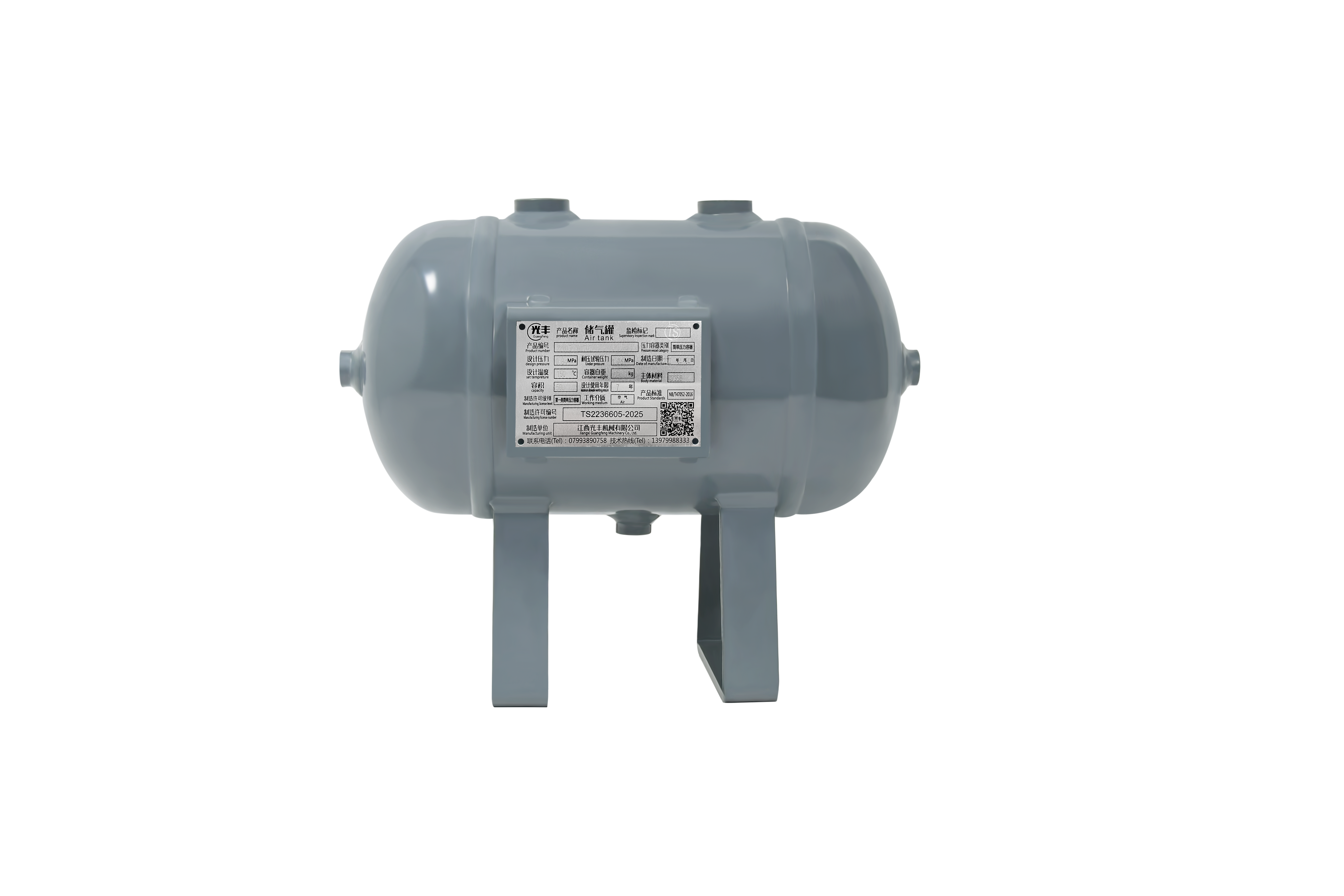
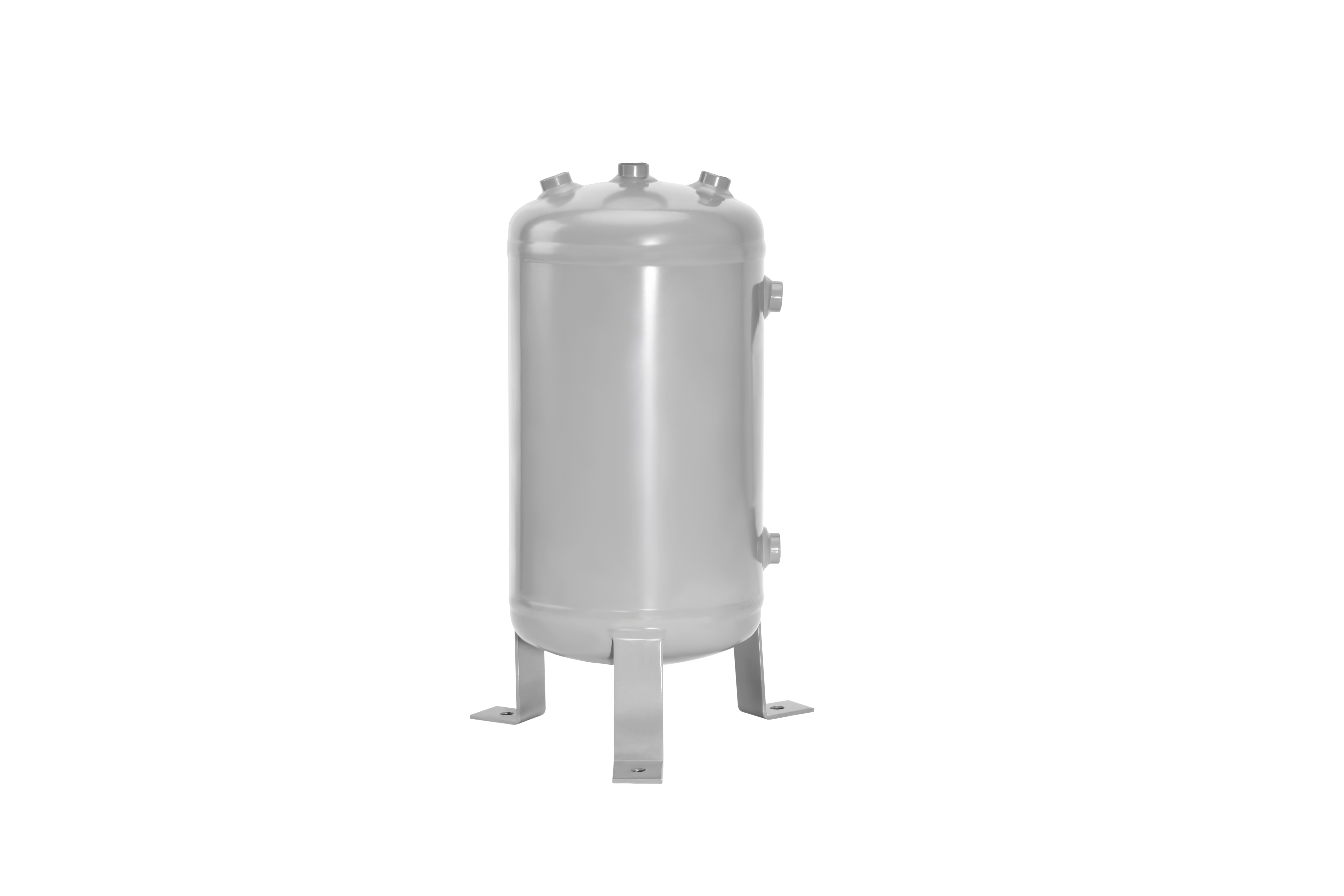
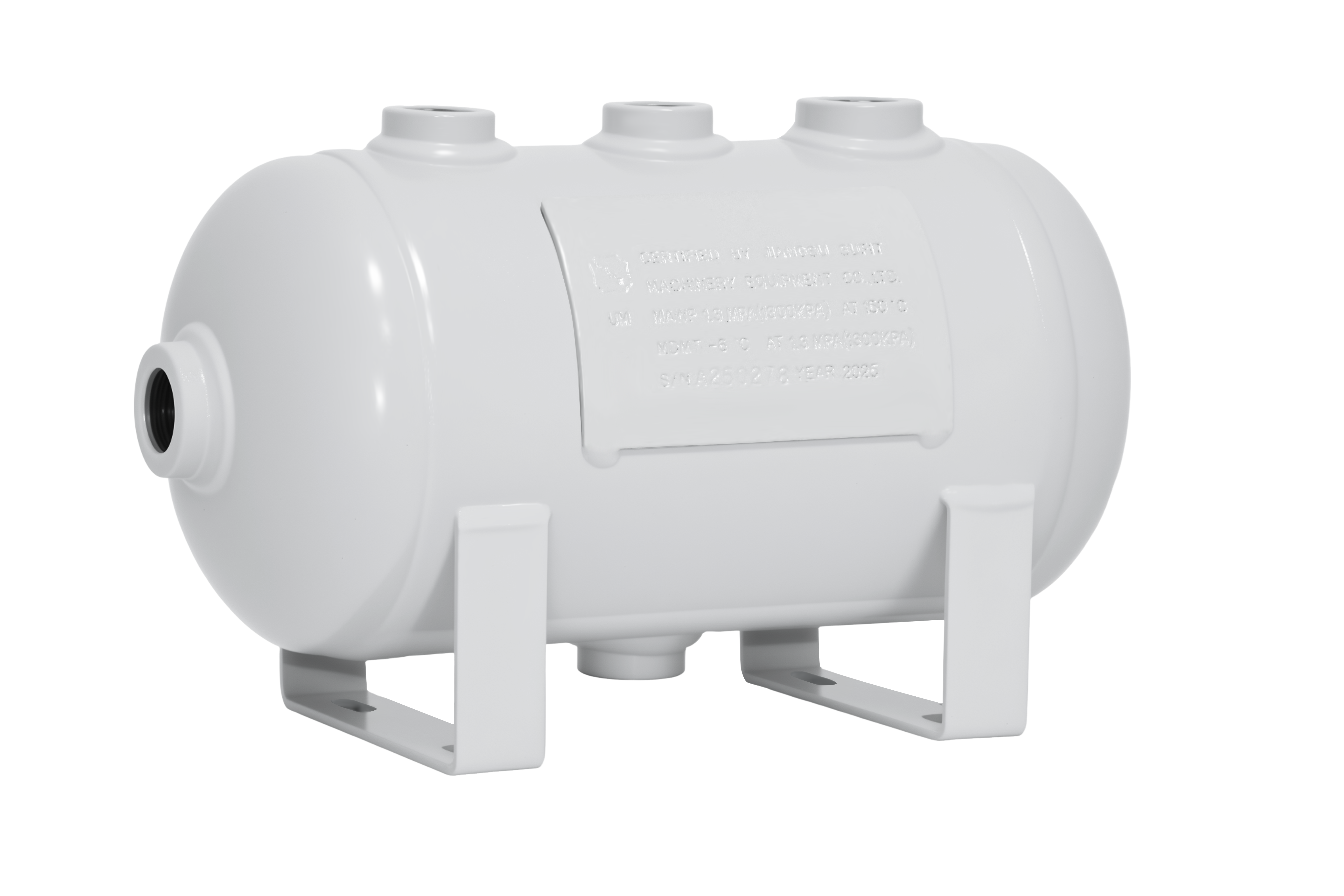
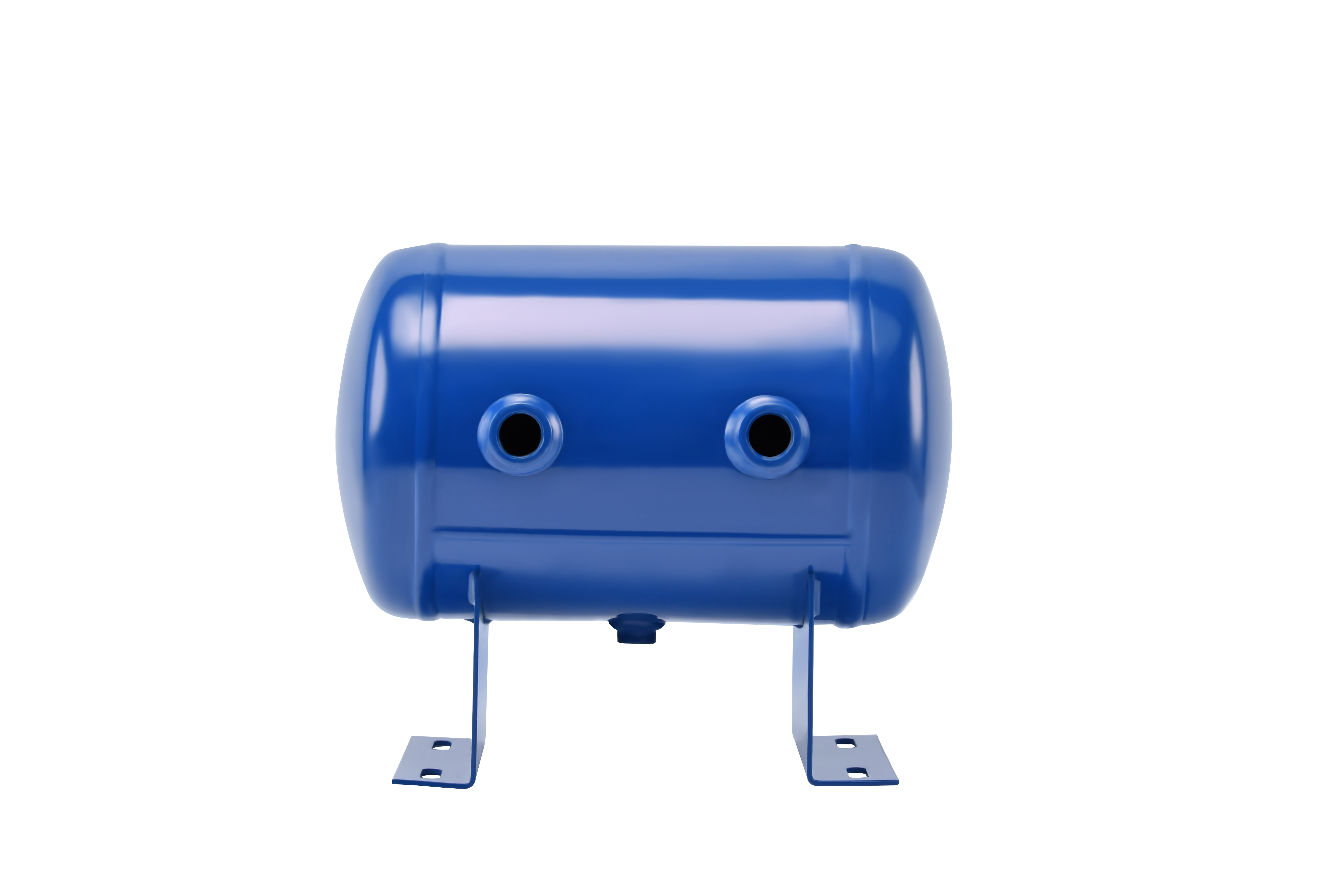
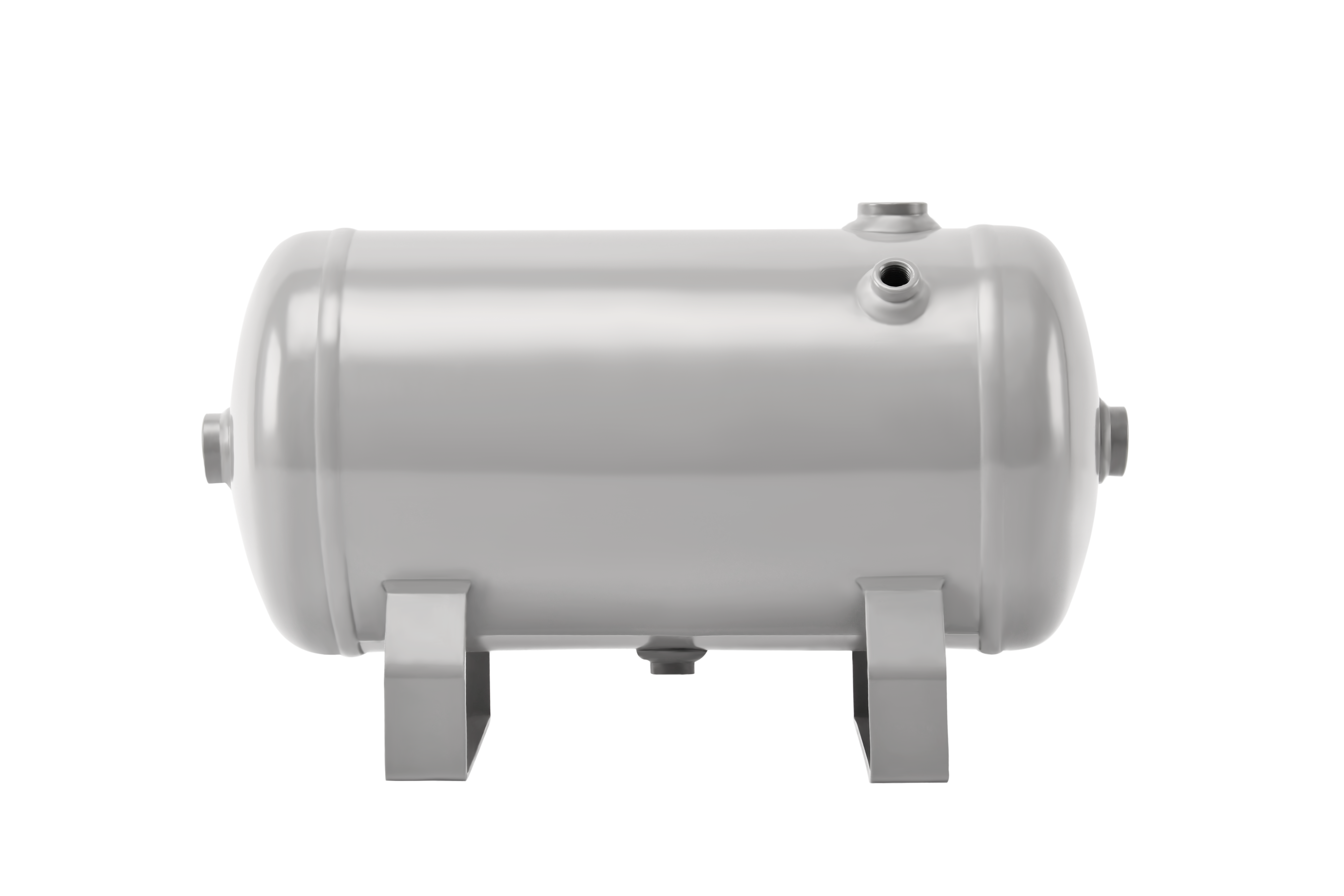
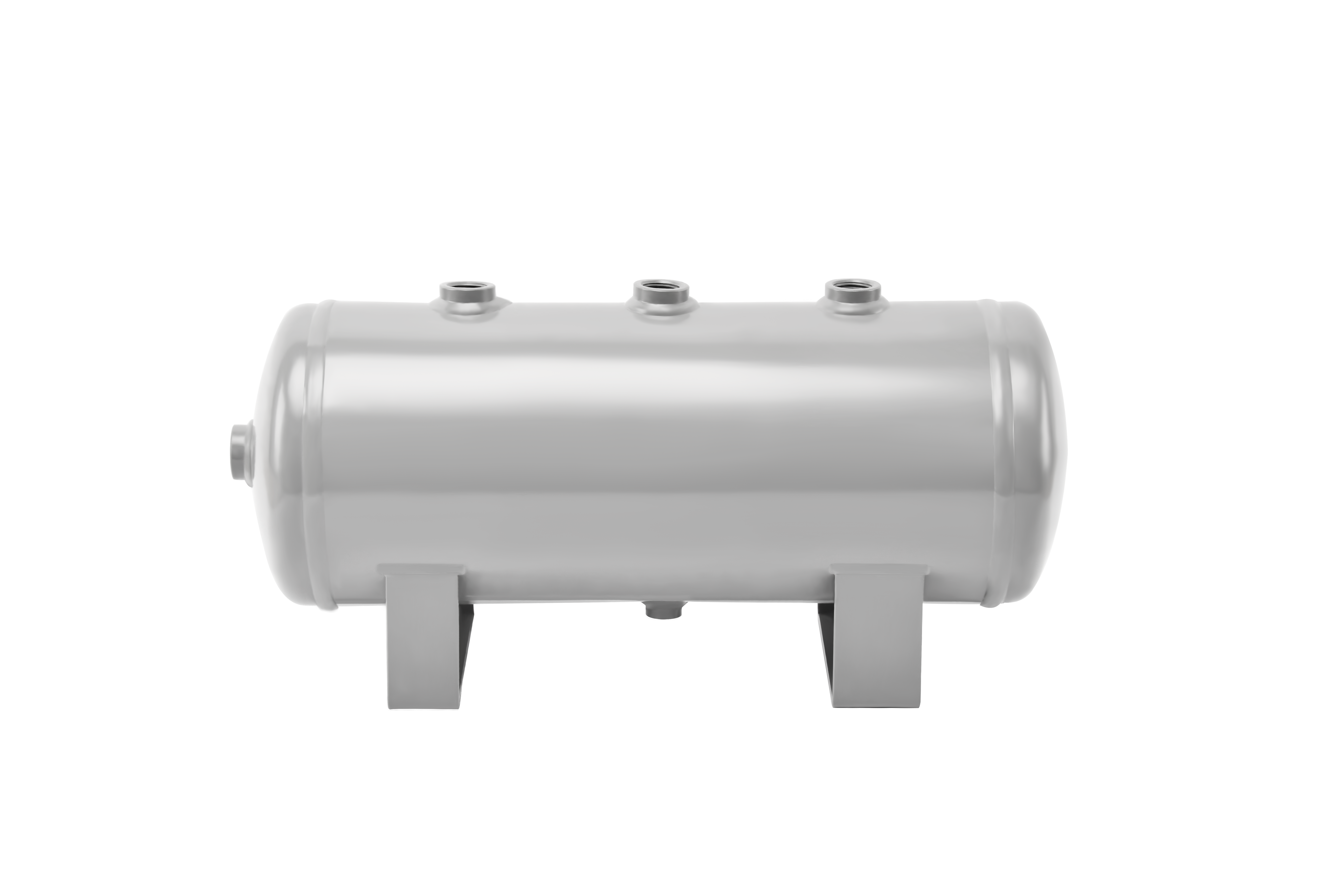
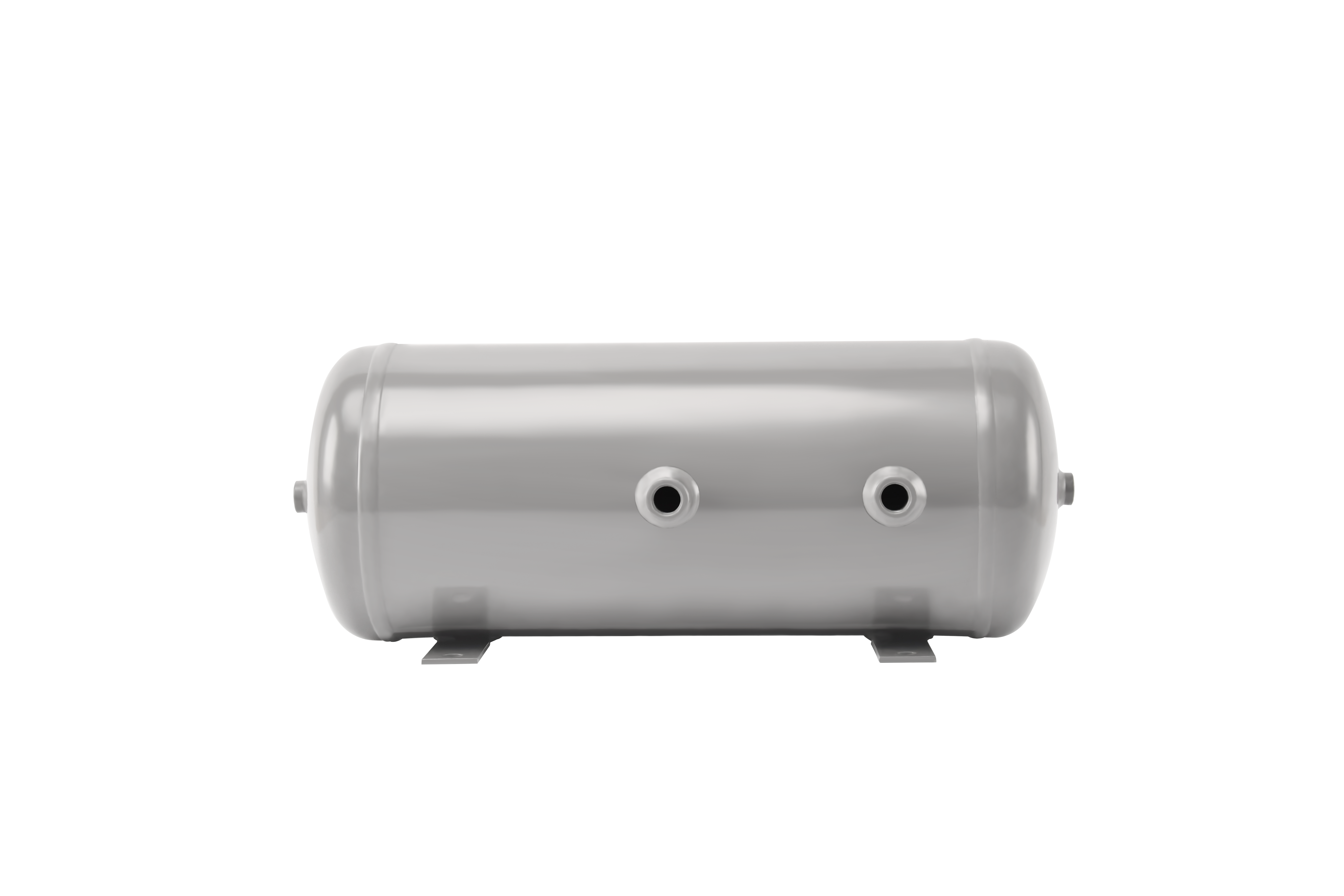
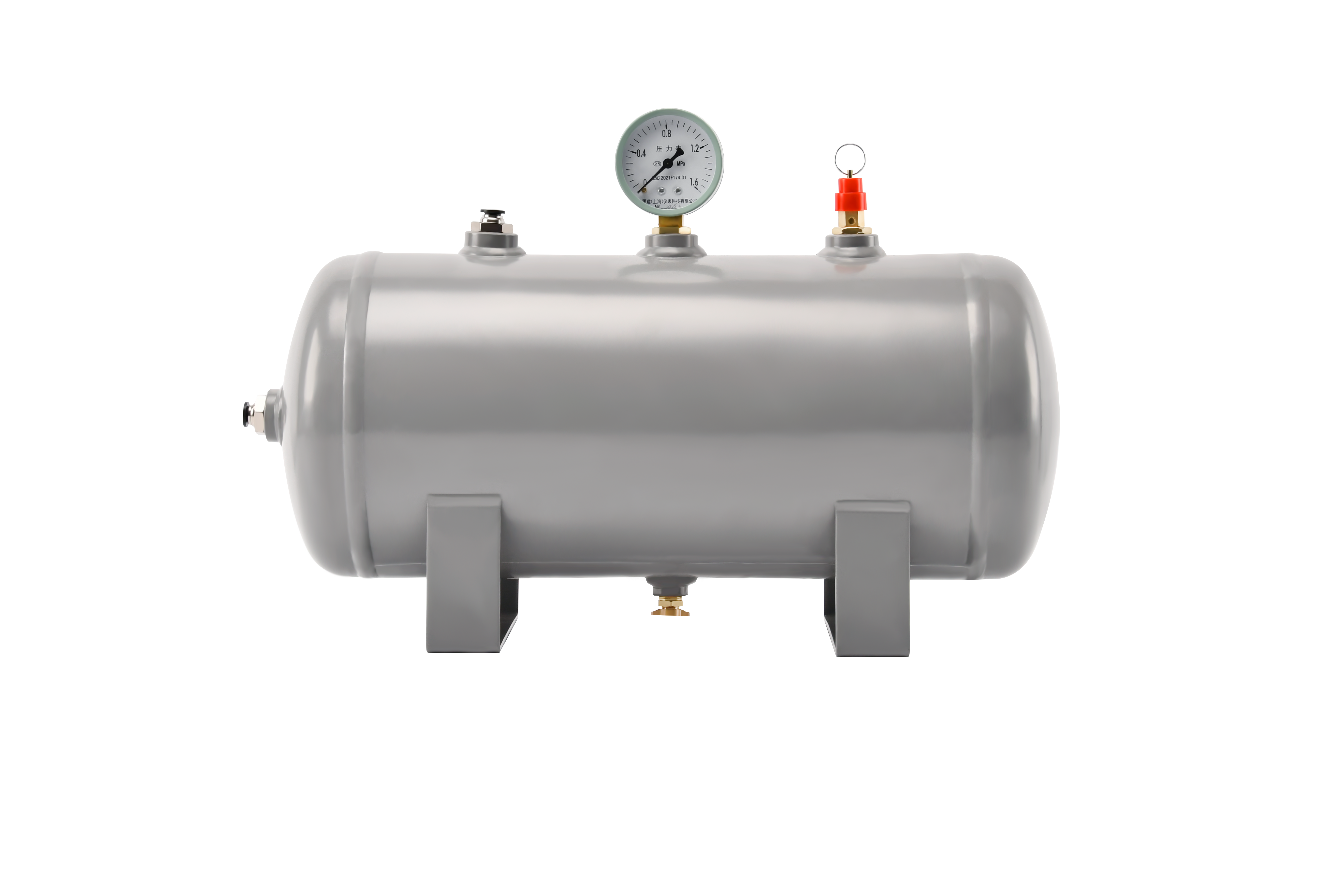
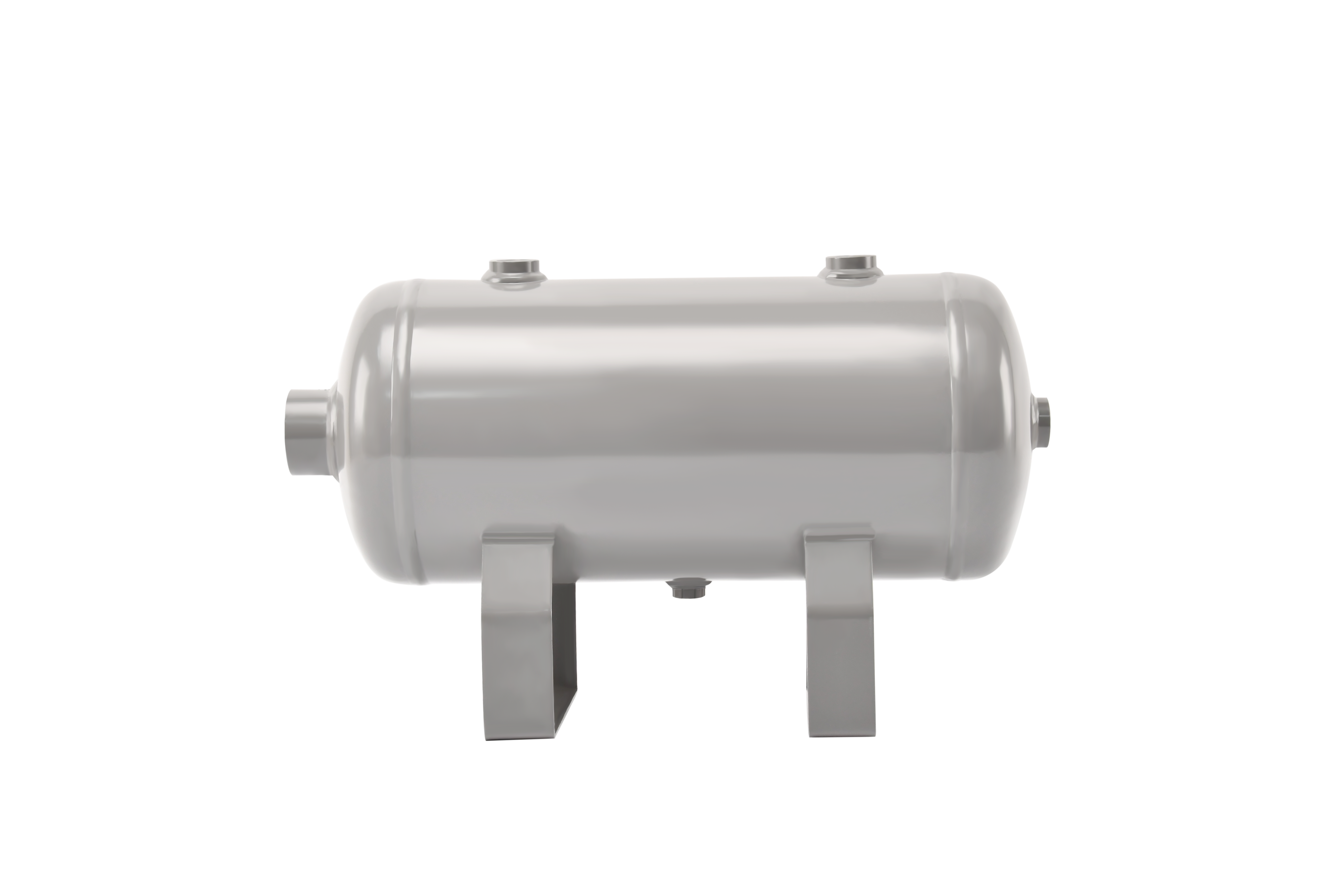
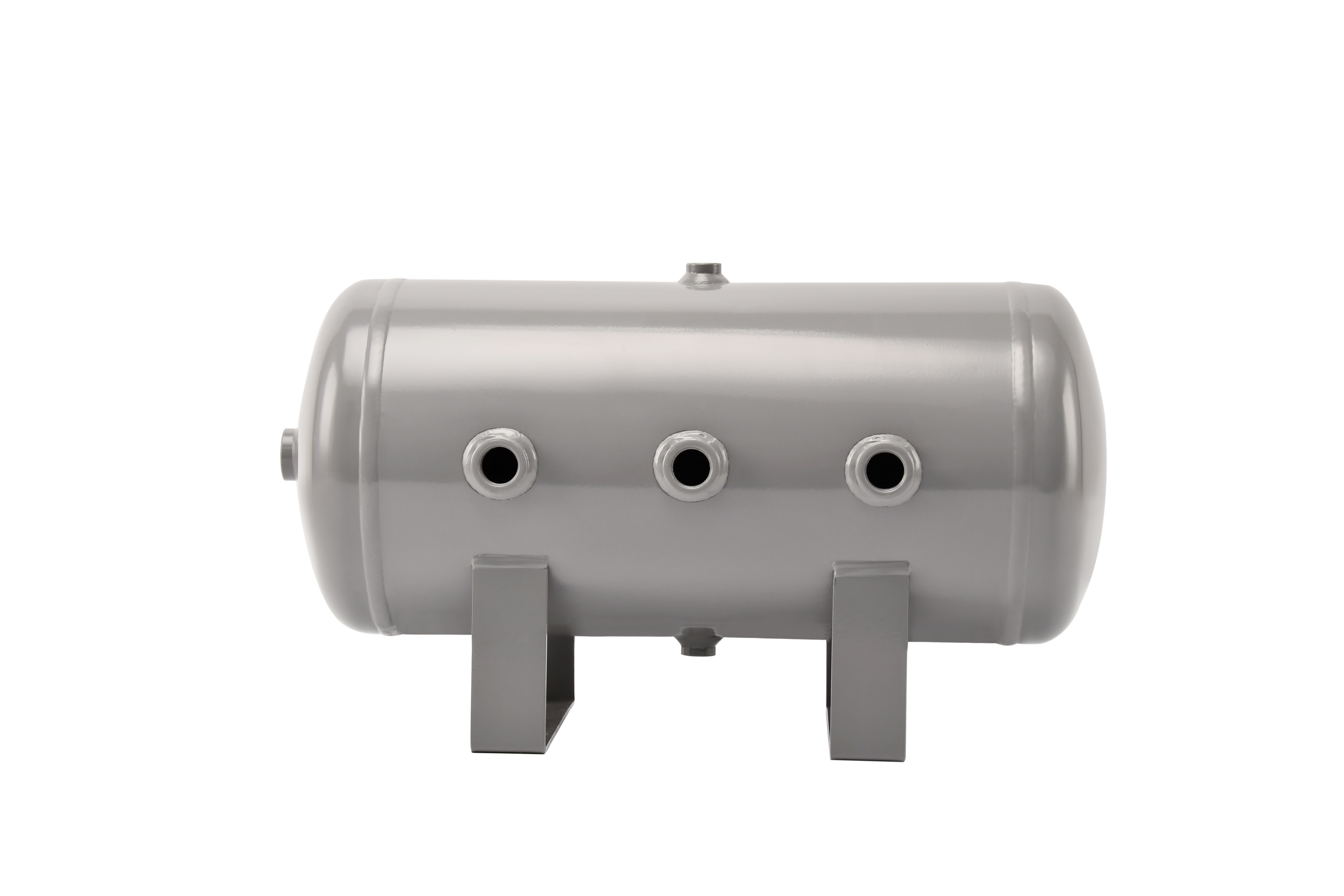
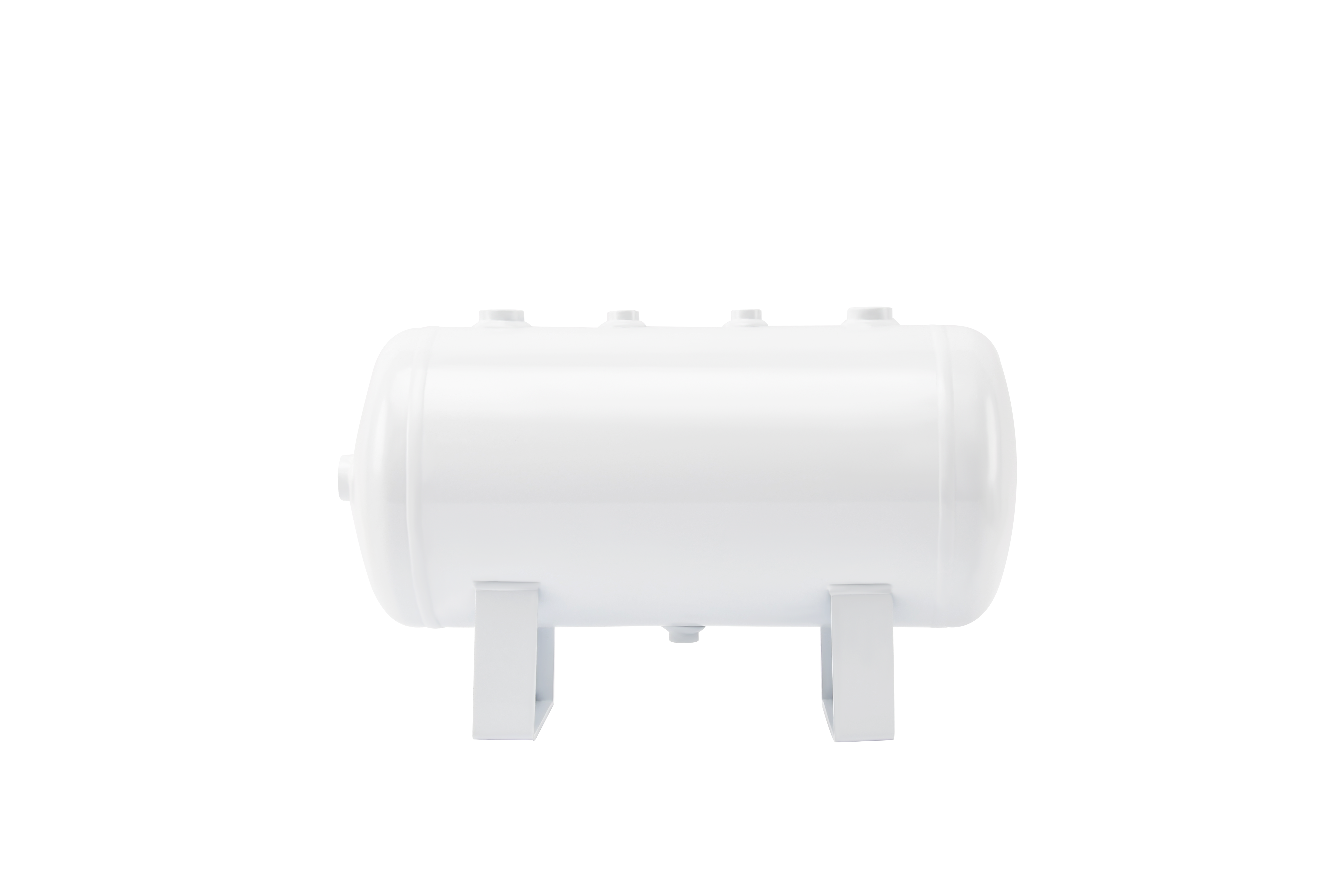
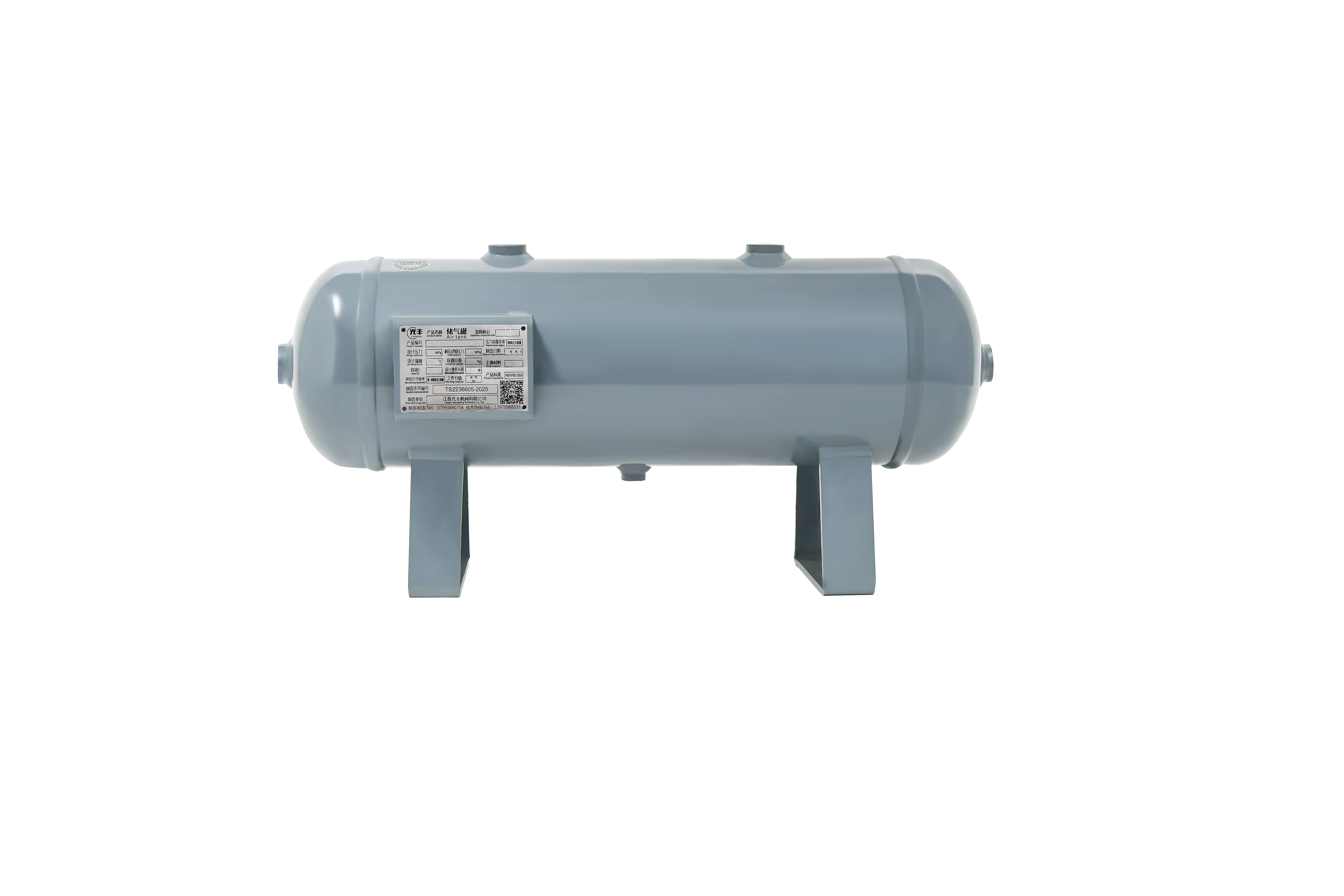
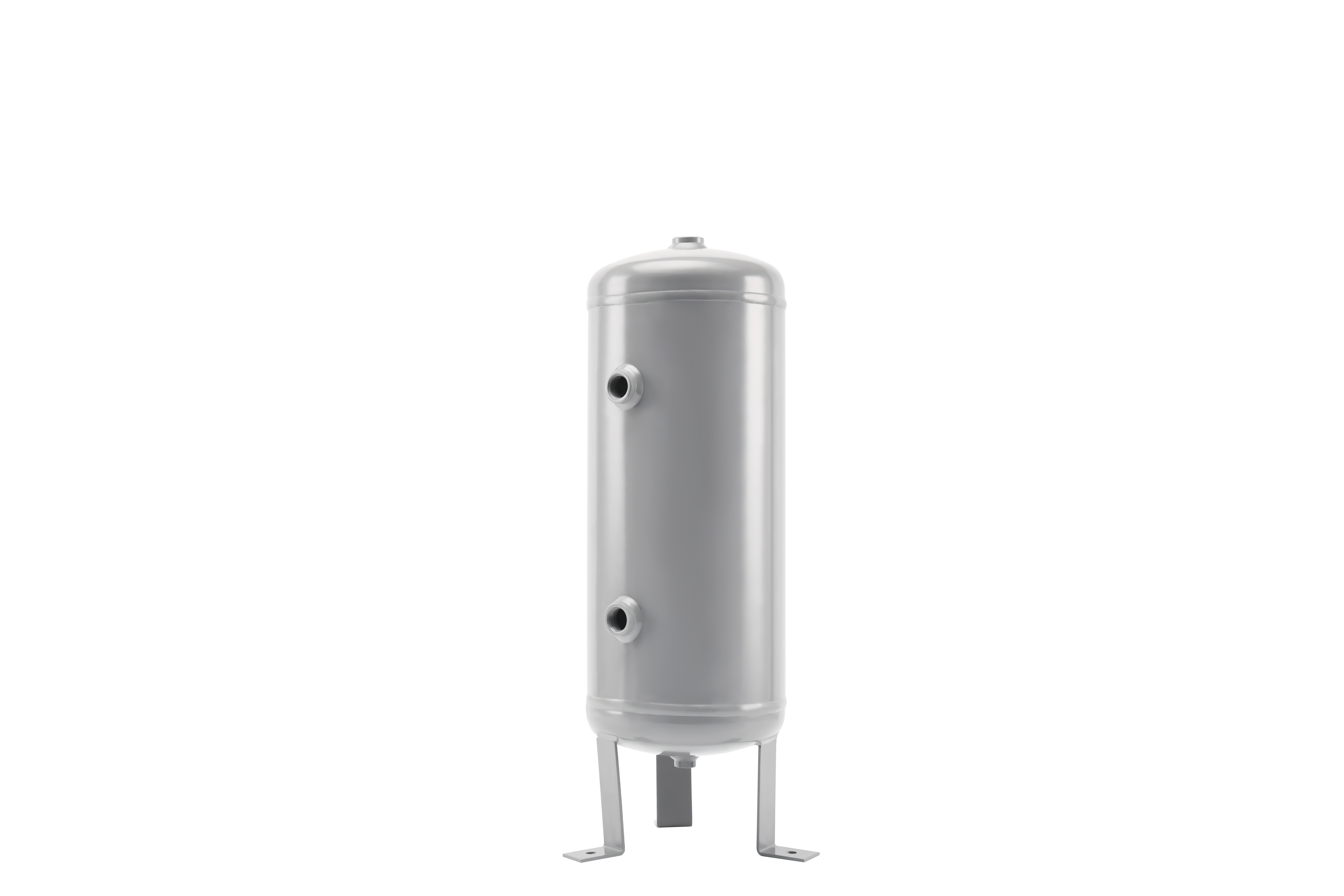
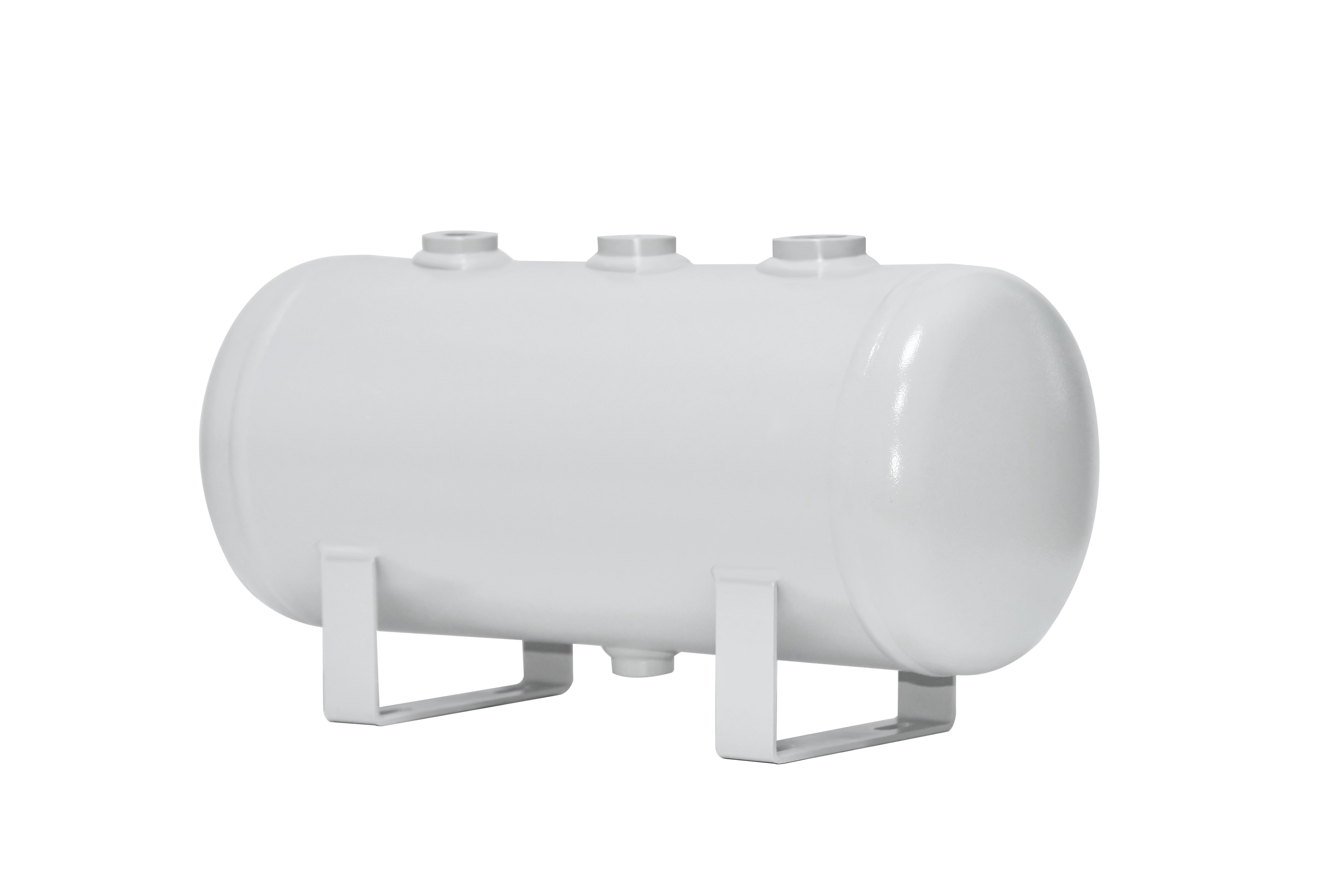
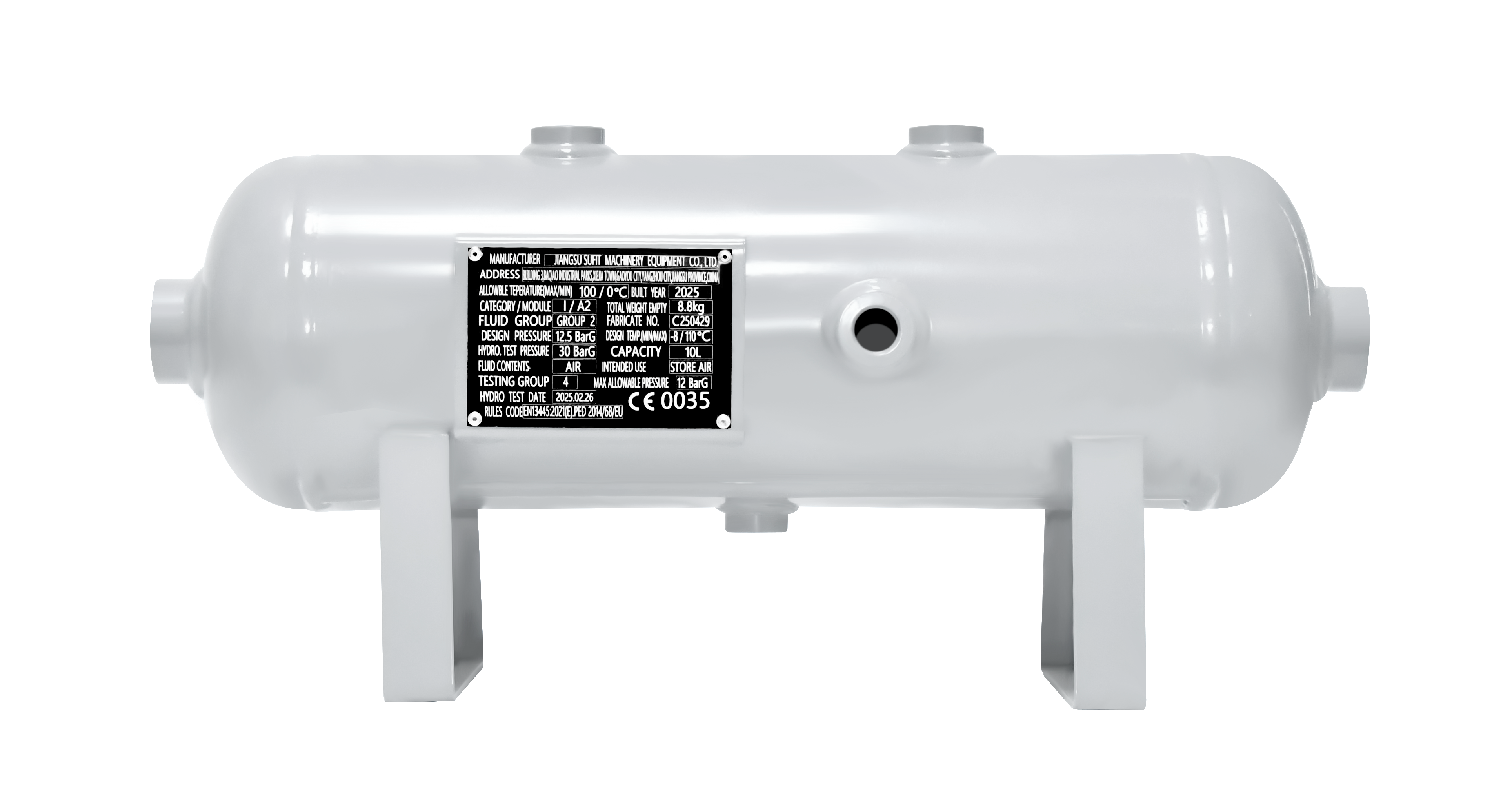
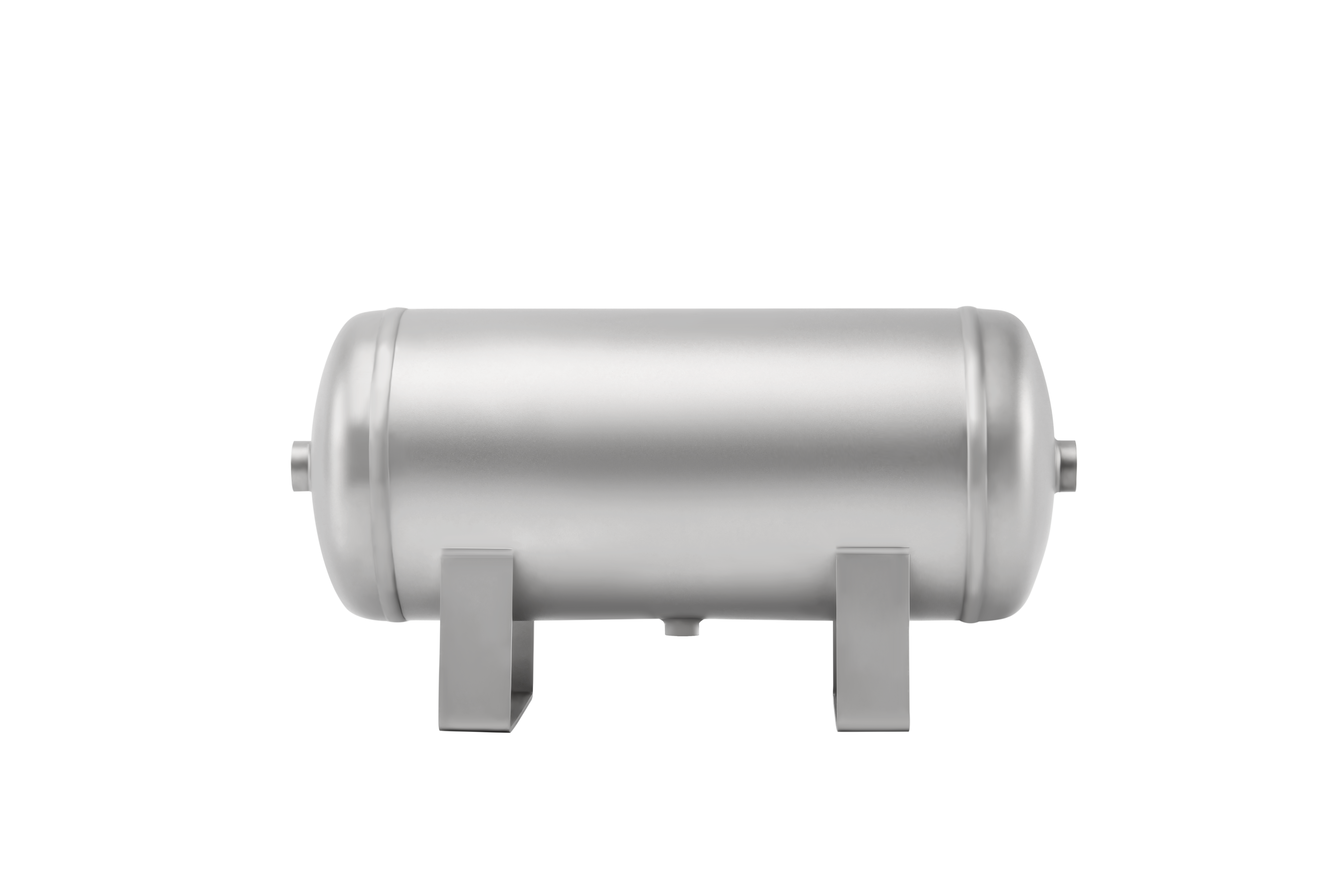
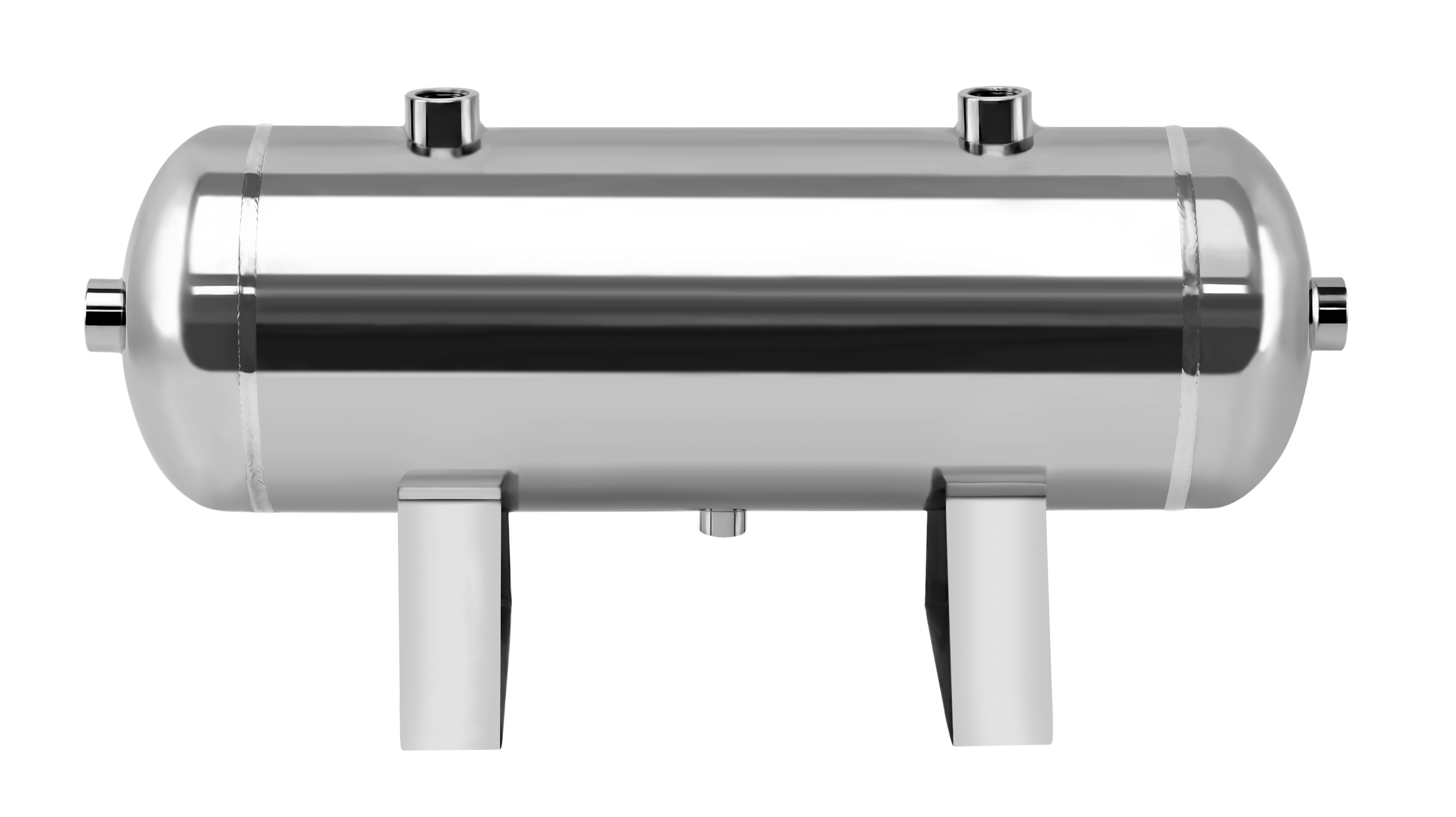
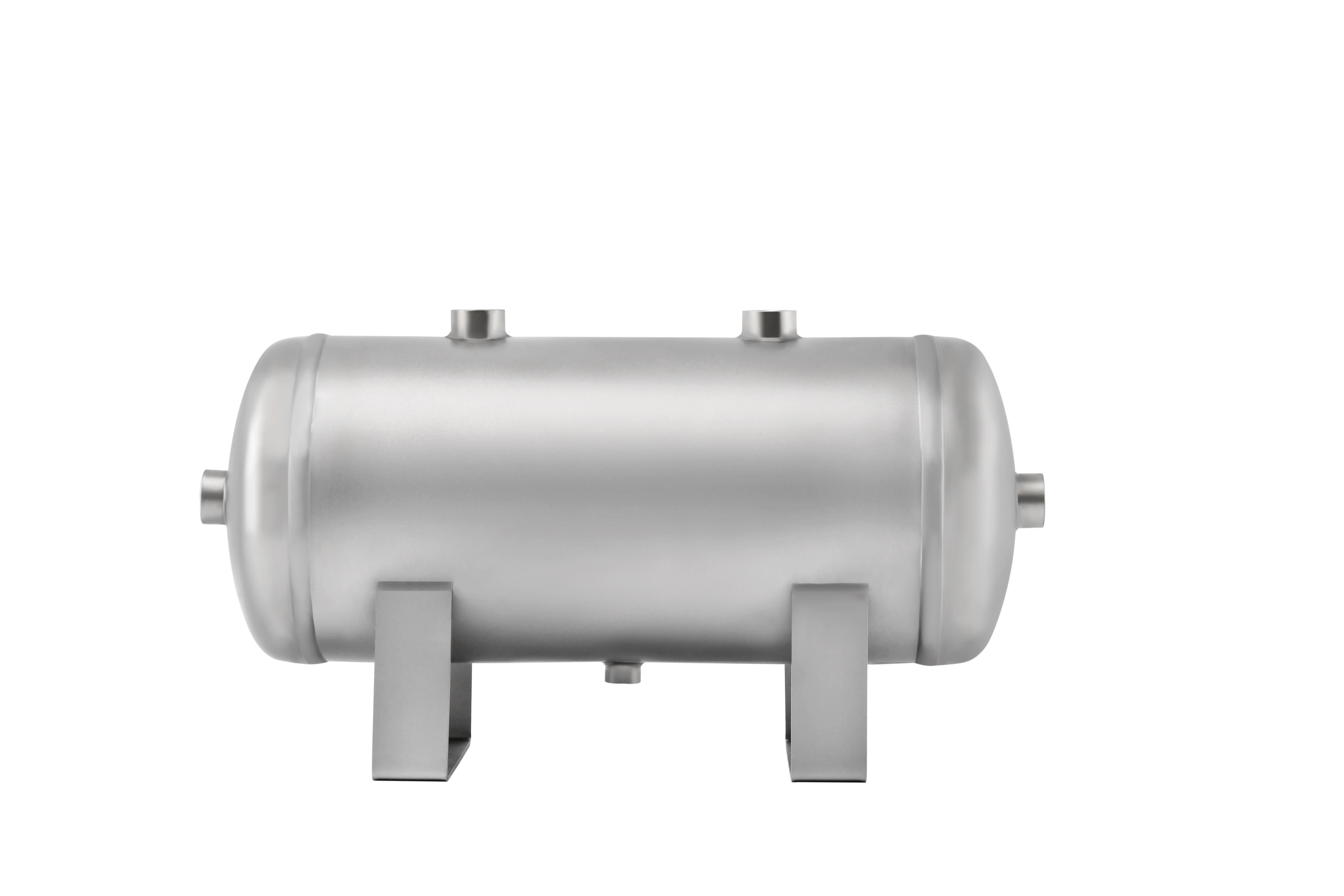
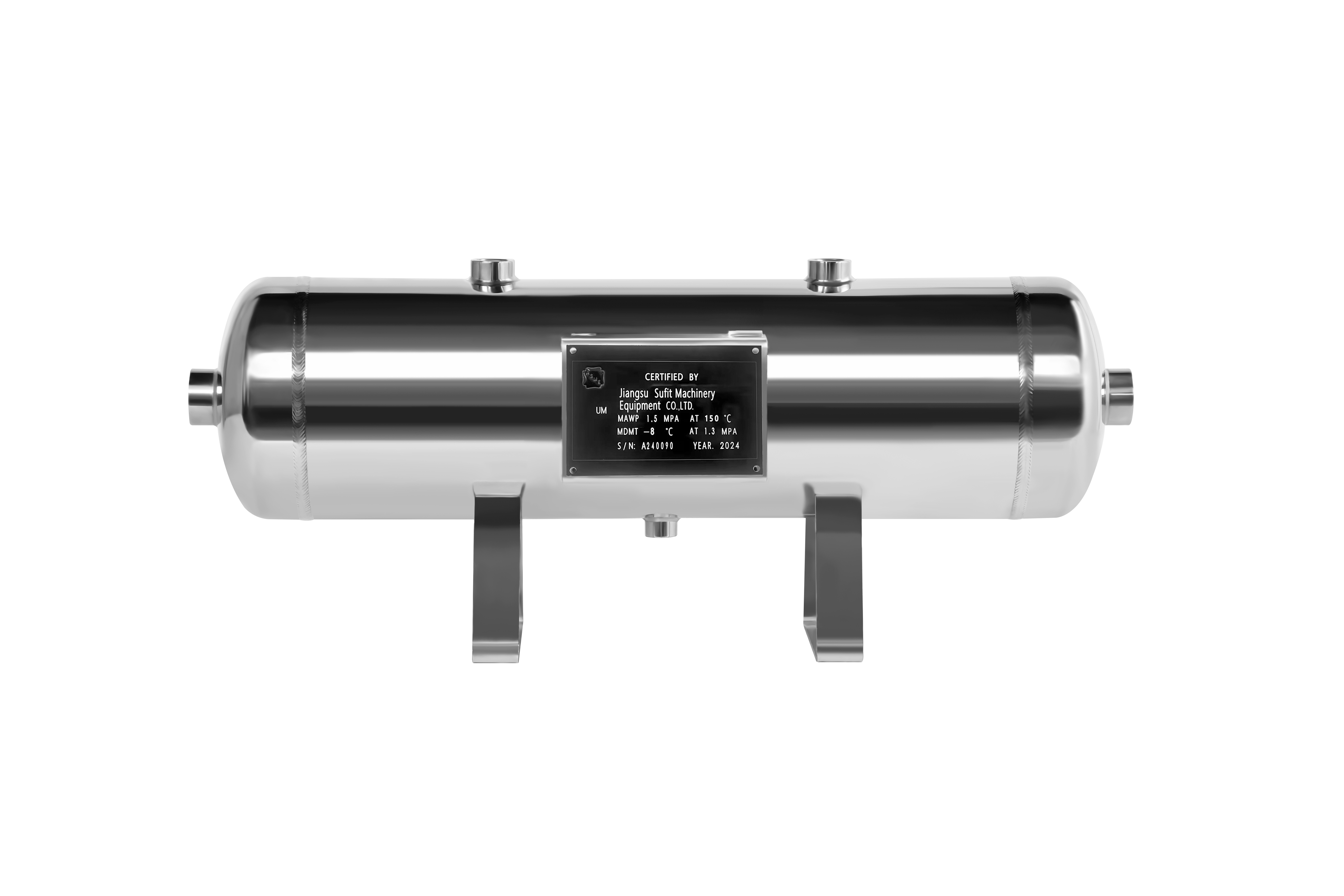
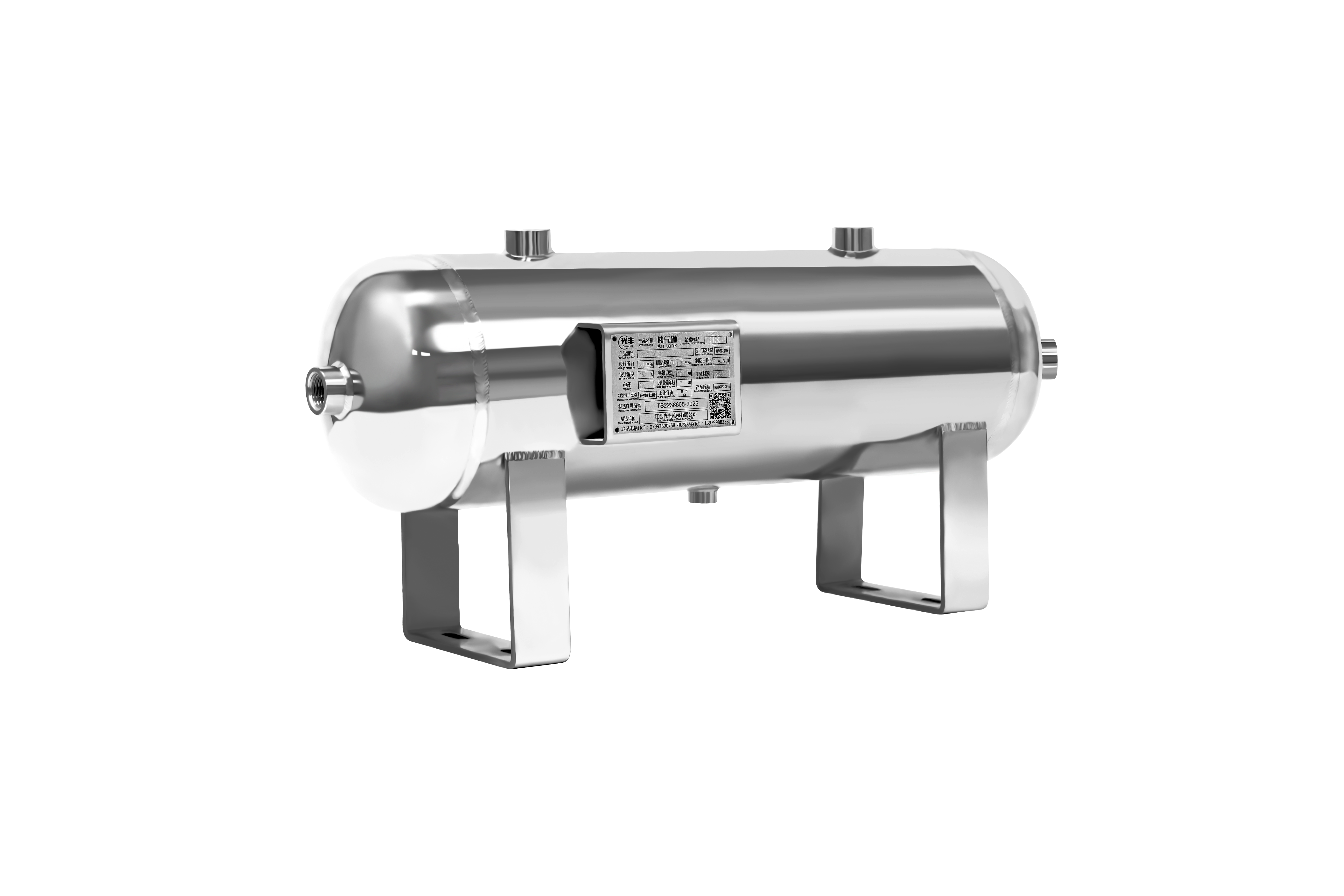
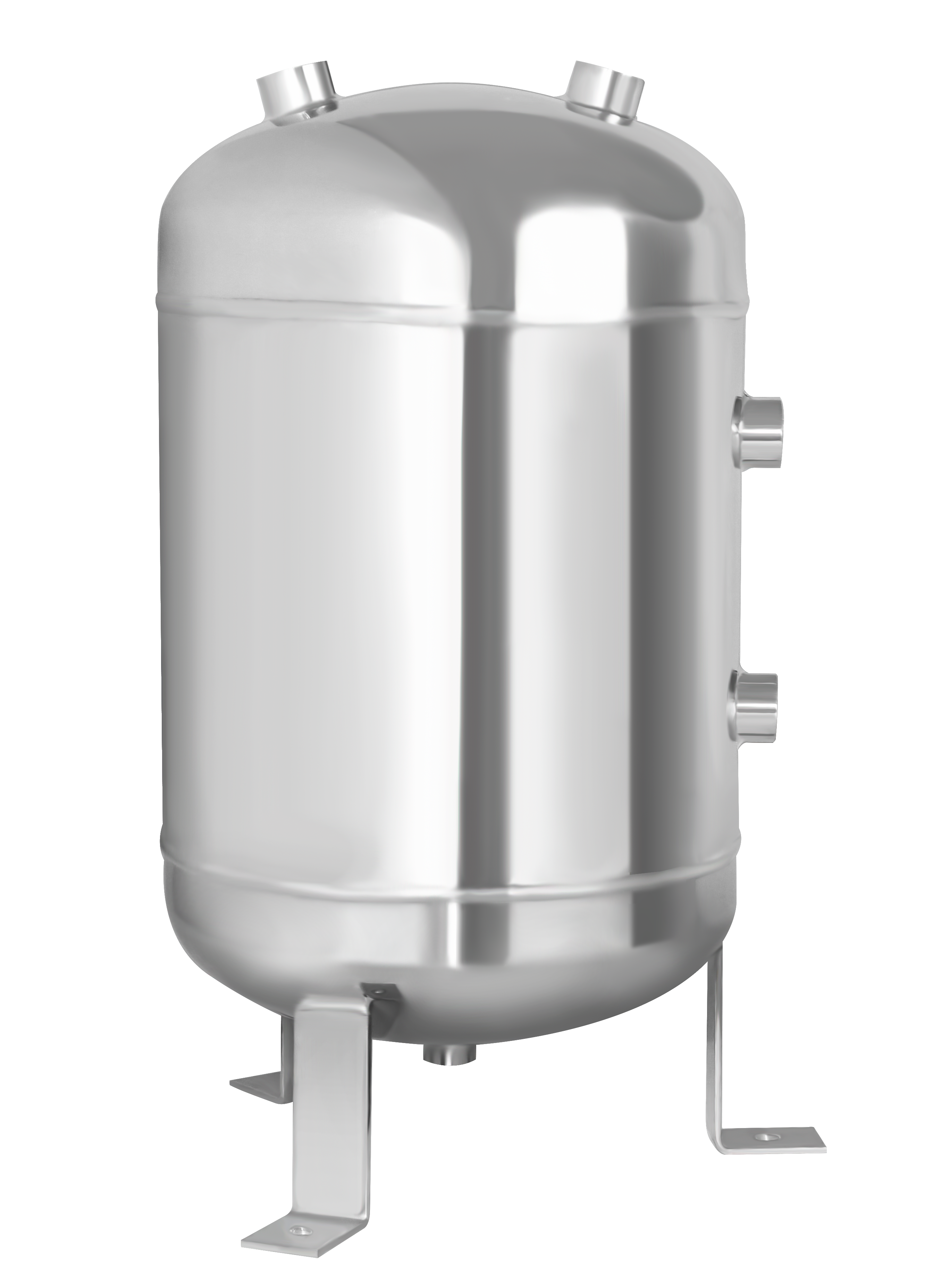
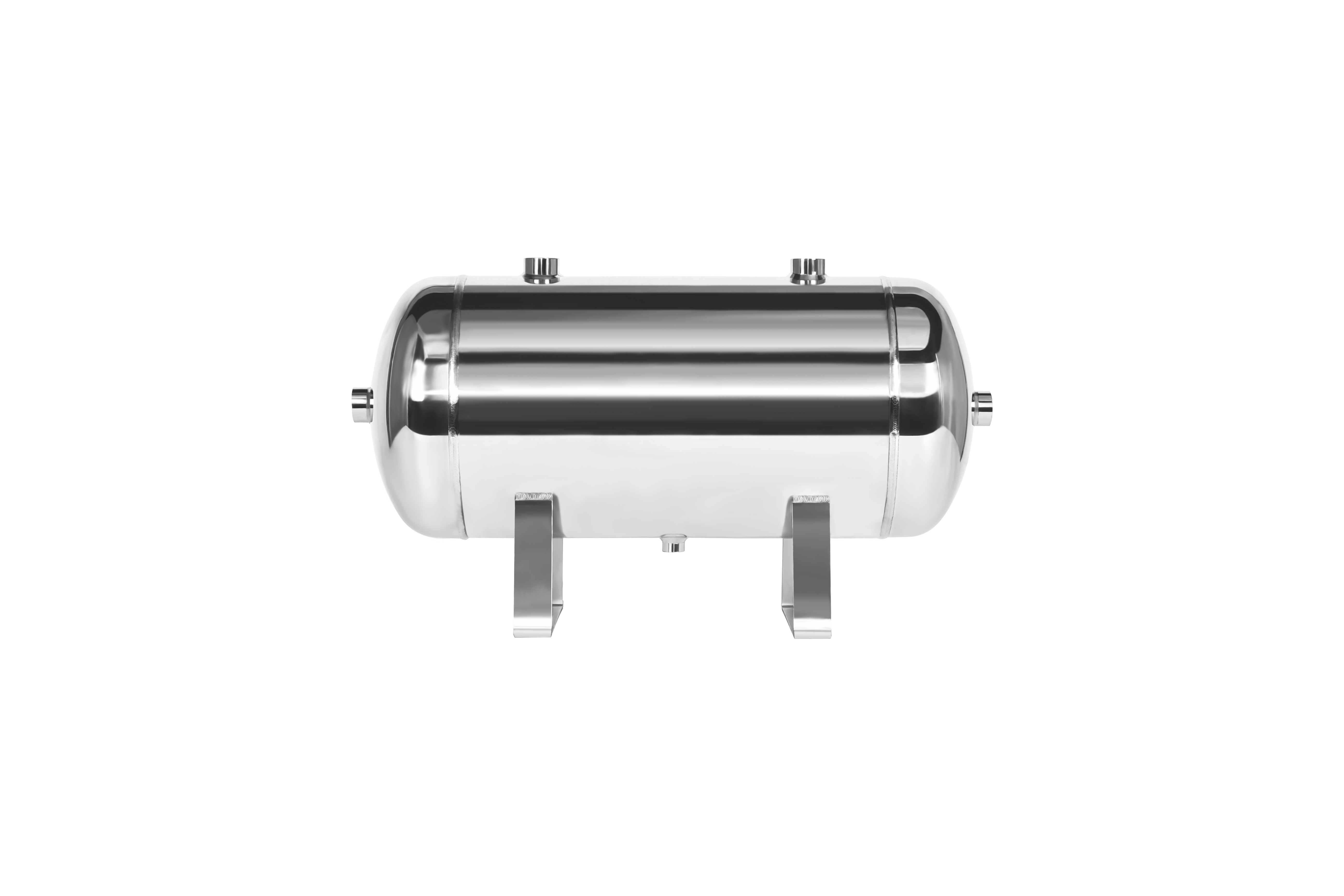
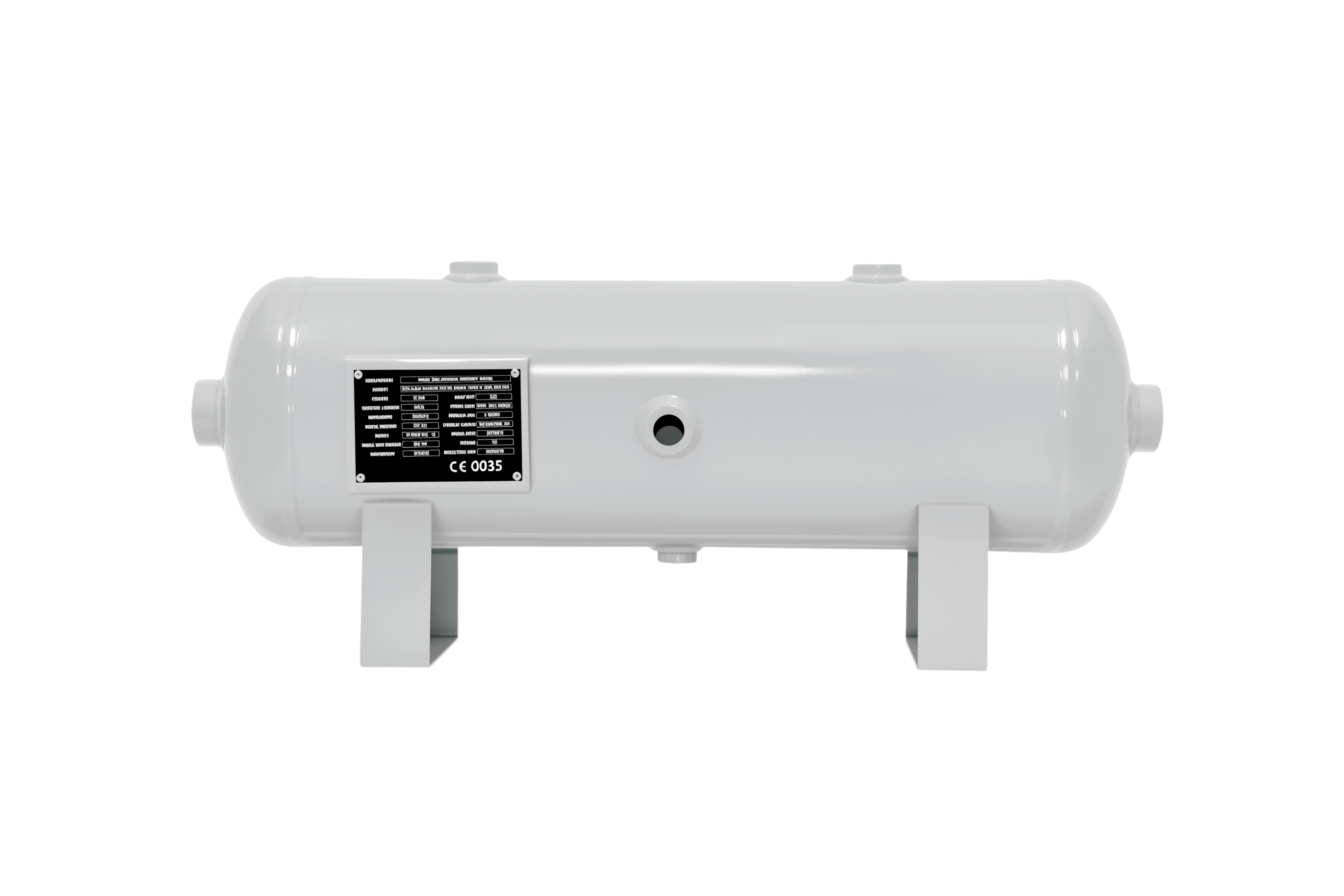
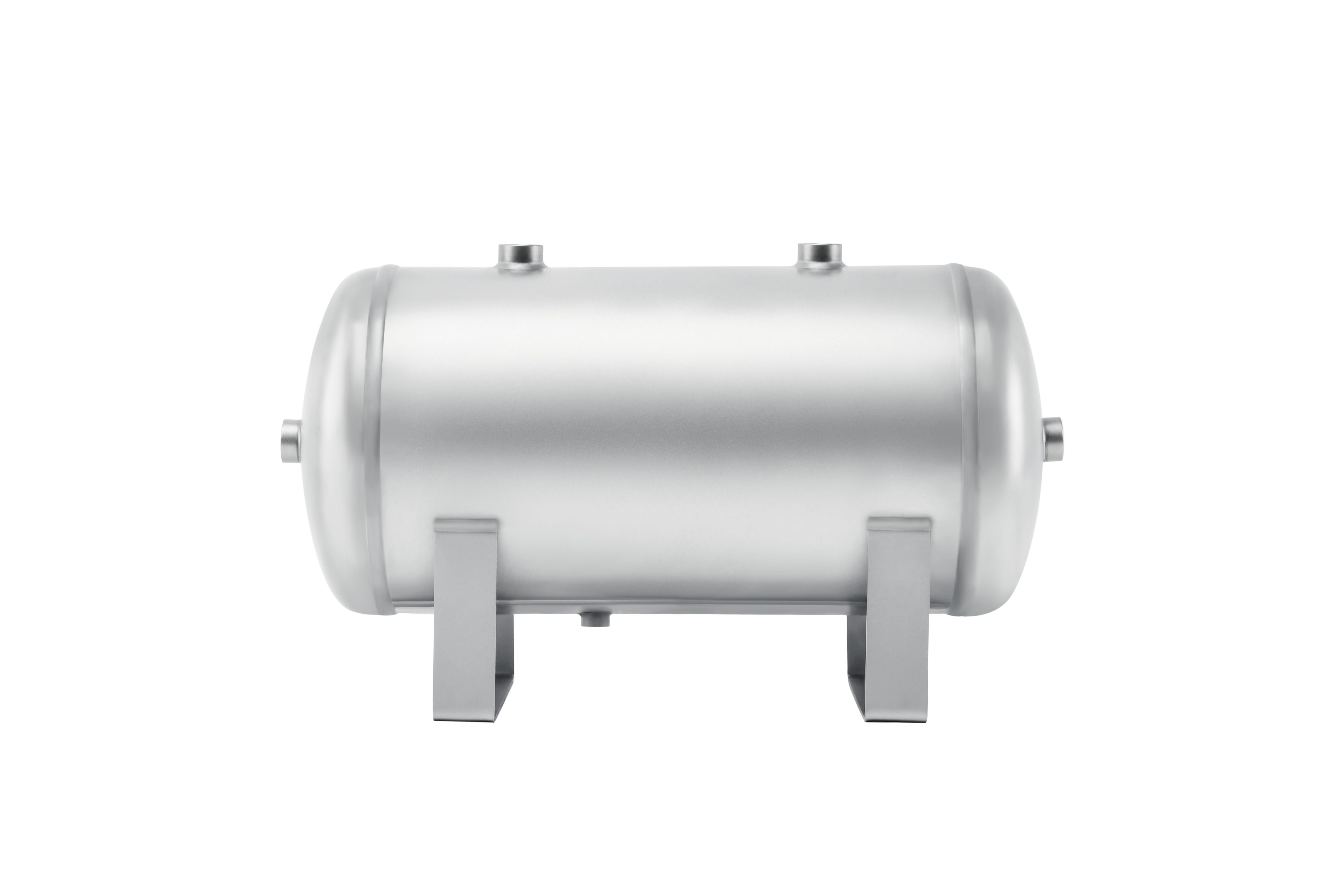
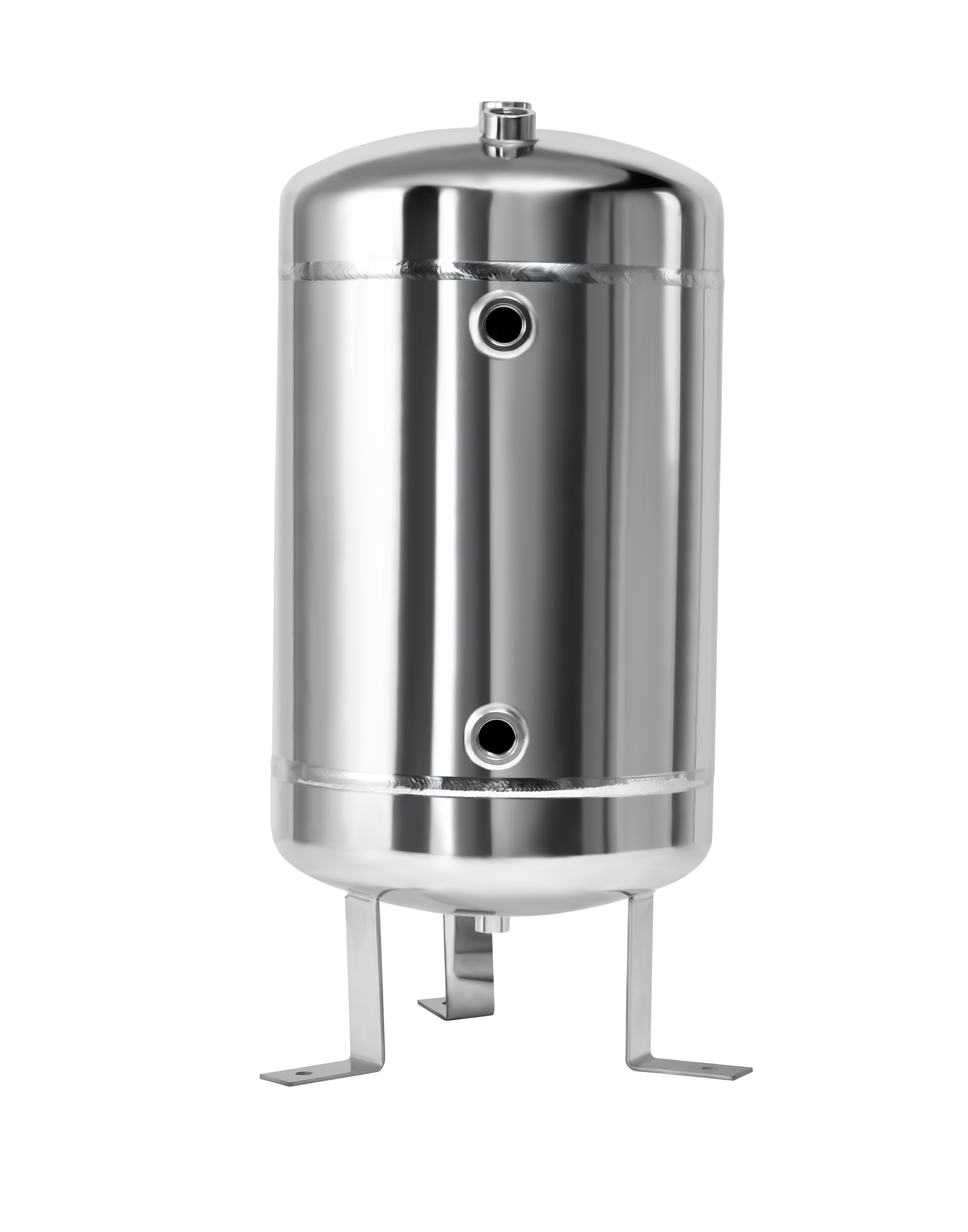
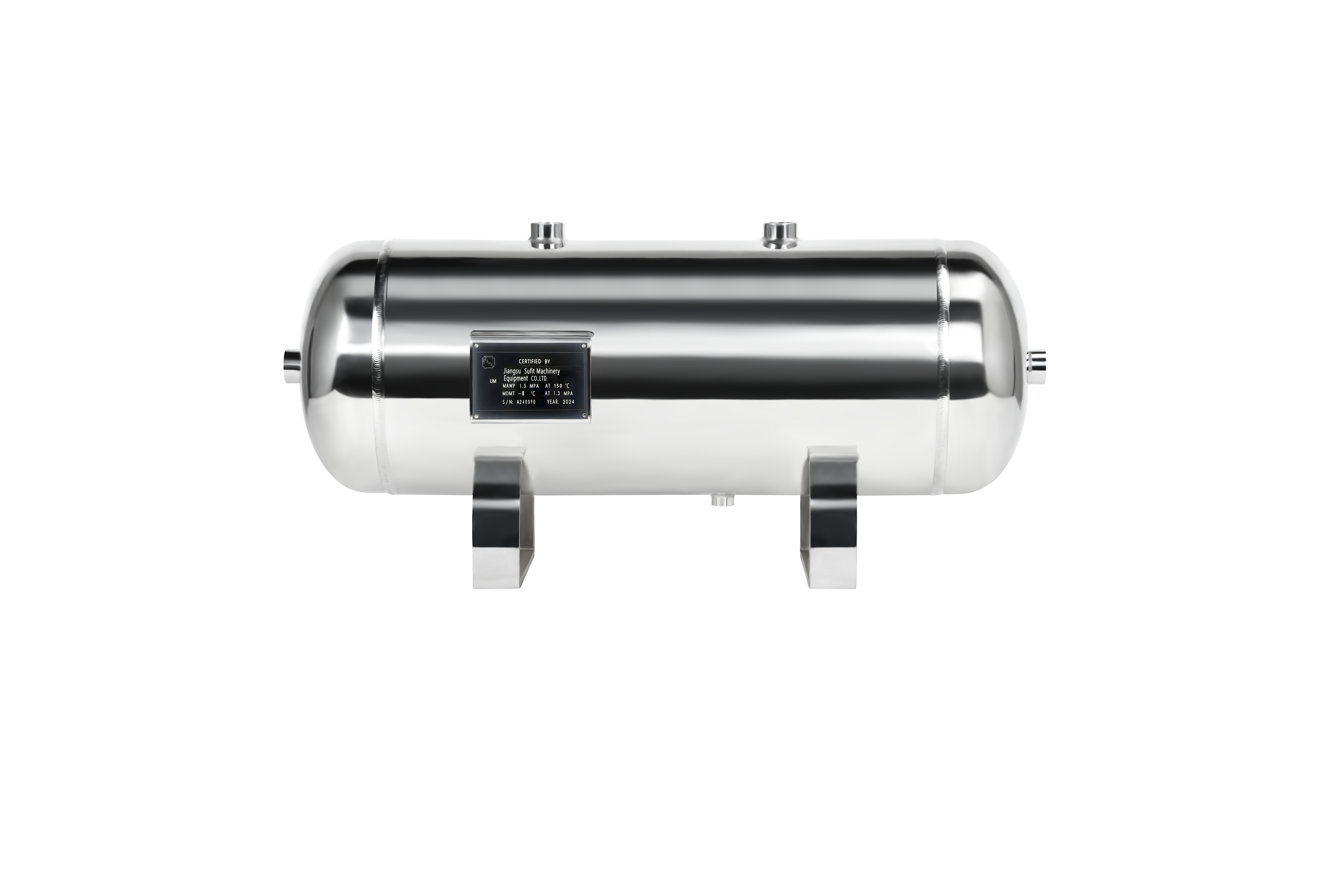
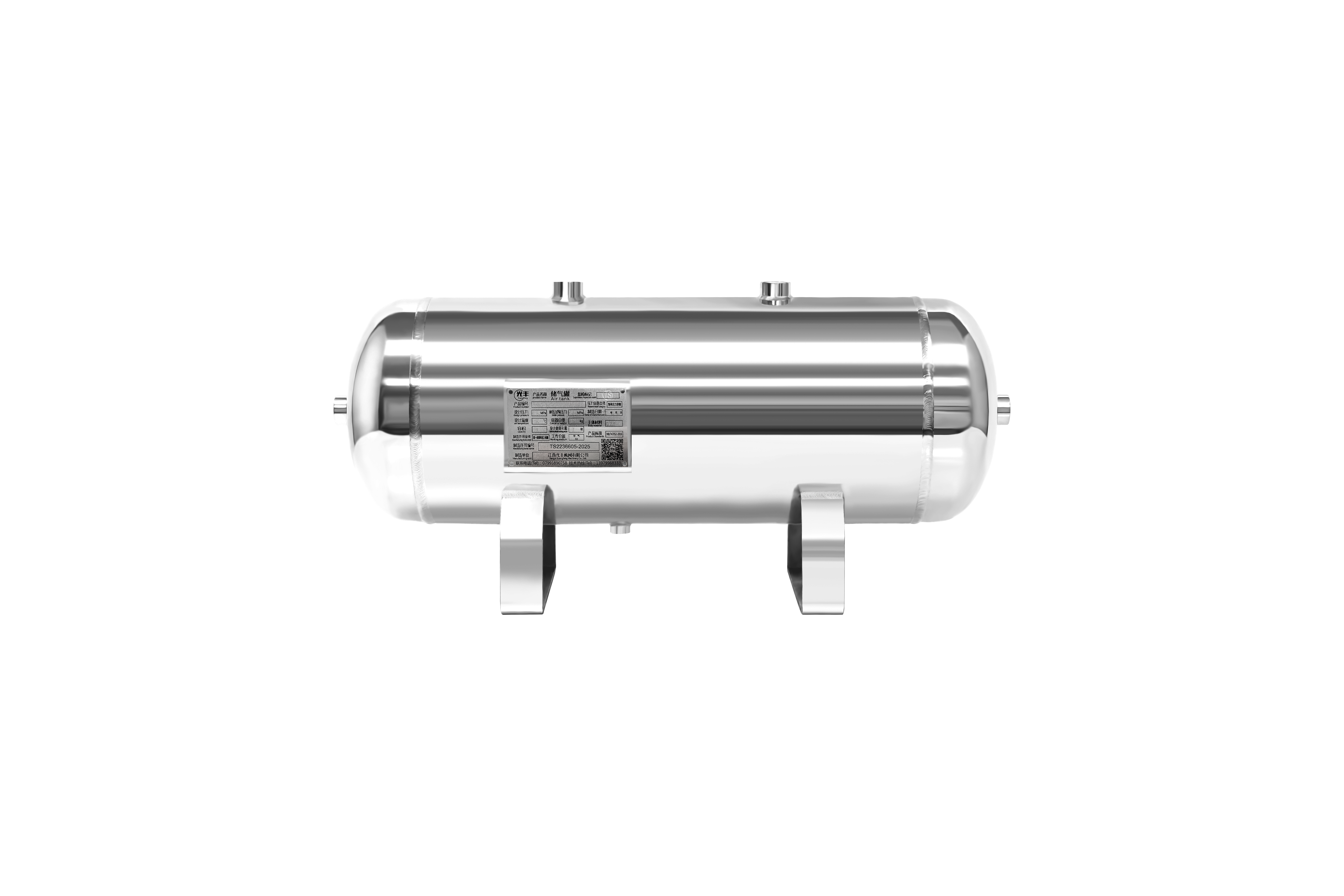
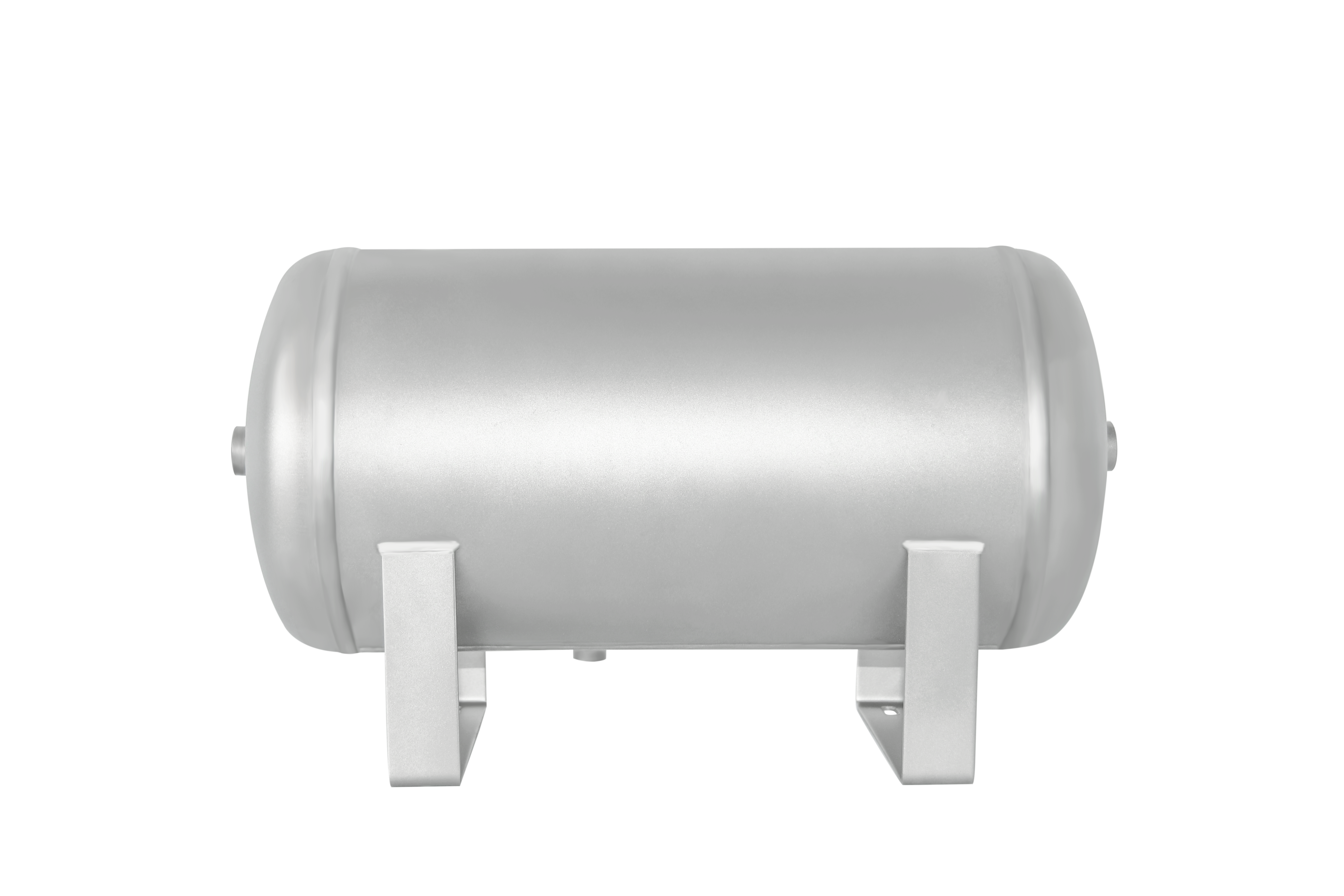
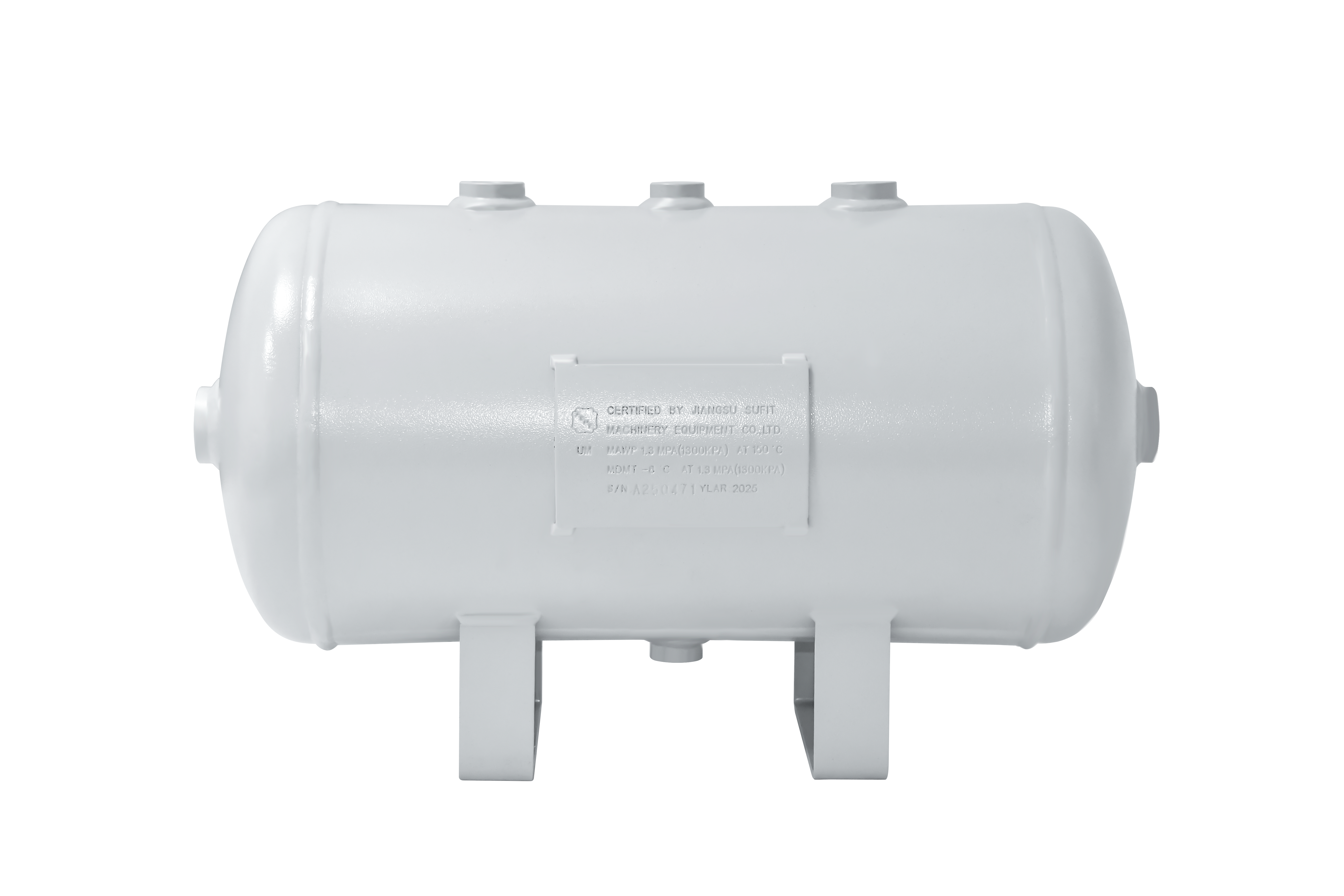
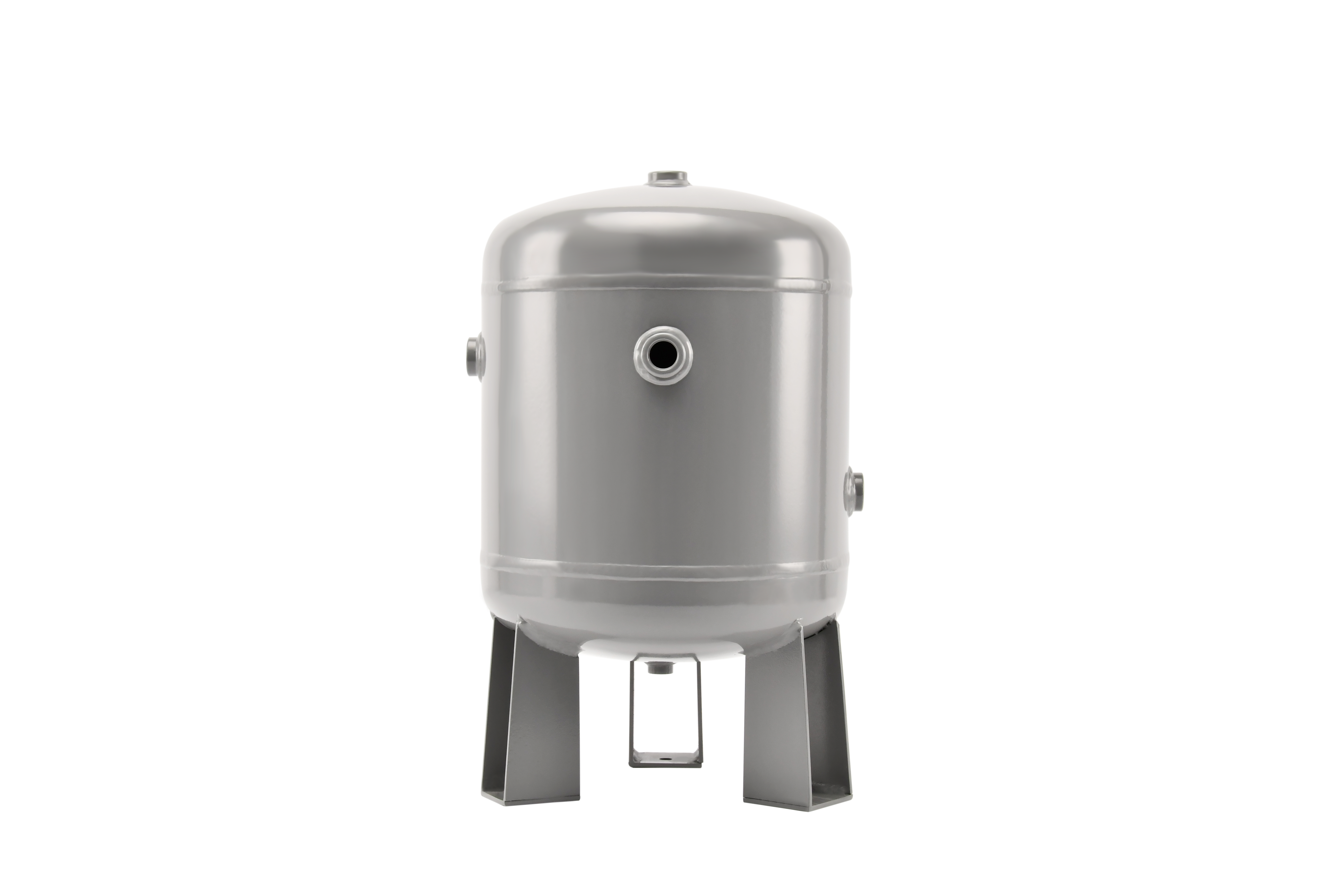
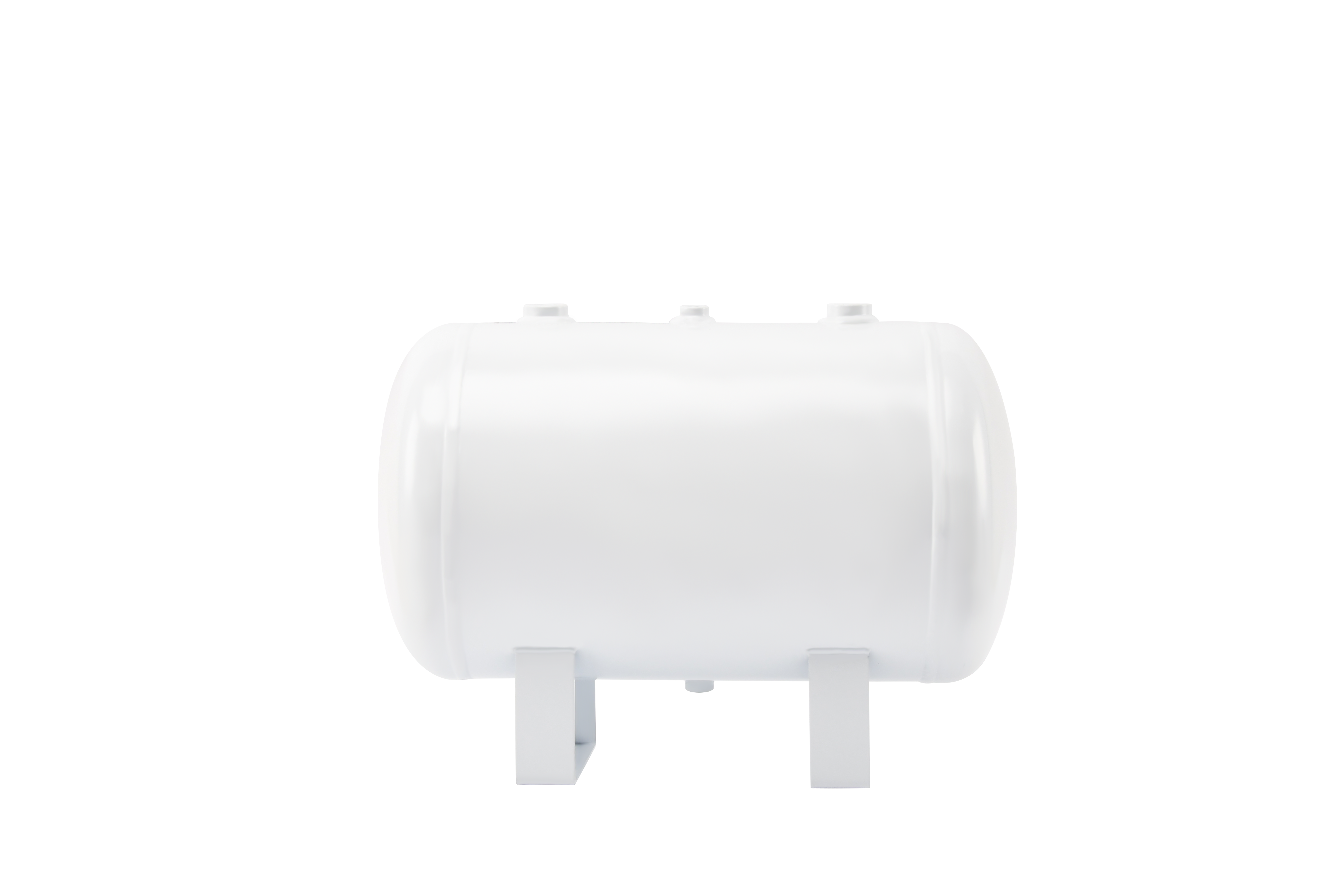
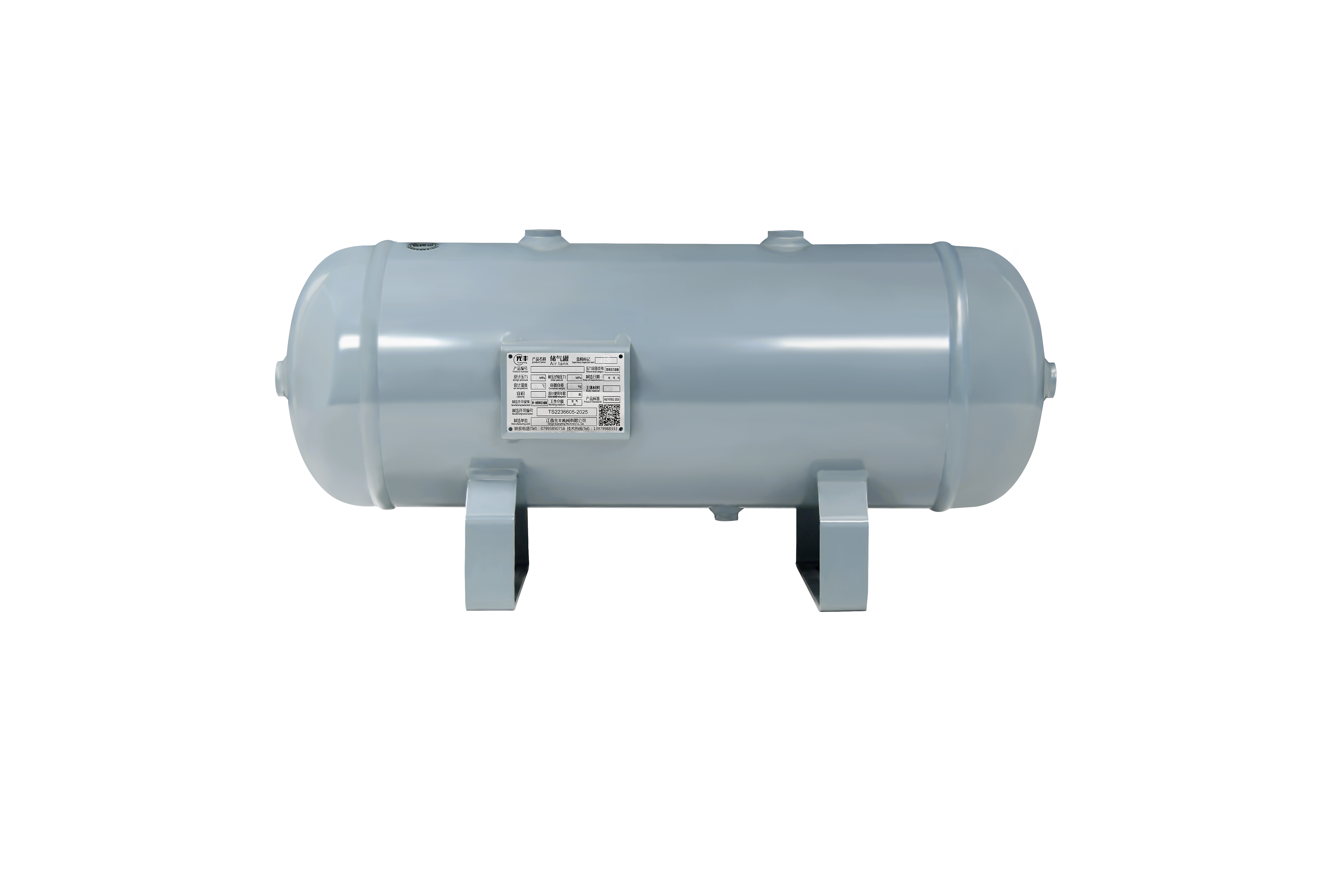
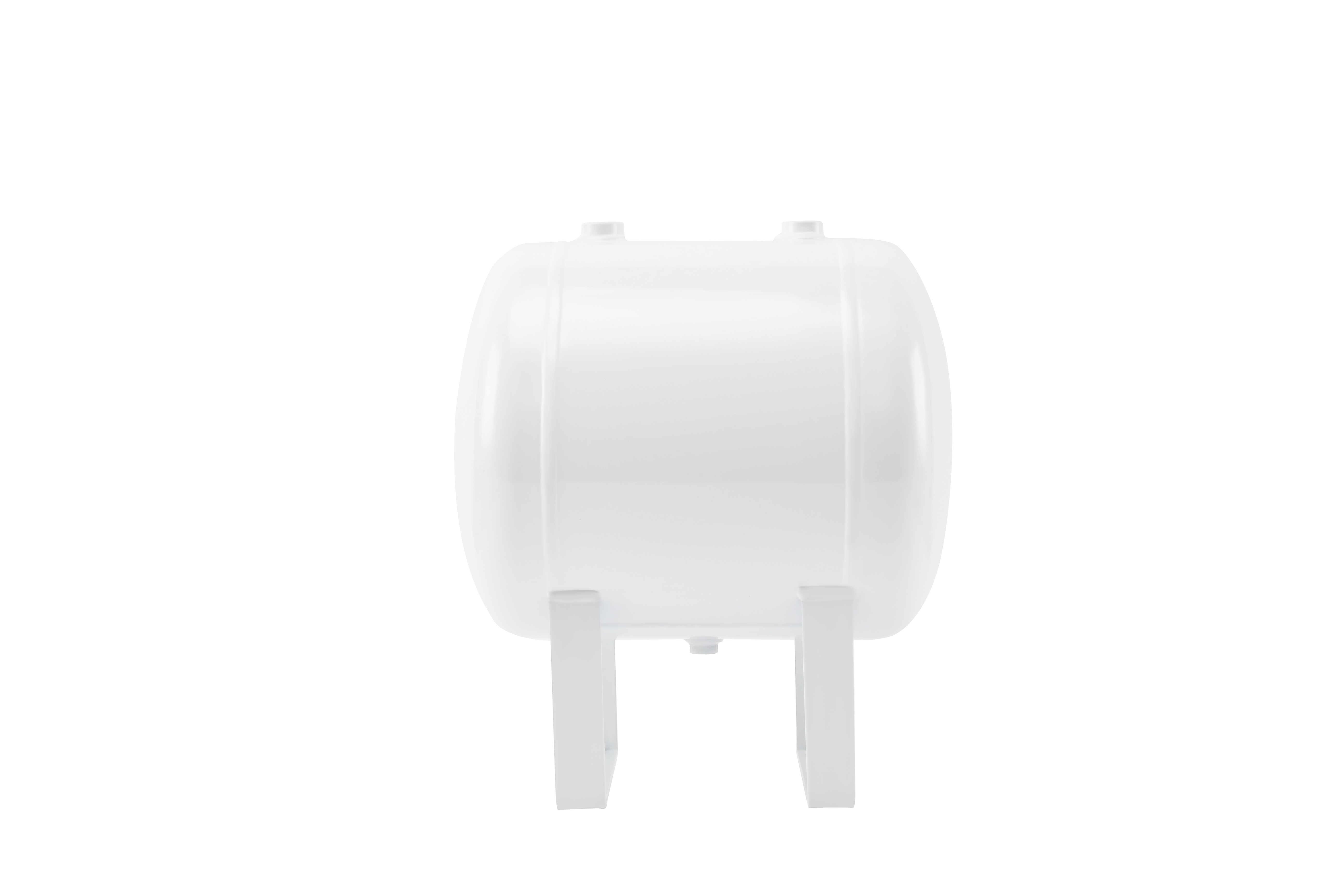
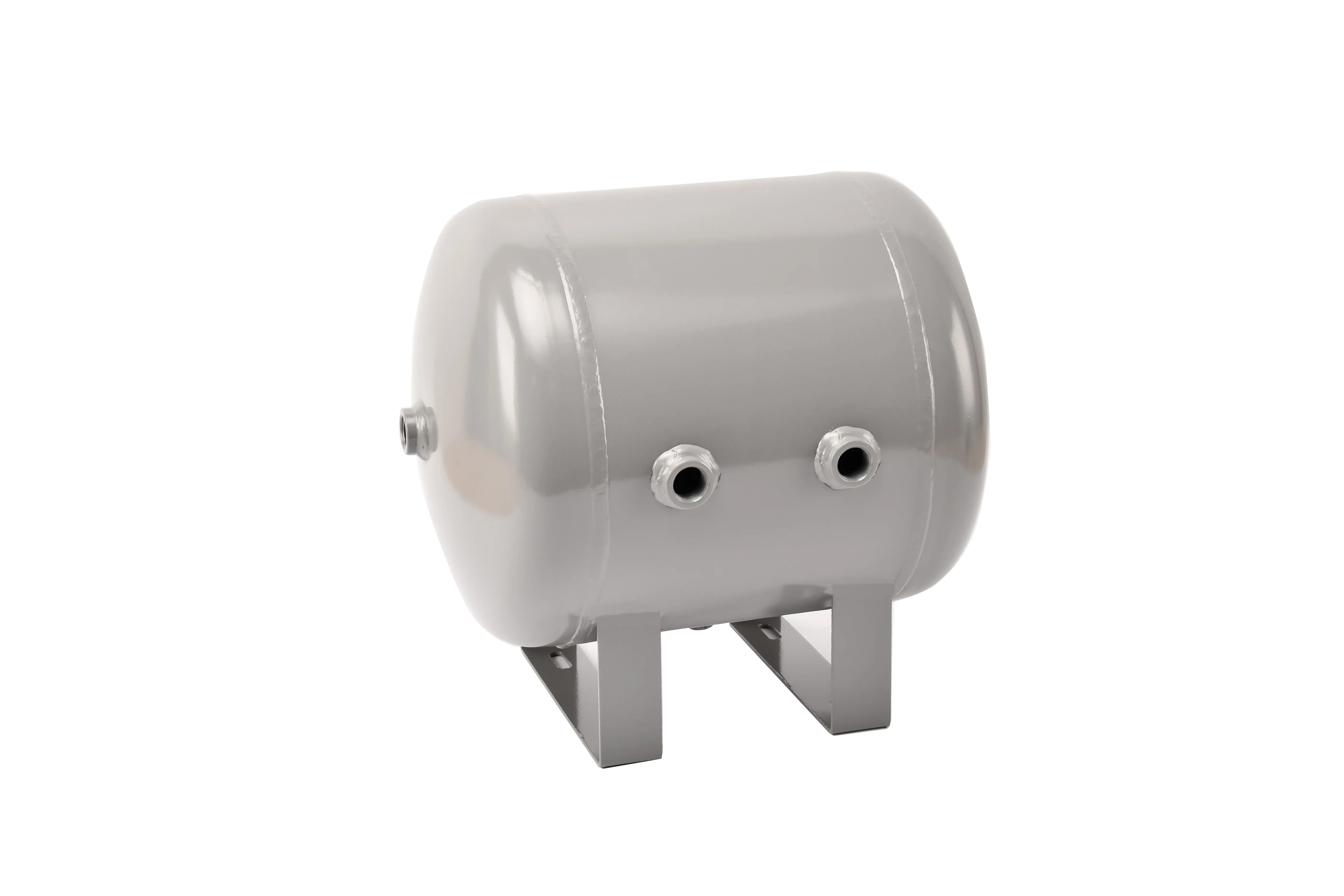
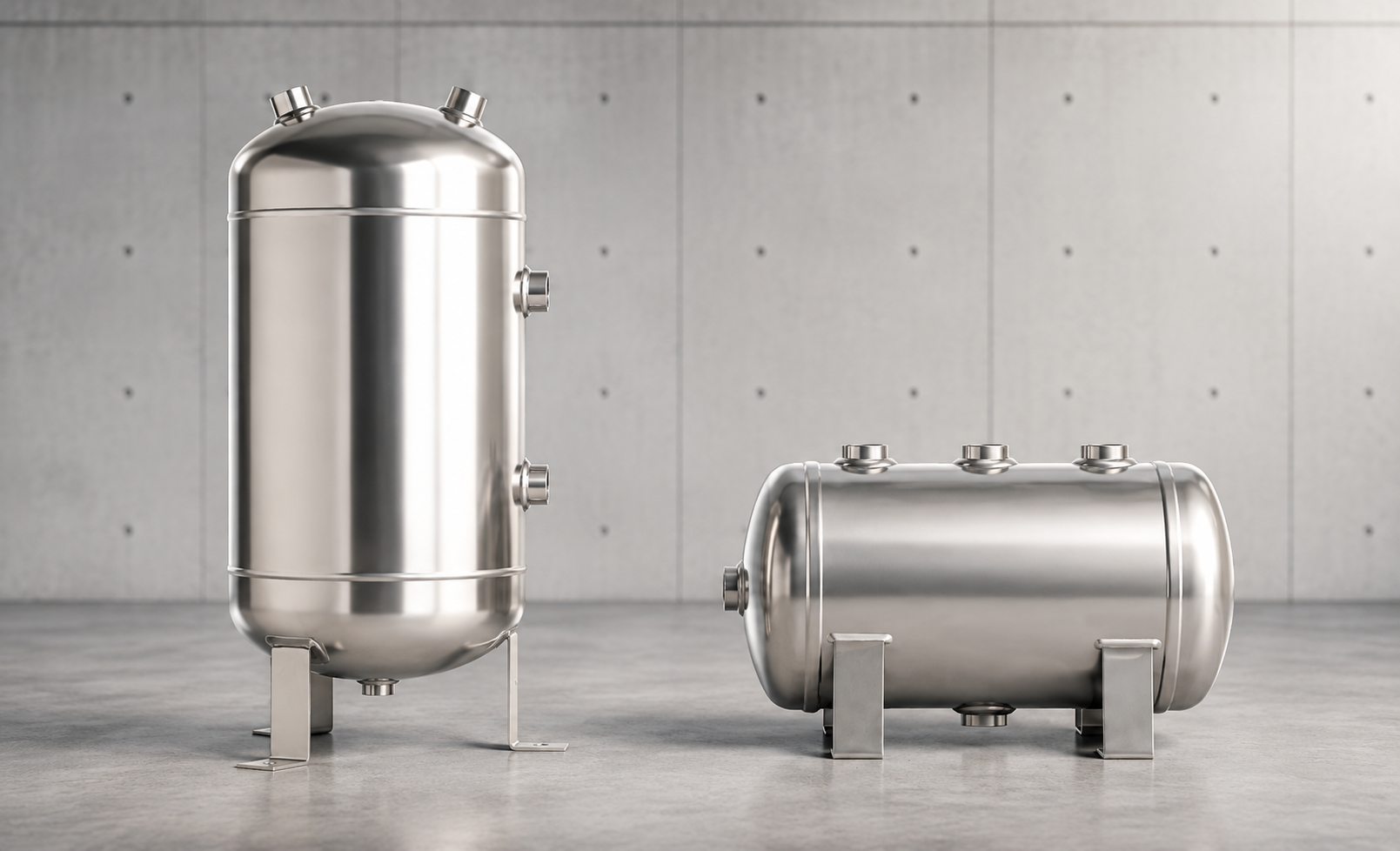
Air receiver tanks (or air storage tanks) are critical components in laboratory settings that utilize compressed air or gases. Their primary function is to stabilize pressure, store compressed gas, and ensure a consistent, reliable supply for sensitive instruments and processes.
1. Pneumatic Equipment & Instrumentation:
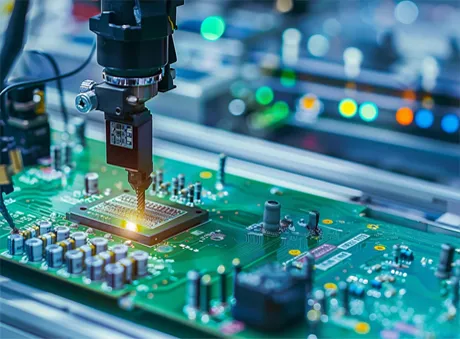
Lab Automation: Powering automated liquid handlers, robotic arms, sample changers, and microplate handlers.
Particle Counters & Air Samplers: Providing steady, pulse-free airflow for accurate environmental monitoring and contamination control in cleanrooms and biosafety cabinets.
Valve Actuation: Operating pneumatic valves in analytical instruments (e.g., GC, HPLC) and process control systems.
2. Gas Supply & Pressure Stabilization:
Carrier Gas Buffer for Analytical Instruments: Acting as a buffer tank for GC (Gas Chromatography) or GC-MS systems to dampen pressure fluctuations from compressors or cylinders, ensuring baseline stability and reproducibility.
Lab Air Supply Systems: Serving as the central storage and stabilization unit for "instrument air" or "oil-free air" distribution networks throughout a lab building, protecting sensitive equipment from pressure drops and surges.
3. Process & Reaction Control:
Fermenters & Bioreactors: Providing consistent air for aeration and agitation in cell culture and microbial fermentation processes.
Chemical Reactors: Supplying air or inert gases for reactions, sparging, or pressure control in pilot-scale or specialized synthesis setups.
4. Calibration & Testing:
Pressure Gauge & Sensor Calibration: Serving as a stable pressure source or reference volume in calibration rigs.
Leak Testing: Supplying a reservoir of air for performing leak tests on lab equipment, fittings, or custom-built apparatus.
5. Utility & Support Functions:
Cleaning & Drying: Powering air guns for drying glassware or cleaning optical components.
Fluidized Baths & Sand Baths: Providing air to fluidize media in temperature control baths.