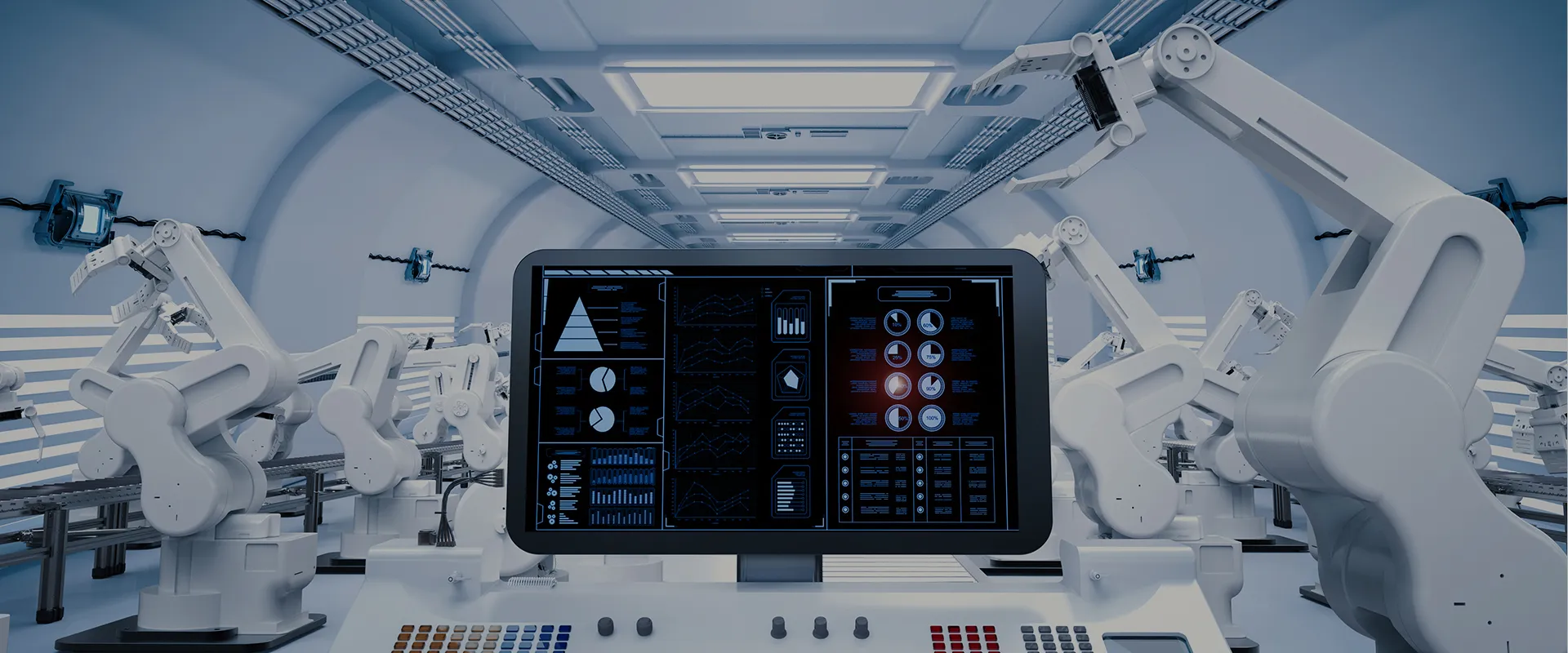
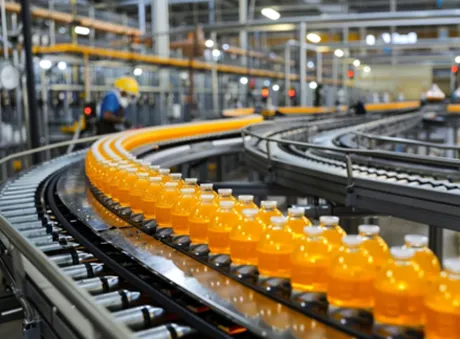
Pneumatic Actuators: Powers cylinders and rotary actuators for pushing, pulling, lifting, clamping, and indexing in assembly lines, packaging machines, and material handling.
Valve Operation: Supplies air to actuate process control valves (e.g., in chemical or food processing).
Air Tools: Drills, nut runners, and grinders on automated or semi-automated production lines.
Blow-off & Cleaning: Used in ejection systems (e.g., removing parts from molds) or cleaning stations.
Instrument Air: Provides clean, stable air for sensitive instruments and controls.
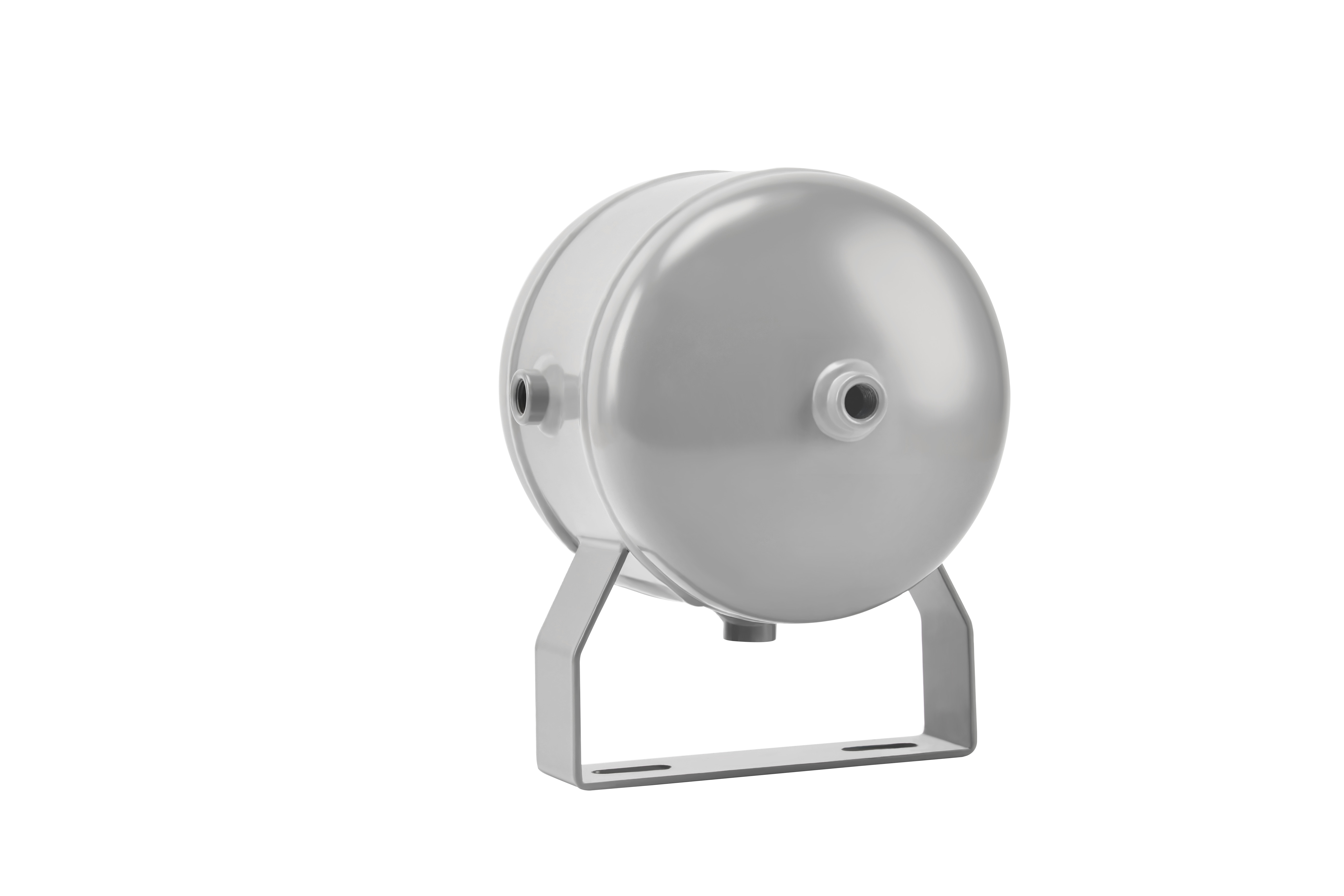
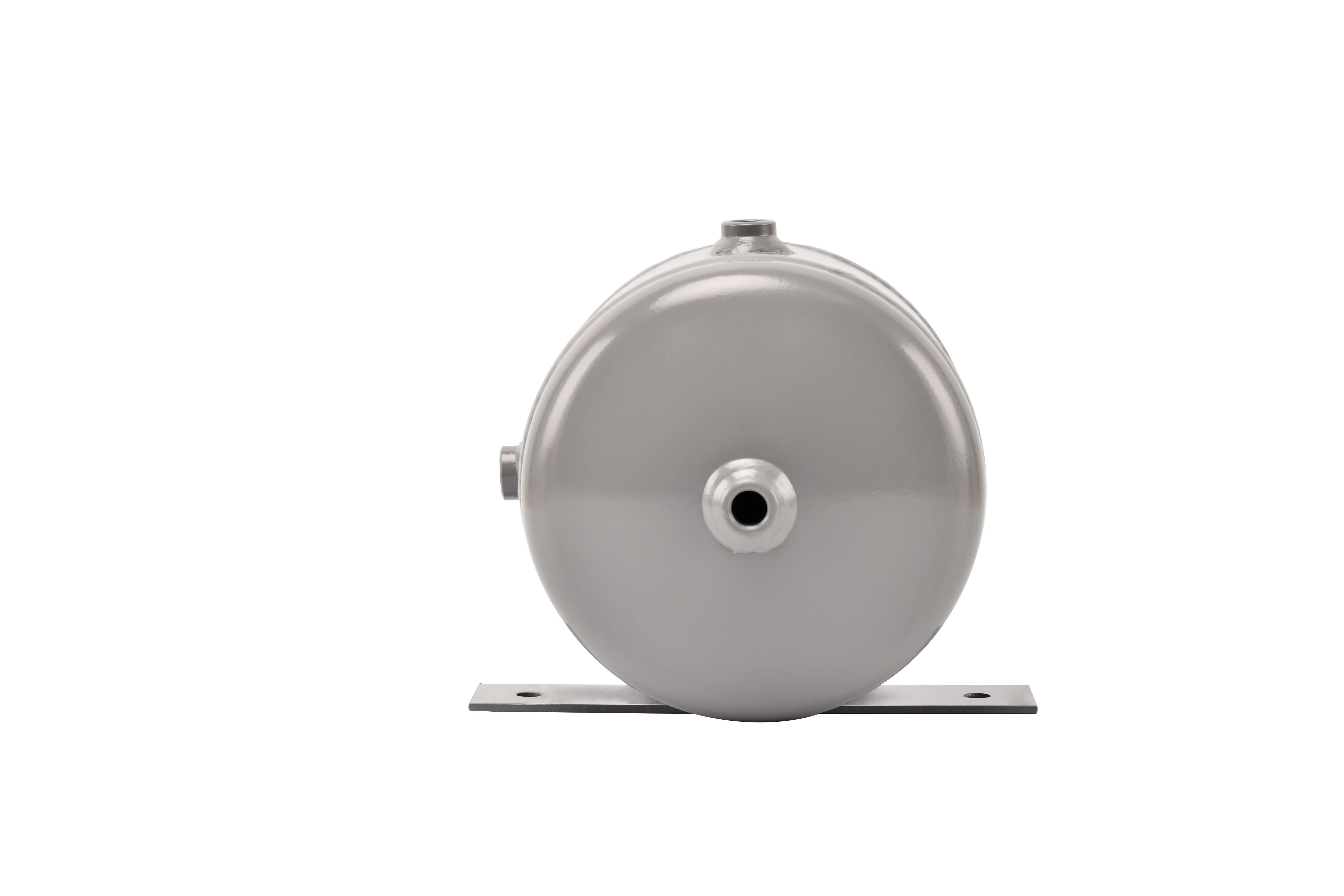
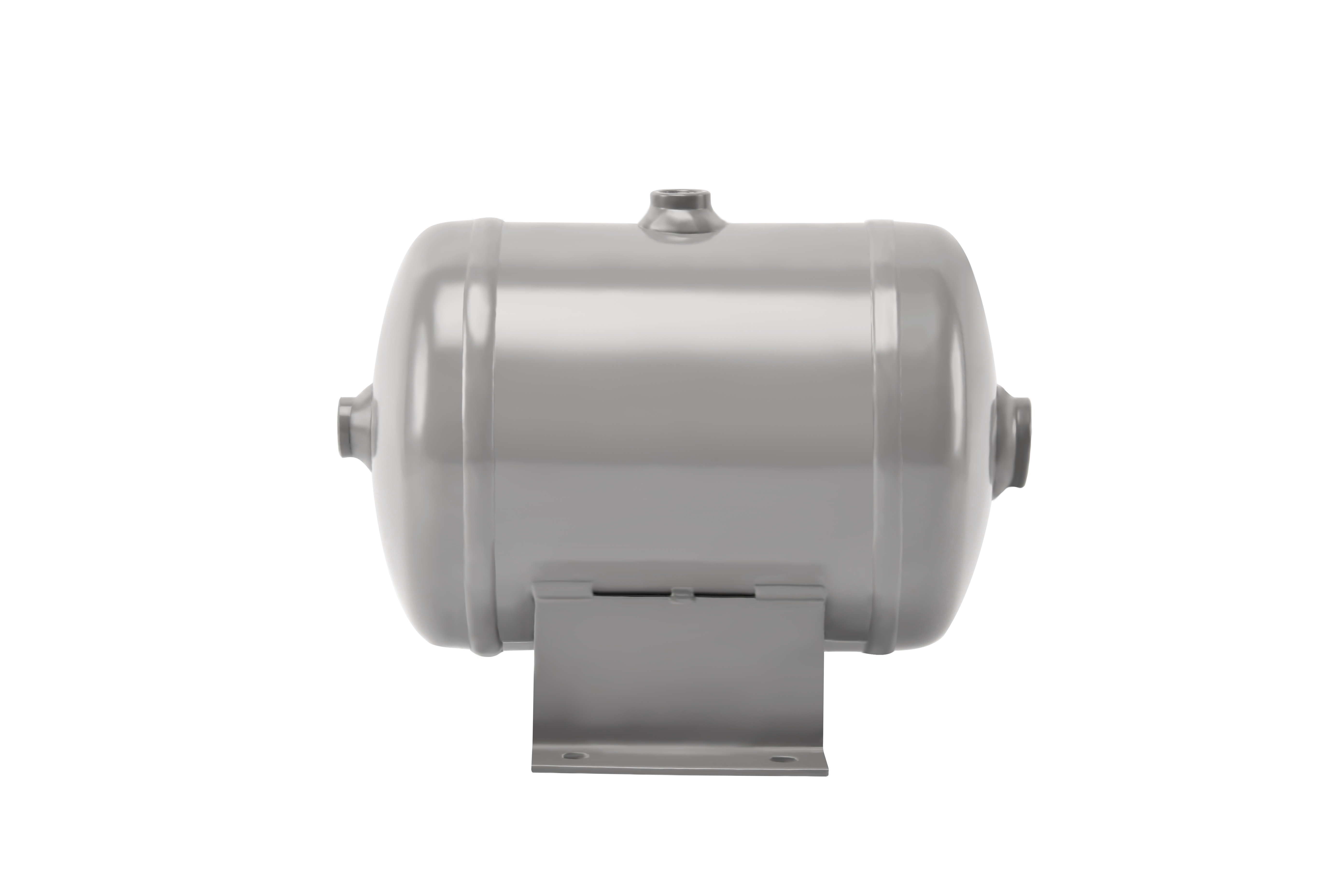
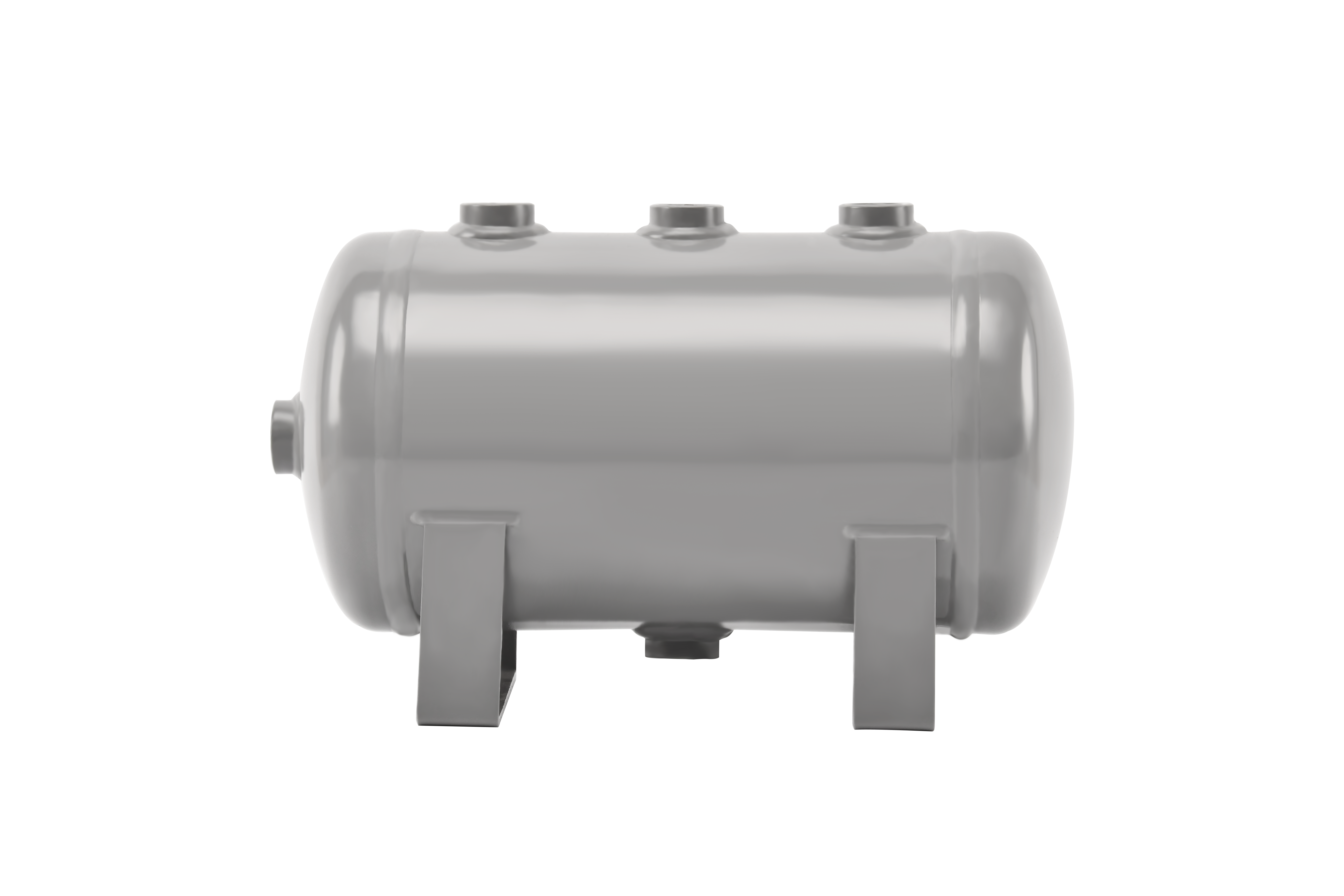
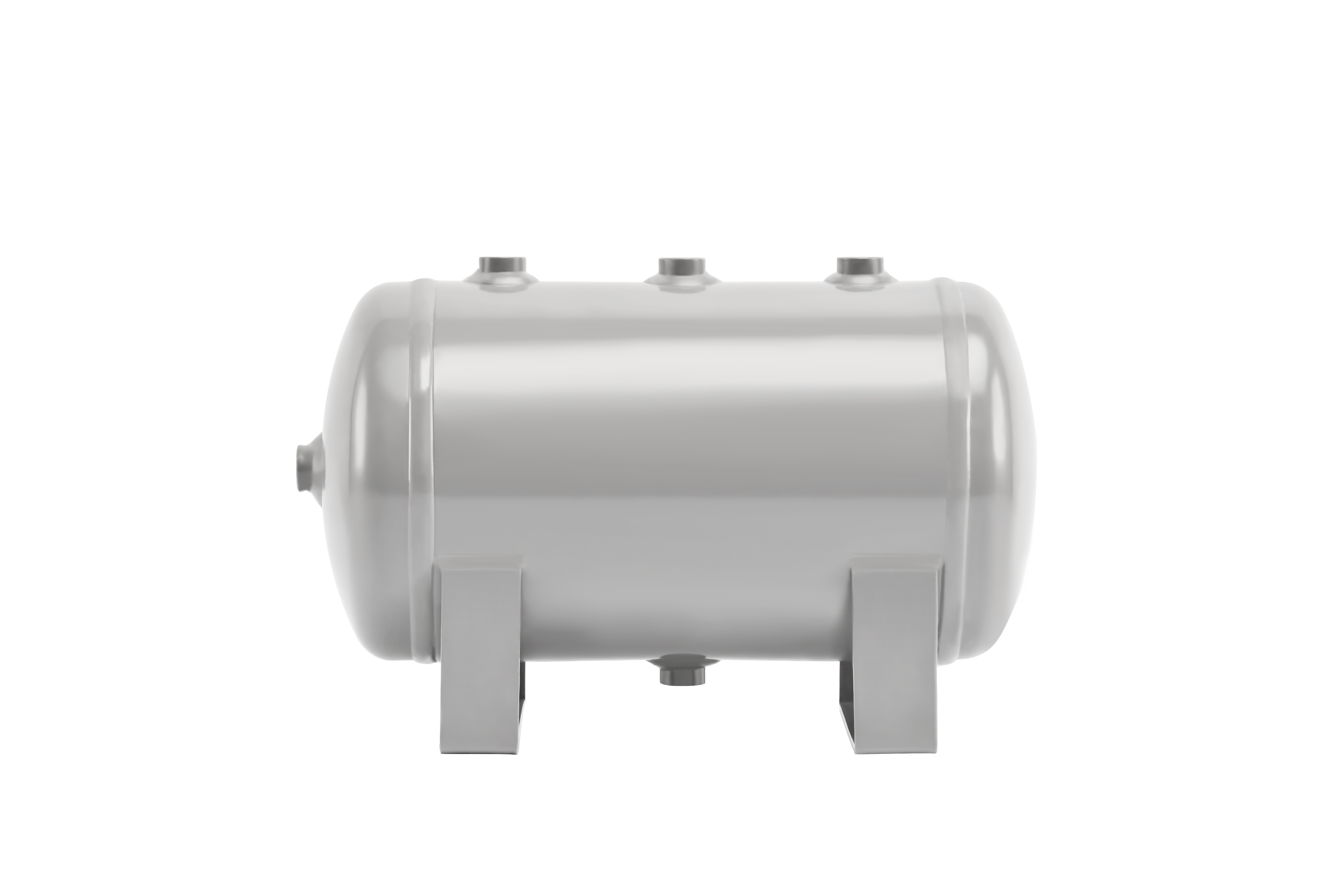
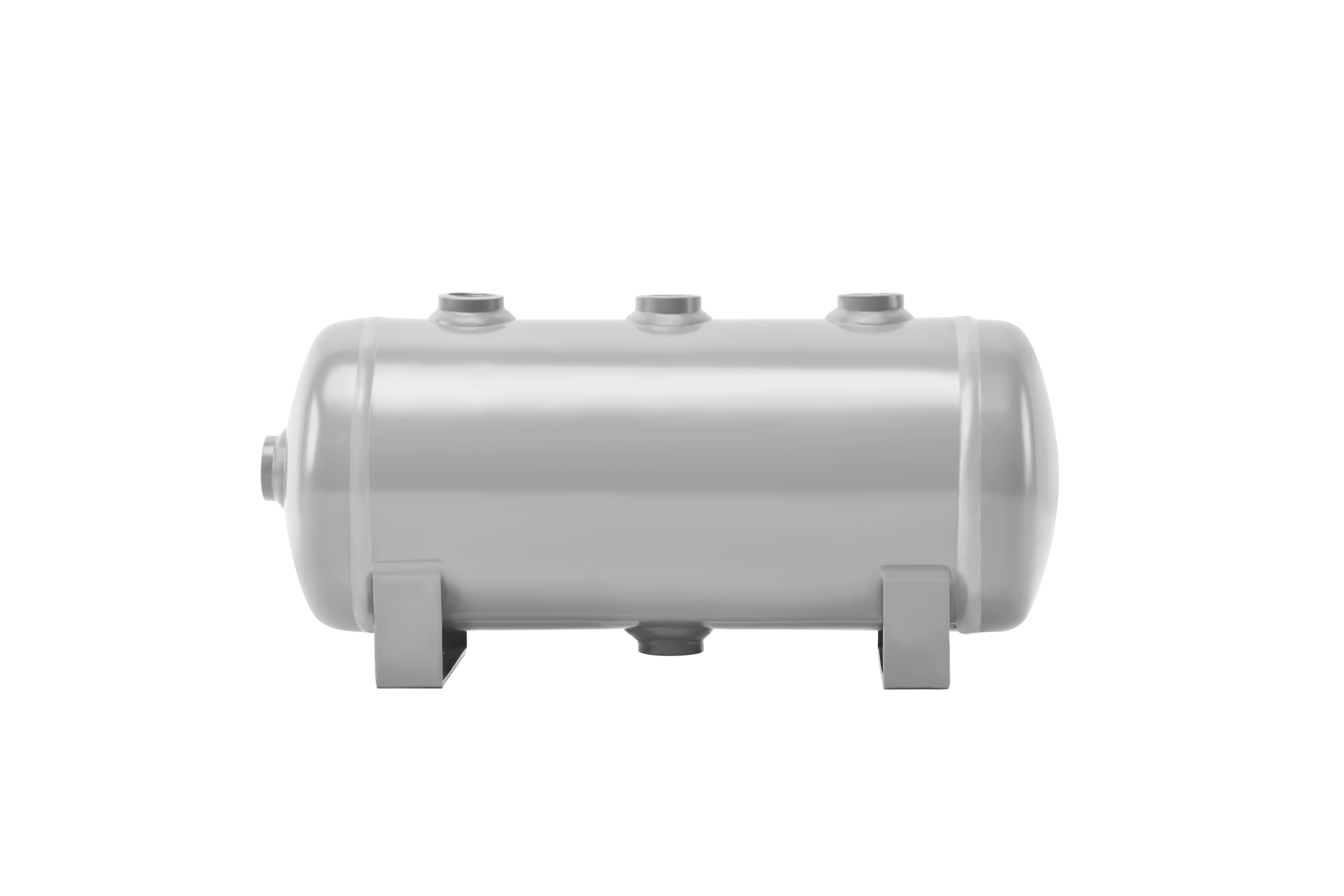
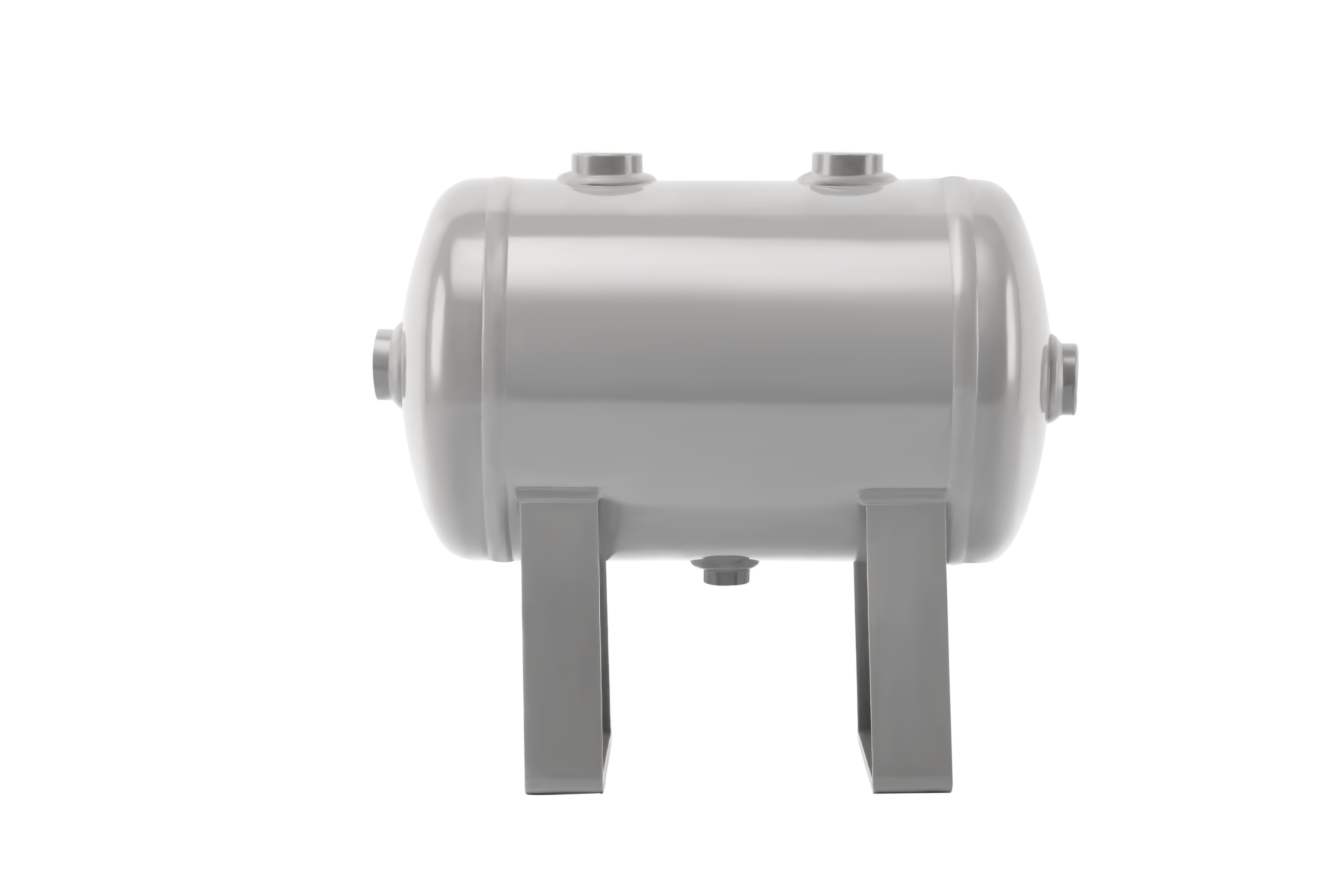
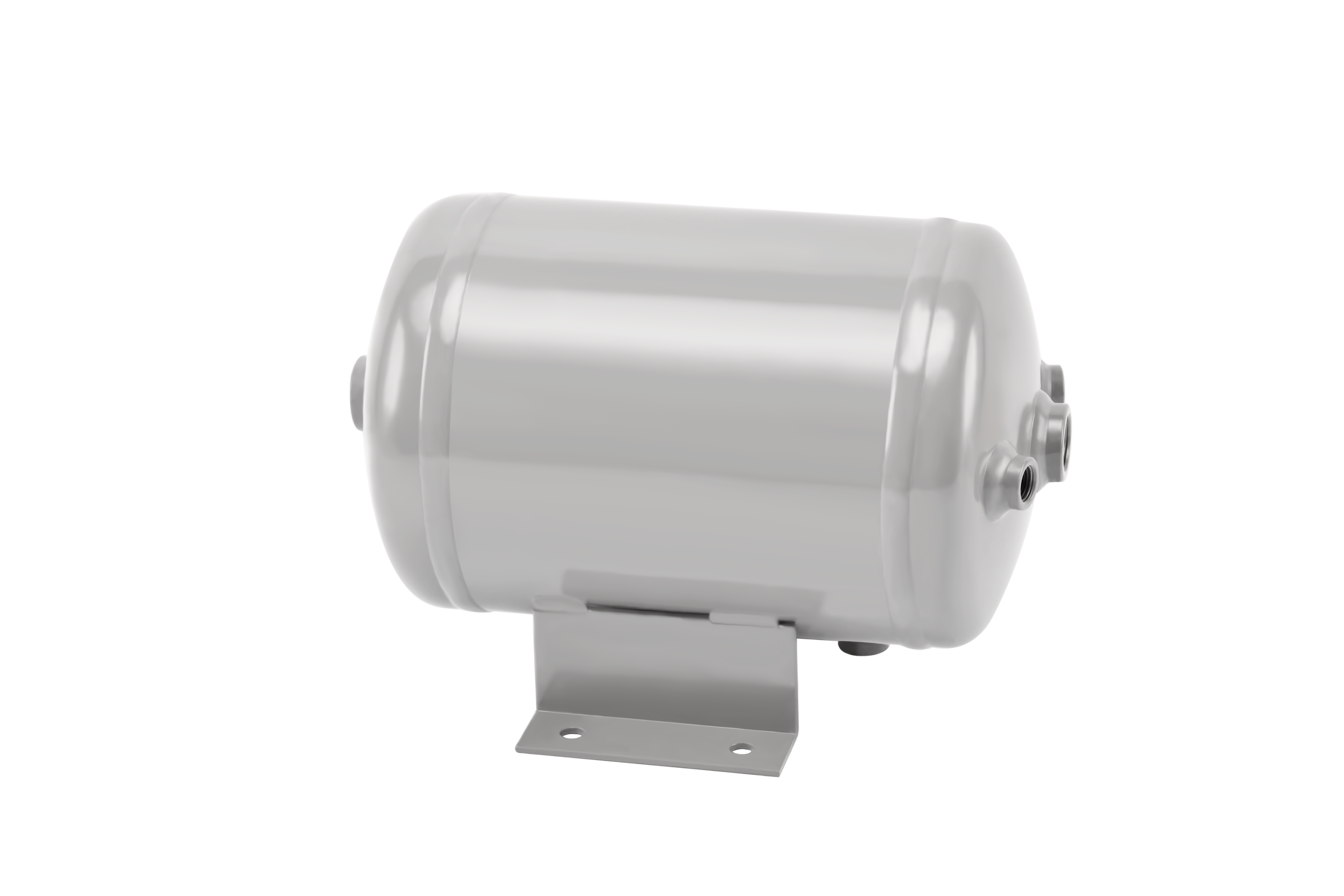
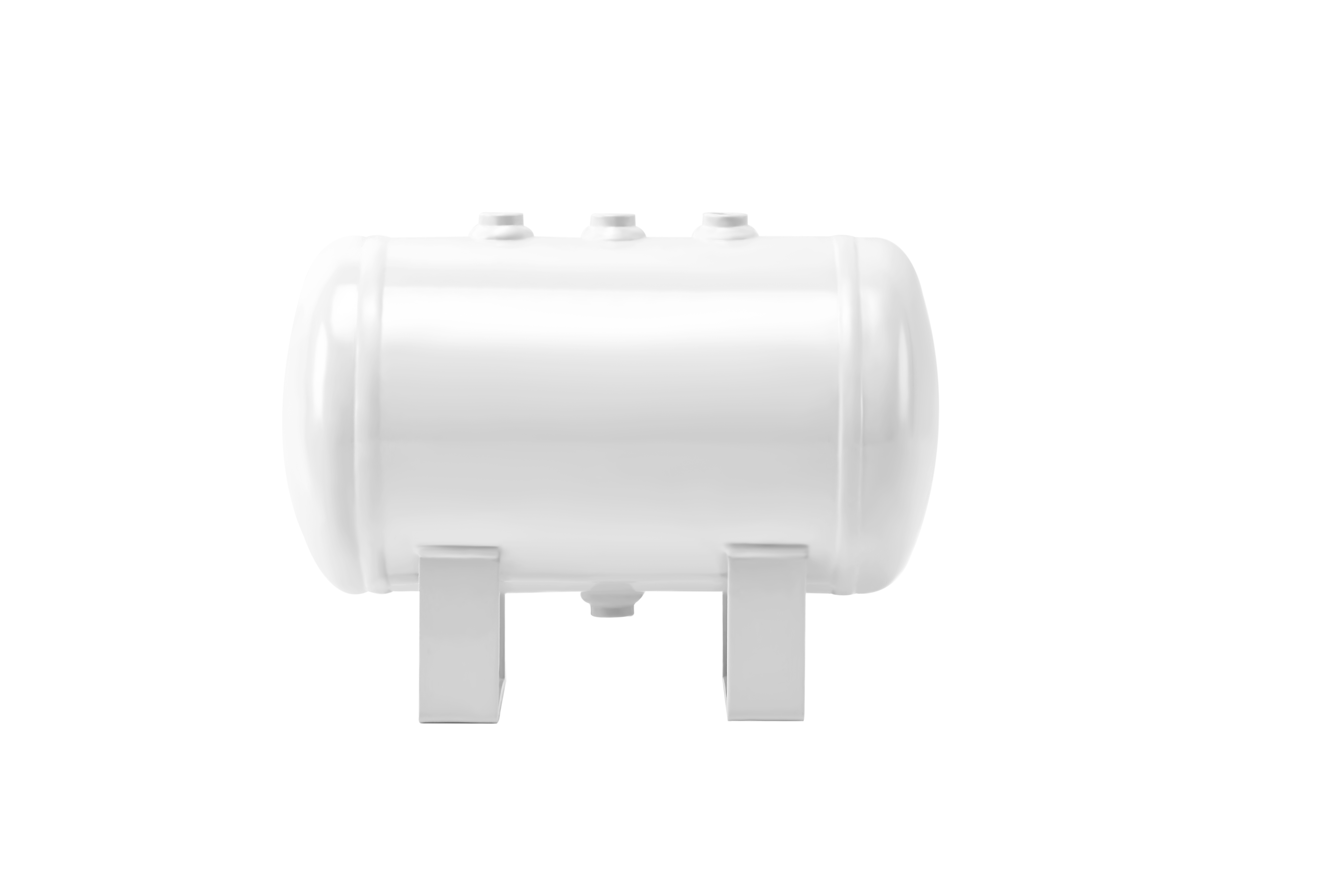
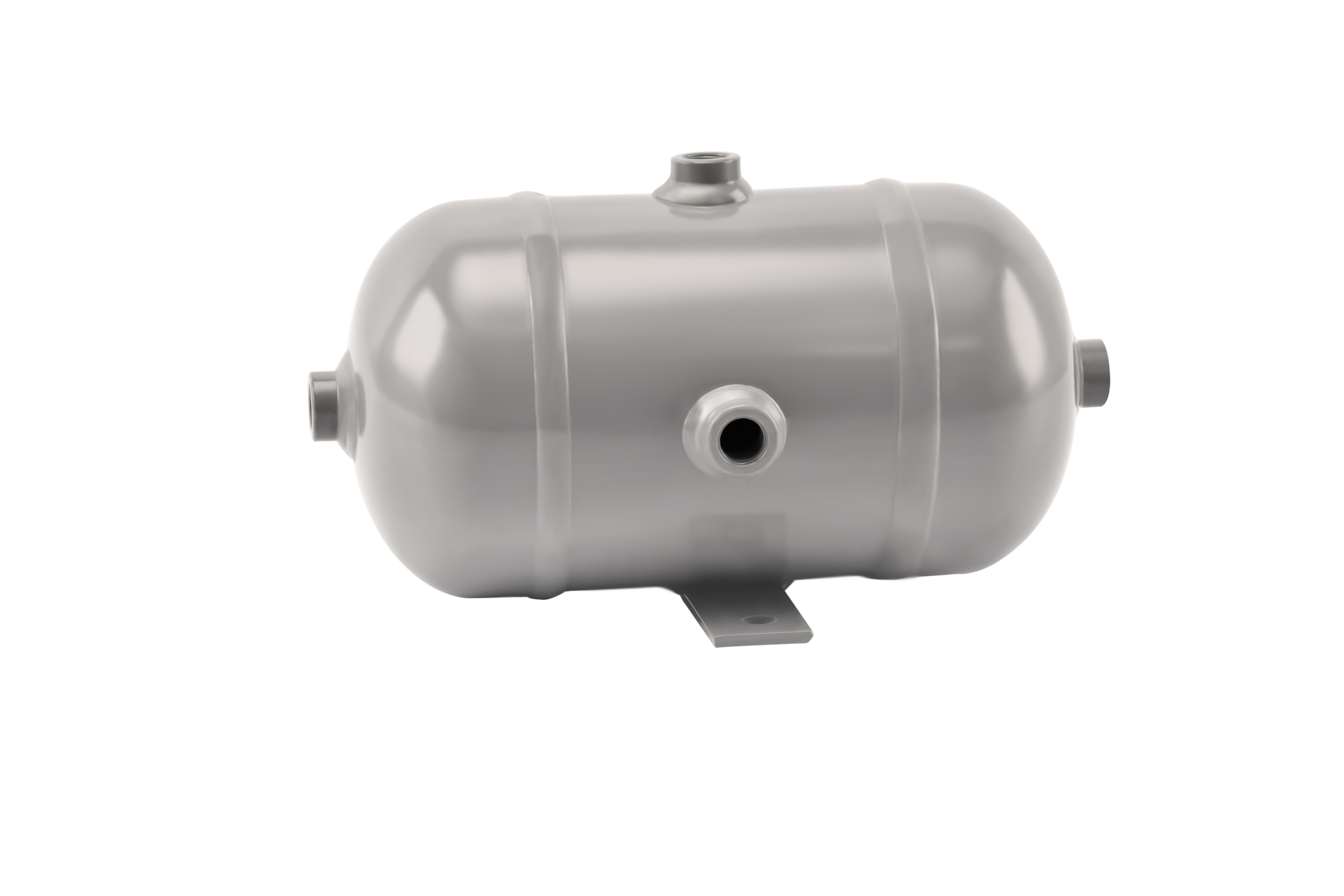
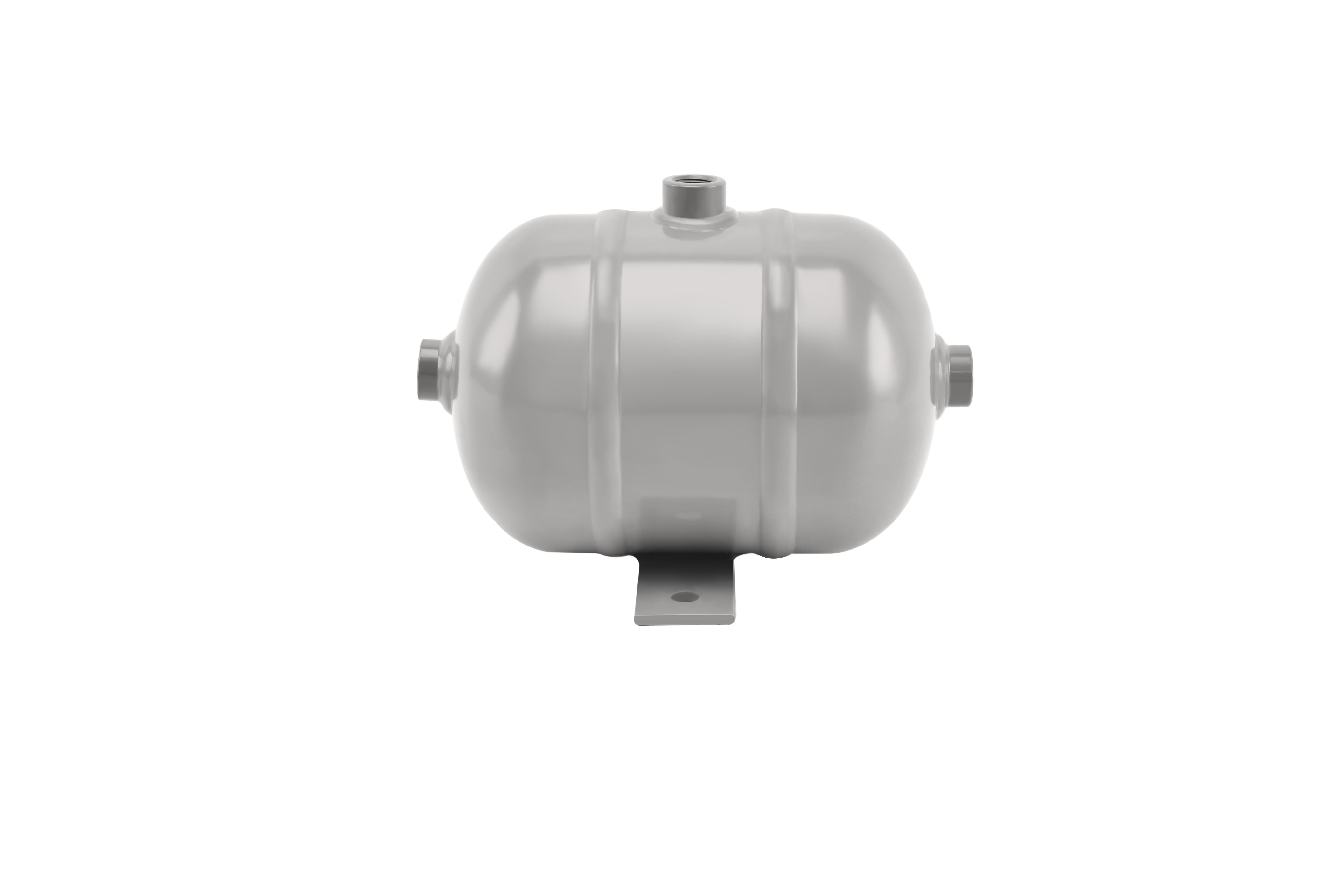
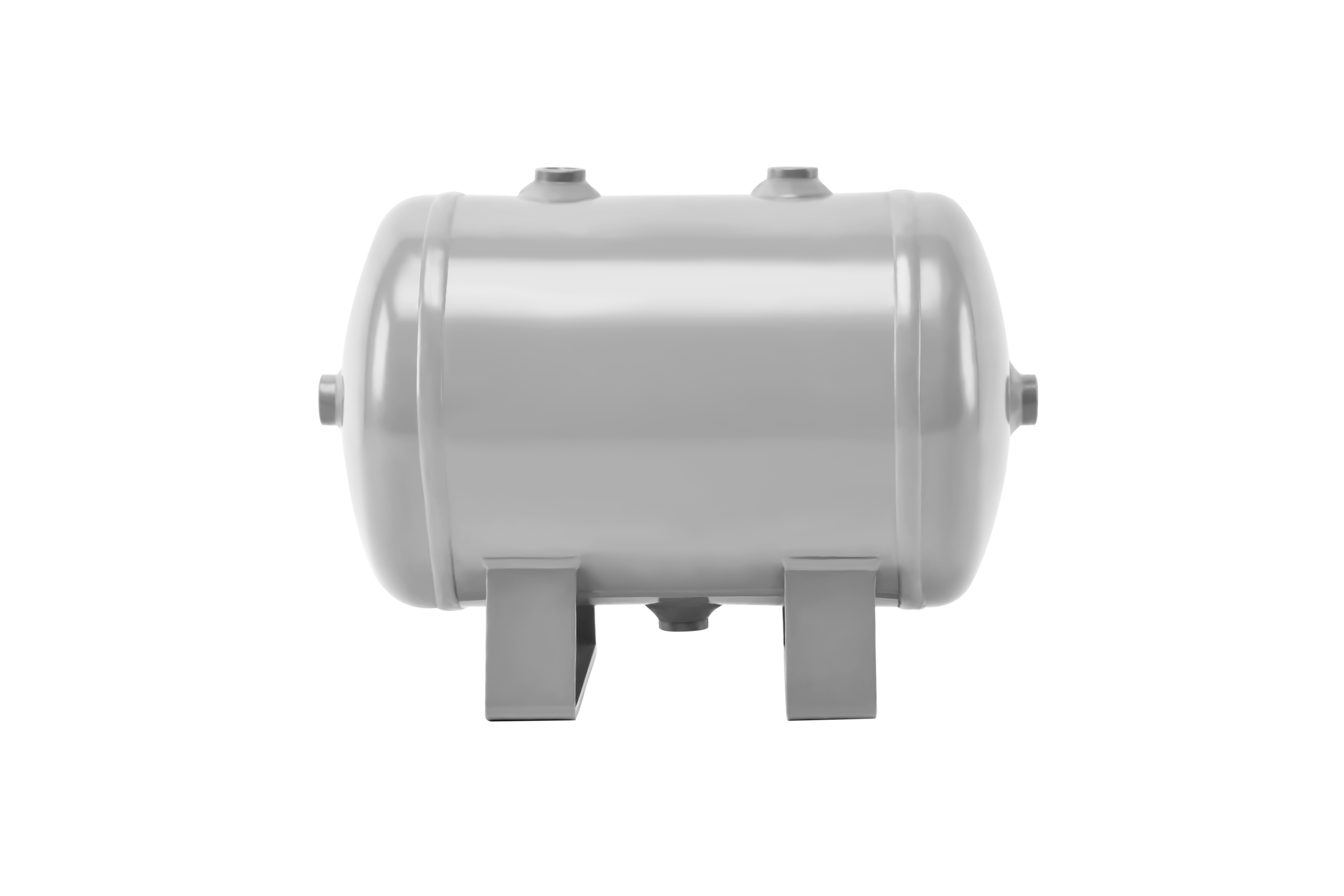
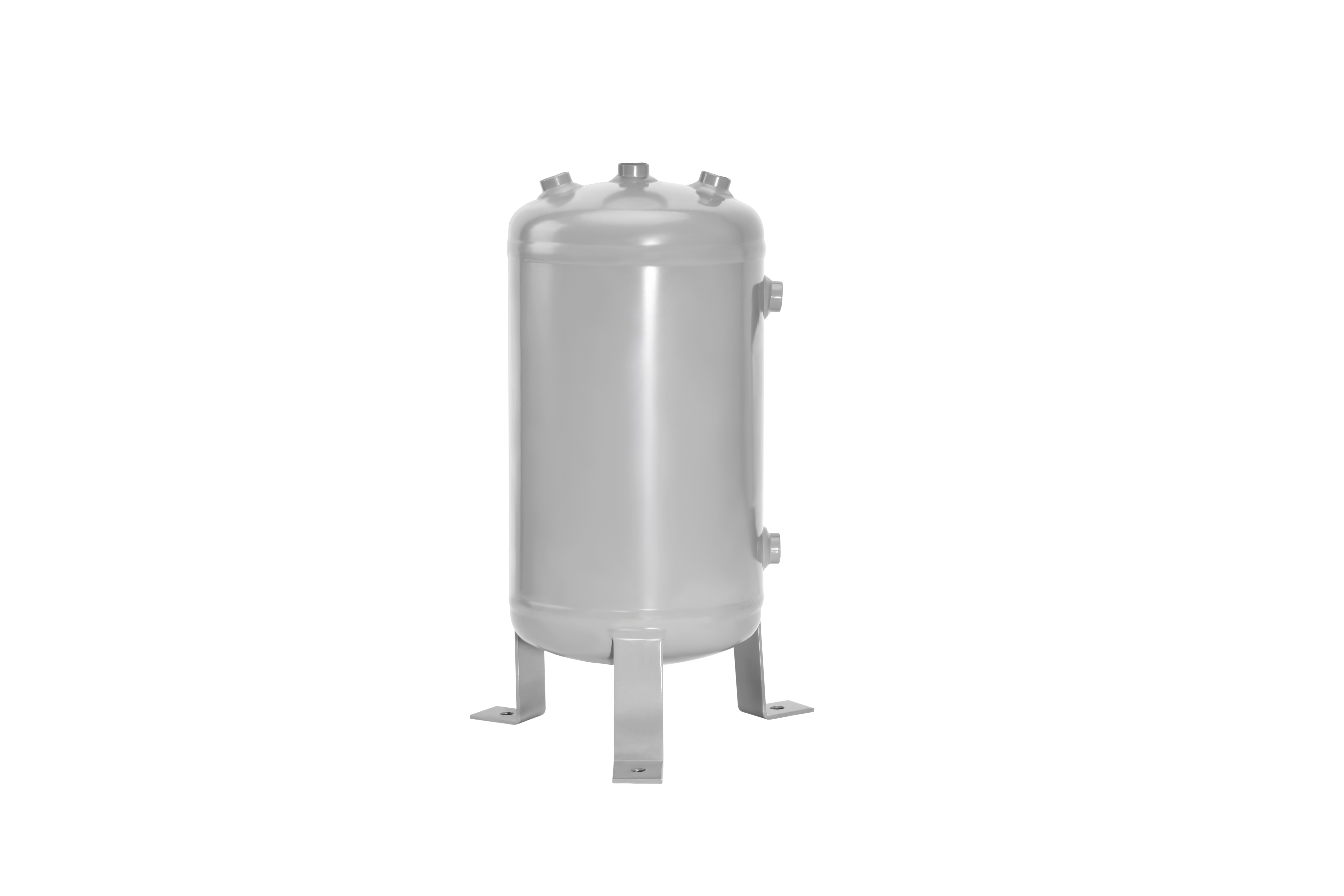
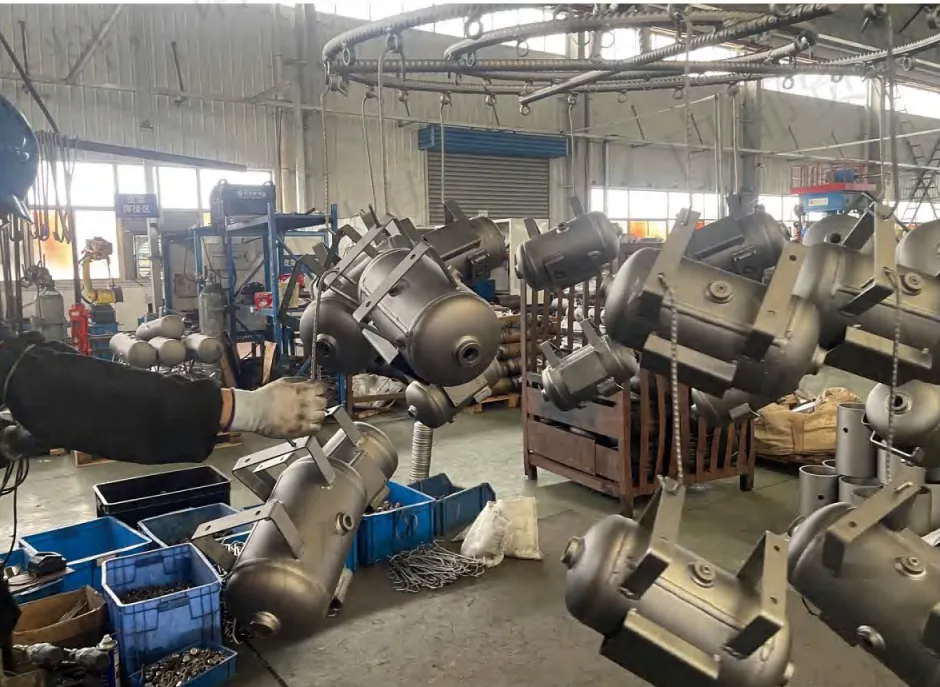
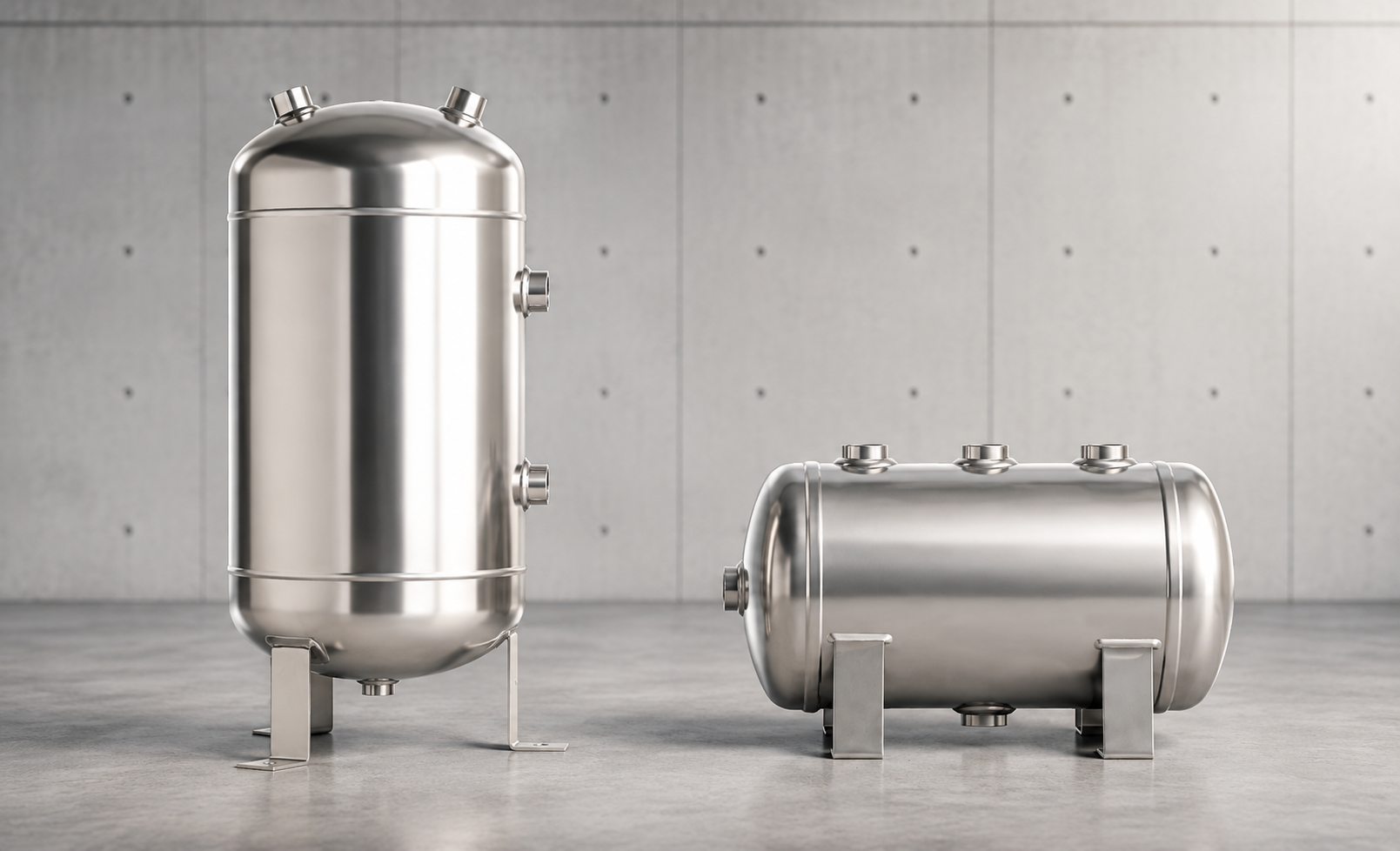
Air receiver tanks are essential for reliable, efficient operation in automated industrial systems
System Pressure Stabilization
Provides a critical buffer to dampen compressor pulsations and pressure fluctuations. This ensures a steady, reliable air supply to sensitive pneumatic actuators, robotic grippers, and control valves, preventing operational hiccups and maintaining precise, repeatable motion in automated machinery.
Handling Peak Demand Surges
Stores compressed air to act as a reservoir during simultaneous or high-speed actuator movements. This meets sudden peak demands in automated cycles—like multiple cylinders firing at once—without causing system-wide pressure drops that could stall production lines or cause sequencing errors.
Condensate and Contaminant Removal
Allows compressed air to cool inside the tank, causing moisture and oil vapors to condense and drop out. This primary separation protects downstream precision pneumatic components, filters, and dryers, ensuring clean, dry air essential for the reliable operation of automated control systems.
Emergency Power and Safety
Serves as a backup power source for pneumatic control systems. During a compressor outage or electrical failure, the stored air can provide energy to execute a controlled shutdown sequence, return actuators to a safe position, or maintain critical holding functions, preventing damage.
Energy Efficiency and Load Management
Reduces compressor cycling by allowing the compressor to shut off during low-demand periods while the tank supplies air. This "load-unload" cycling cuts significant energy costs, minimizes wear on the compressor, and contributes to a more stable and efficient automated plant utility system.