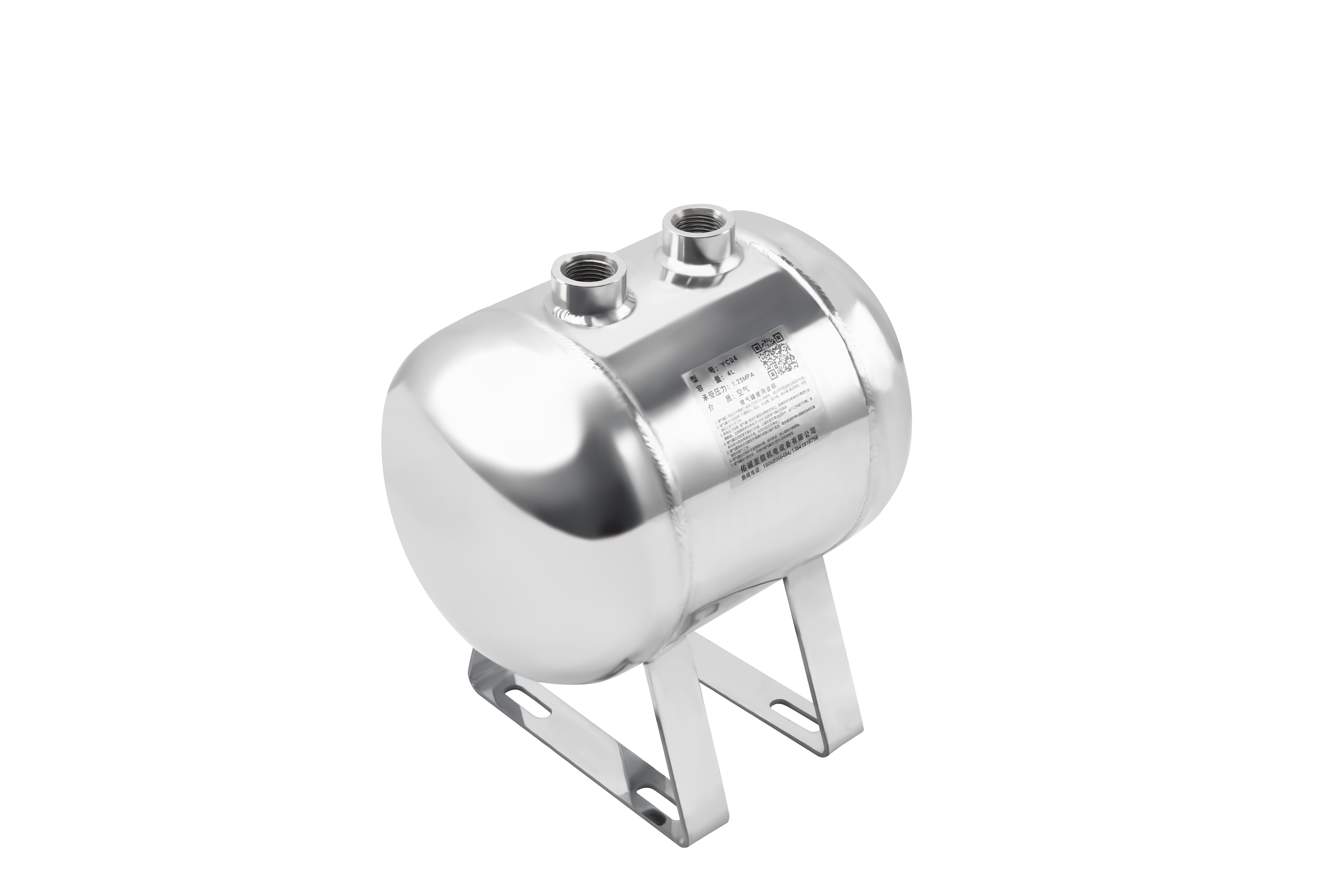
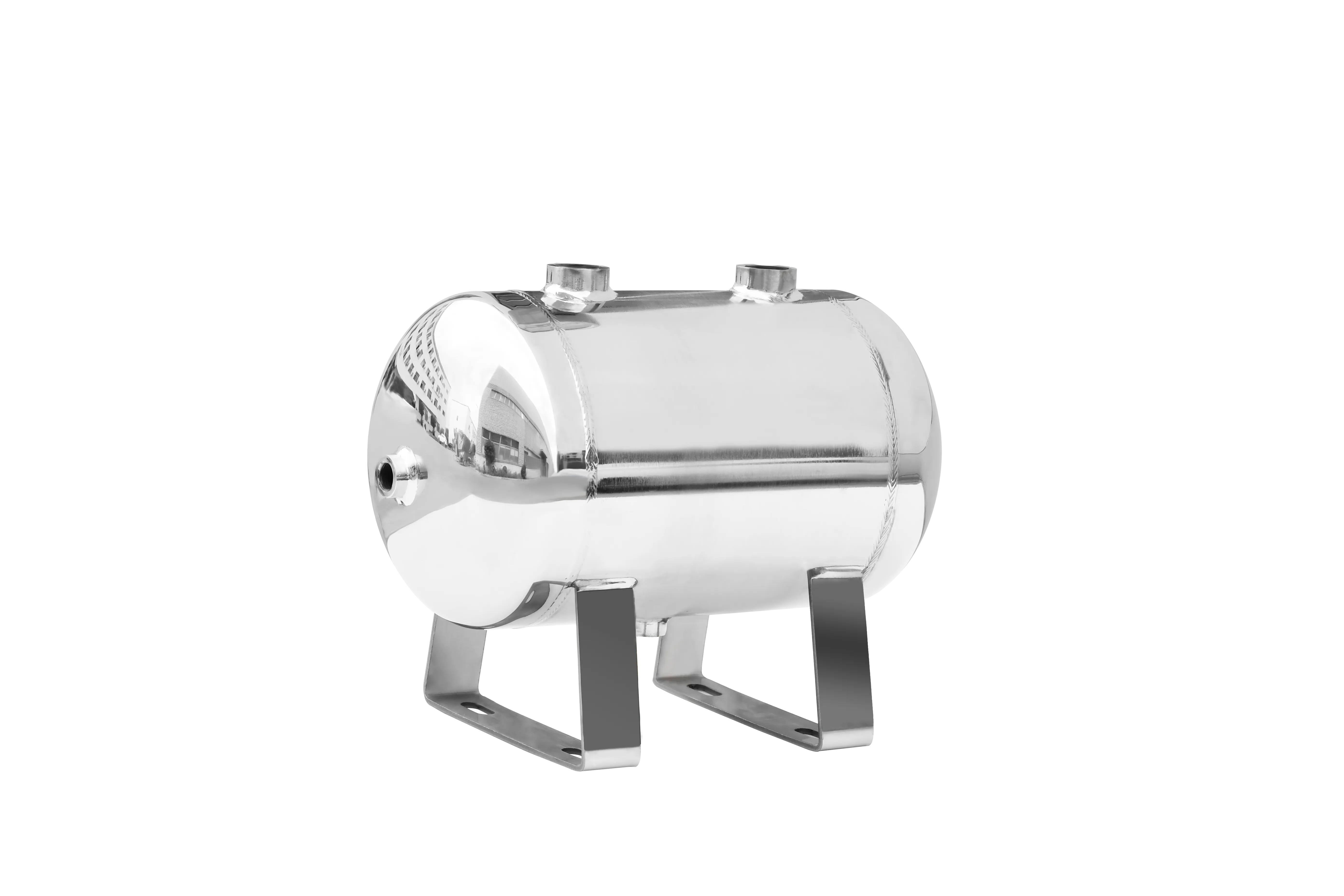
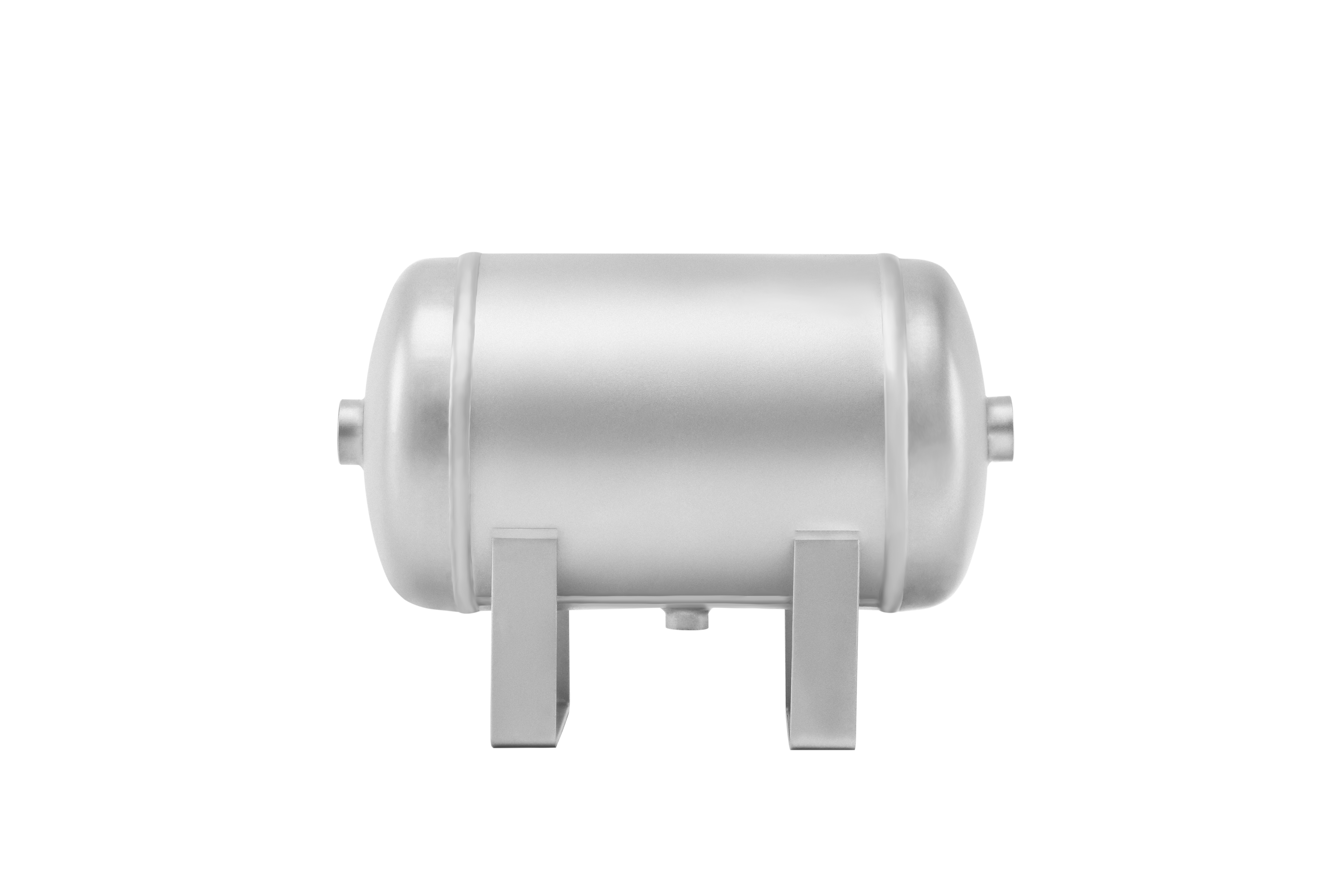
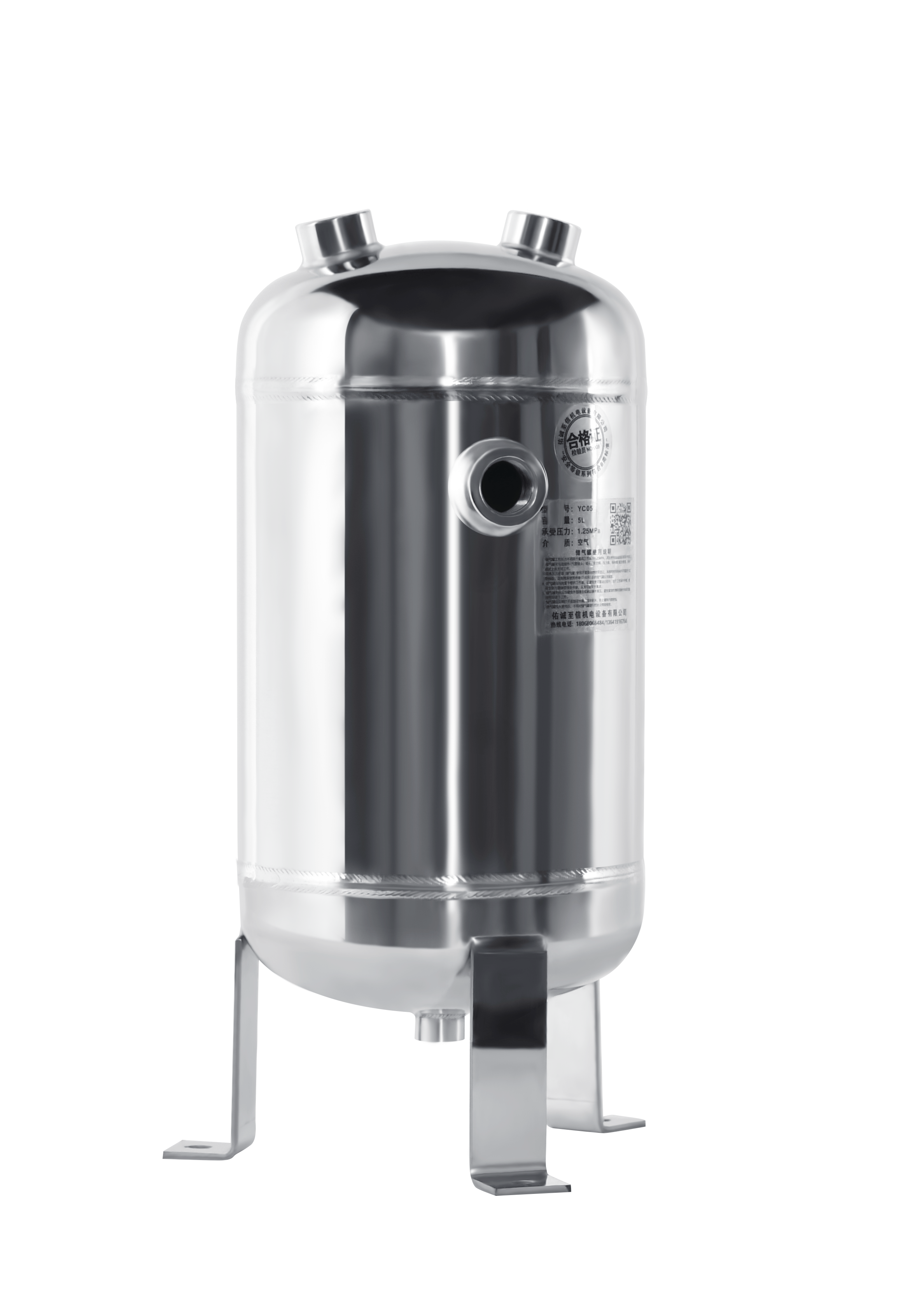
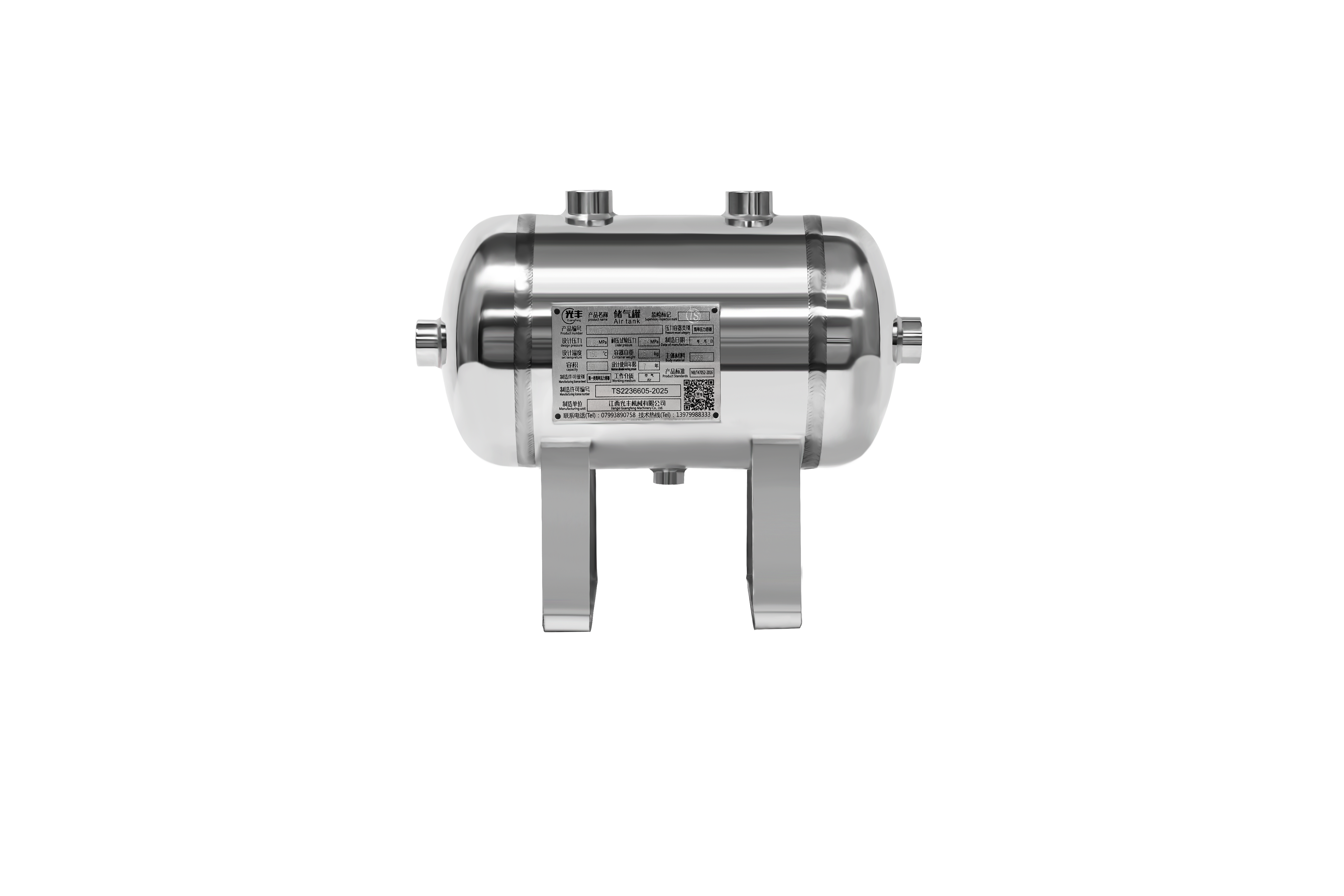
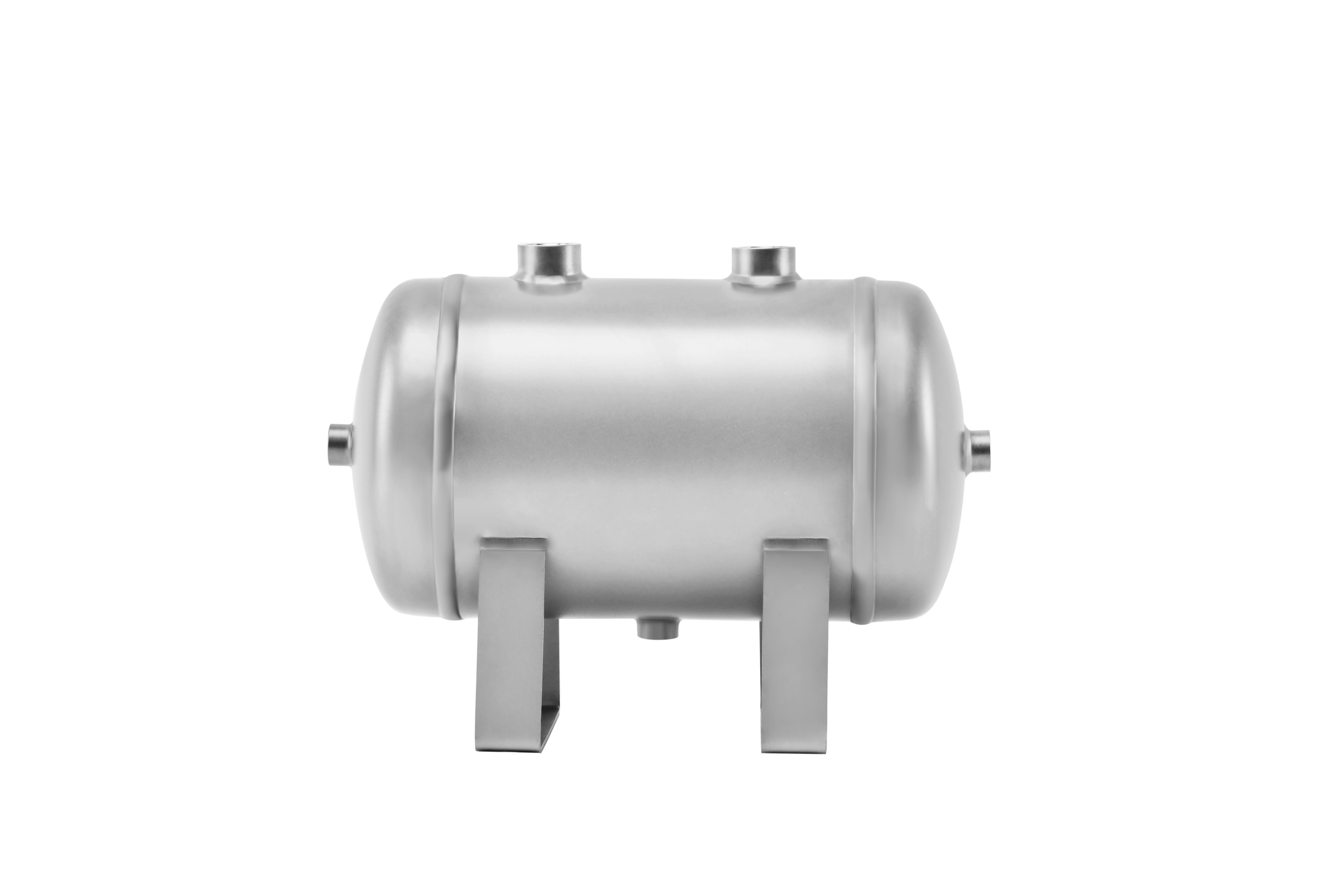
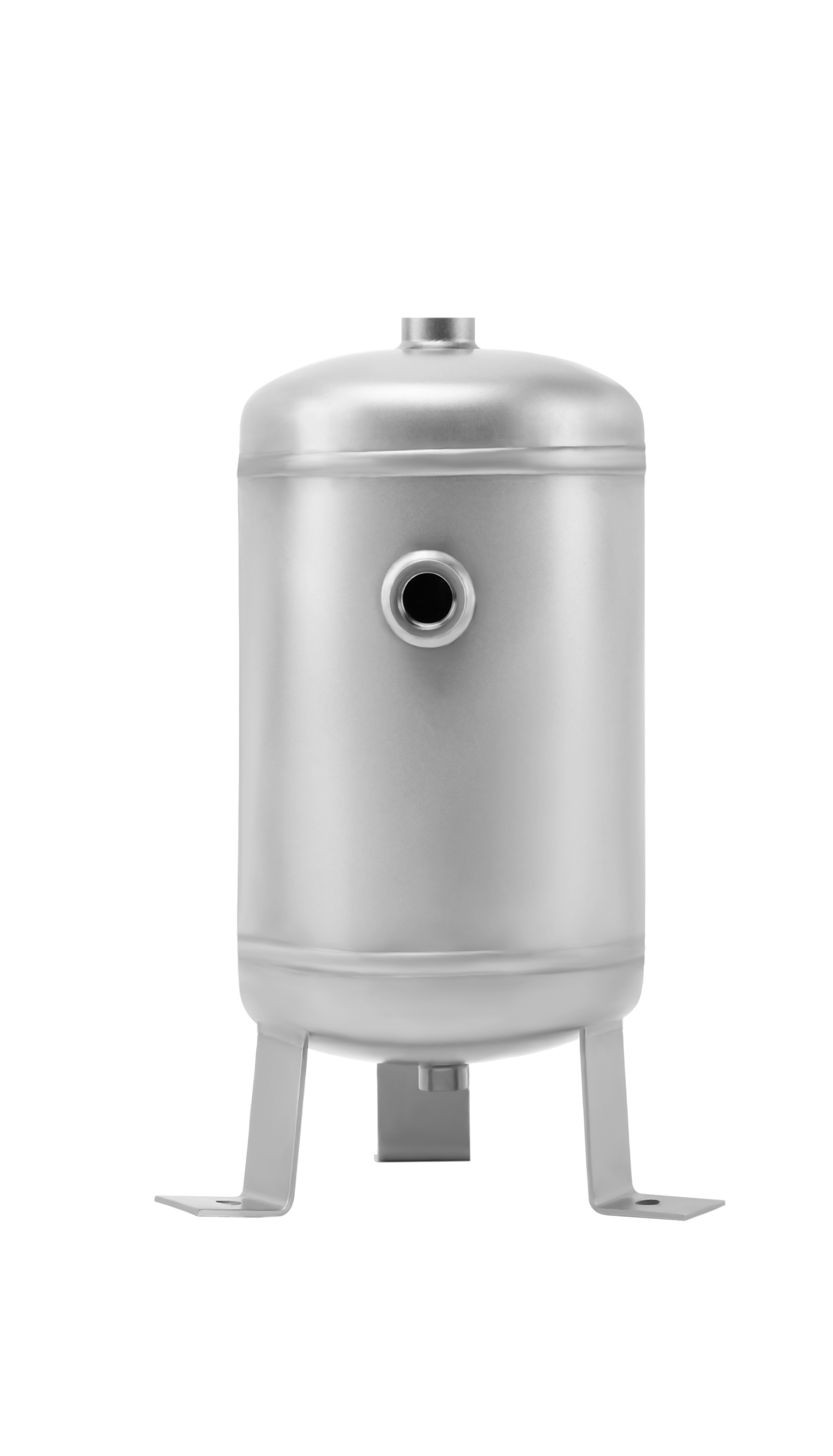
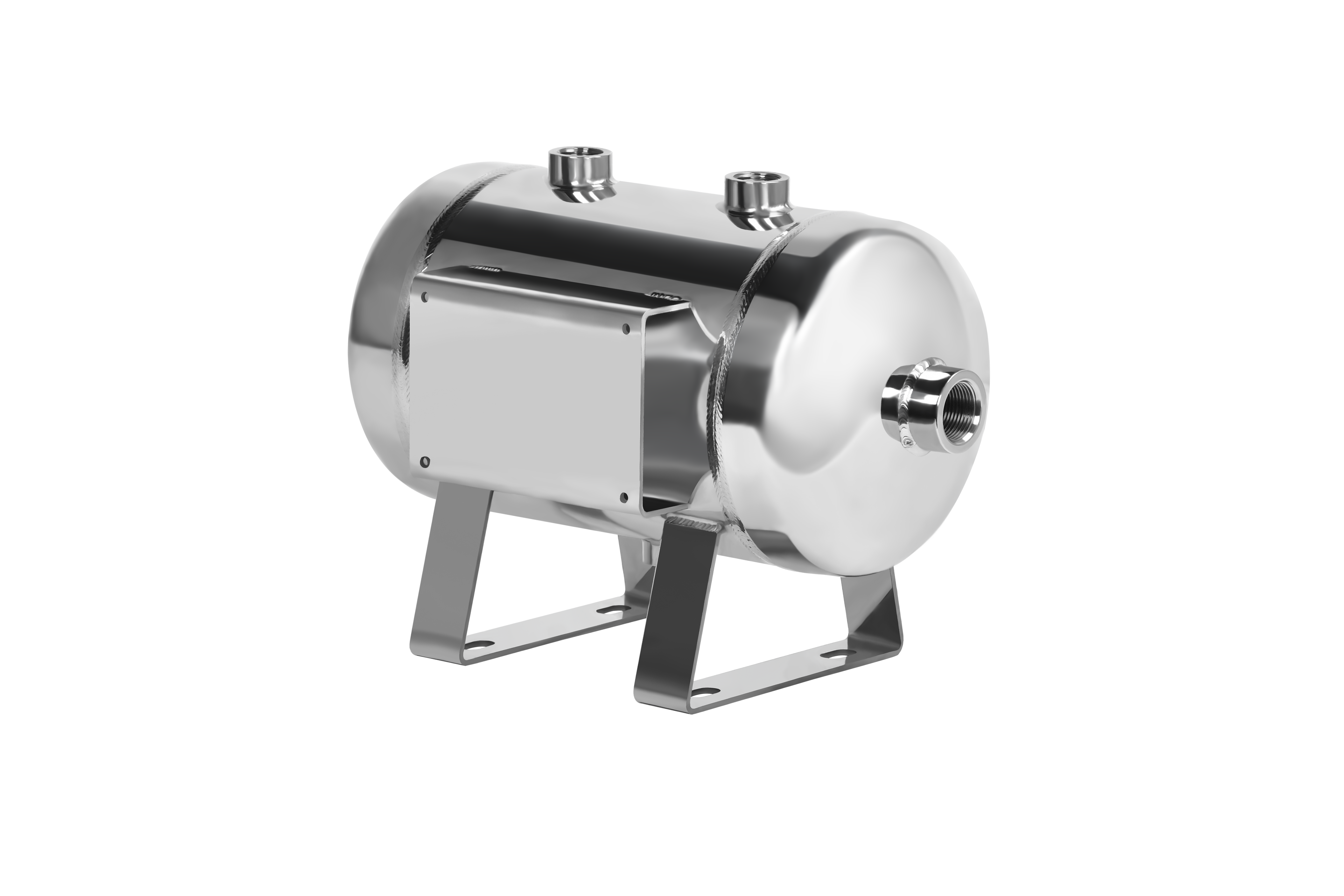
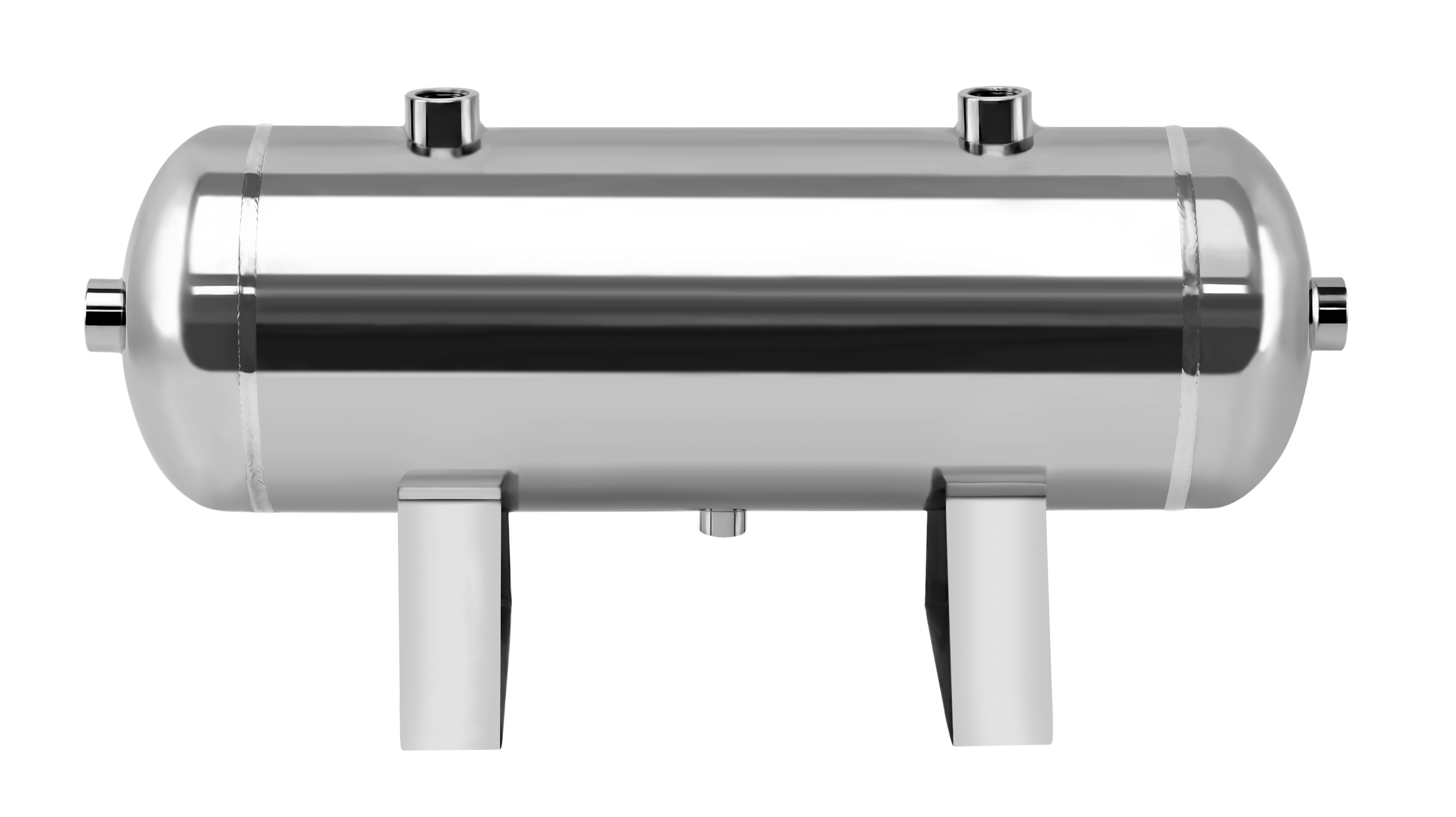
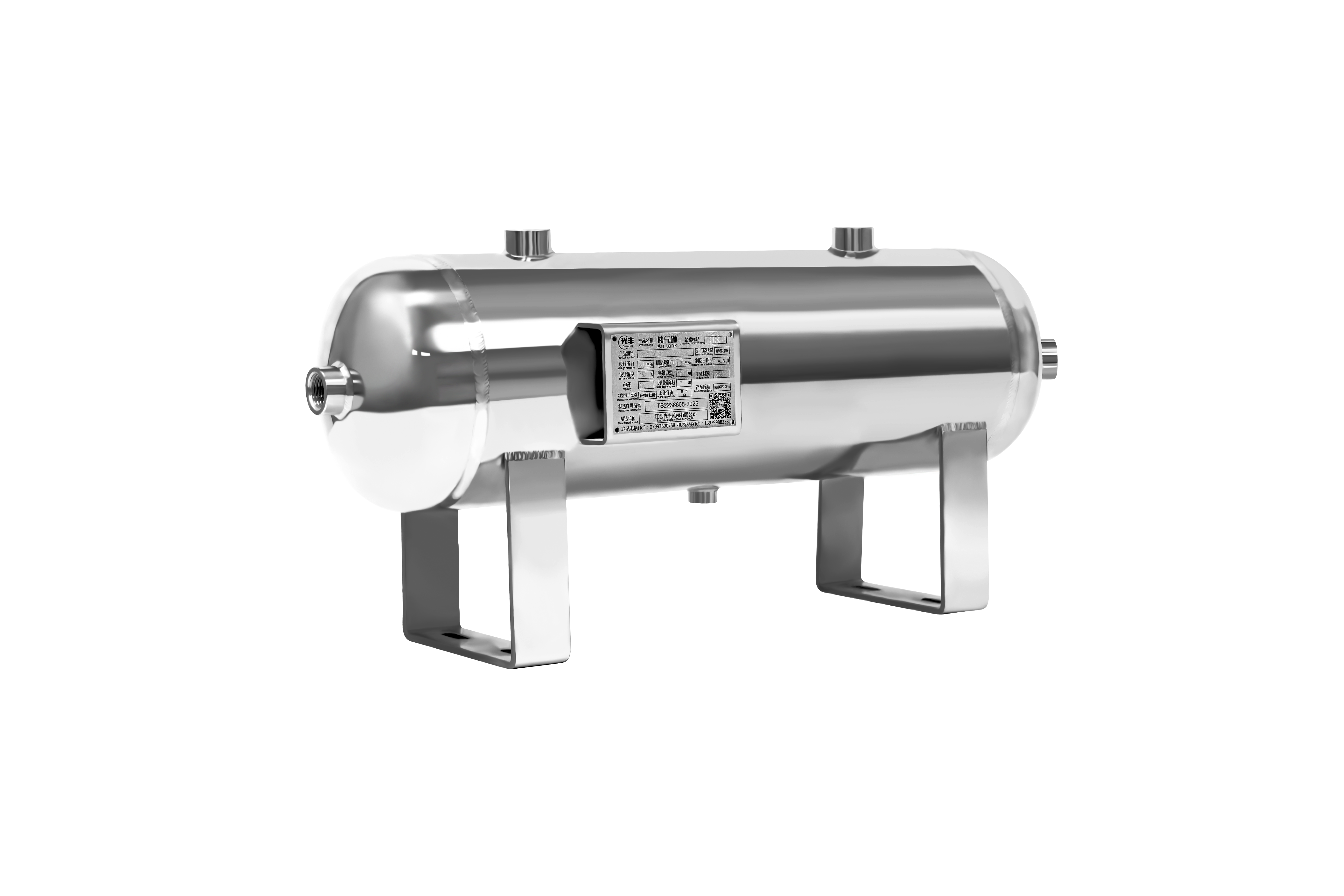
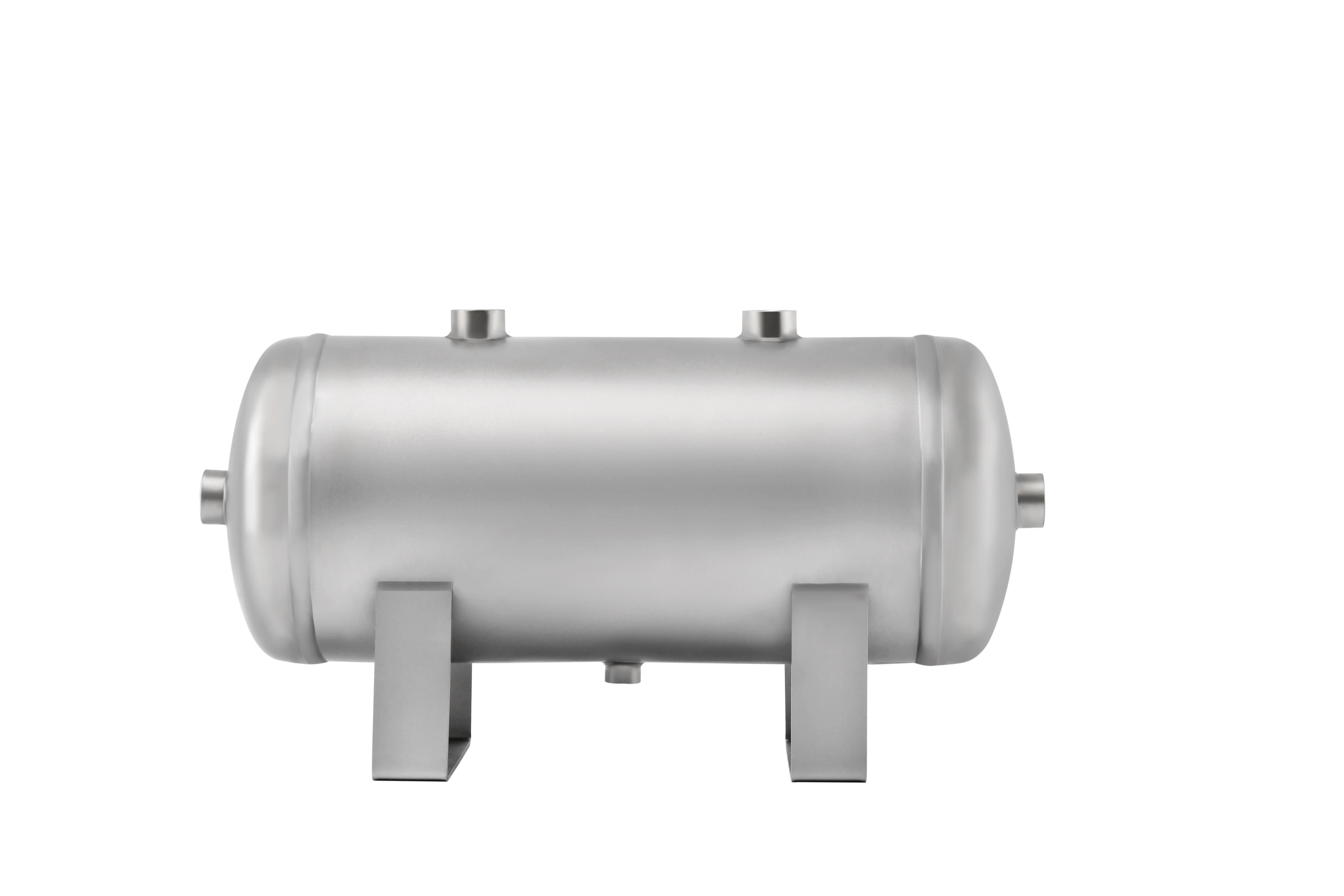
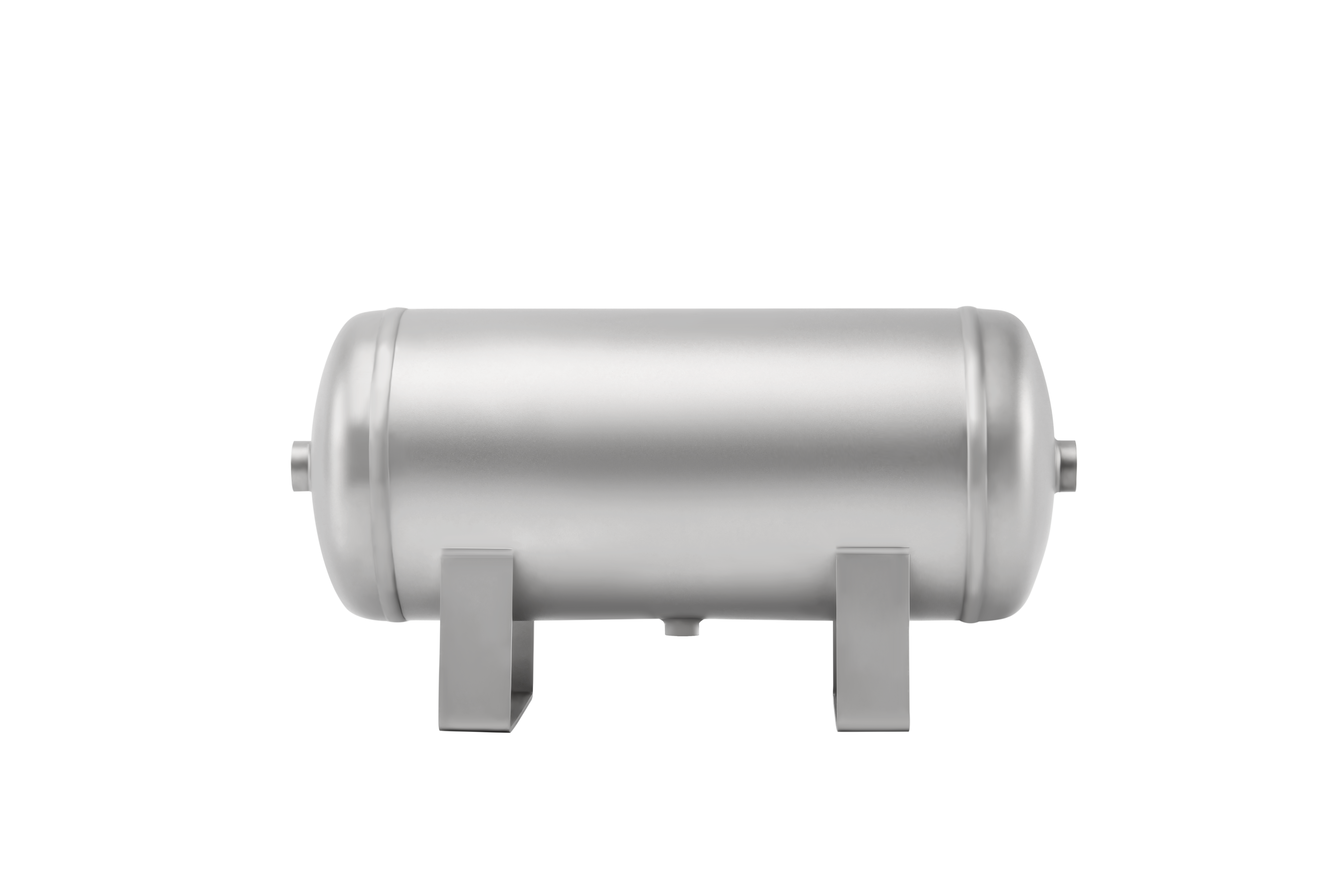
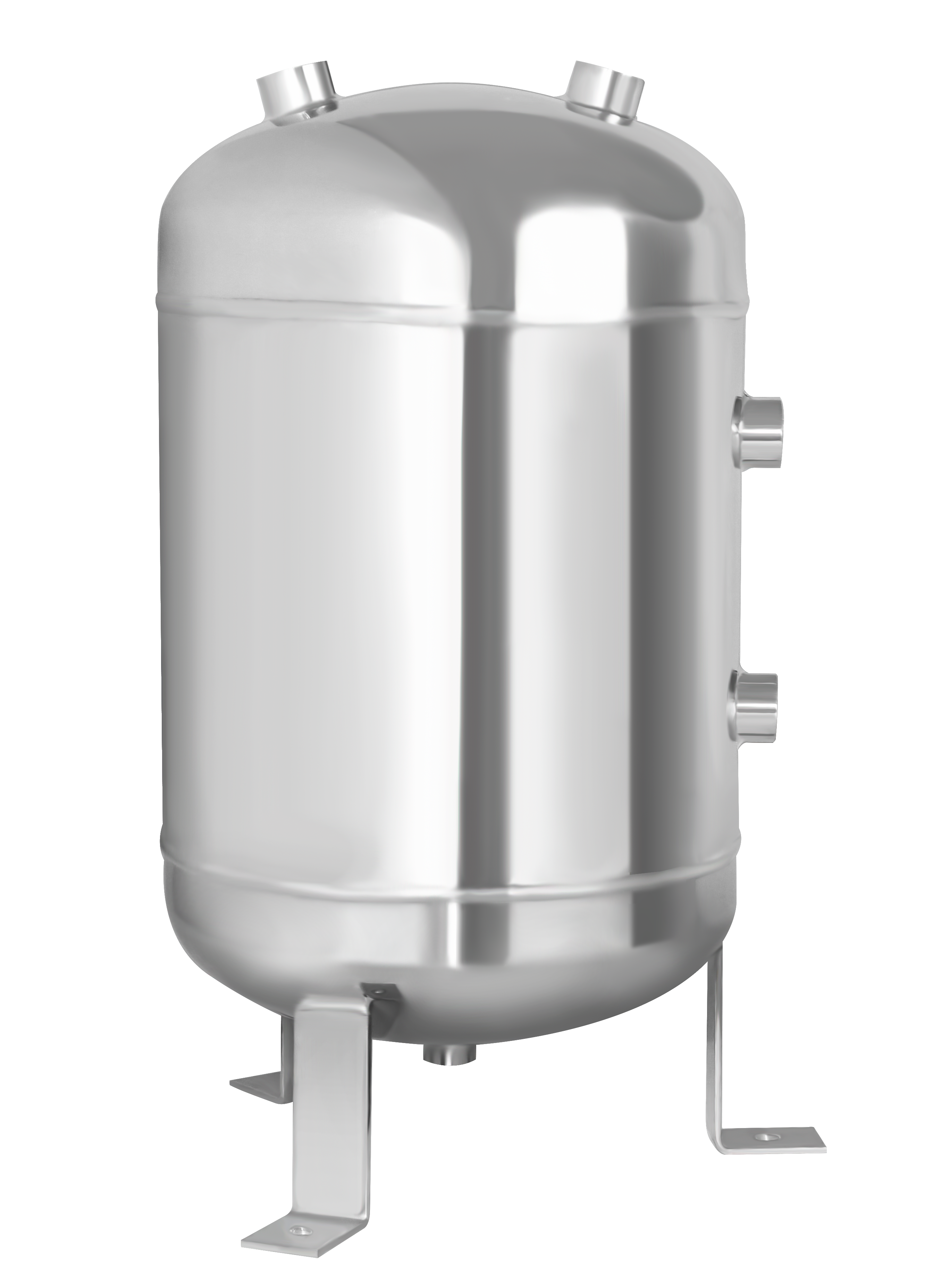
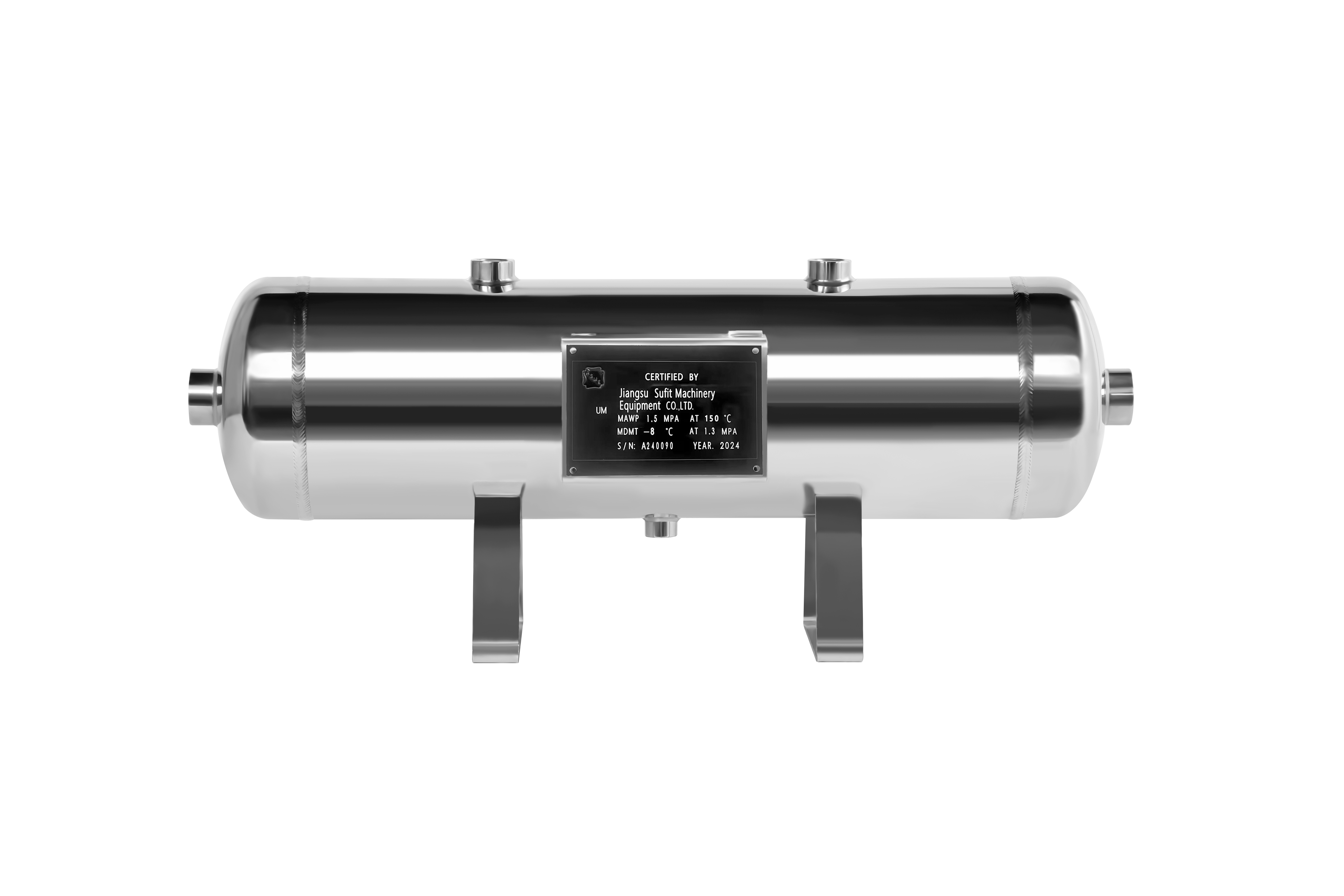
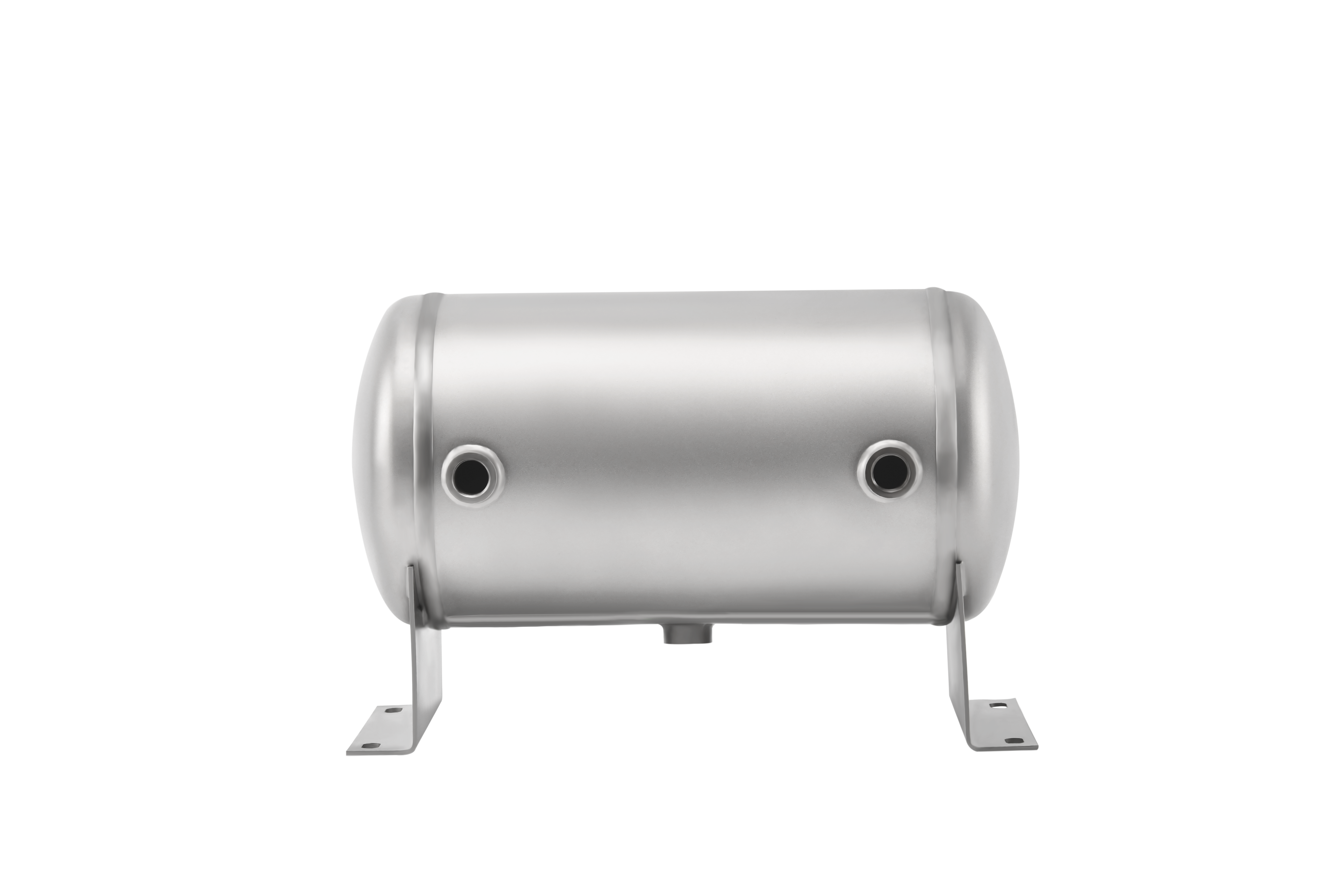
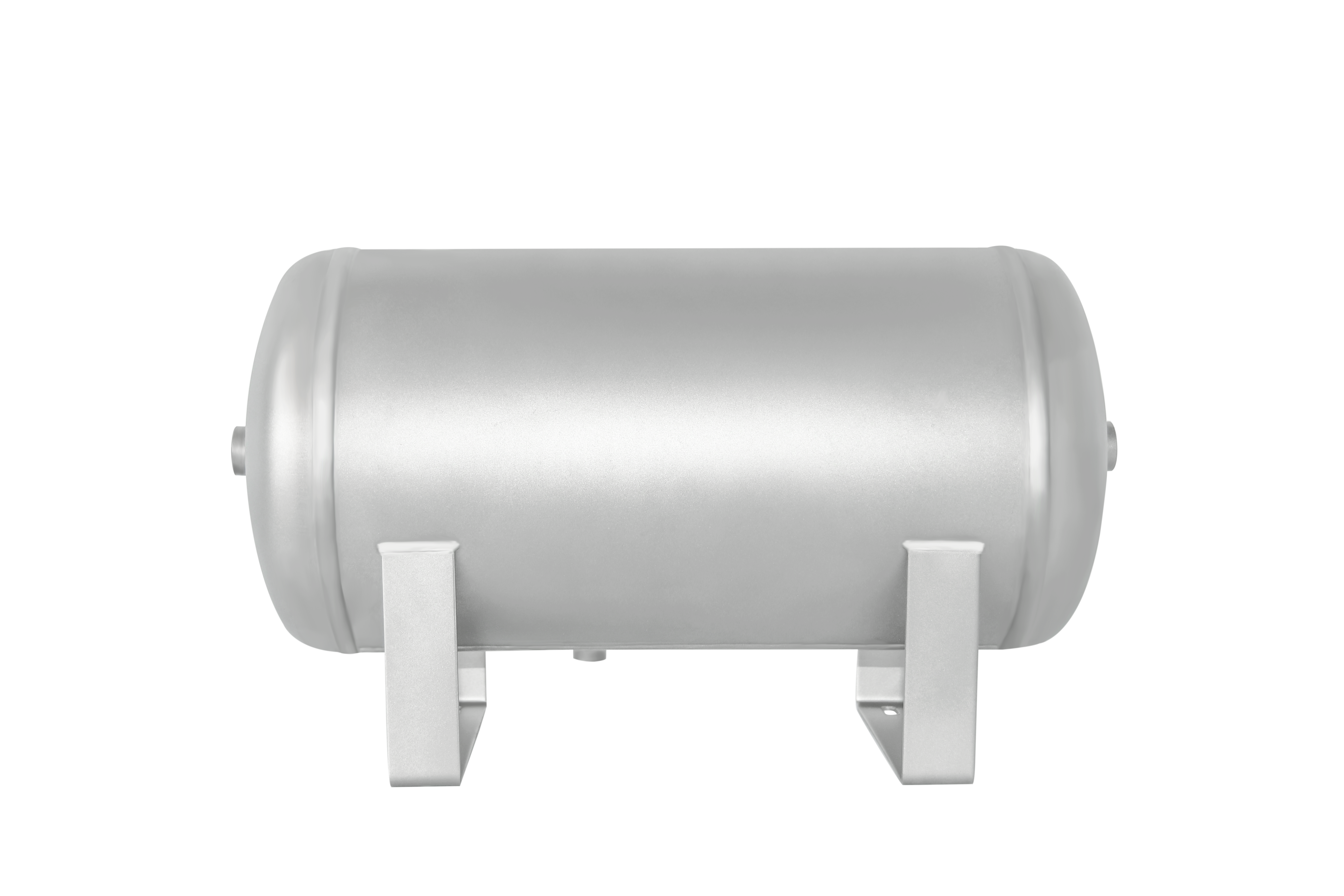
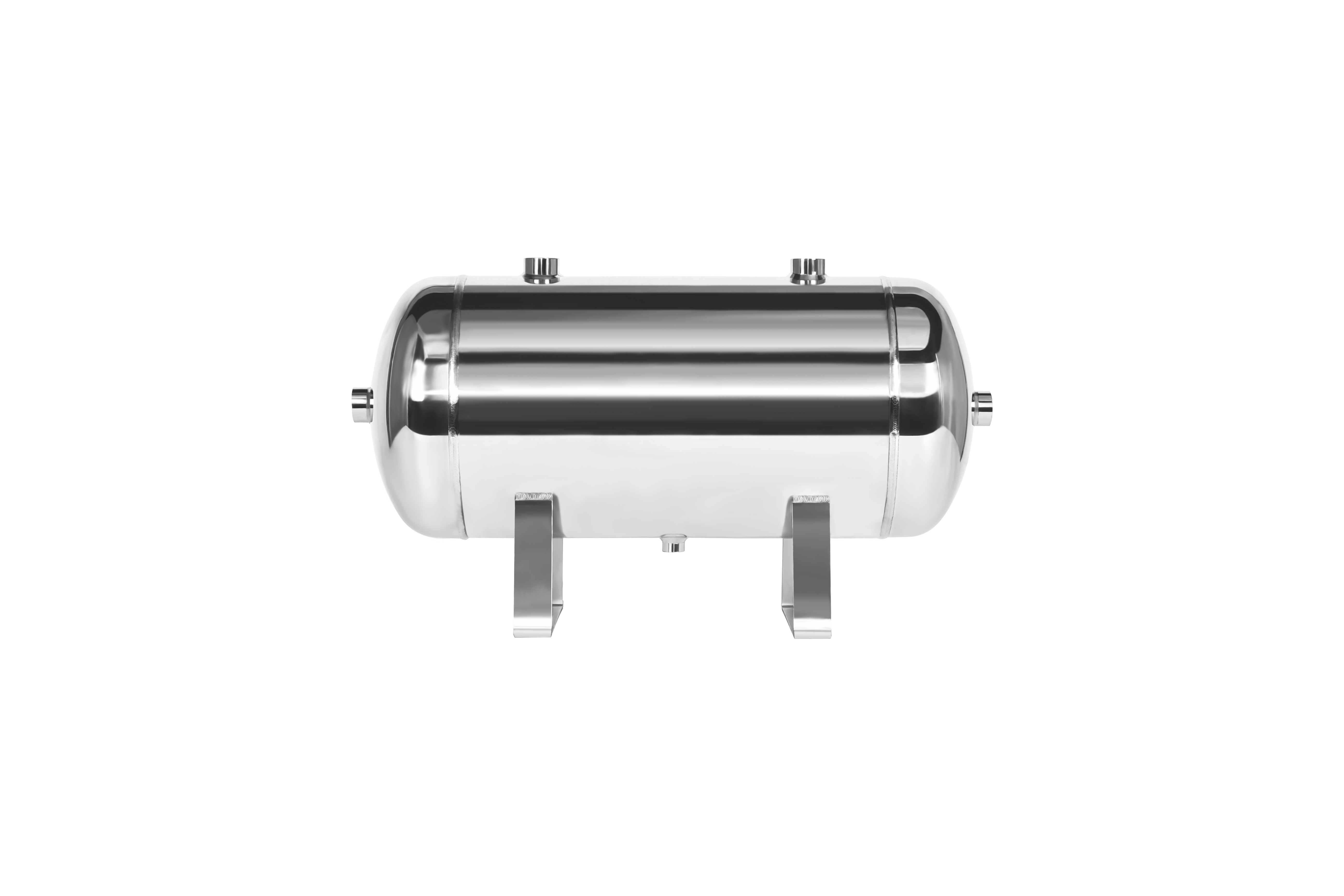
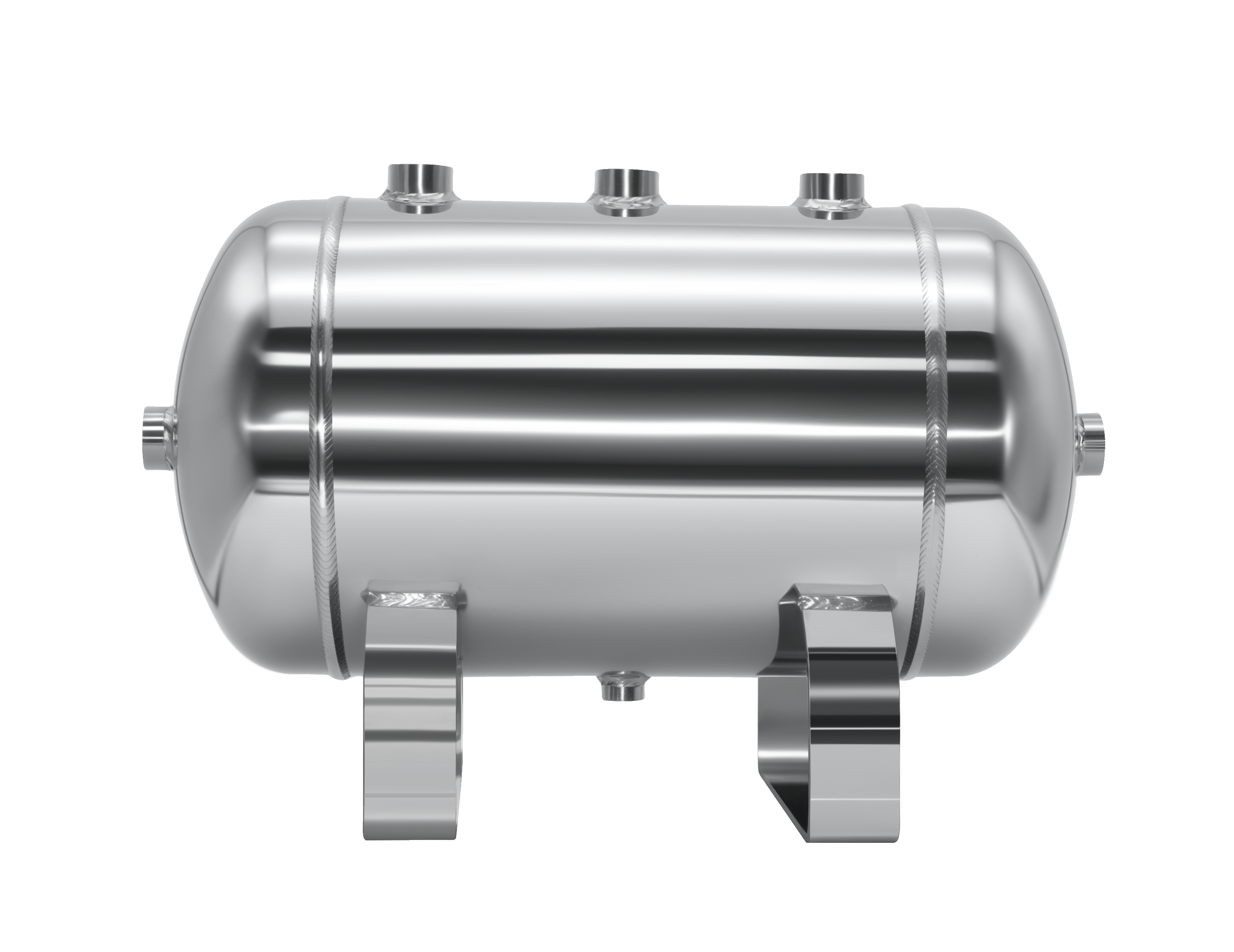
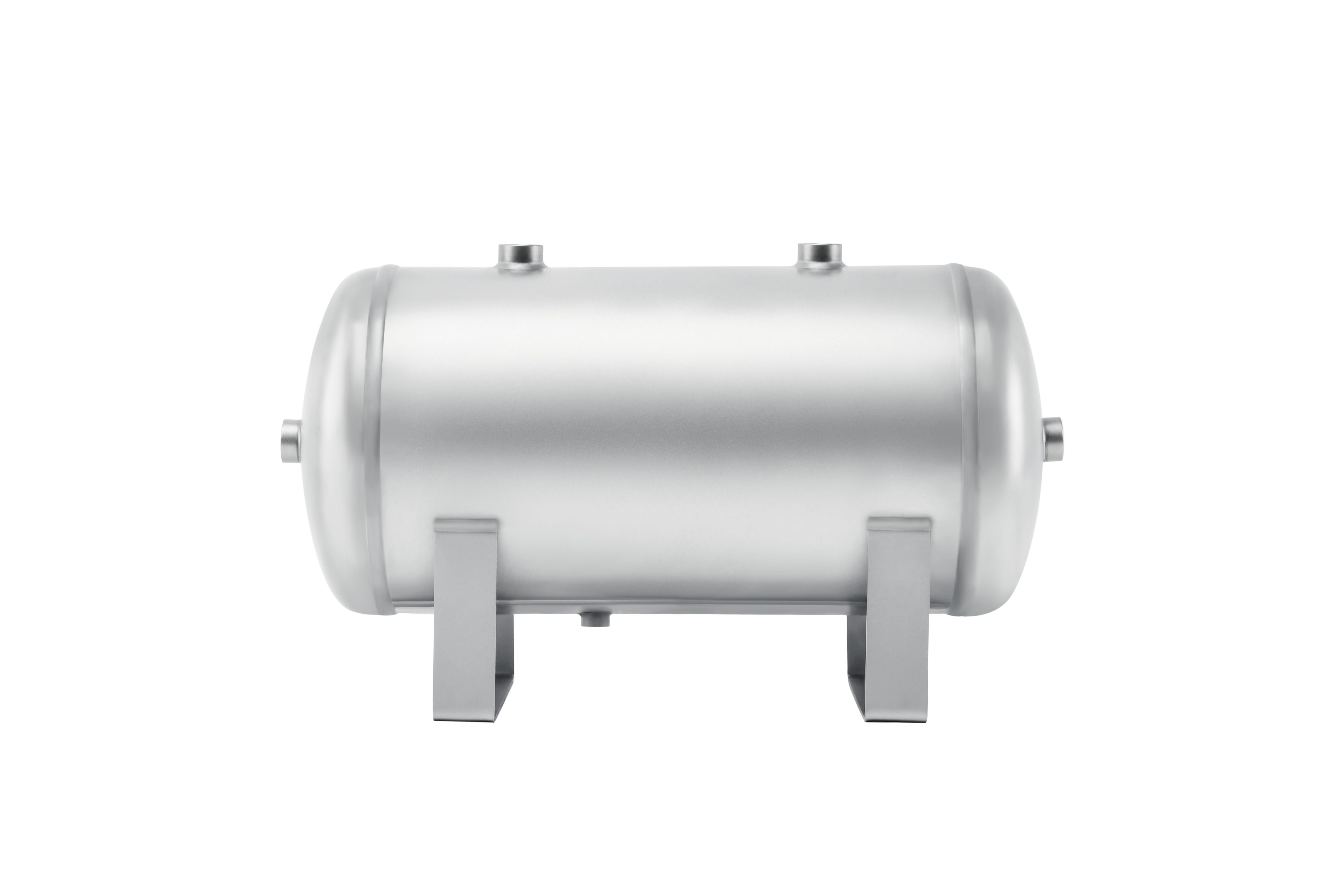
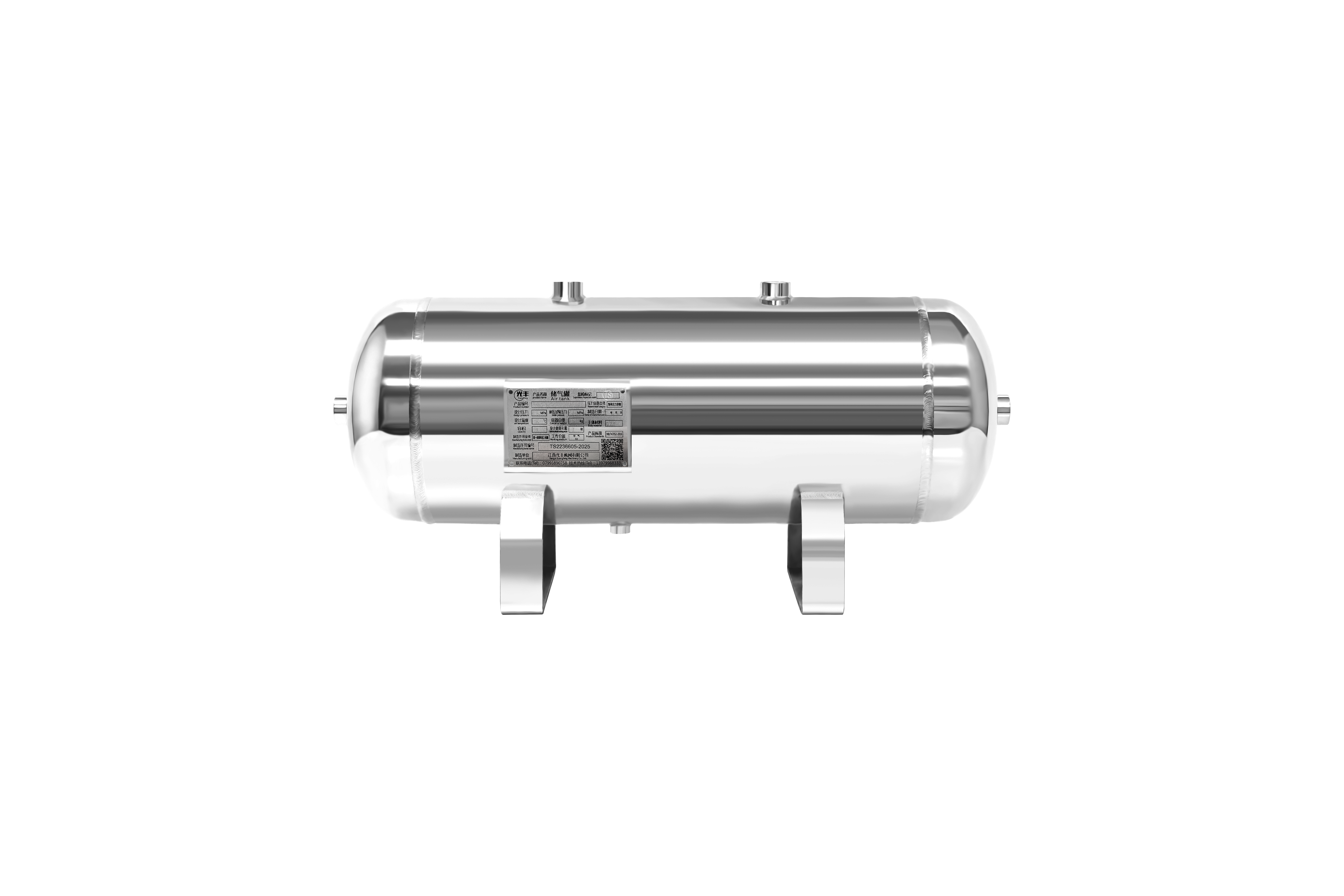
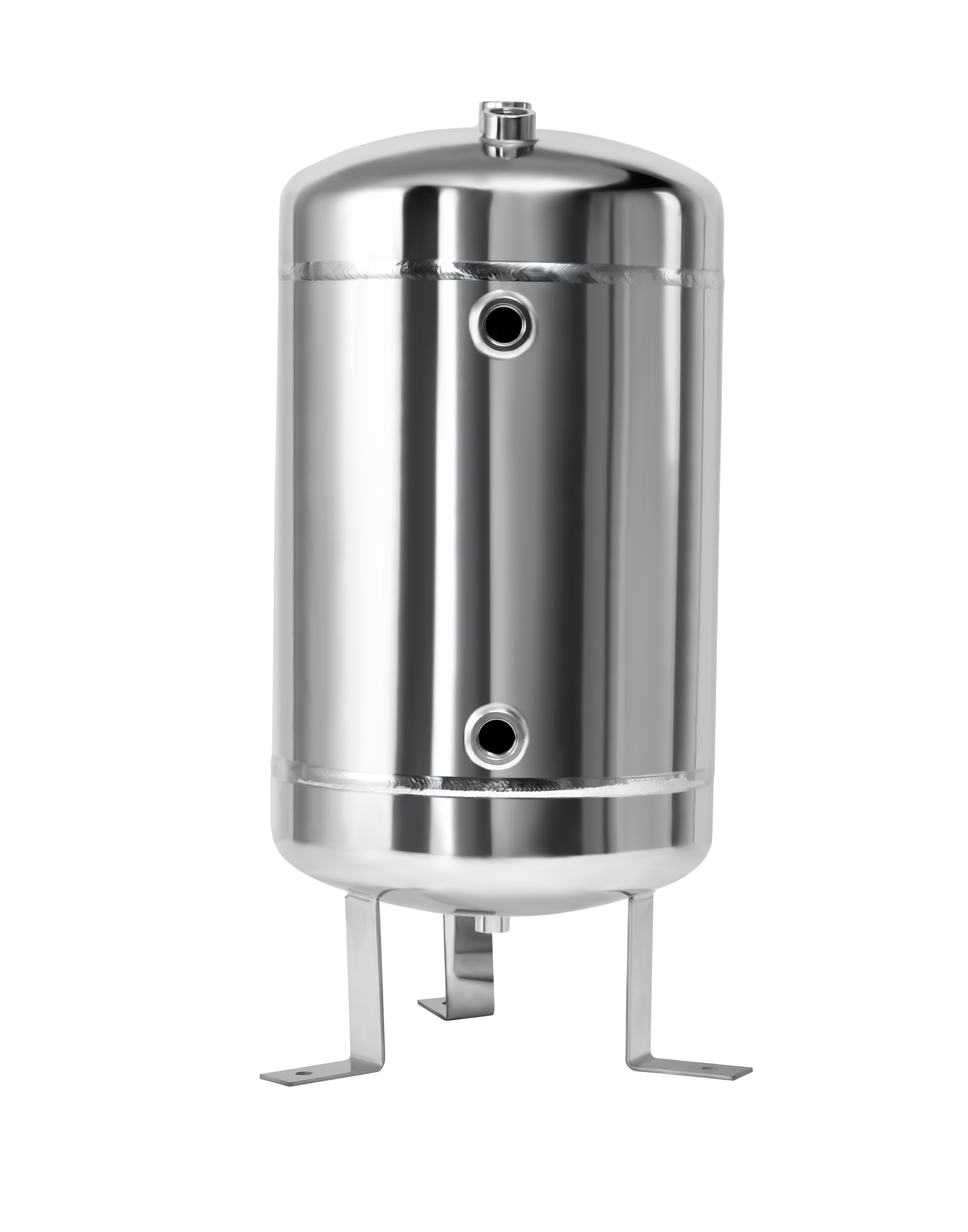
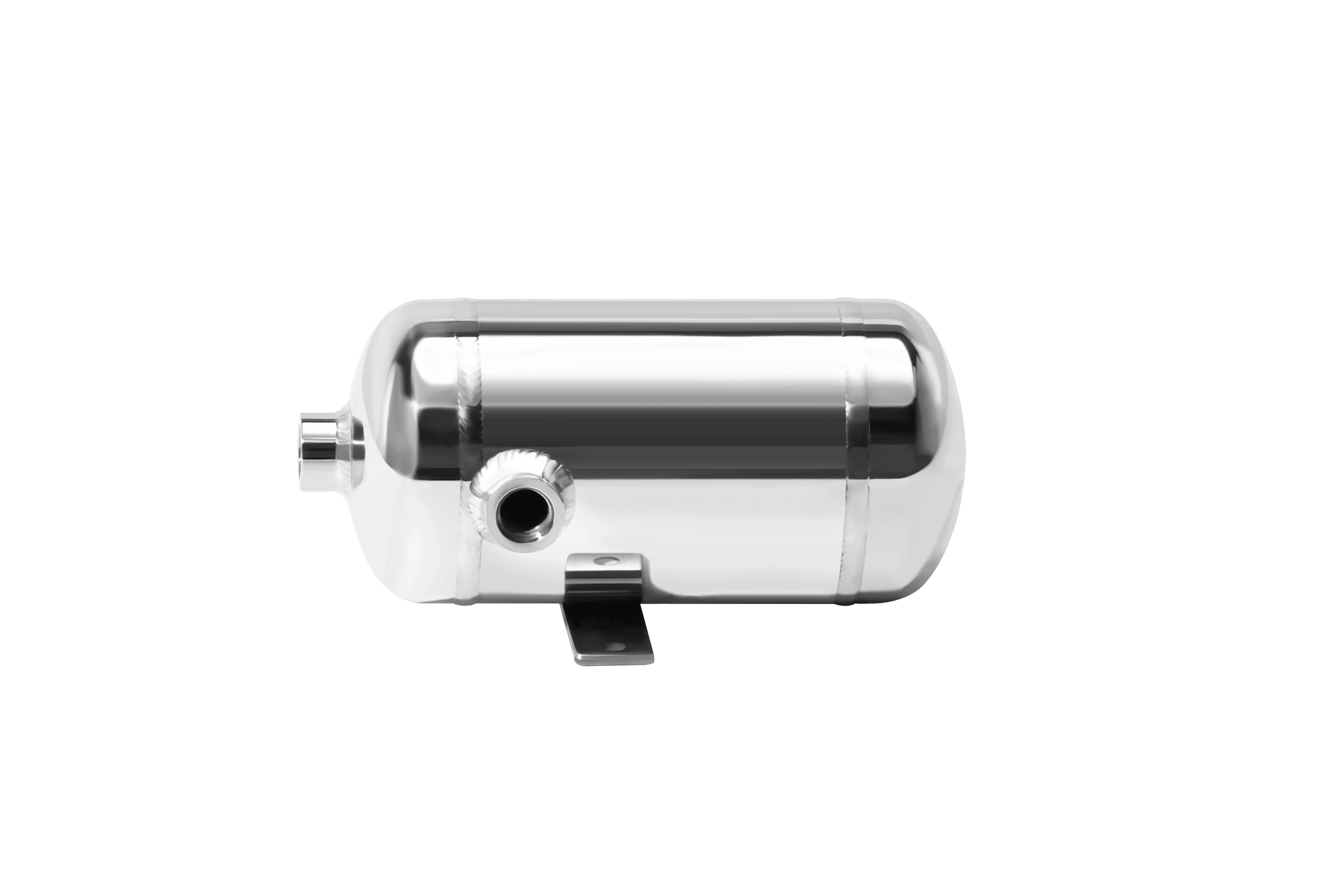
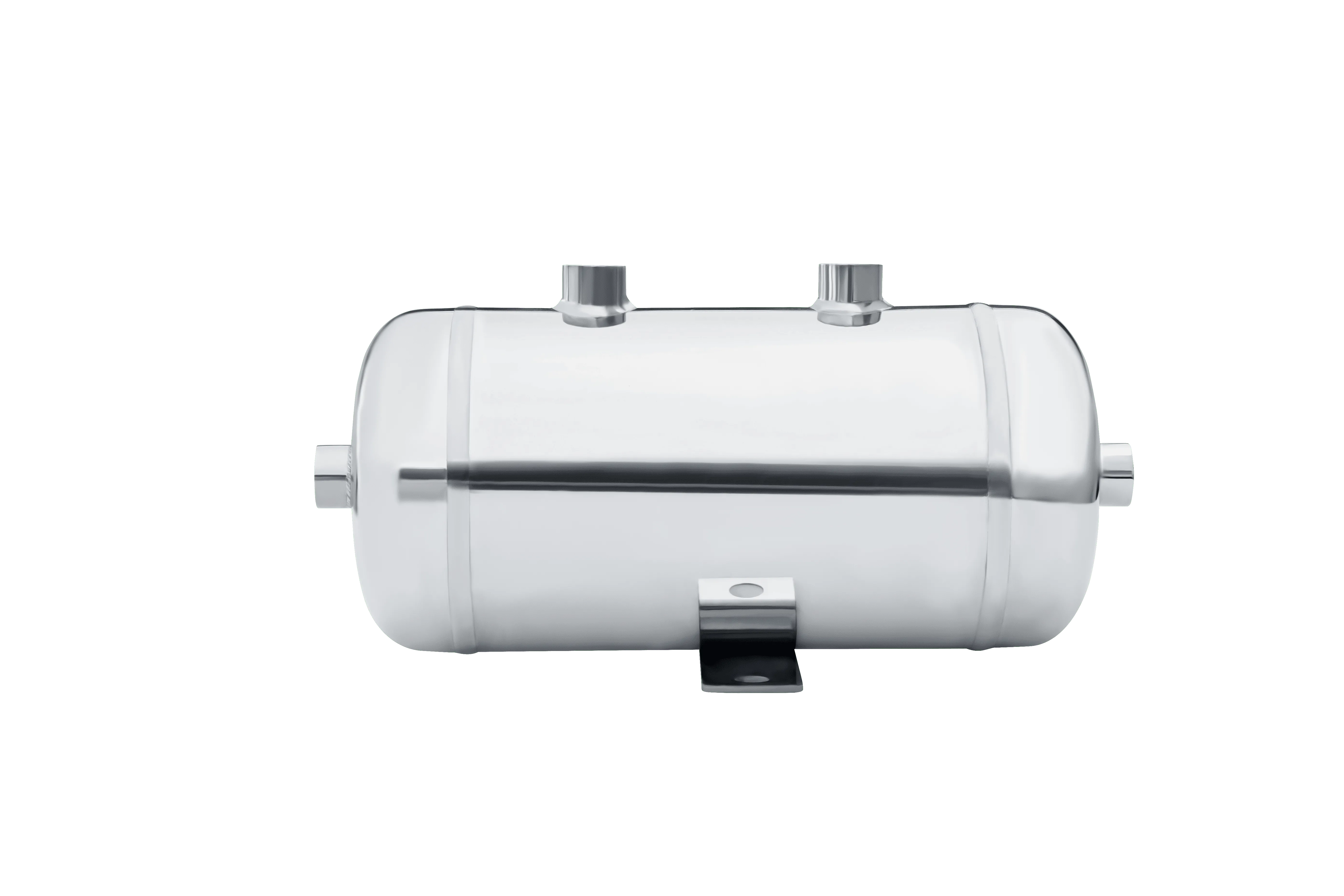
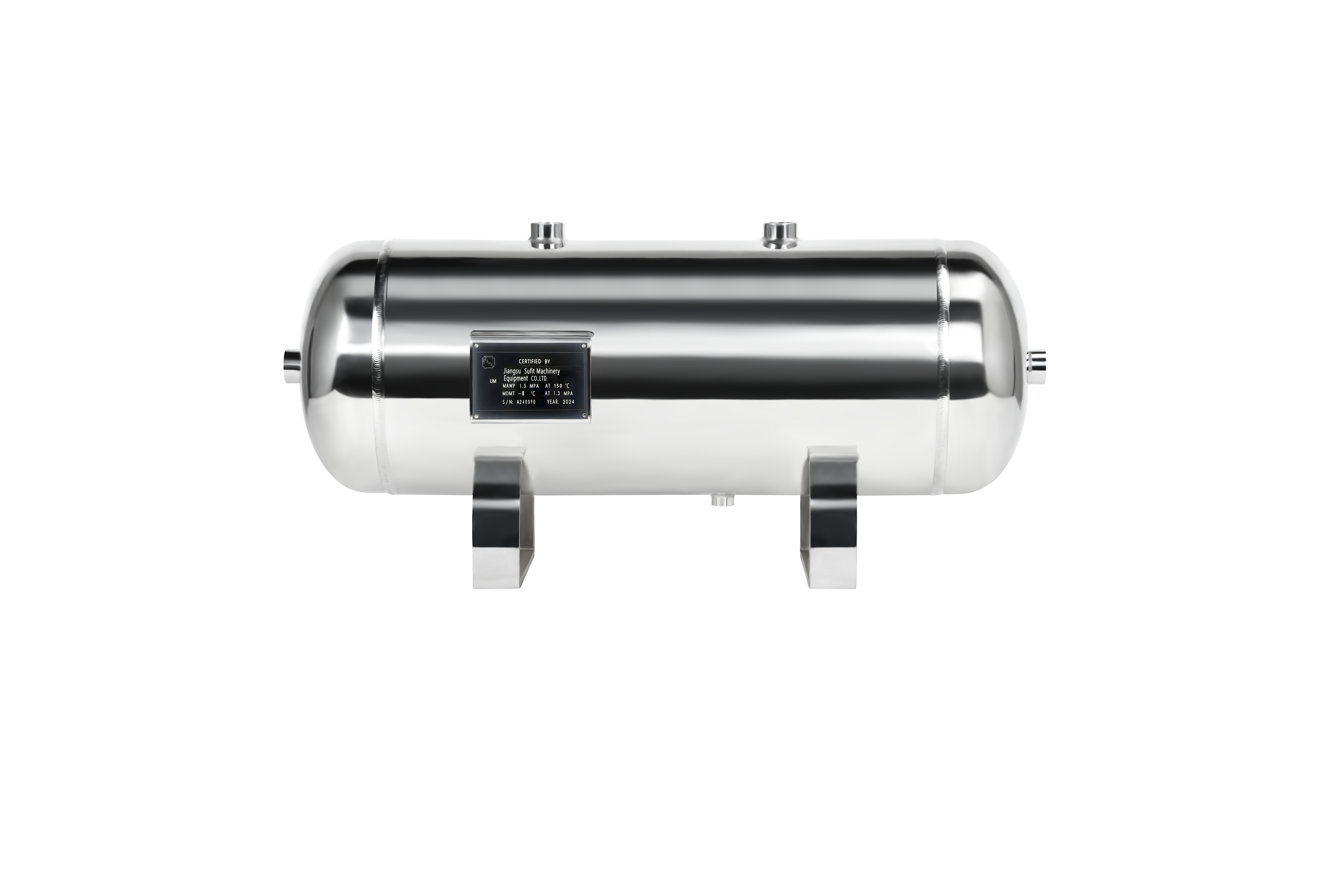
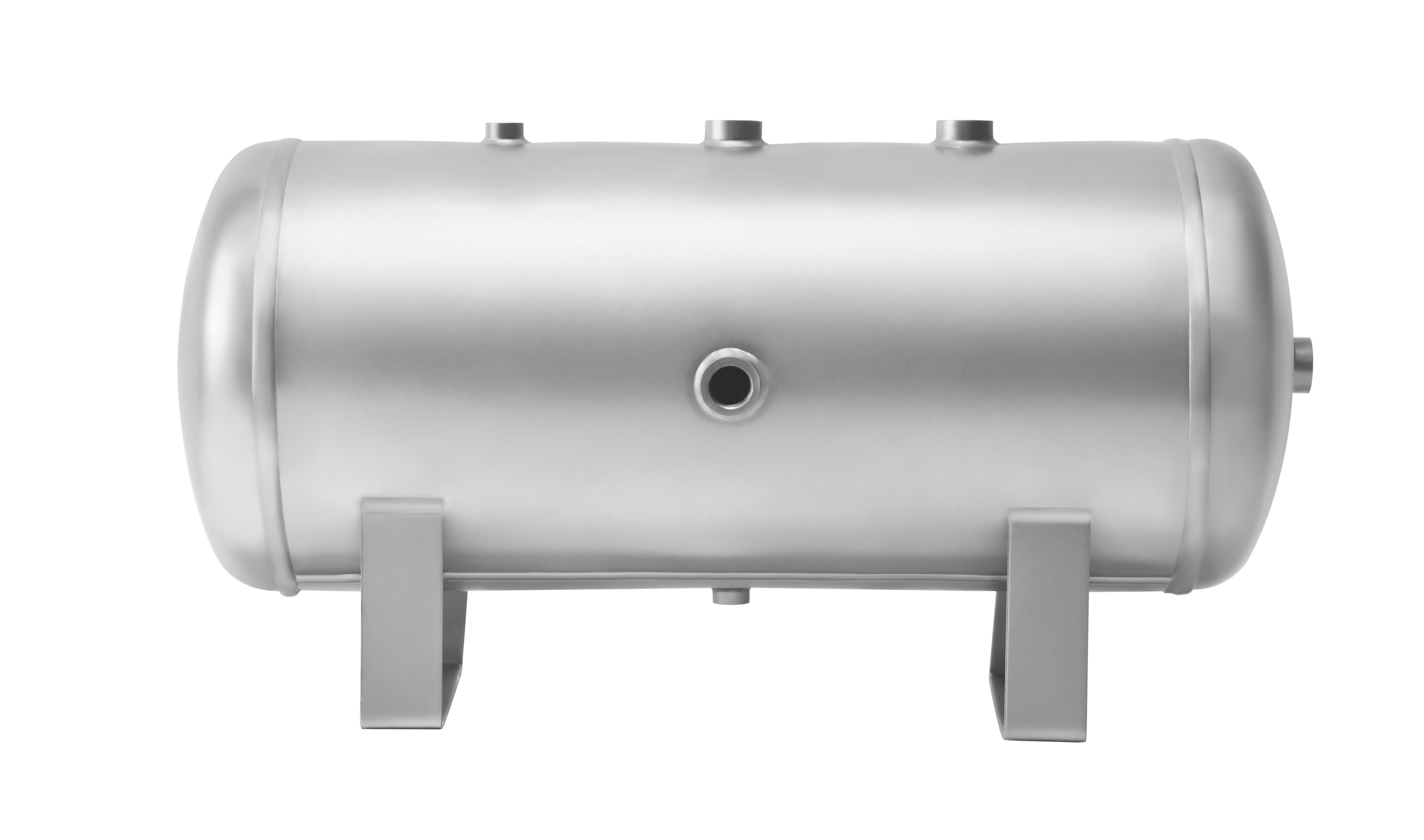
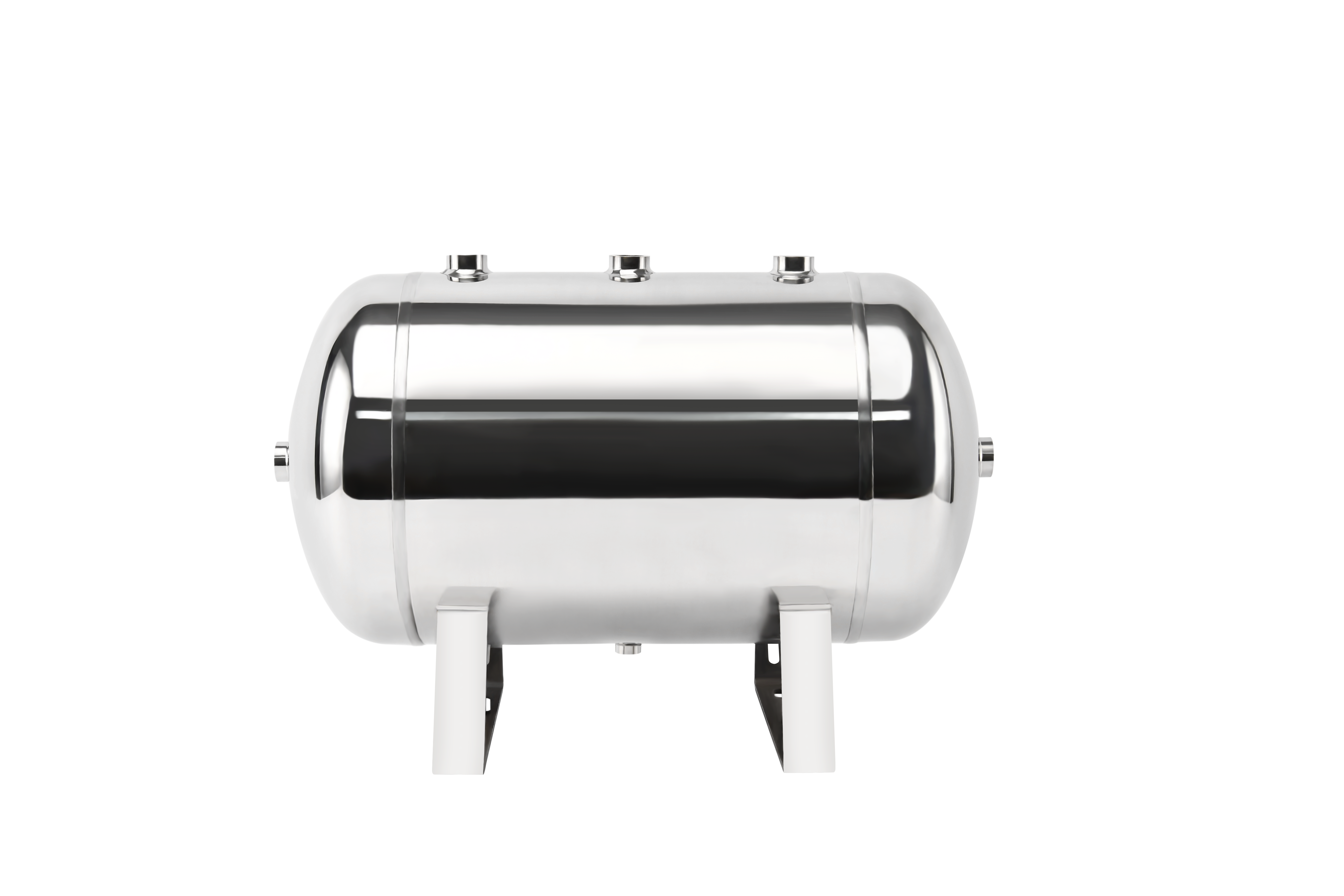
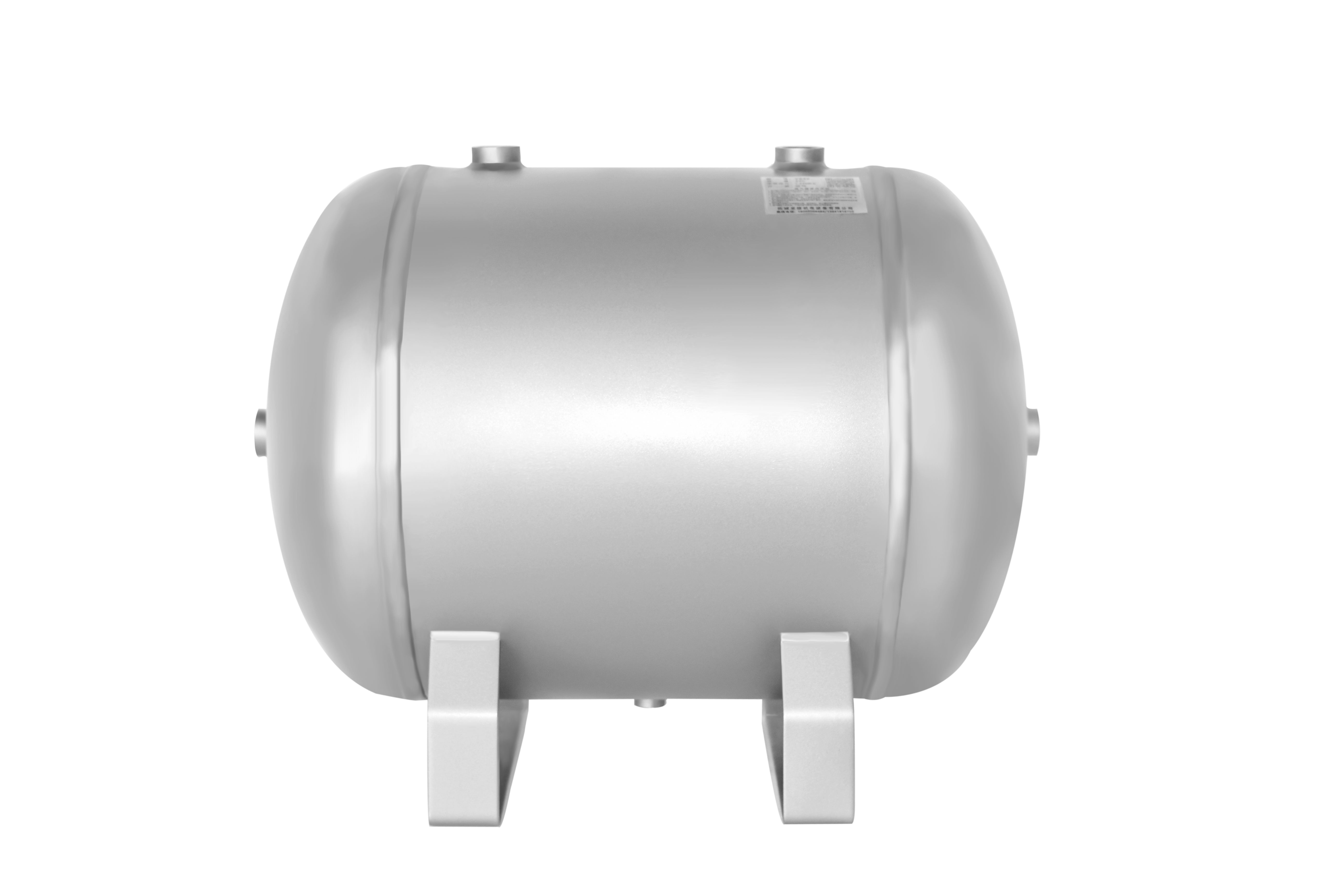
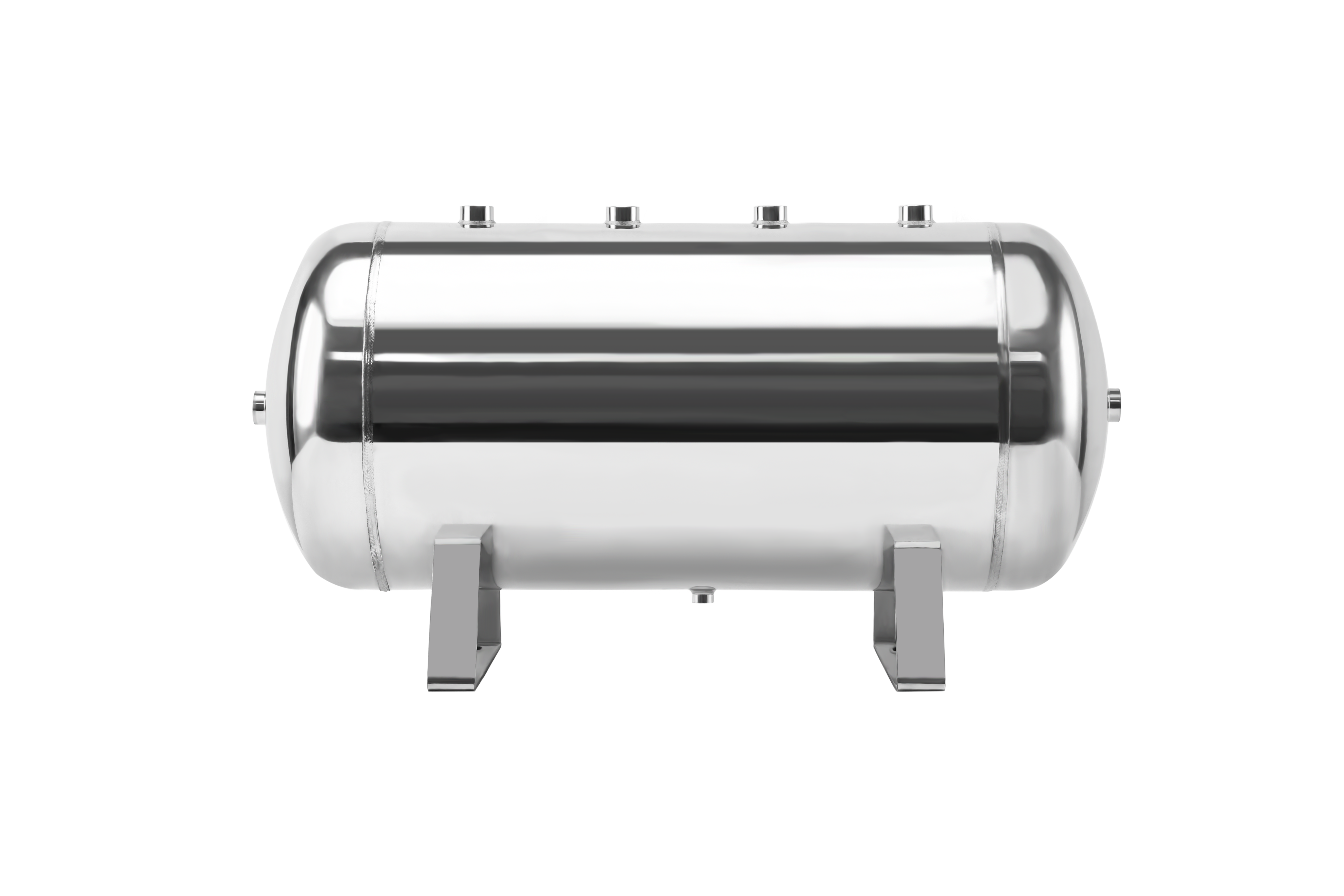
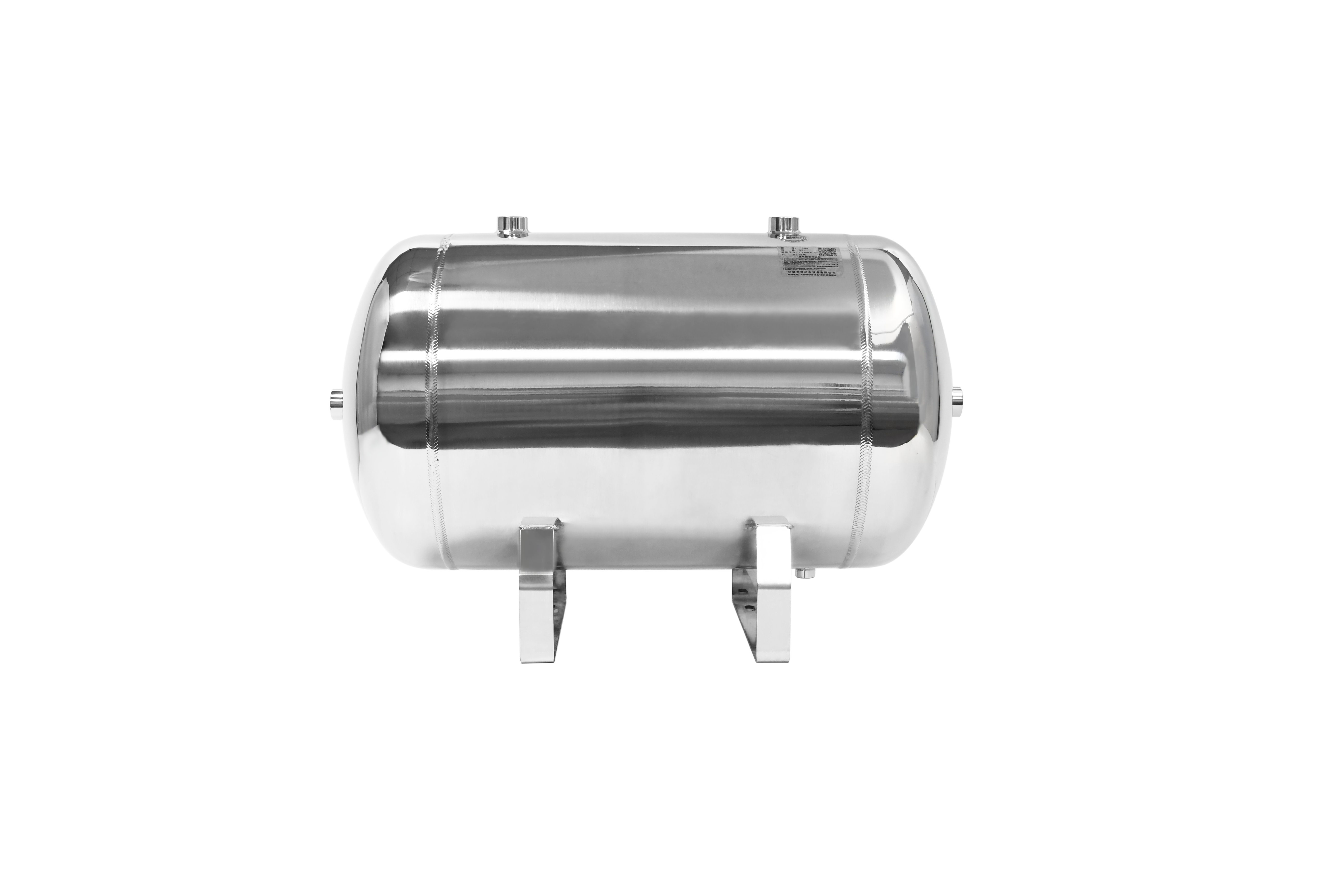
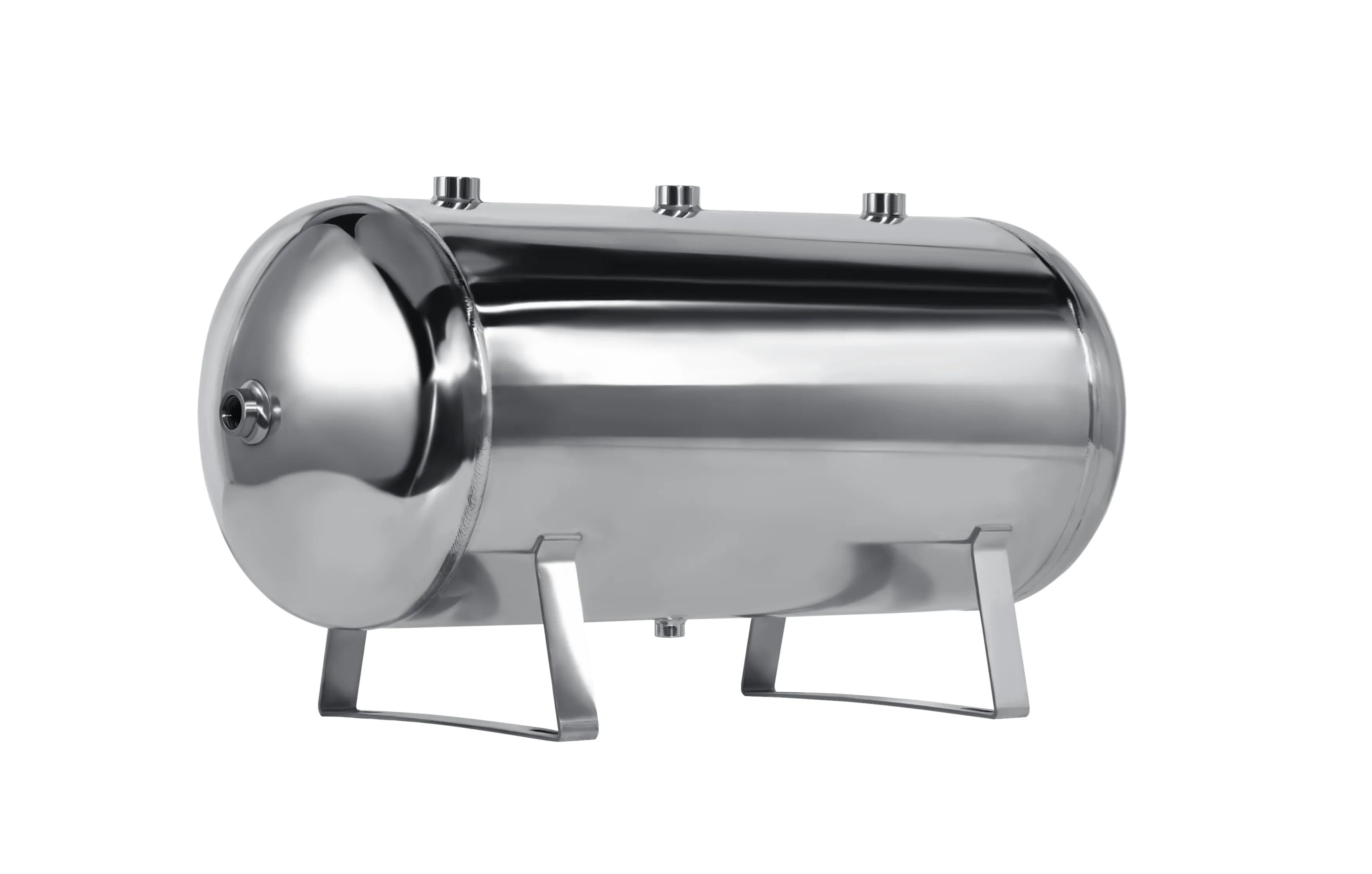
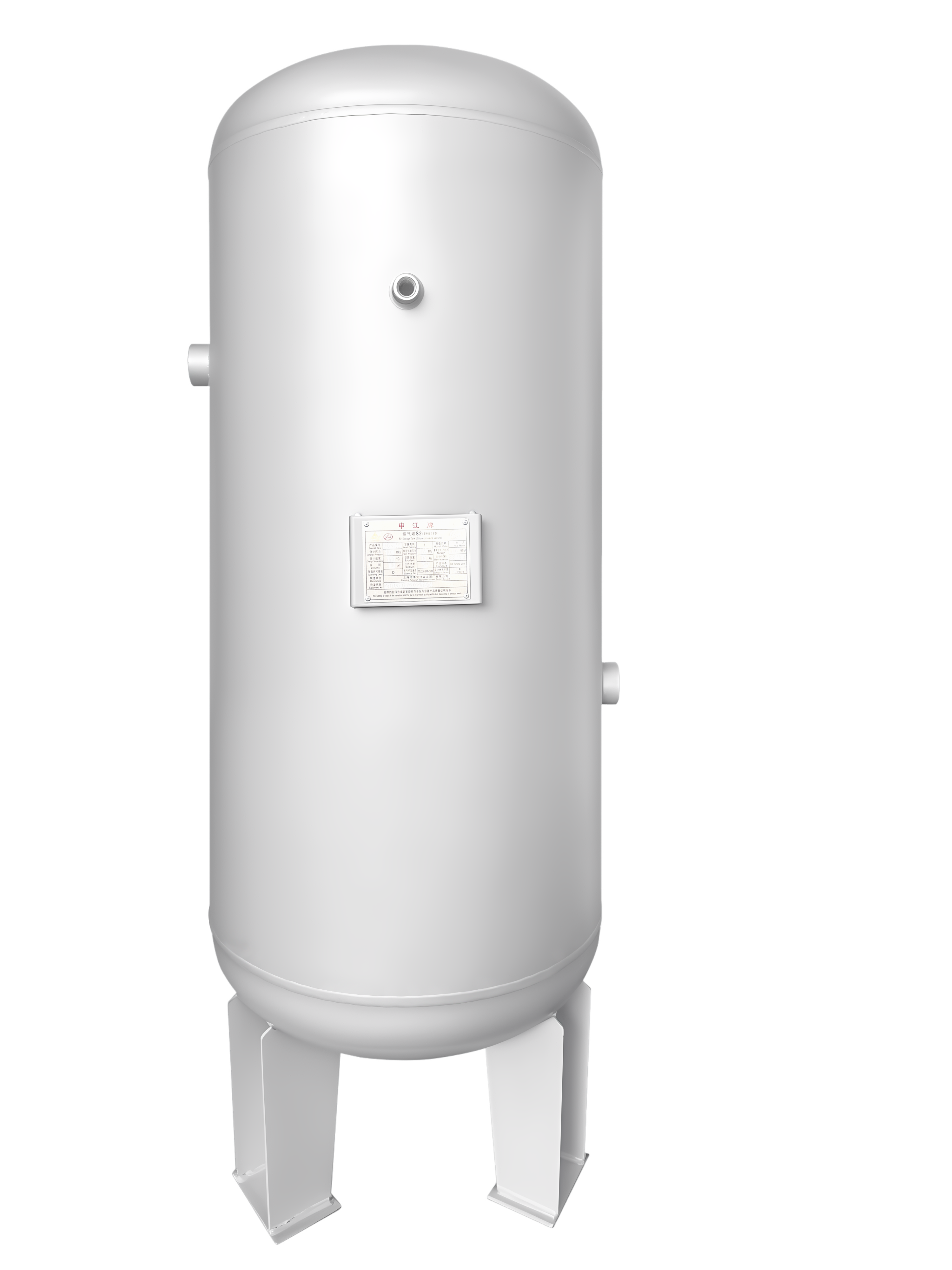
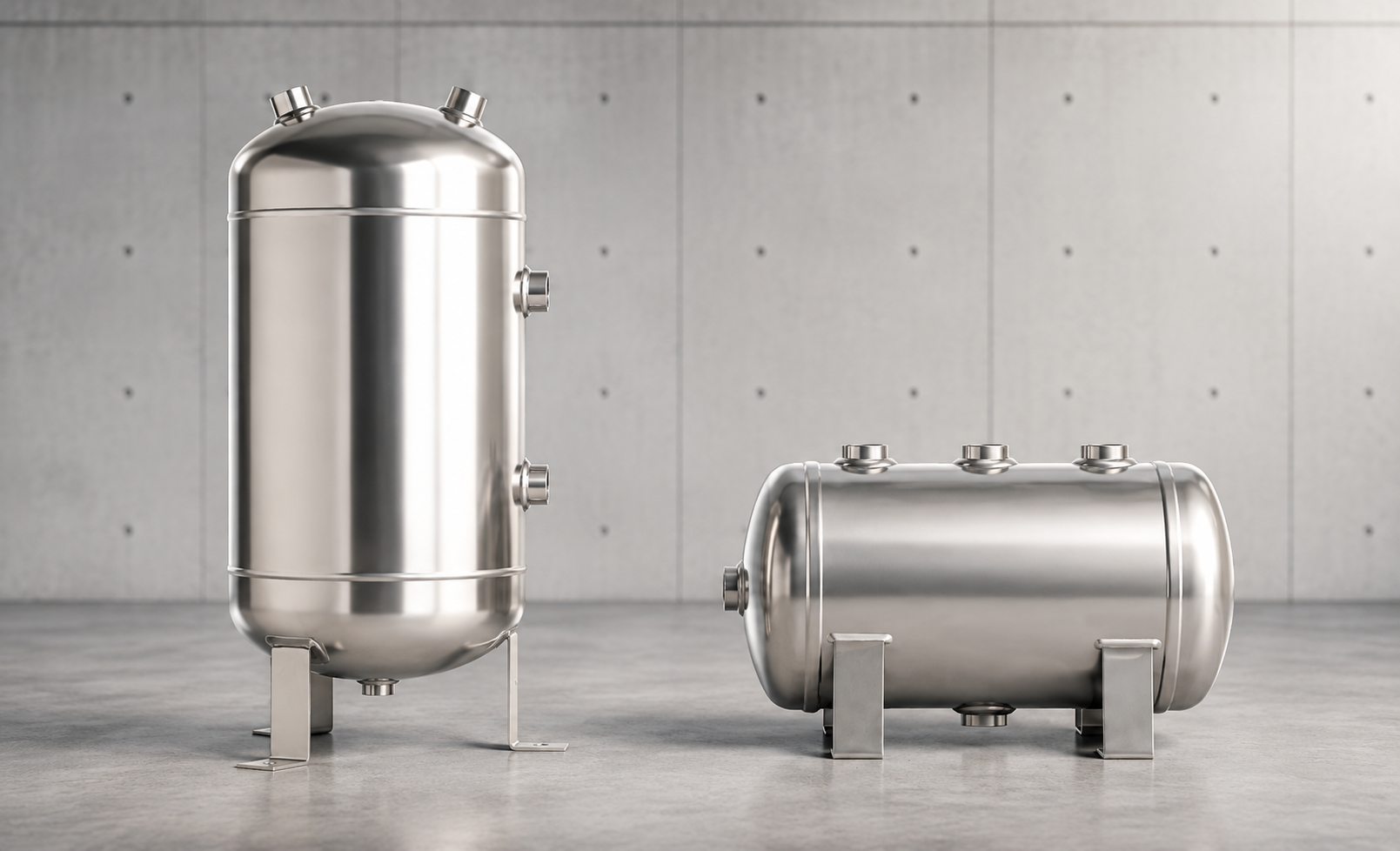
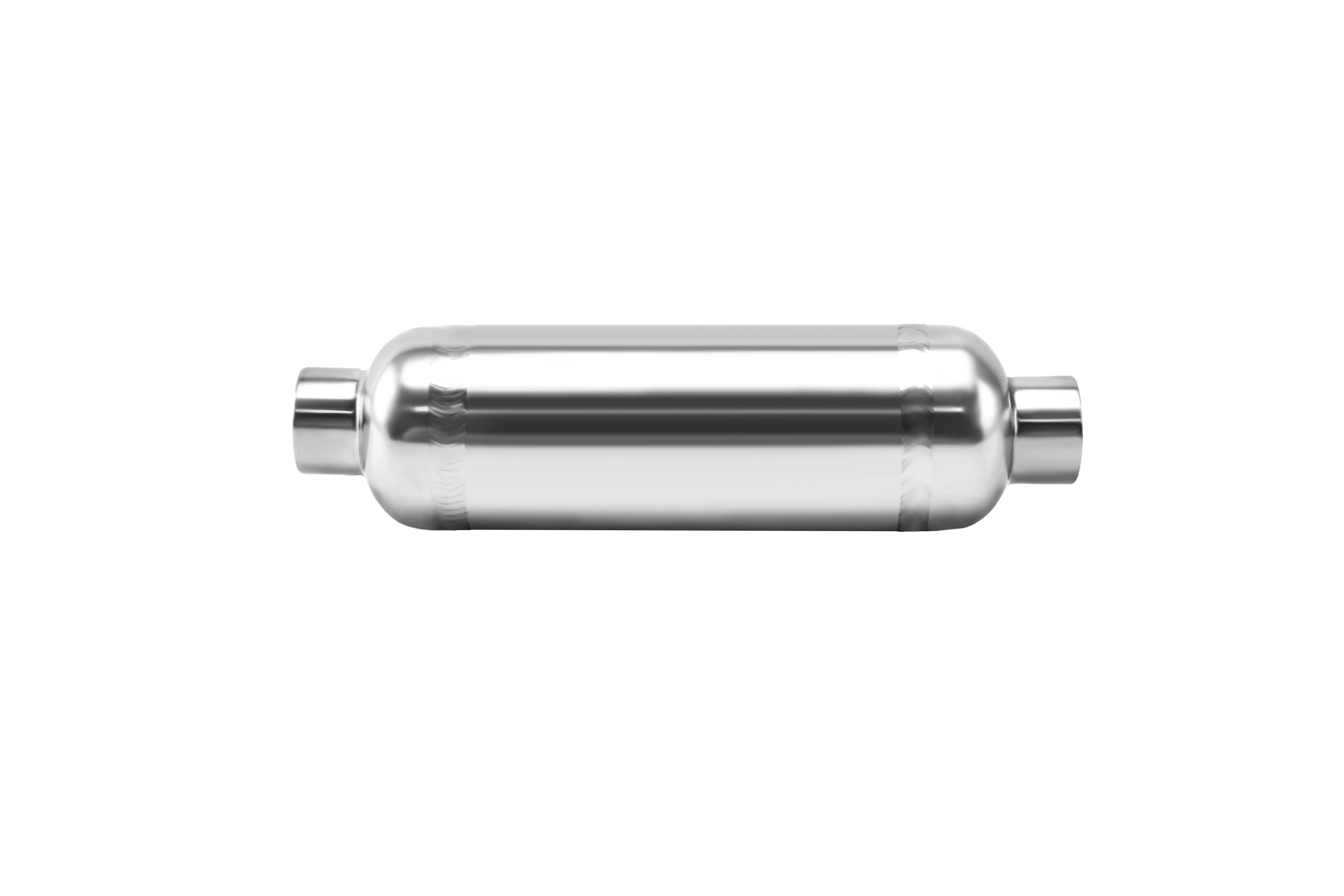
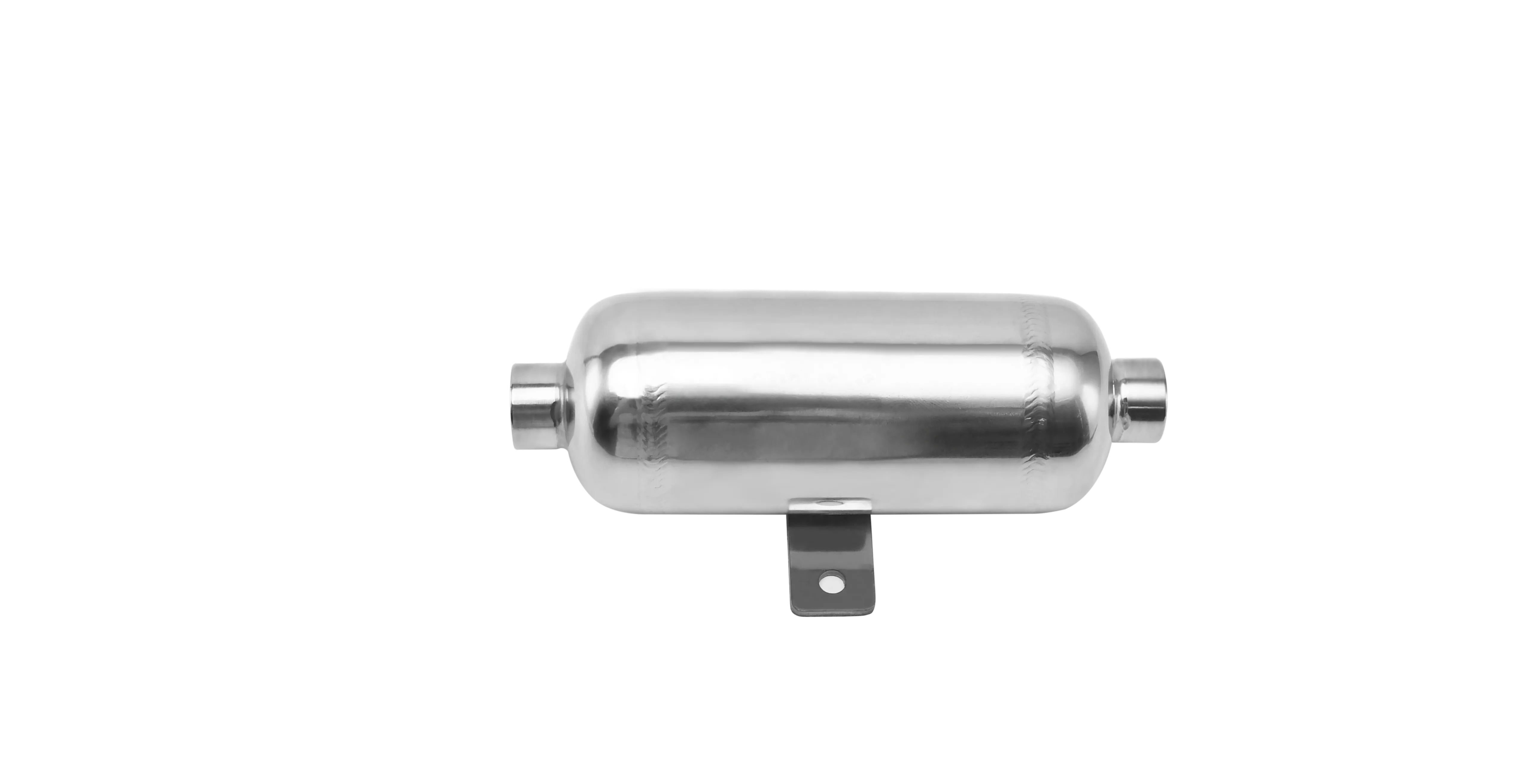
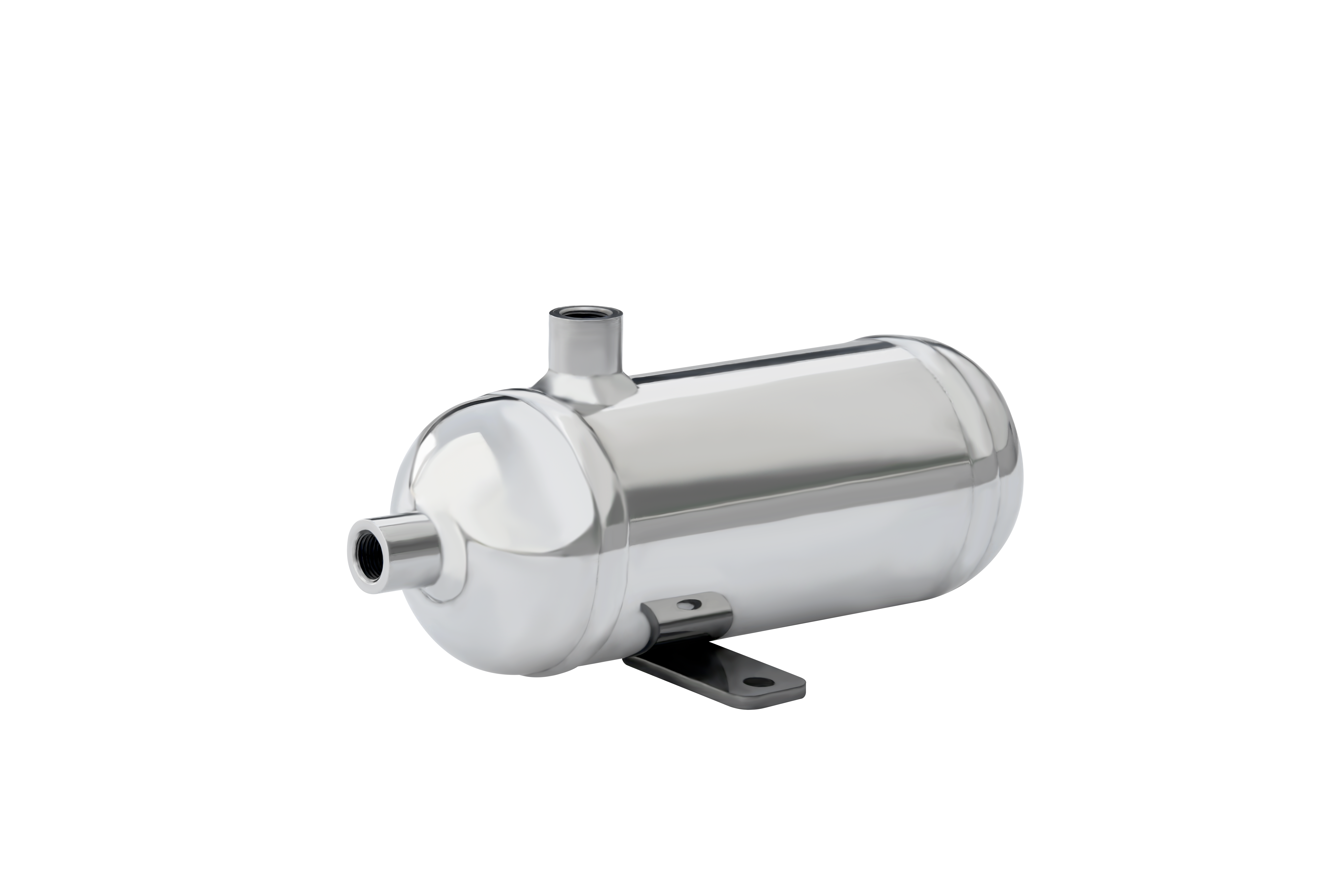
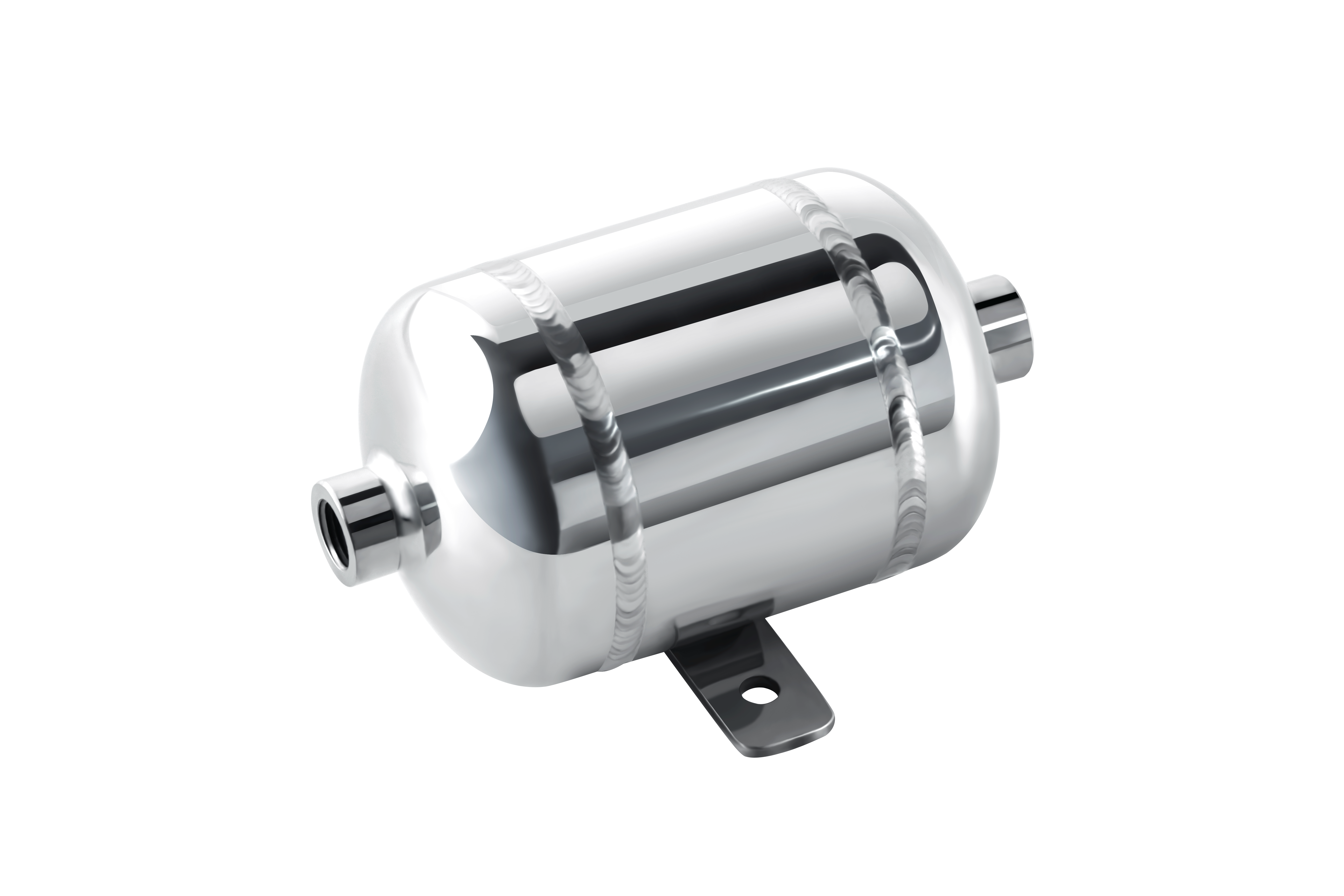
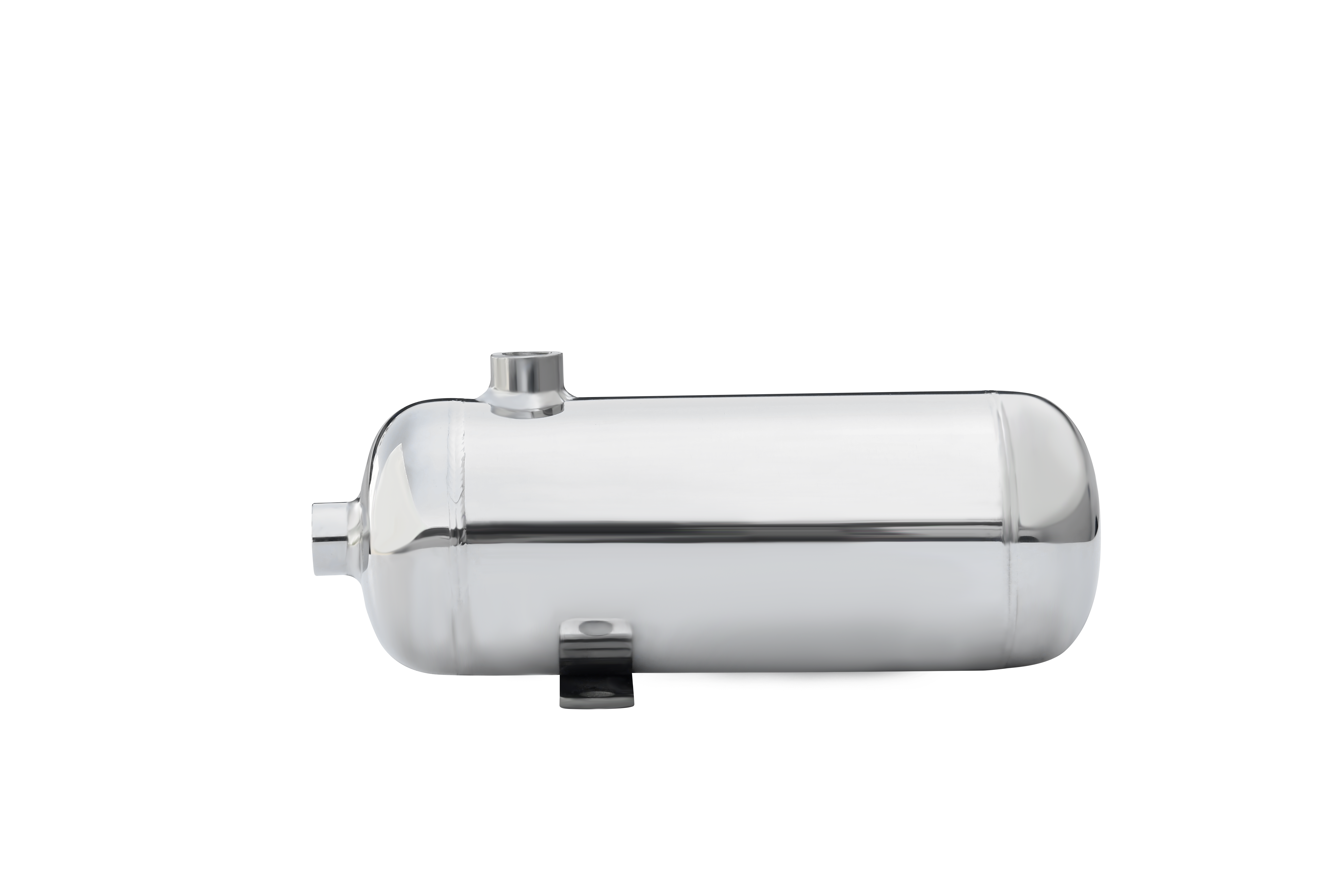
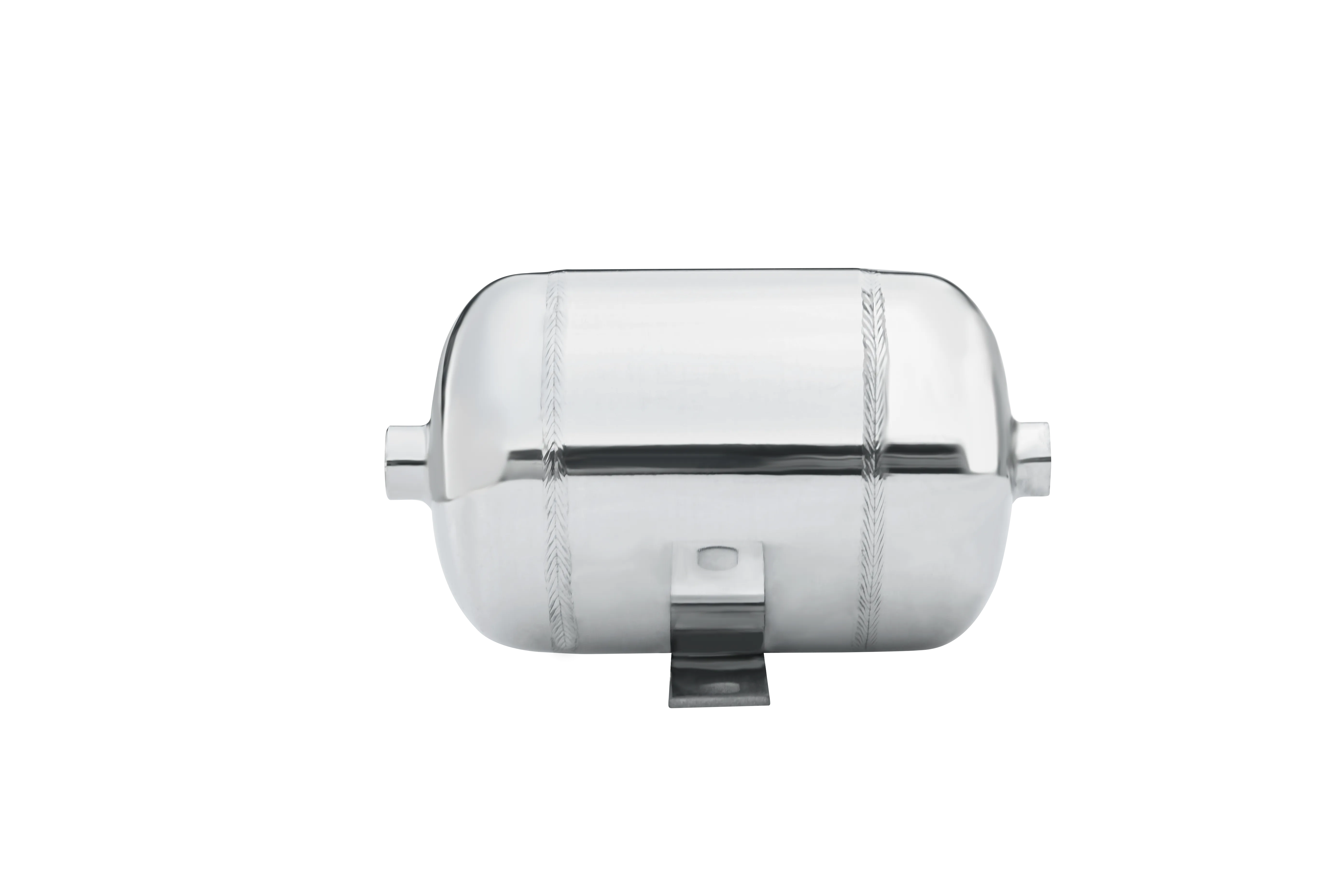
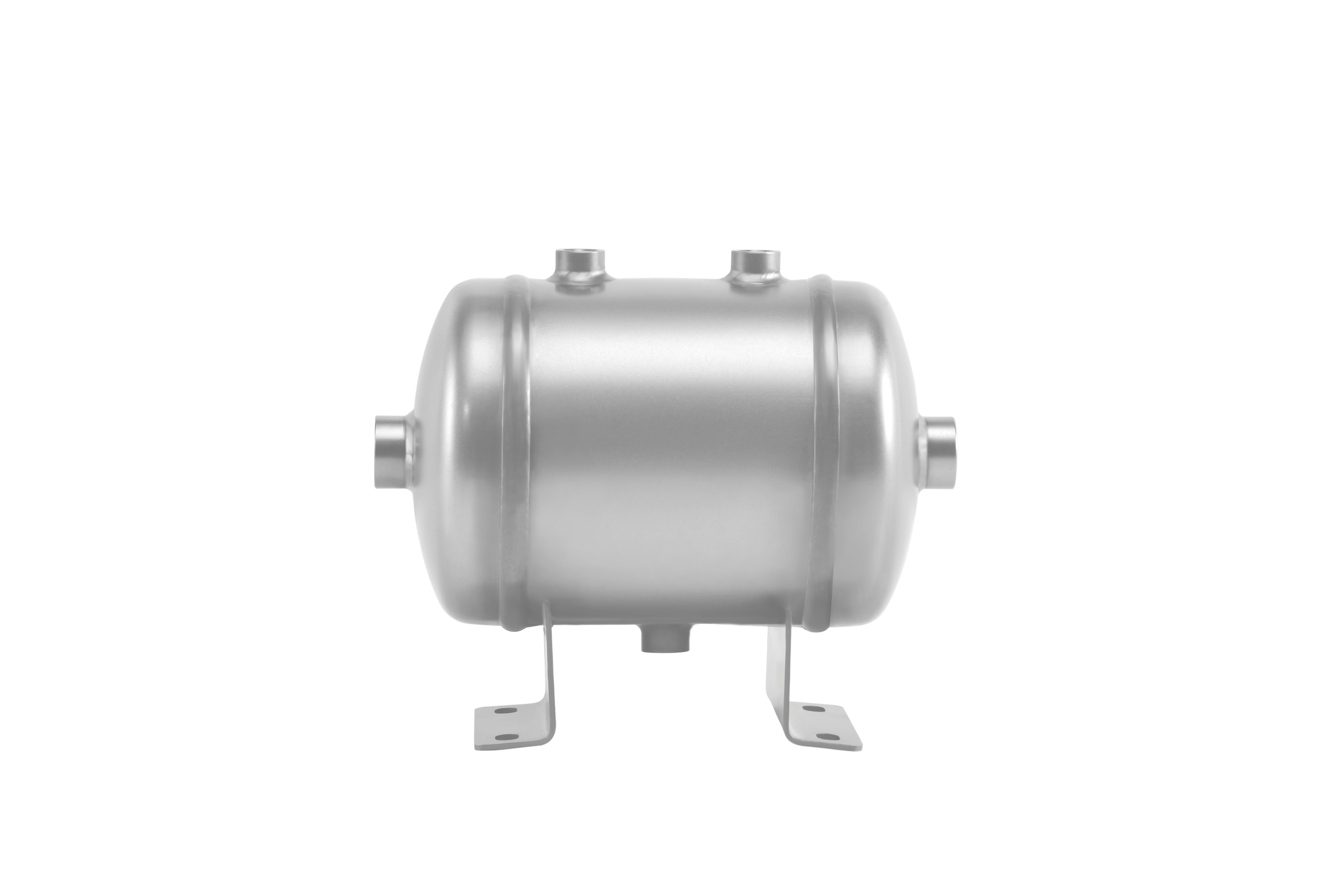
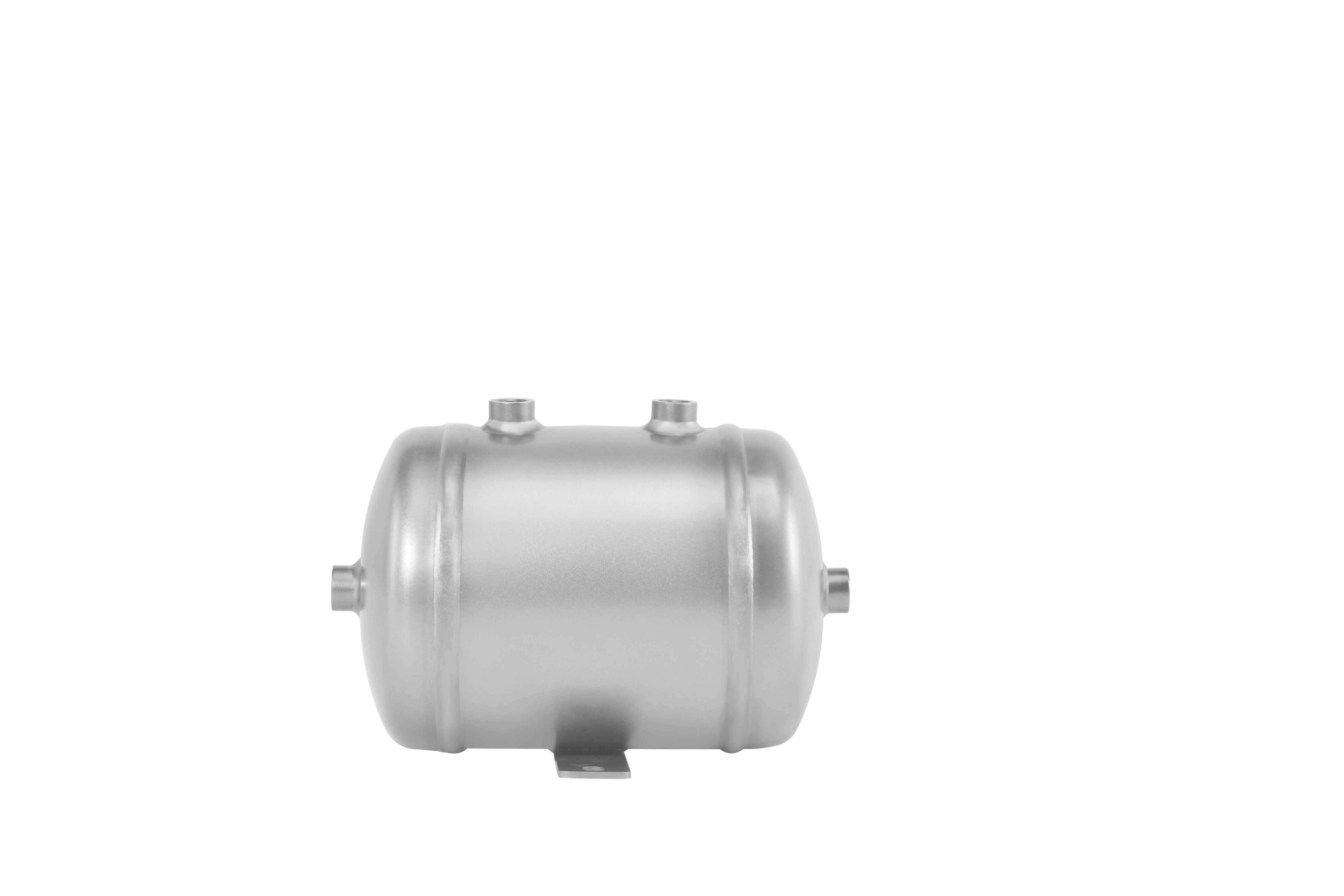
In the food industry, air receiver tanks are not just storage vessels; they are essential for system stability, energy efficiency, air quality improvement, and ensuring the safety and continuity of hygienic production processes.
Pressure Stabilization
Acts as a buffer, smoothing out pulsations from compressors. This ensures a consistent, steady air supply to pneumatic equipment on production lines, preventing pressure spikes that could damage sensitive machinery or cause inconsistencies in packaging and filling operations.
Meeting Peak Demand
Stores compressed air during low-use periods. It releases this reserve during short, high-demand events (like rapid packaging cycles), preventing the compressor from over-cycling. This avoids pressure drops and ensures continuous production flow without interruptions.
Air Quality Improvement
Provides crucial cooling, causing moisture and oil vapor to condense inside the tank. This preliminary separation reduces the load on downstream dryers and filters. It is a vital first step in achieving the clean, dry air required for food-grade applications.
Emergency Backup Air
Serves as a reserve air supply for critical control systems. In a compressor failure or power loss, stored air can safely complete a process cycle or execute an emergency shutdown of valves and equipment, preventing product loss and ensuring safety.
Direct Process Applications
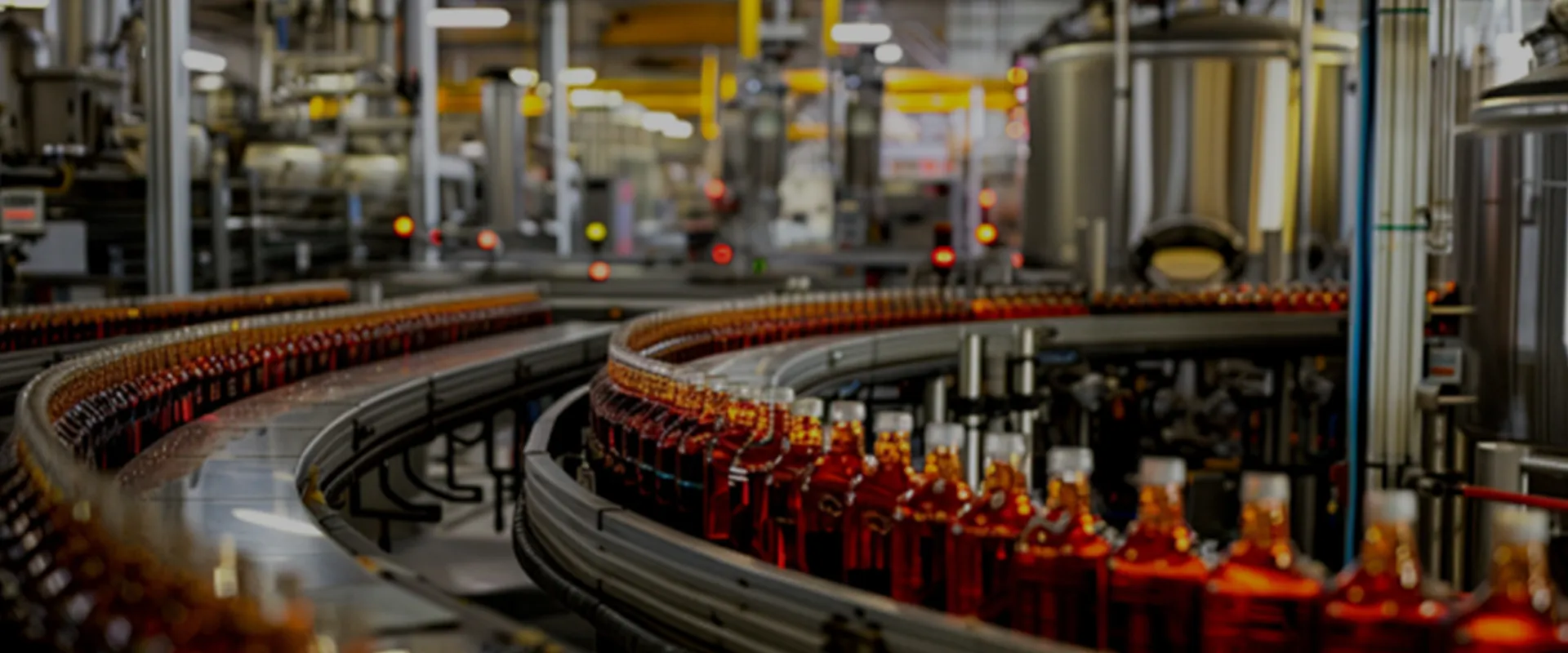
Supplies air for specific food processes: pneumatically conveying powders (flour, sugar), operating fillers and cappers on bottling lines, agitating mixtures in vessels, and powering automated packaging and palletizing machinery with clean, dry air.
.webp "3L")