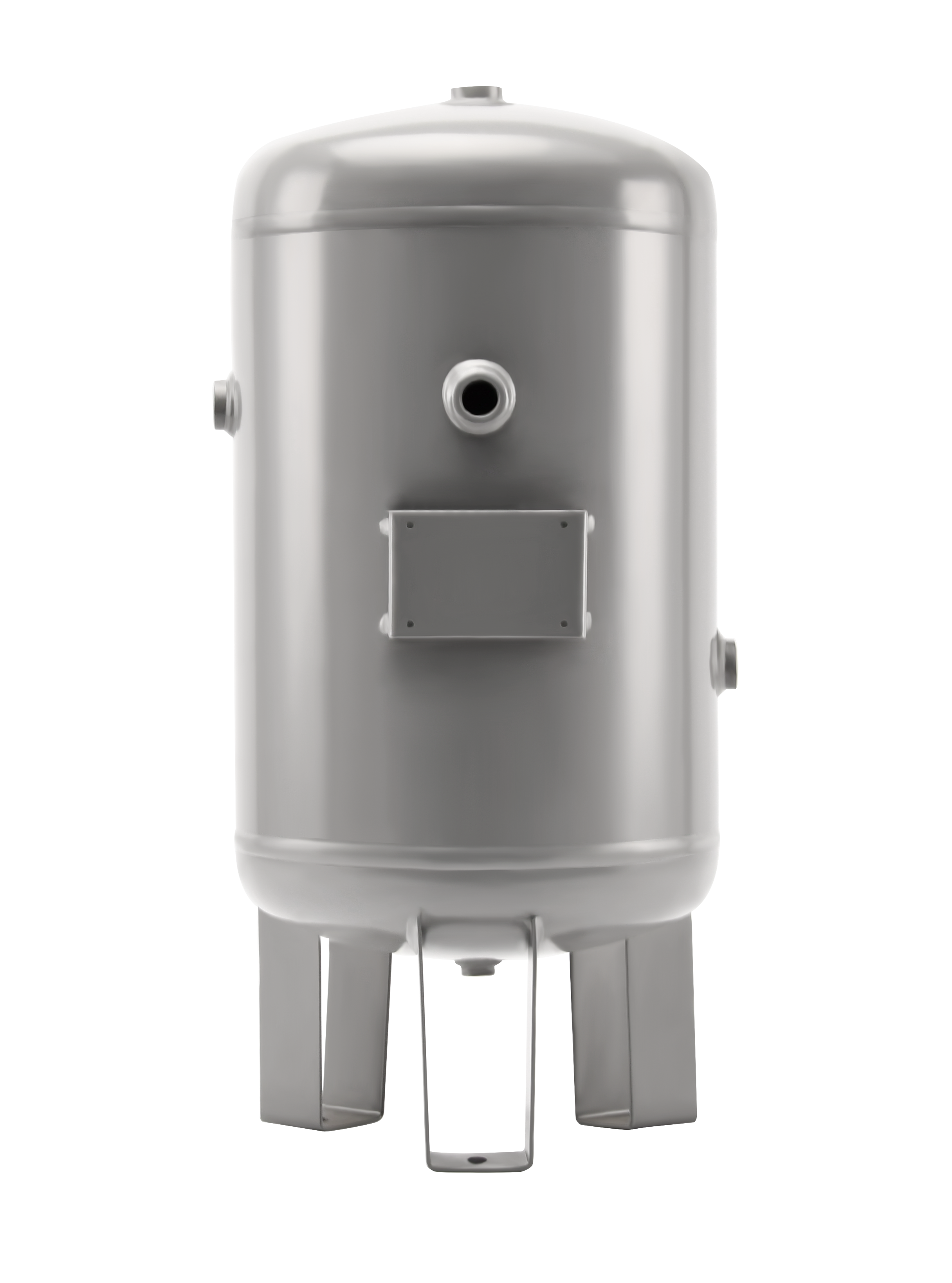
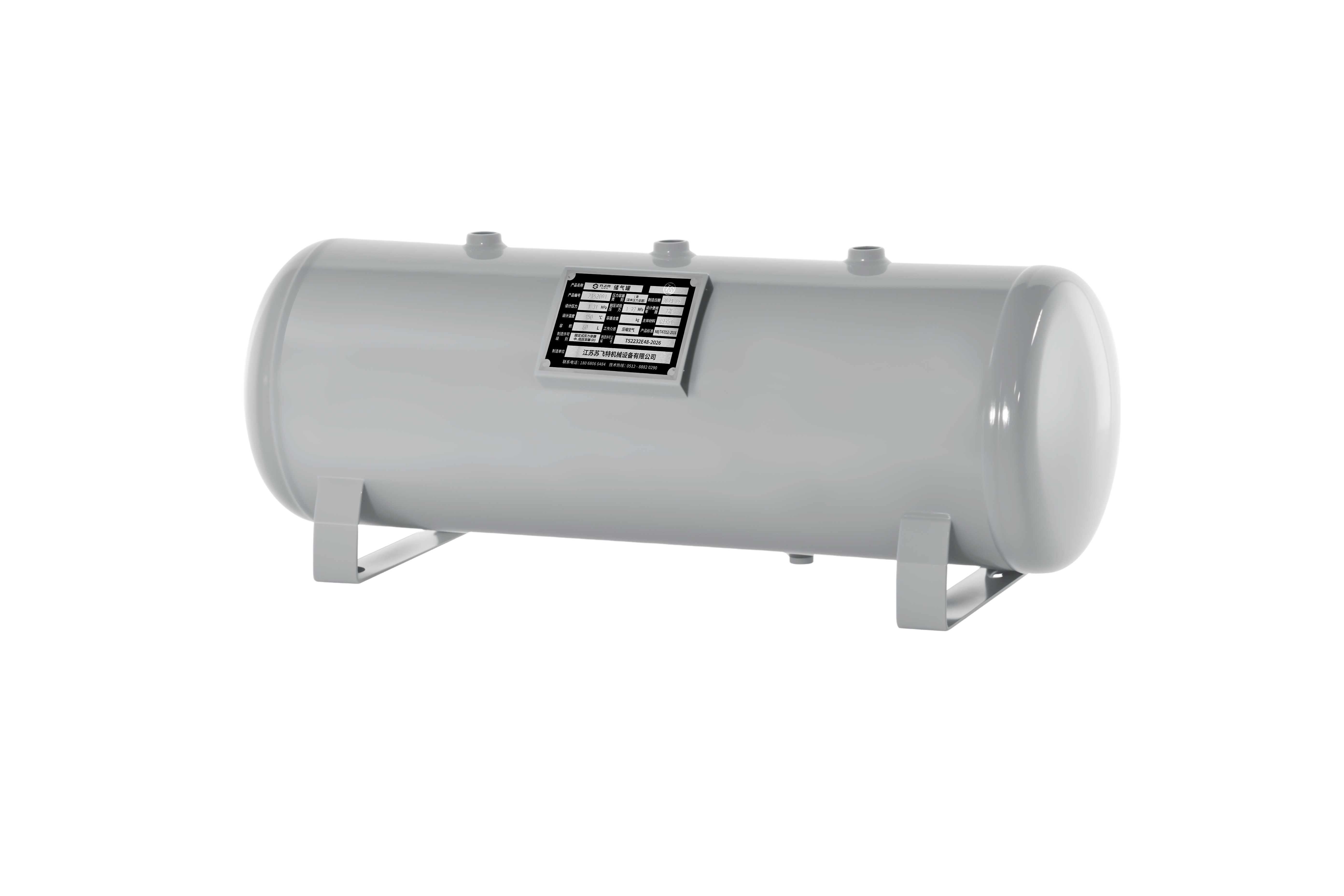
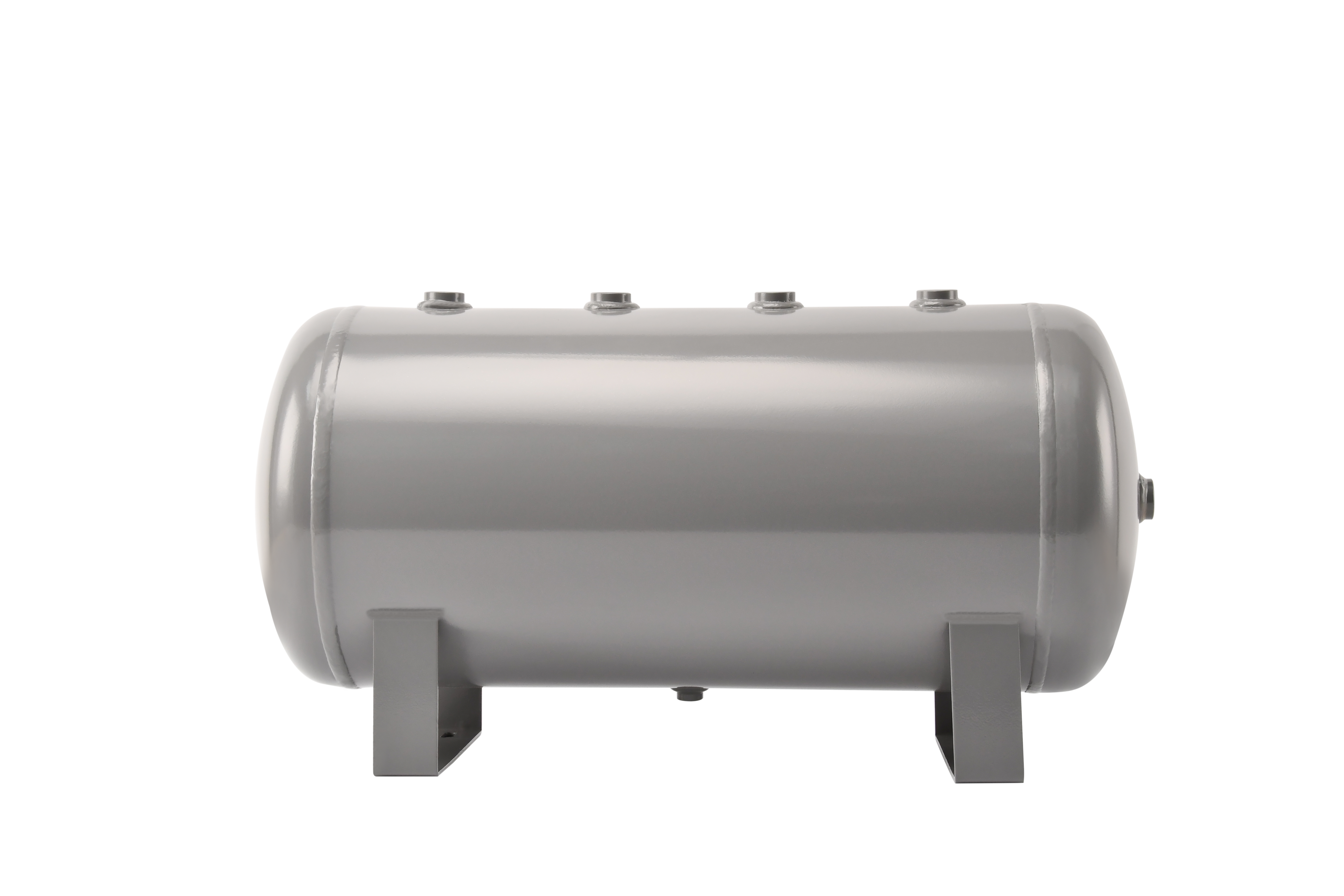
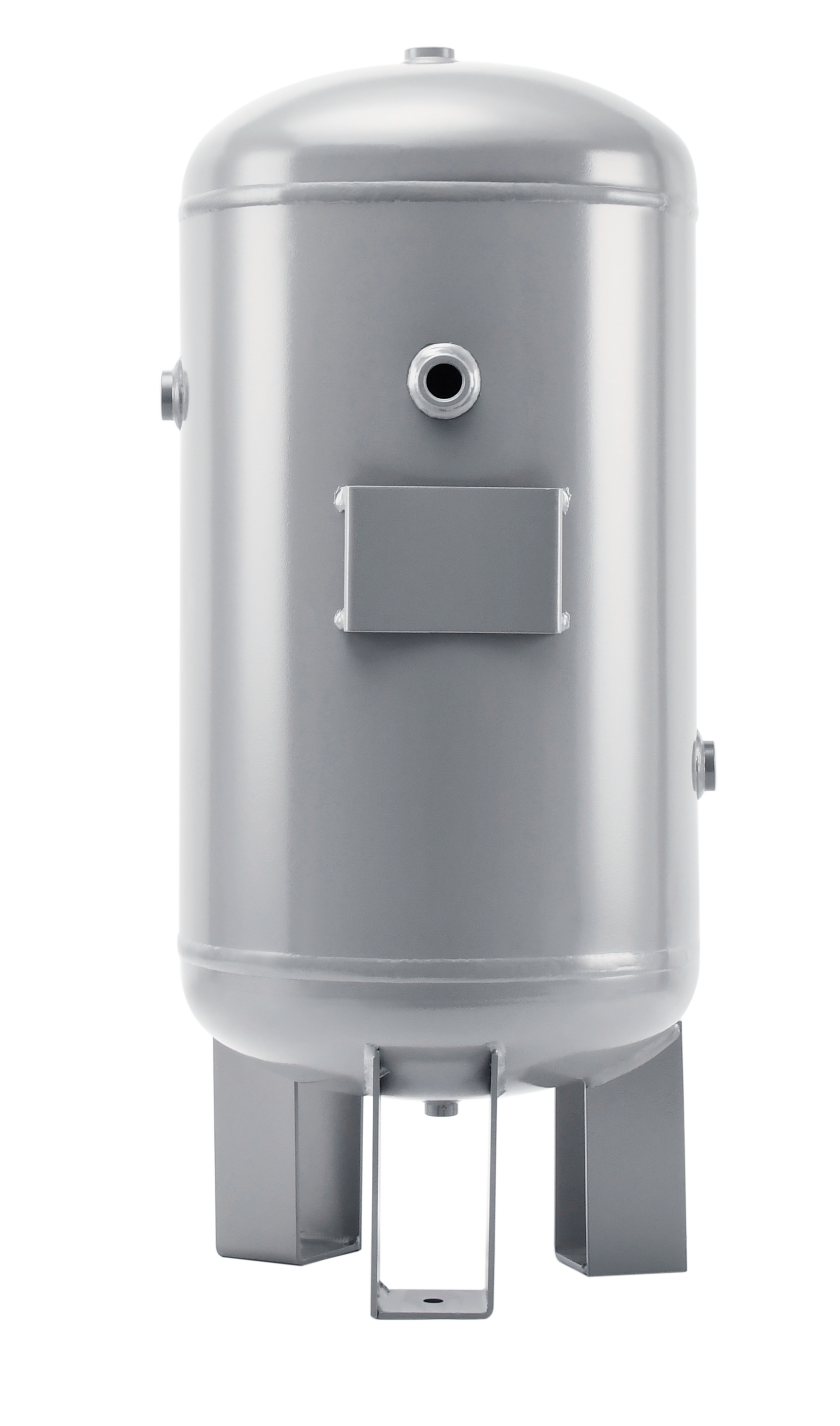
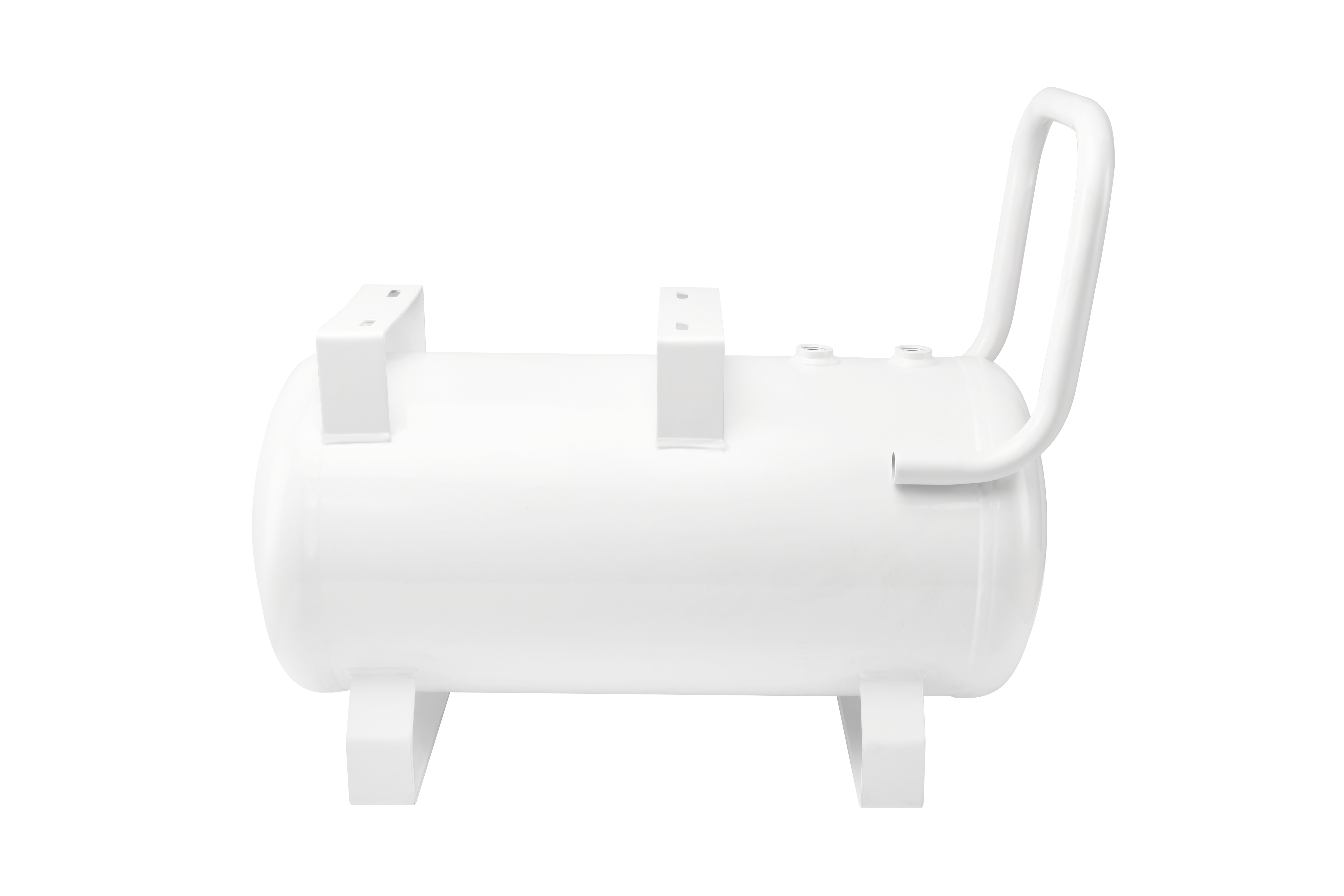
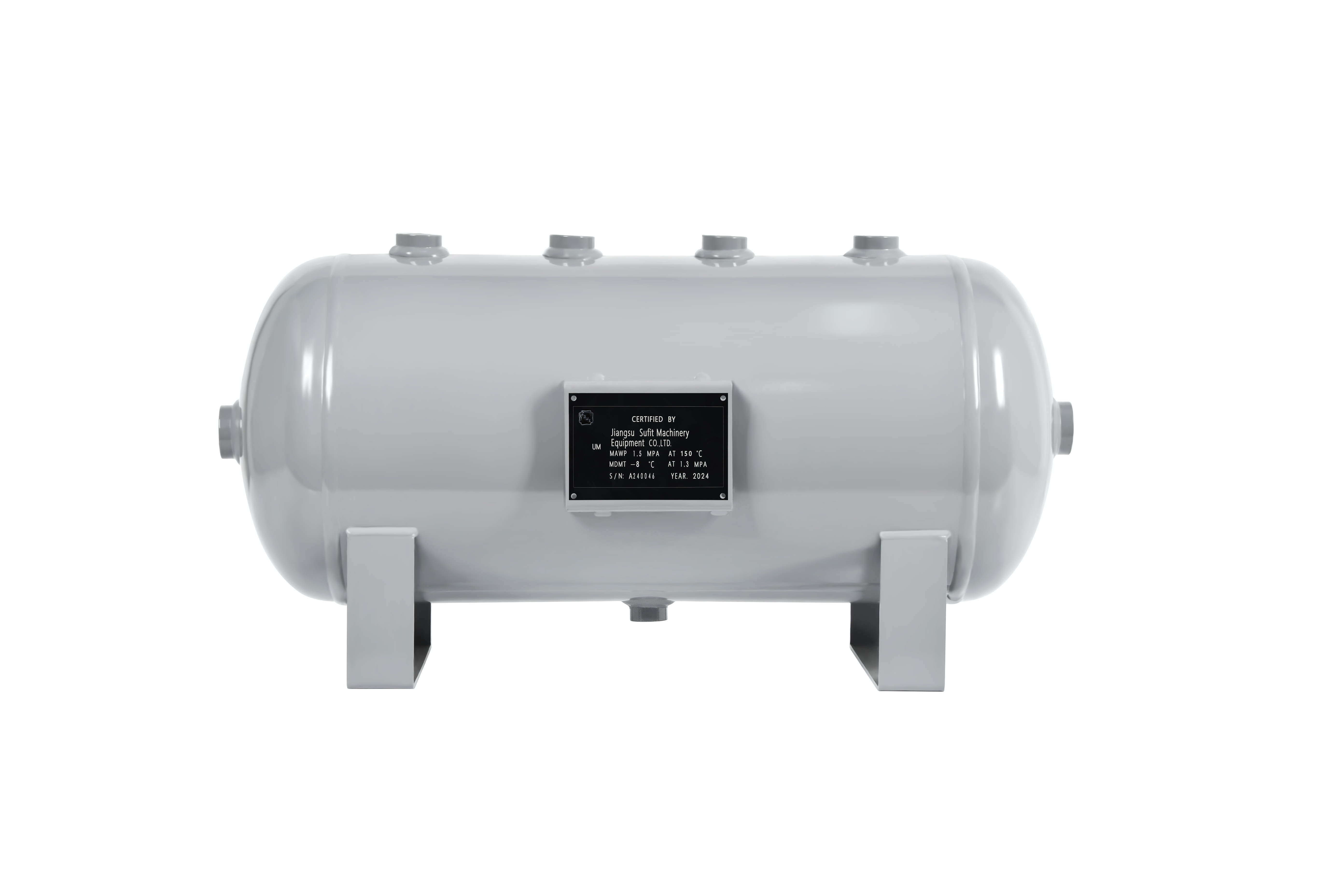
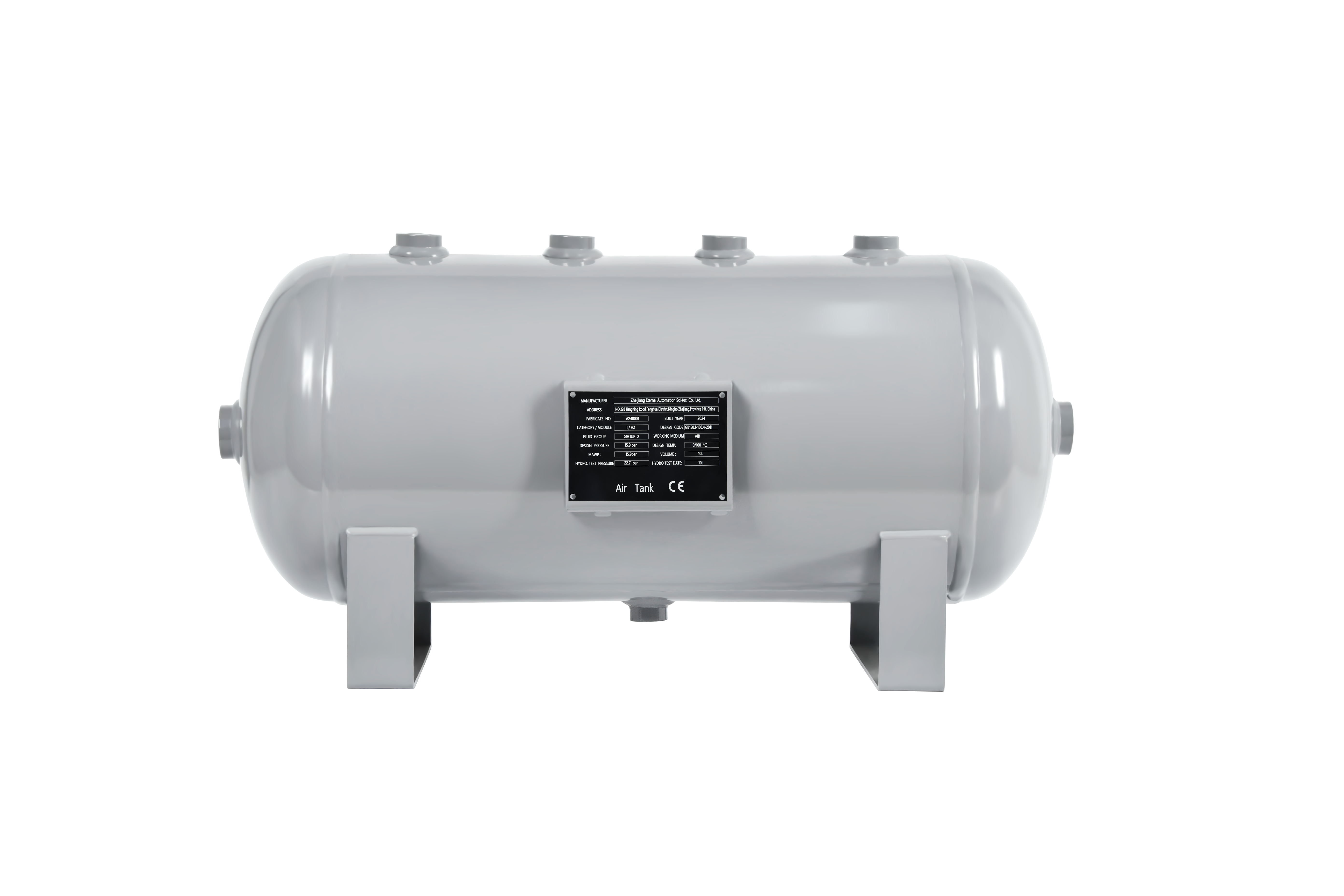
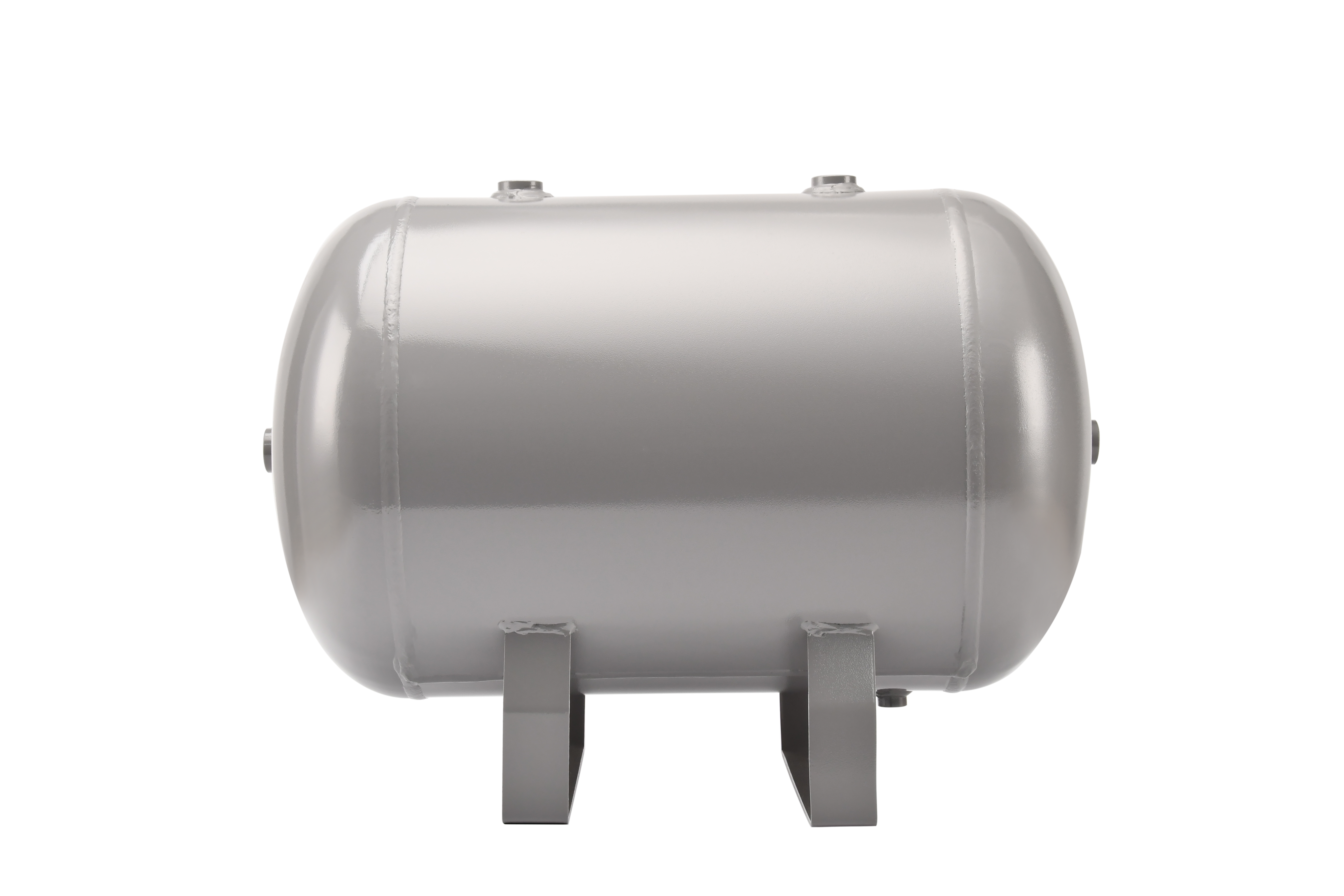
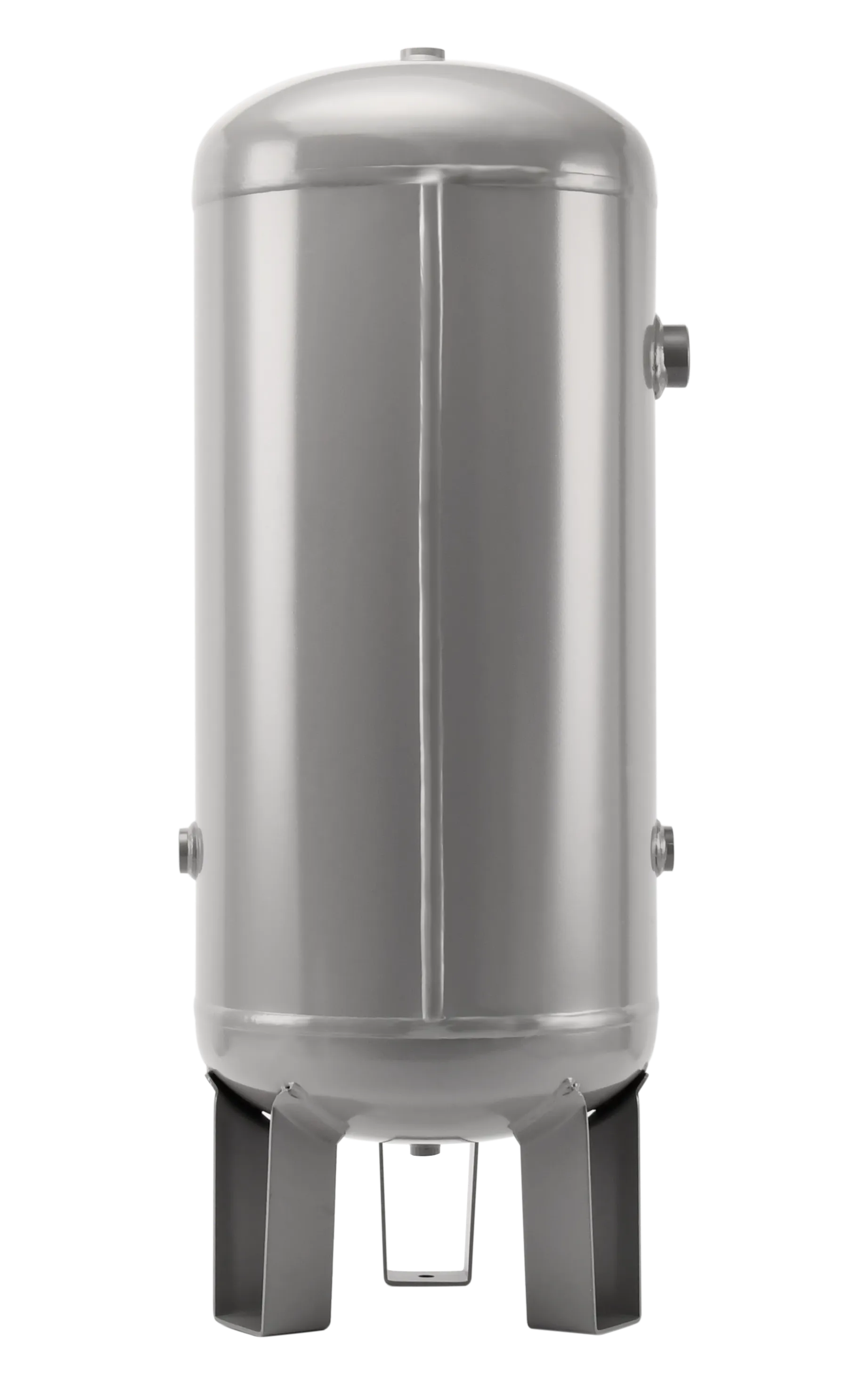
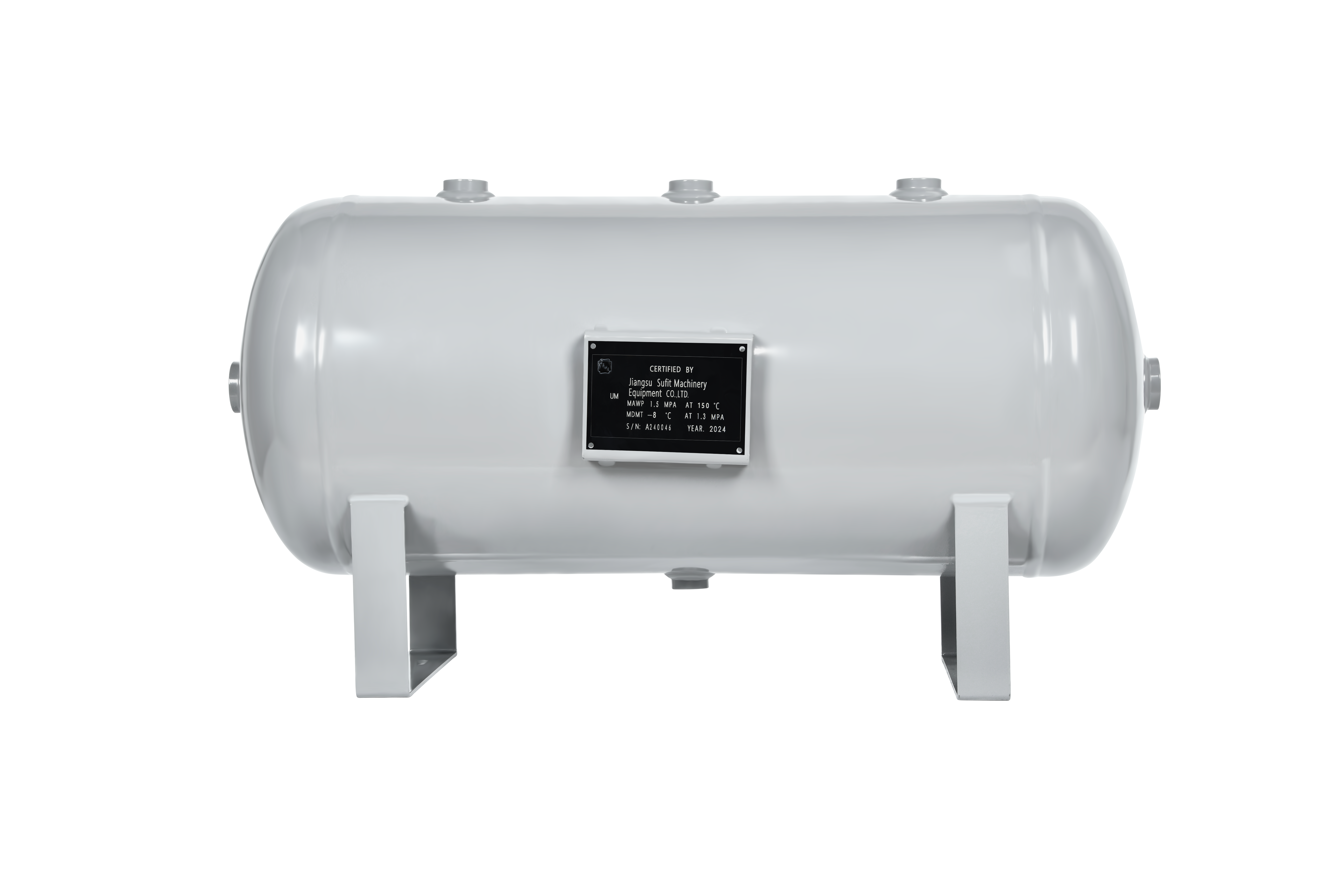
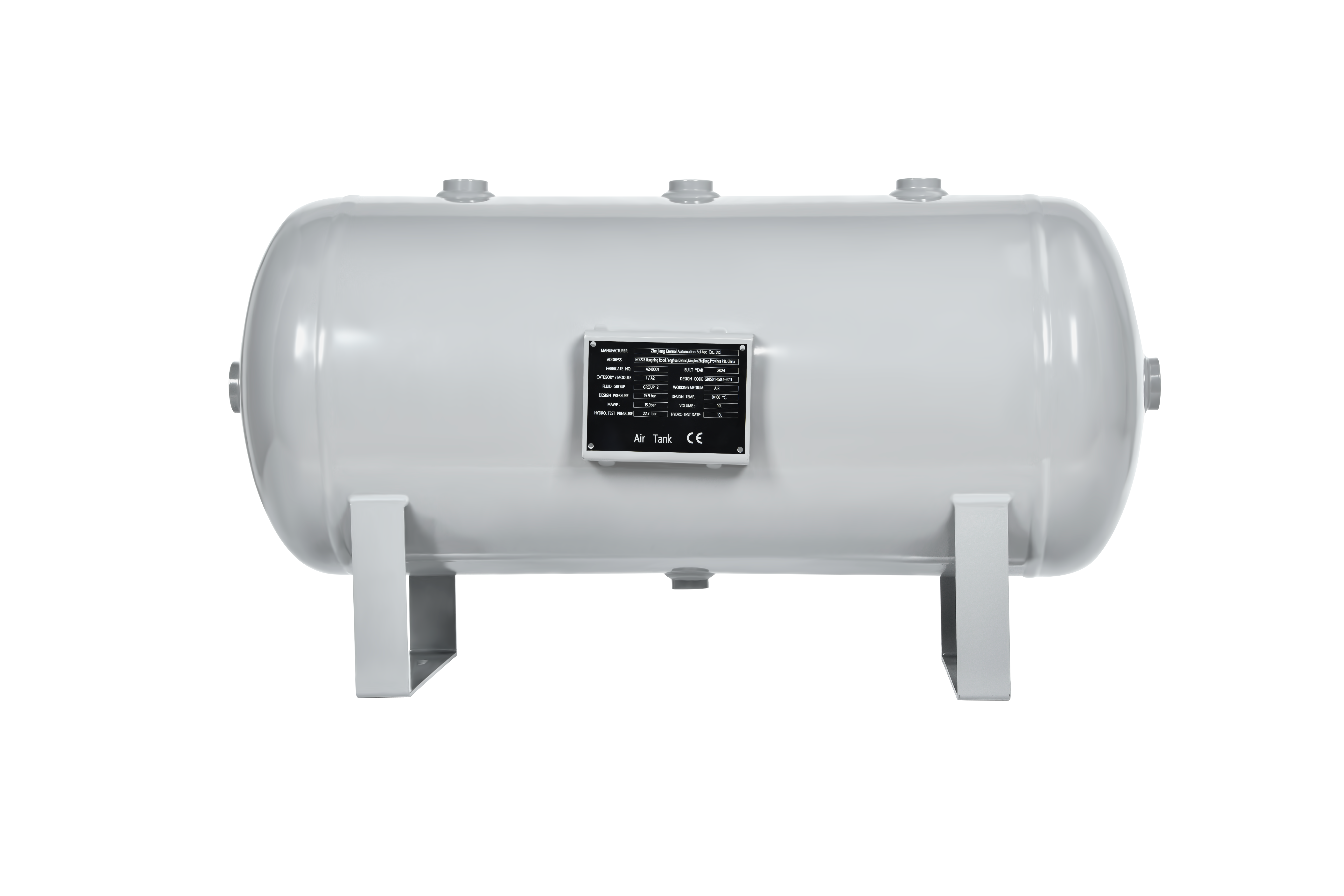
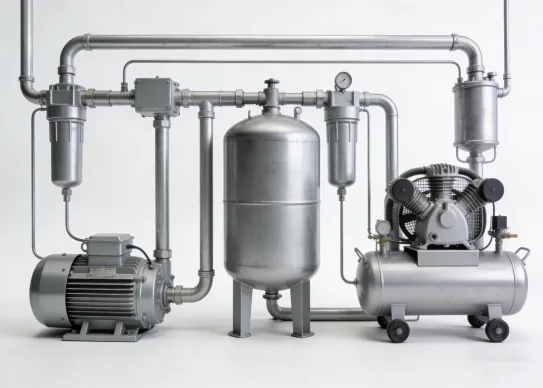
When evaluating reliable components for pressurized pipelines, many procurement managers look into carbon steel what is it that makes this specific alloy the industry benchmark. Choosing an industrial metal air tank engineered from specialized carbon steel provides unmatched structural integrity and cost-efficiency for large-scale operations.
Our manufacturing series delivers distinct operational advantages for your facility:
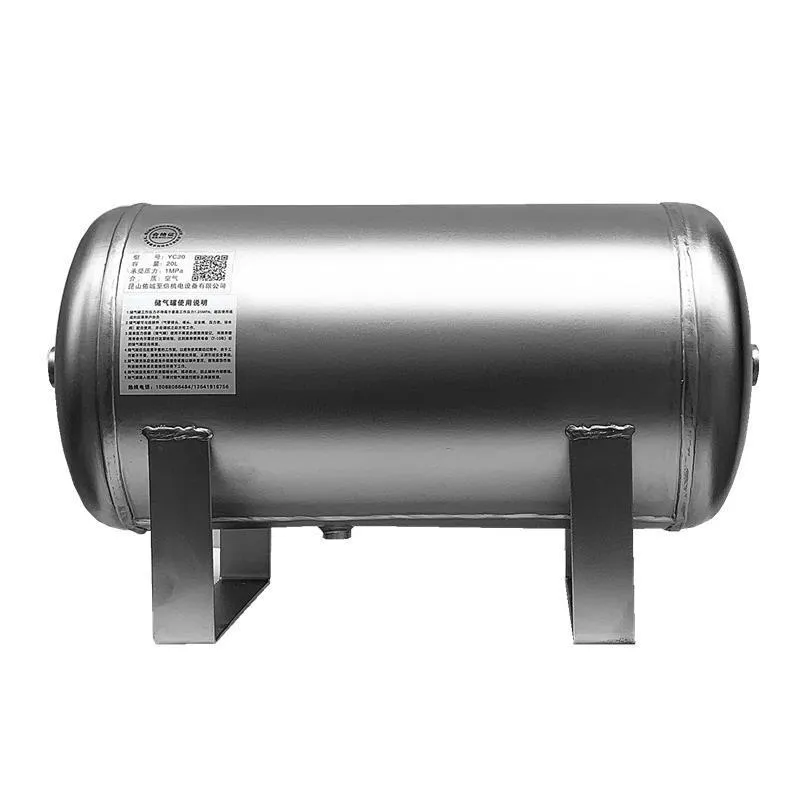
Engineered to withstand immense pneumatic stress, a high-grade carbon steel pressure vessel ensures the ultra-safe containment of high-pressure compressed air under continuous load cycles.
Compared to alternative luxury alloys, carbon steel tanks offer a highly economical capital investment while providing extreme heavy-duty reliability for budget-conscious engineering projects.
Every vessel is treated with premium industrial-grade protective internal and external coatings, allowing the metal storage tank to aggressively resist rust and environmental wear for a long, maintenance-free service life.
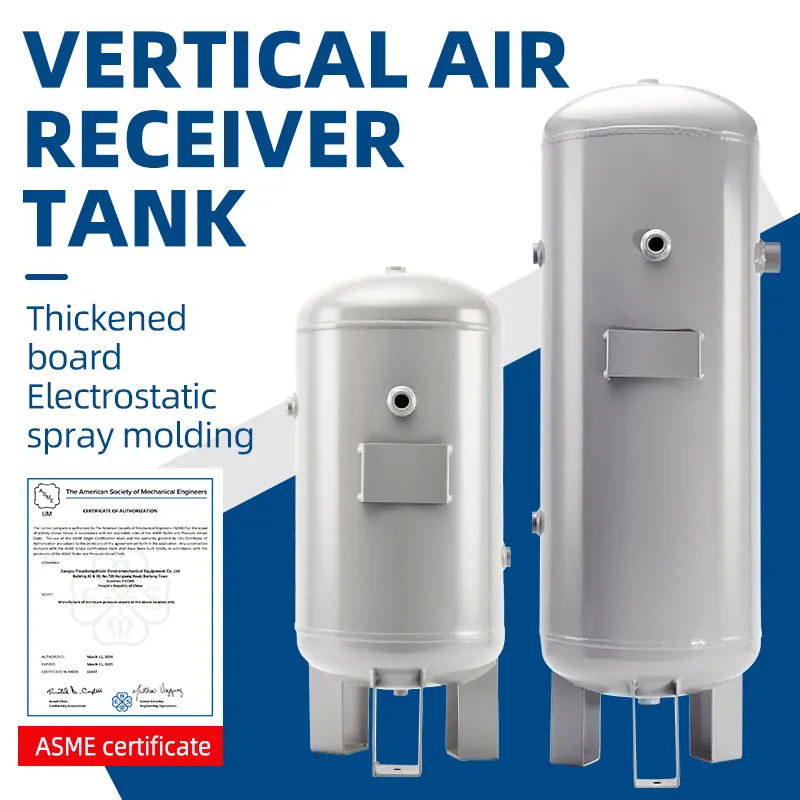
YCZX carbon steel storage tanks are fully compliant with rigorous international standards (such as ASME and CE/PED), ensuring seamless legal execution and complete operating safety in the most demanding environments.

Proper preventative maintenance is essential to extend the service life of your pneumatic system and ensure total factory safety. As leading carbon steel tank manufacturers, we recommend enforcing a strict, routine inspection schedule to maintain peak operating pressure and system integrity.
Implement these five engineering maintenance protocols for your carbon steel air tank setups:
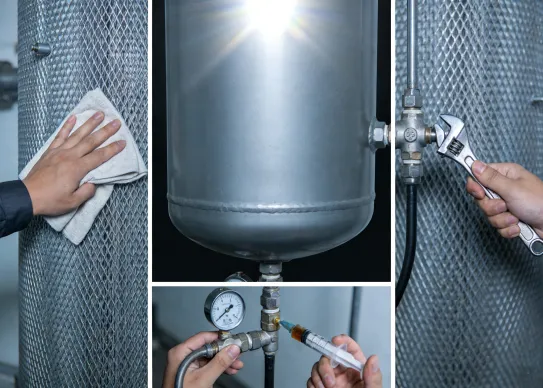
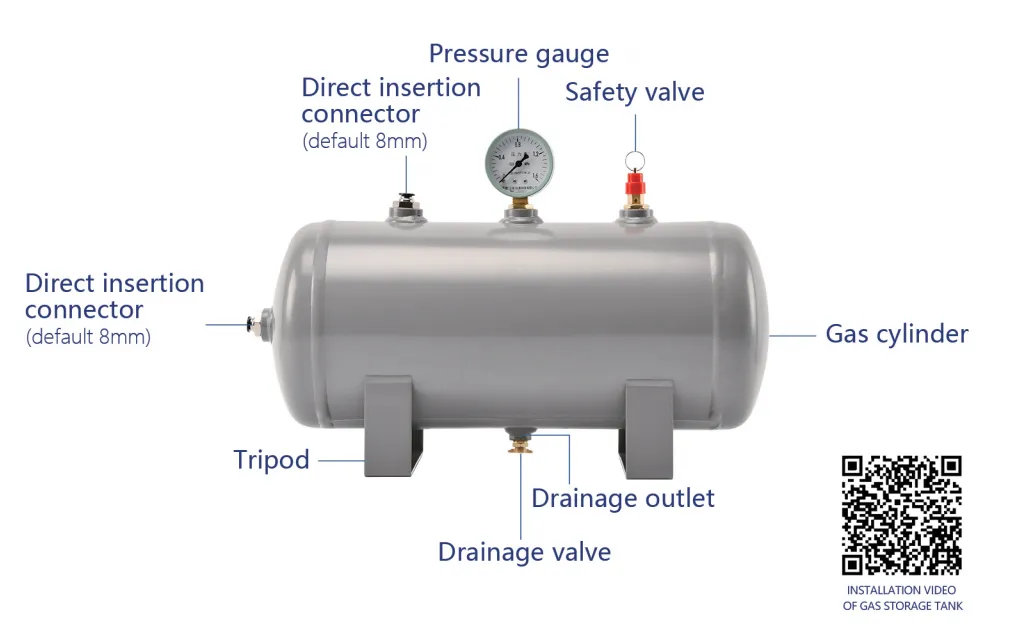
Execute Daily Moisture Draining: Routinely purge accumulated oil-water condensate from the bottom drain valve every day. Controlling internal moisture levels is the single most effective way to eliminate corrosive environments and prevent internal oxidation.
Conduct Regular Visual Inspections: Systematically audit the outer shell, weld seams, and support legs for any early signs of surface rust, pitting, or mechanical stress damage.
Perform Annual Safety Valve Testing: Mechanically test and calibrate all safety relief valves and pressure gauges at least once a year to ensure they respond flawlessly during unexpected over-pressure fluctuations.
Maintain Exterior Protective Paint: Keep the specialized industrial outer coatings fully intact. Promptly touch up any scratched or exposed metal surfaces to defend the structure against aggressive environmental corrosion and ambient moisture.
Adhere to Code Inspection Schedules: Strictly follow mandatory air receiver industry standards and legal compliance framework guidelines for all scheduled structural integrity checks and ultrasonic pressure testing.
Selecting the optimal material grade for your carbon steel air tank determines both your initial capital expenditure and the ultimate safety threshold of your pressure system. At YCZX, we primarily utilize two premium Chinese standard carbon steel grades—Q235B and Q345R—both of which offer exceptional reliability but excel in different industrial environments.
To help your engineering team make the most strategic procurement choice, refer to our technical material comparison matrix below:
| Technical Parameter | Q235B Grade Carbon Steel | Q345R Grade Pressure Vessel Steel |
| Material Classification | Standard Carbon Structural Steel | Specialized Pressure Vessel Plates |
| Yield Strength (≧) | 235 MPa | 345 MPa |
| Tensile Strength | 370 - 500 MPa | 490 - 620 MPa |
| Max Pressure Suitability | Low to Medium Pressure (≦ 1.6 MPa / 16 Bar) | High Pressure (> 1.6 MPa up to Heavy-Duty) |
| Impact Toughness | Standard environmental durability | Superior resistance to low-temperature & cyclic stress |
| Best Used For | General factory lines, garage air compressors, and standard metal storage tank setups. | Heavy manufacturing, chemical refineries, and large-scale carbon steel storage tanks. |
Engineering Selection Rule: If your pneumatic system operates under standard working pressures (≦16 Bar), Q235B offers the most cost-effective solution. However, for specialized setups requiring high-capacity carbon steel tanks or operating under extreme, volatile loads, upgrading to the code-certified Q345R grade is highly recommended to guarantee absolute structural compliance.
With proper preventative maintenance and high-quality surface treatments, a premium carbon steel air tank manufactured by a certified factory can easily deliver a dependable service life of 10 to 15+ years. The exact lifespan depends heavily on the ambient moisture levels within your compressed air grid and whether your team enforces daily draining schedules to eliminate internal oil-water condensate.
Yes, absolutely. As reputable carbon steel tank manufacturers, YCZX designs, welds, and tests every industrial carbon steel pressure vessel in strict accordance with international pressure regulations. Based on your geographical project location, we provide fully certified vessels compliant with the ASME (Section VIII, Div. 1) code for North America, as well as CE / PED certifications for European markets, complete with comprehensive non-destructive testing (NDT) documentation.
To combat oxidation caused by compressed air condensate, we utilize rigorous surface preparation techniques. Every single metal storage tank undergoes heavy-duty Sa 2.5-grade shot blasting to strip away all mill scale before chemical coatings are applied. For facilities operating in high-humidity zones, we offer an optional internal epoxy lining that creates a permanent protective barrier between the raw steel and moisture, delivering maximum rust resistance.
Yes. While we carry a massive inventory of standard vertical and horizontal models, we specialize in custom-tailored engineering solutions. We can modify the overall dimensions, adjust tank orientations, and position customized inlet/outlet port connections (such as NPT threads or specialized flanges) to seamlessly integrate into your existing air compressor facility layout.