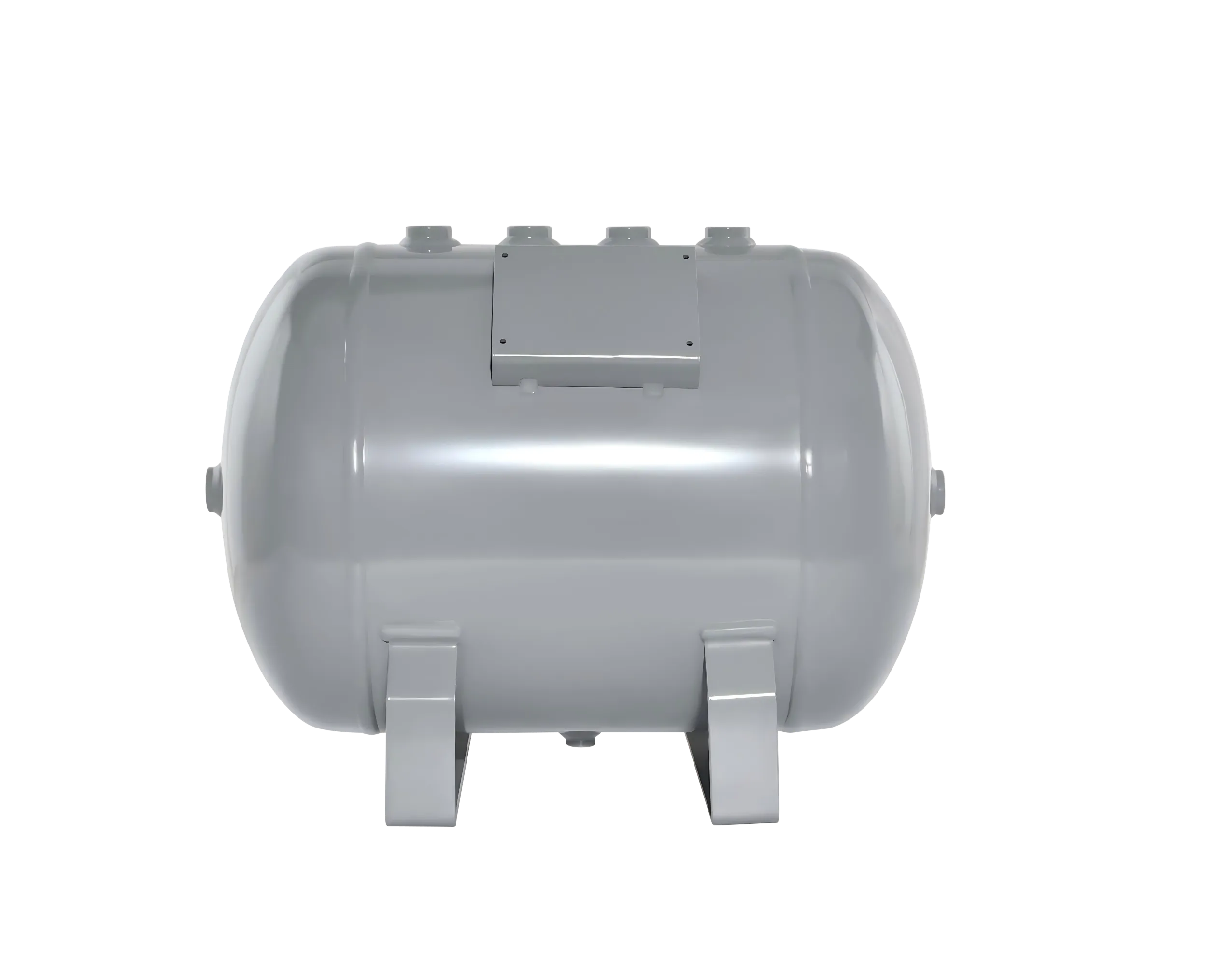
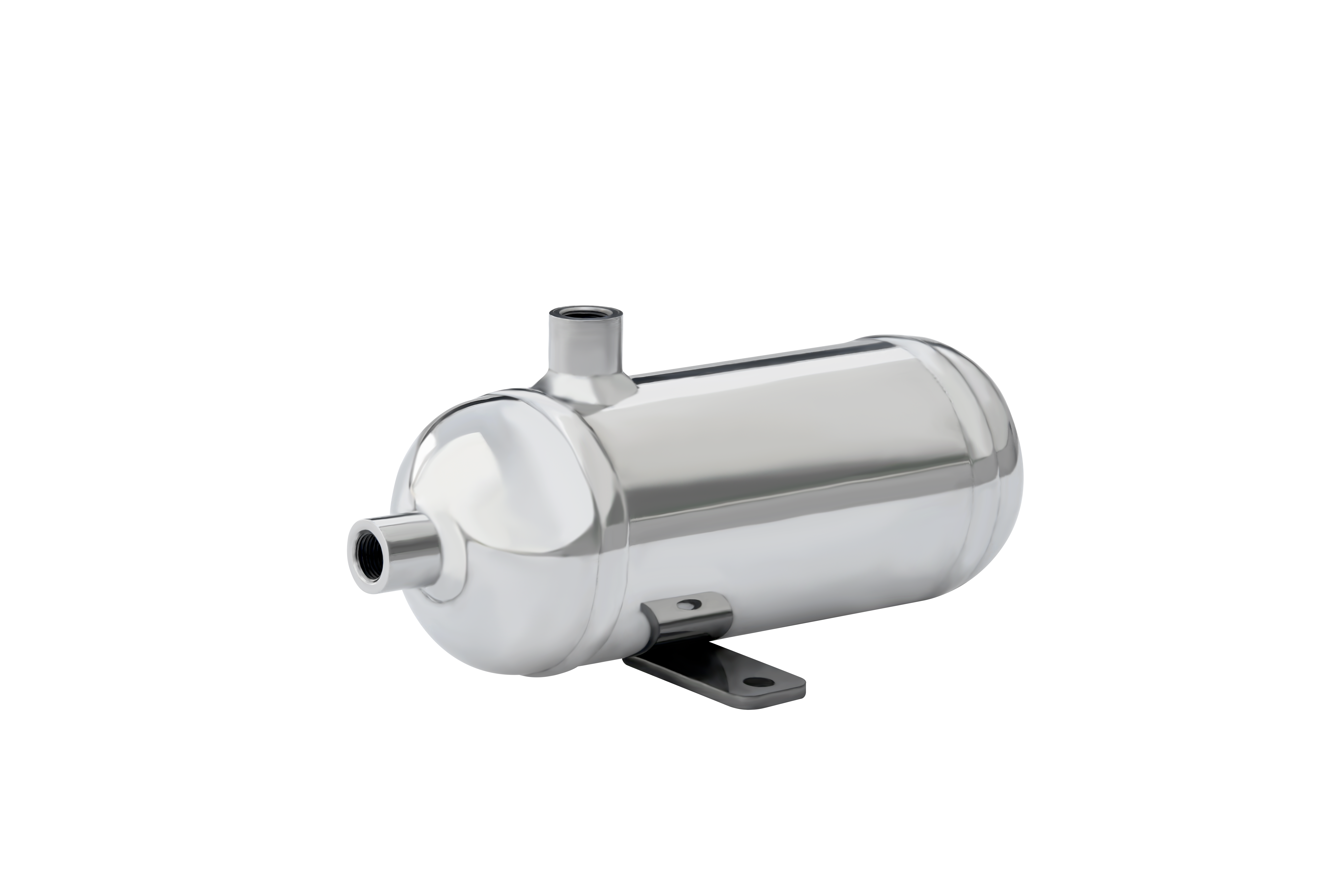
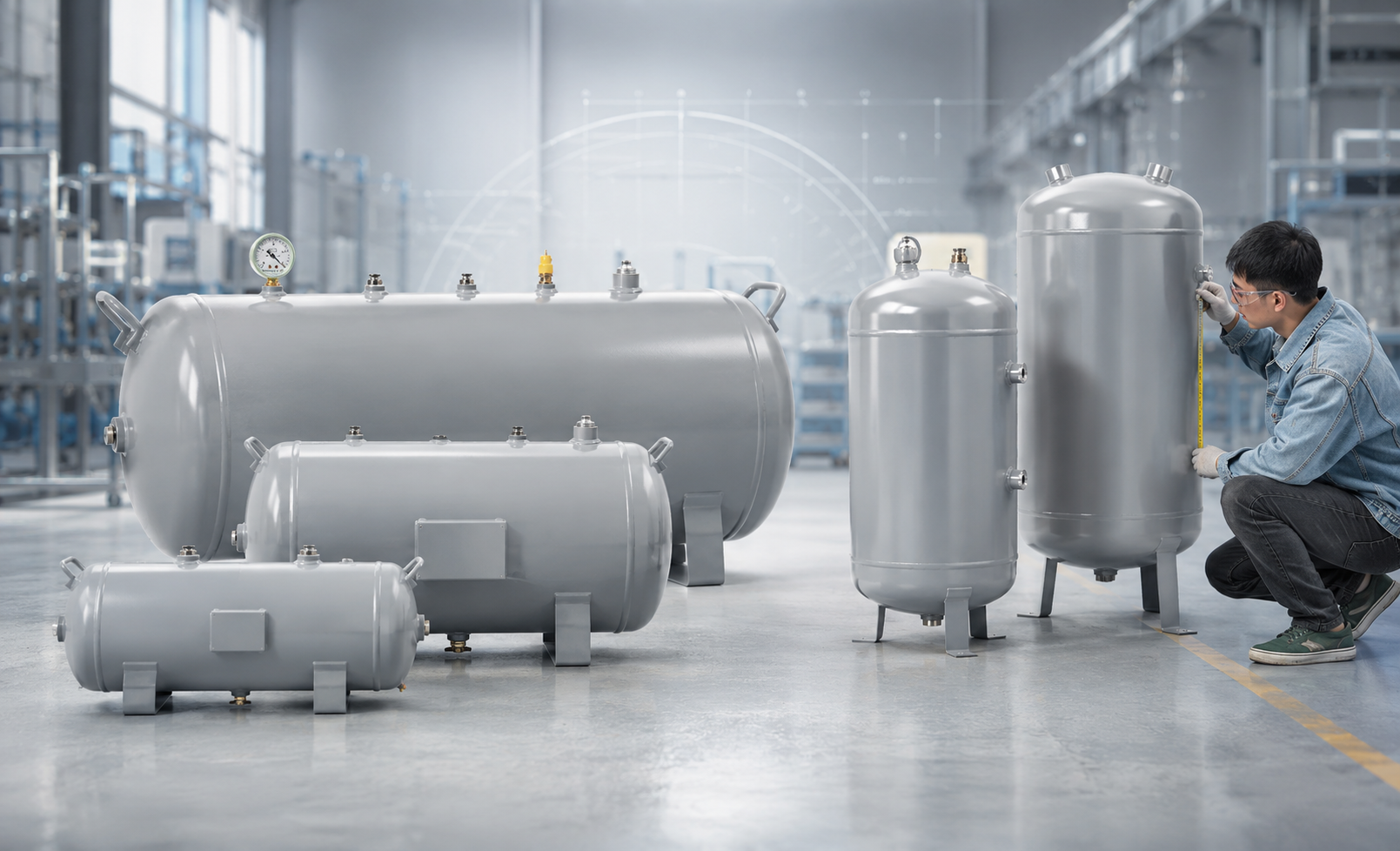
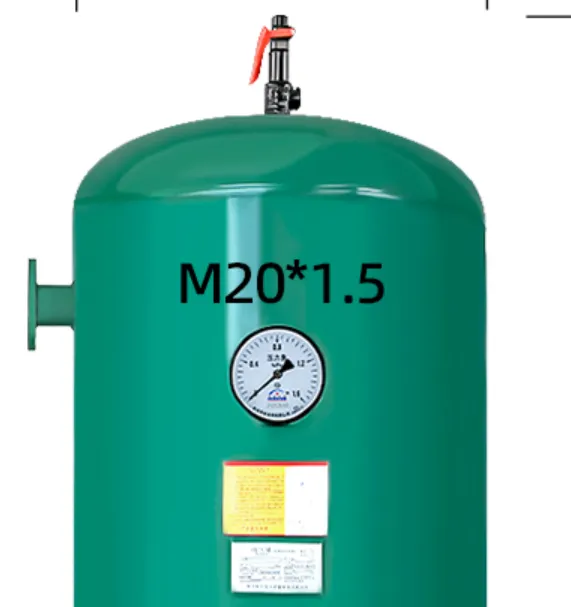
Nozzle joints are critical pressure‑bearing connections on industrial air receivers, linking the tank shell with flanges, threaded ports, safety valves, pressure gauges and other auxiliary components. The integrity of nozzle‑to‑shell welds directly determines the overall safety performance of pressure vessels. Defects such as porosity, undercut, weld overlap, incomplete fusion and slag inclusion on these joints may create hidden leakage risks. Under long‑term cyclic pressure load, minor welding imperfections can gradually expand into cracks, endangering the safe operation of the whole compressed‑air system.
As professional air tank manufacturer, YCZX implements complete standardized operating procedures for nozzle‑to‑shell welding. Strict checks cover drawing verification, component inspection, welding‑machine condition assessment, shielding‑gas parameter configuration and post‑weld visual examination. Every step follows formal work instructions. Our proactive front‑end quality control minimizes welding defects before they occur, ensures nozzle welds comply with GB150 and ASME pressure‑vessel requirements, and builds solid reliability for finished air receivers serving global industrial customers.
Step 1: Material and drawing verification before welding
The first step of nozzle welding is careful cross‑check against technical drawings. Operators verify the cylinder shell and nozzle workpieces one‑by‑one according to drawing specifications. Key dimensions including shell thickness, shell diameter, material grade and exact nozzle welding position must be fully matched. This verification procedure prevents wrong‑material and wrong‑dimension errors which would cause non‑conforming pressure‑vessel assemblies.
Strict operating rules are enforced on the production floor. If material grade or component specifications fail to match drawing requirements, welding work is strictly prohibited. Any deformed cylinder shell must be properly calibrated and corrected before tack‑welding and fit‑up. In addition, each nozzle connector shall be visually inspected for casting flaws, machining notches or surface defects before mounting onto the tank shell. Defective nozzles are rejected immediately. This thorough pre‑fit‑up check eliminates material‑related risks and avoids wasting processing time on unqualified parts.
Step 2: Welding‑equipment functional inspection
Well‑maintained welding equipment is a prerequisite for stable weld quality. Operators inspect the wire‑feeding system and gas‑nozzle protective sleeve of the welding machine before starting production. Under no‑load status, operators trigger manual wire feeding to observe wire delivery performance. Smooth, steady wire movement without shaking is required. The wire‑feeding pressure is adjusted properly to eliminate slipping or wire break‑off during welding.
Multiple potential equipment faults need to be addressed in advance. Rusty or tangled welding wire must be processed or replaced before loading onto the machine. Kinked or blocked wire‑guide tubes will disrupt consistent wire feeding; such components shall be cleaned or replaced without delay. Dirty protective sleeves clogged with welding spatter and slag are also cleaned, to guarantee unobstructed gas flow during welding. Equipment maintenance is not treated as optional auxiliary work at YCZX. Stable machine performance lays a hardware foundation for repeatable, high‑quality nozzle welds in mass production.
Step 3: Shielding‑gas mixture parameter confirmation
Gas‑shielded welding quality heavily relies on accurate shielding‑gas configuration. Improper pressure, flow rate or gas proportion will lead to typical weld failures. Operators check mixed‑gas pressure and flow settings to ensure all gas parameters conform to YCZX approved welding procedure specification (WPS) for air receiver nozzle joints. Our standard mixed‑gas formula is 85 % argon plus 15 % carbon dioxide, with automatic welding travel speed set at 13.5 m per minute.
Operators understand the risks brought by misadjusted gas values. Excessive pressure and flow tend to introduce air turbulence inside the weld zone and generate scattered porosity. On the contrary, insufficient shielding‑gas pressure and flow cannot form an effective protective atmosphere, resulting in weld‑metal oxidation and poor mechanical properties. Before arc initiation, operators purge the gas pipeline sufficiently to displace residual air trapped inside tubing. Complete purging prevents atmospheric contamination from ruining the first batch of welds. All gas‑related parameters are recorded for production traceability, consistent with ASME and export certification requirements.
Step 4: Post‑weld visual inspection of nozzle joints
Once nozzle‑to‑shell welding is finished, every joint undergoes detailed visual inspection. Operators carefully examine the full circumference of each nozzle weld for surface‑level defects including porosity, undercut and weld overlap. Visual screening catches obvious imperfections before components move to subsequent grinding and non‑destructive testing stages.
Two critical pre‑weld reminders remain valid for this stage. Fit‑up gaps beyond allowable tolerance must never be welded; correction is mandatory before any welding arc strikes. Furthermore, incomplete cleaning around nozzle cut‑out positions leaves dirt, burrs and slag residues. These contaminants are common triggers for porosity and slag inclusion inside weld metal. Therefore, thorough pre‑weld surface cleaning of nozzle openings is enforced. Visual inspection acts as the first‑line gatekeeper. Any detected non‑conformity triggers repair grinding and re‑welding. Defective workpieces are not allowed to flow to downstream manufacturing processes.
High‑performance nozzle‑to‑shell welds cannot depend solely on welding‑machine performance. They come from systematic multi‑stage controls: drawing‑based material validation, equipment health checks, precise shielding‑gas setup and rigorous post‑weld visual assessment. YCZX refuses to rely purely on later‑stage non‑destructive testing to find defects. Instead, we embed quality control deep within each production phase.
This nozzle welding procedure connects raw‑material incoming inspection, pre‑weld surface cleaning, grinding operations and final pressure‑tightness testing, forming part of our closed‑loop quality‑management system for air receivers. Every manufacturing action follows documented work instructions and maintains process traceability. By preventing material mismatches, equipment malfunctions and gas‑parameter errors, we greatly reduce welding‑defect rates and rework volume. For worldwide industrial partners across machinery, compressed‑air, energy and general manufacturing sectors, YCZX delivers robust, code‑compliant air receivers with durable pressure‑bearing nozzle joints and reliable long‑term operational safety.