Customization Should Start from Whole Machine Integration
When standard air tanks force OEMs to redesign piping, brackets, enclosures, or maintenance spaces, custom air tanks best demonstrate their value. A good customization project should start from the equipment layout and operational tasks, and then determine the air tank around these constraints.
The purpose of customization is not to deliberately create special shapes, but to reduce installation work, improve maintenance convenience, and make the air tank a controlled, repeatable component within the whole machine.
1. Clarify Functional Requirements
The tasks the air tank needs to accomplish should be specified: reducing compressor pulsation, decreasing start-stop cycles, supporting peak air usage, providing emergency air, or stabilizing local equipment pressure. This way, manufacturers can evaluate capacity and pressure based on functionality rather than simply replicating existing dimensions.
For custom air compressor tanks, the compressor output, control method, normal pressure, minimum allowable pressure, and equipment work cycle should also be provided.
2. Confirm Installation Envelope
Provide the maximum allowable diameter, length, and height of the equipment, as well as the clearances required for installation and maintenance. Nearby motors, dryers, filters, panels, piping, and moving parts should be marked. 3D models, assembly drawings, or dimensioned sketches are usually more valuable than single dimensional outlines.
How the air tank is hoisted, whether it needs to pass through panel openings, and how it is disassembled for maintenance should also be specified. This information will affect the installation direction and support structure.
3. Confirm All Interfaces Before Production
Interface | Information to Provide |
Inlet and Outlet | Size, position, orientation, and thread/flange type |
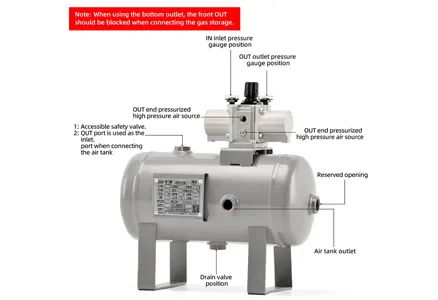
Drain Port | Lowest point and manual/automatic drain connection |
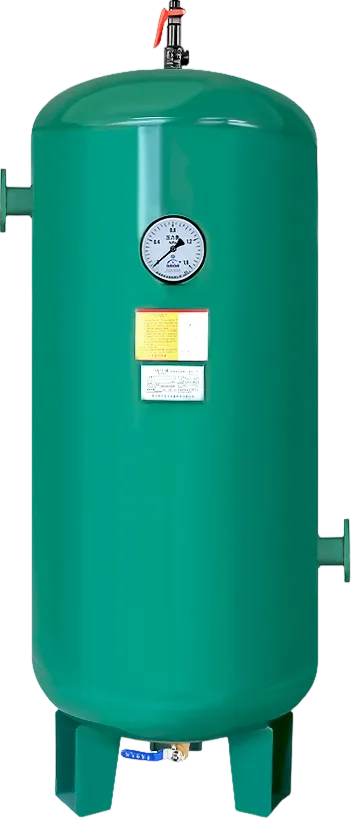
Pressure Gauge Interface | Size, operational space, and visibility |
Safety Valve Interface | Required connection type and unobstructed installation |
Inspection/Maintenance Interface | Size and operational space where applicable |
Sensor or Auxiliary Interface | Threads, location, and function |
4. Design Installation Structure According to Actual Load
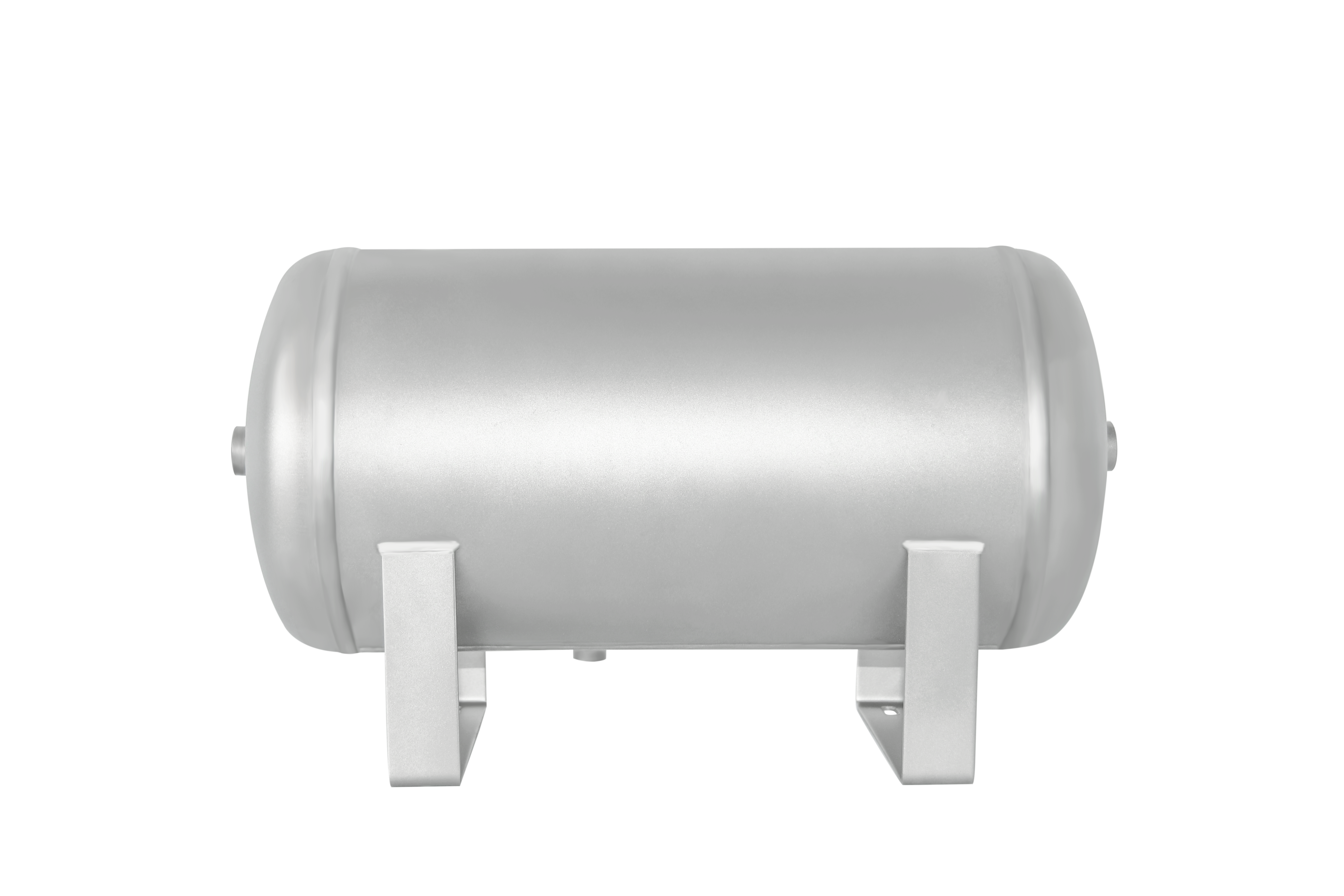
Custom air tanks can use legs, brackets, base plates, clamps, flanges, or whole machine frames. The installation structure must consider the container weight, vibration, transport load, piping reaction force, and operational space for drainage and safety devices.
The tank should not bear additional loads caused by misaligned rigid piping. OEMs need to incorporate support and piping flexibility into the overall machine design.
5. Select Materials and Surface Protection
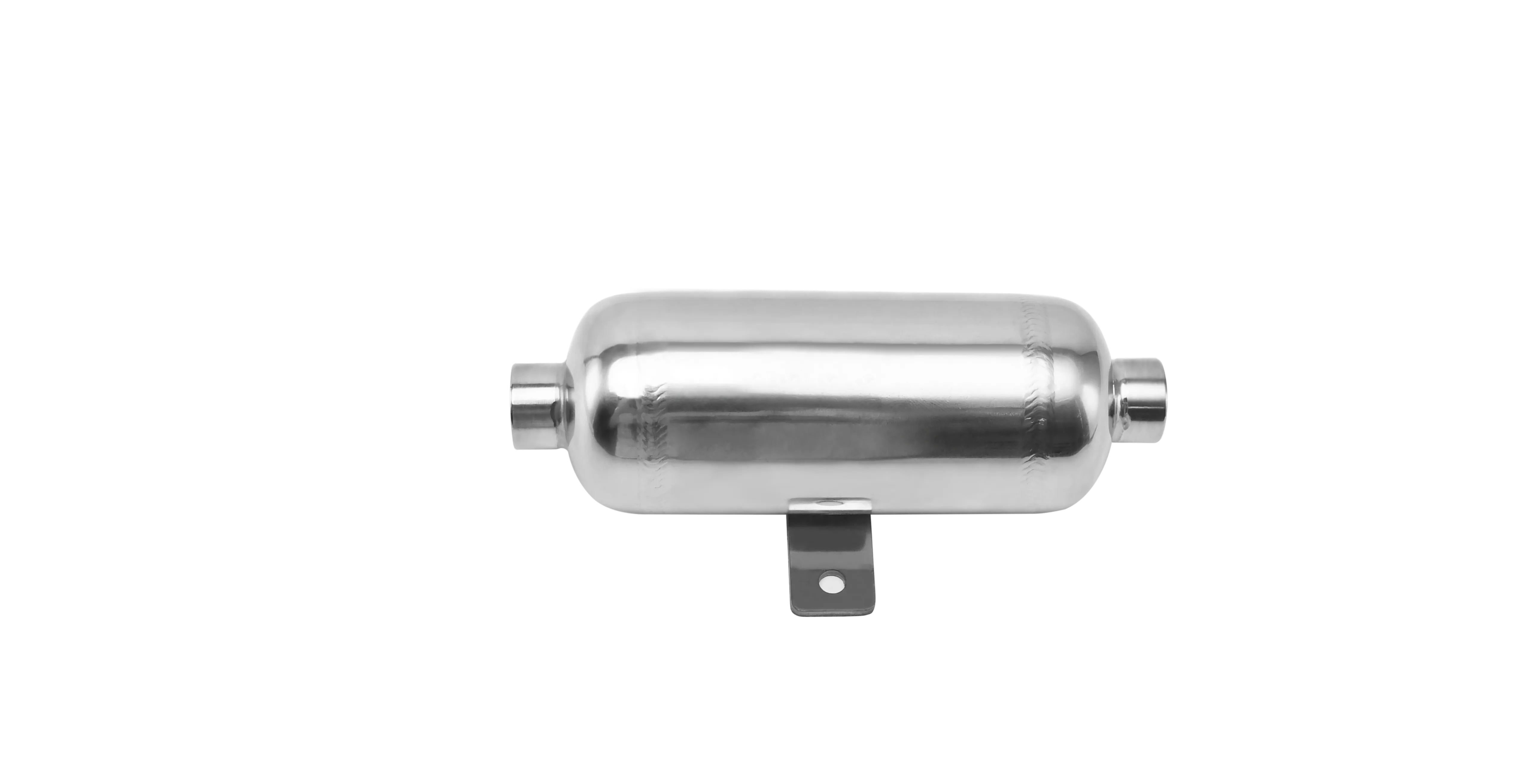
Carbon steel is suitable for many industrial devices, being economical and flexible in manufacturing. Stainless steel is more suitable for humid, corrosive, washdown, or cleanliness-sensitive environments. The RFQ should describe the actual environment and cleaning chemicals, rather than just specifying material names.
For carbon steel, the coating system and color should be confirmed; for stainless steel, the grade and surface treatment should be specified when the process truly requires it.
6. Confirm Compliance, Testing, and Documentation
The destination country and procurement specifications may determine CE/PED, ASME, or other paths. Relevant information should be provided before the final confirmation of drawings. The agreed inspection scope may include dimensions, welds, pressure or leak tests, coatings, and accessory checks.
Documentation may include confirmed drawings, material information, test records, nameplate data, and compliance documents. The specific document package should be written into the procurement specifications.
7. Plan Samples and Repeat Production
For new designs, installation, interfaces, and assembly can be confirmed through samples or first pieces before entering mass production. Once confirmed, drawing versions, serial numbers, tooling, and inspection points should be managed to ensure consistency in subsequent orders.
The value of project-based manufacturers lies not only in completing the first piece but also in maintaining the approved configuration in the long term.
OEM Inquiry Checklist
· Function and required air storage time
· Capacity, working pressure, and design temperature
· Compressor flow rate and work cycle
· Maximum installation envelope and direction
· Complete interface list
· Installation, hoisting, and transport requirements
· Material, surface, and corrosion environment
· Standards, certifications, and target market
· Quantity, sample requirements, and annual forecast
· Drawing format and document package
How YCZX Supports Custom Projects
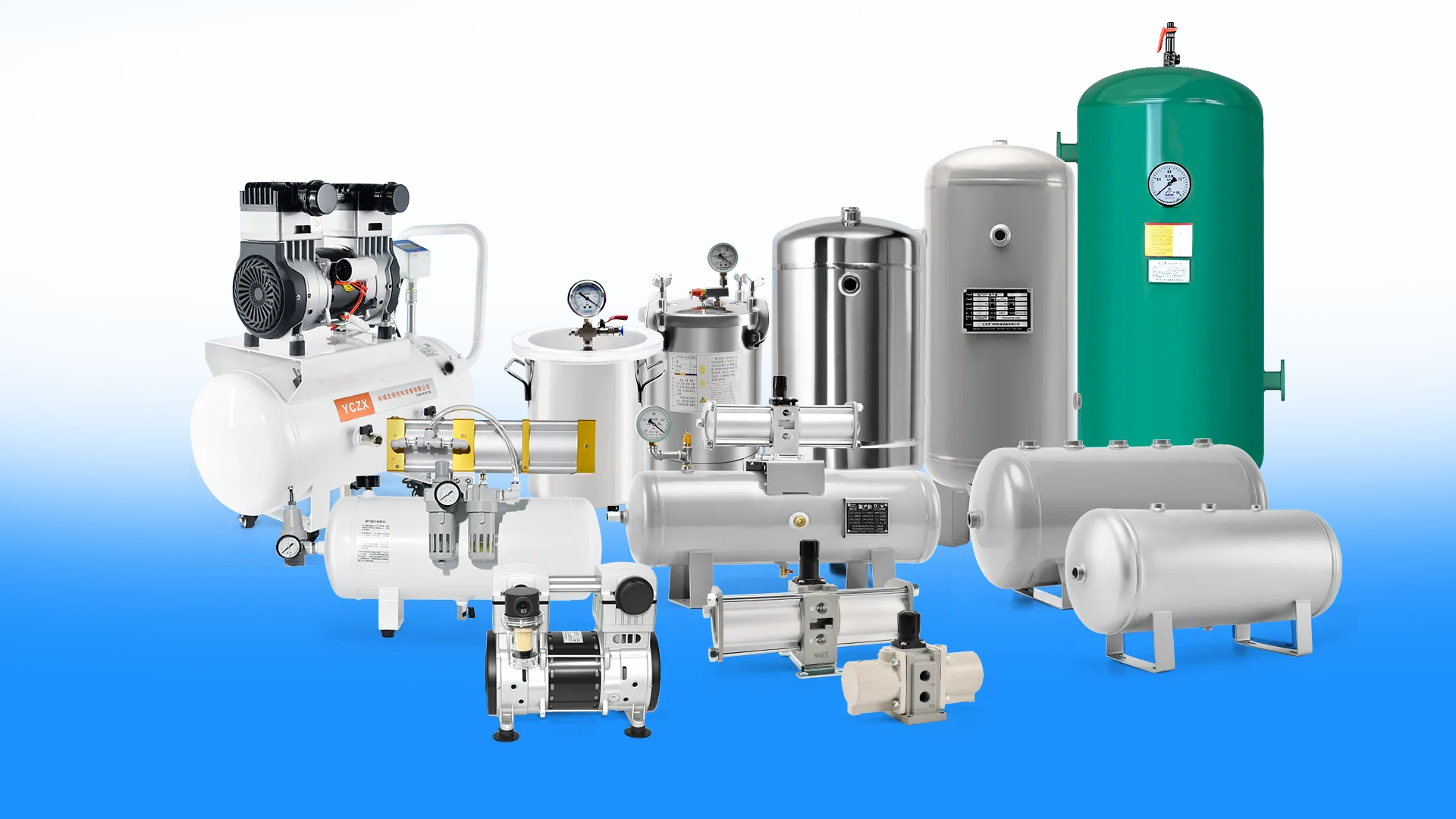
YCZX can develop custom air tanks for compressor units, pneumatic machinery, vehicle systems, and specialized OEM equipment. Buyers can submit drawings, specifications, or installation layouts for feasibility review. Final dimensions, testing, and compliance scope are subject to project confirmation content.
Frequently Asked Questions
Can standard air tanks be modified after production?
Certain accessories may be adjustable, but changes involving pressure-bearing structures should be evaluated before manufacturing, as later modifications may affect safety and compliance.
What format should OEMs provide for drawings?
Initial reviews can use dimensioned PDFs; STEP, DWG, or 3D assembly data helps with more in-depth integration checks.
How to shorten the lead time for custom projects?
Provide a complete interface table, installation envelope, target market, and drawing confirmation contact from the beginning.
Conclusion
Successful custom air tanks are determined by surrounding equipment. The clearer the OEM is about functions, space, interfaces, loads, materials, and compliance, the easier it is to obtain air tanks that are smoothly installed and can be stably repeated in subsequent batches.