The Capacity of an Air Receiver Tank Should Be Determined Based on the System's Operating Mode
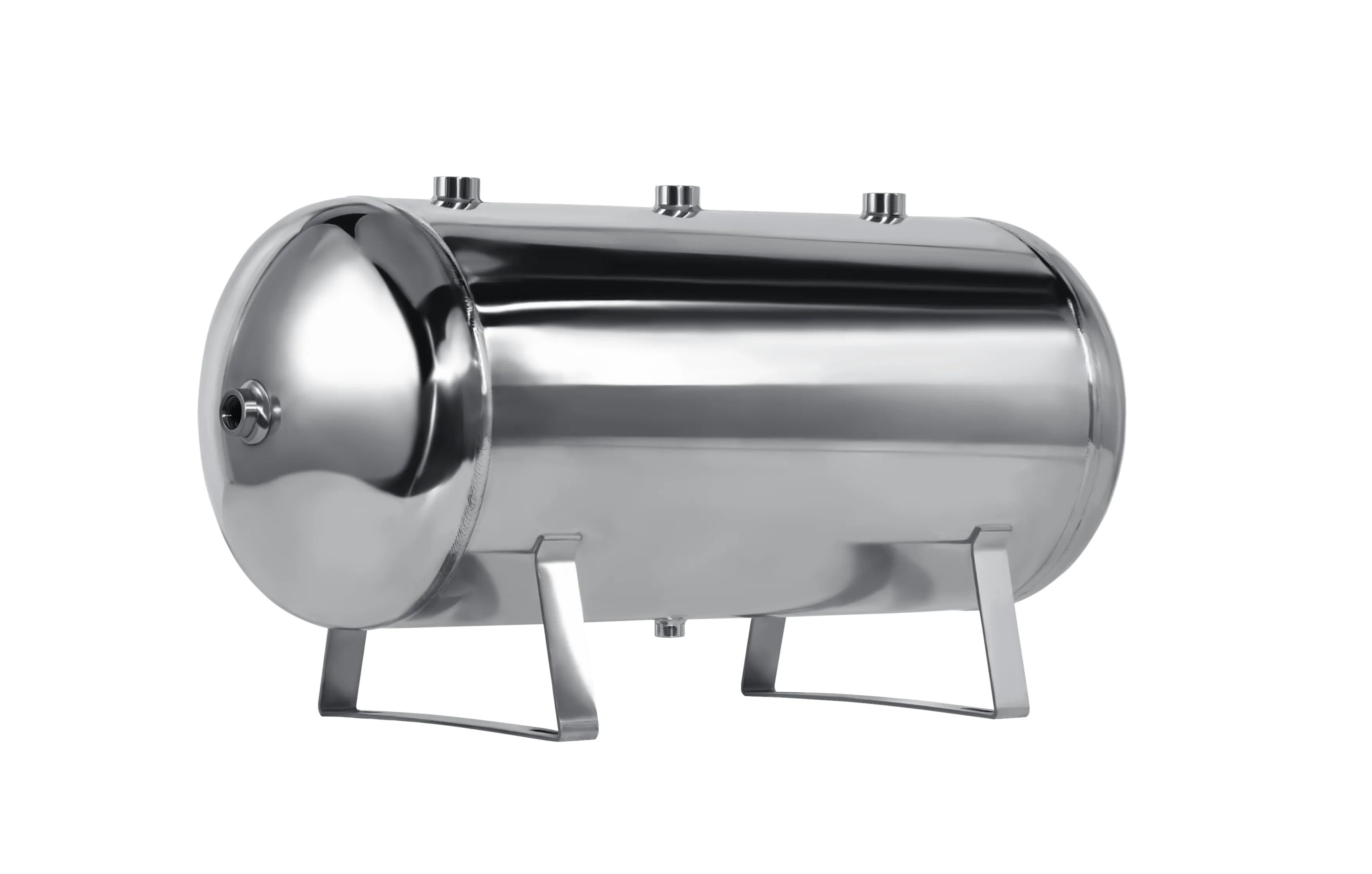
The air receiver tank can store compressed air, buffer short-term peak air demands, and provide response time for the compressor control system. The correct capacity depends on the issues the air receiver tank needs to address. An air receiver tank used solely for reducing pulsation may be much smaller than one used to support high-flow tools or stabilize process pressure during compressor loading and unloading.
Empirical ratios can be used for preliminary estimation but should not replace calculations based on compressor flow, pressure range, air consumption duration, and control strategy.
Four Inputs the Purchaser Must Confirm First
· The compressor's free air delivery, or actual output at the required pressure
· Normal operating pressure and acceptable minimum pressure
· Duration and flow rate of peak air consumption events
· Compressor control method, loading time, and allowable cycling frequency
A Practical Calculation Relationship for Air Storage Capacity
For short-term air consumption events, the following simplified relationship can be used for preliminary estimation:
Air receiver tank volume ≈ required free air flow × support time × atmospheric pressure ÷ (high absolute pressure − low absolute pressure).
Pressure units must be unified in calculations, and gauge pressure must be converted to absolute pressure. This relationship is based on the ideal gas approximation, suitable for preliminary engineering estimates. Temperature changes, continuous air supply during consumption, pipeline losses, and control response will all affect the final result.
Calculation Example
Assume a process requires an additional 1.0 m³/min of free air for 30 seconds; the system allows pressure to drop from 8 bar(g) to 7 bar(g). The required free air amount is 0.5 m³, with an absolute pressure difference of 1 bar, resulting in a simplified calculation of an air receiver tank volume of approximately 0.5 m³, or 500 L.
This does not mean 500 L will be chosen in the end. Engineers may need to add allowances for demand uncertainty, future expansions, temperature, and pressure losses. If the compressor continues to supply air during the event, the actual gap flow should be used instead of the full process flow.
Why "How Many Liters per Kilowatt" Can Only Be a Starting Point?
Tables providing air receiver tank capacity ranges based on compressor power are very convenient, but two systems with the same power may require completely different air storage volumes. Systems with stable air consumption may only need a small buffer, while intermittent tools, laser cutting, purging, or fast actuators usually require larger air storage space.
Experienced air compressor tank manufacturers will inquire about how the air is used, rather than just matching the air receiver tank based on motor power.
Main Air Receiver Tank and Local Air Receiver Tanks Have Different Tasks
The main air receiver tank installed near the air compressor can stabilize system pressure, help separate some condensate, and reduce control cycles. Local air receiver tanks installed near high air consumption equipment can provide on-site buffering and reduce the impact of long-distance or high-resistance pipelines.
If a pressure drop only occurs in a specific production unit, adding local air receiver tanks may be more effective than simply enlarging the main air receiver tank. It is also necessary to check pipeline diameter, valve flow capacity, and pressure regulation devices.
Common Mistakes in Capacity Selection
Mistake | Potential Issues |
Choosing based solely on compressor power | Ignores air consumption patterns and pressure ranges |
Directly using gauge pressure in formulas | Leads to incorrect air storage estimation |
Ignoring continuous air supply from the compressor | May result in choosing an overly large air receiver tank |
Ignoring pipeline pressure losses | Insufficient pressure at equipment end |
Not considering future equipment | System may soon need another upgrade |
Focusing only on capacity without considering installation | Air receiver tank may not be installable or difficult to drain |
What Information Should Be Provided When Requesting Capacity Recommendations?
When contacting air receiver tank manufacturers, provide compressor model or free air delivery, working pressure, peak air consumption, duration, allowable pressure drop, available space, installation direction, and target market. If the air receiver tank is to be installed in OEM equipment, layout drawings and interface requirements should also be provided.
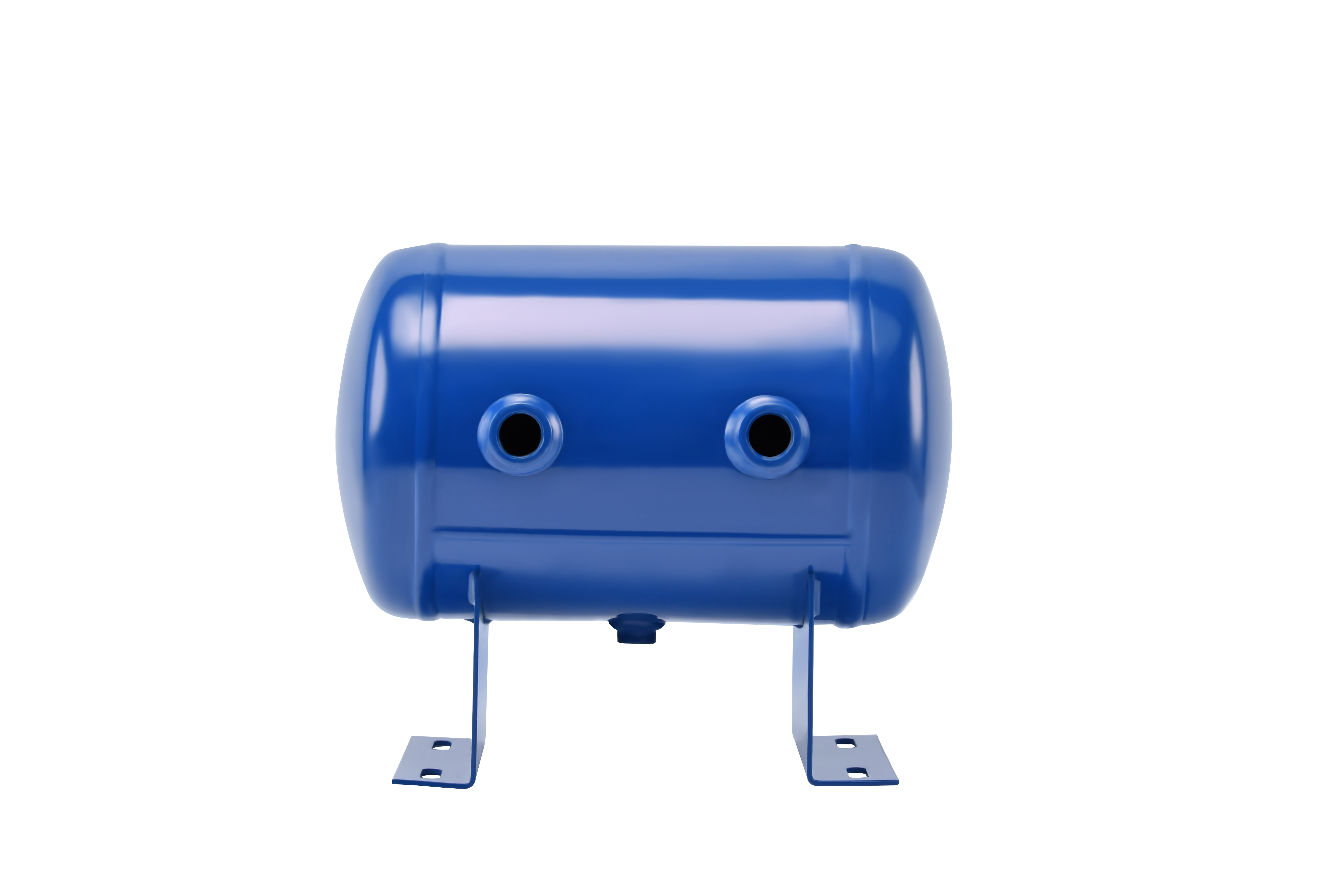
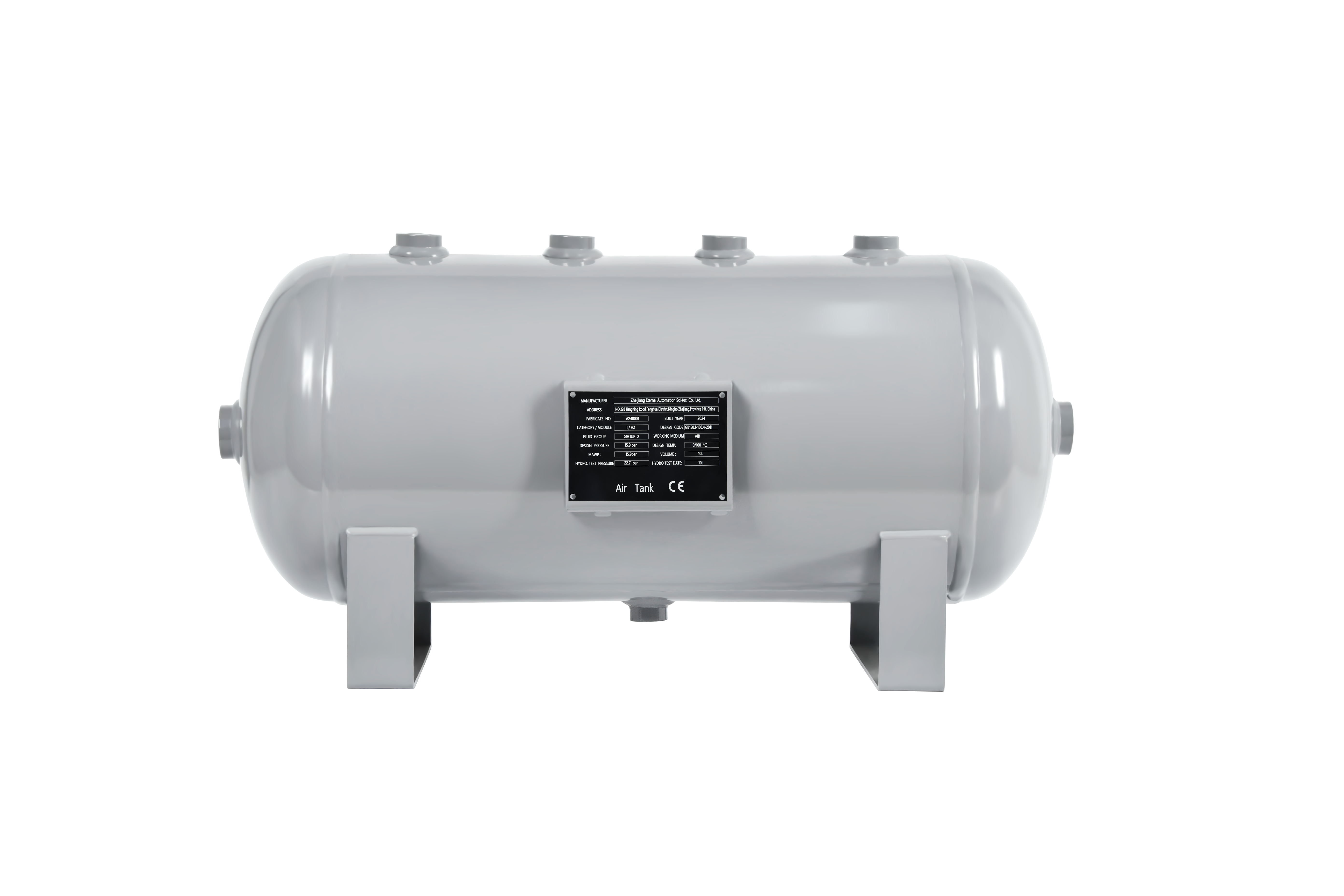
YCZX can provide industrial air receiver tanks, including horizontal, vertical, carbon steel, stainless steel, and custom configurations. Final selection should also confirm safety accessories, drainage, and applicable compliance requirements.
Frequently Asked Questions
Can an Air Receiver Tank Compensate for Insufficient Compressor Capacity?
It can support short-term peak air demands but cannot provide more air than the compressor system's capacity in the long term.
Is a Larger Air Receiver Tank Always Better?
Not necessarily. Larger air receiver tanks take up more space, cost more, and may extend pressure recovery time. Capacity should target specific system issues.
Should Gauge or Absolute Pressure Be Used in Calculations?
Absolute pressure should be used in air storage calculations, and atmospheric pressure should be added to gauge pressure before using formulas.
Conclusion
Reasonable selection should start from peak air consumption events: how much air is needed, for how long, and what is the allowable pressure drop range. First calculate the air storage requirement, then complete the final selection by considering compressor operation, pipelines, installation direction, drainage, safety, and compliance requirements.