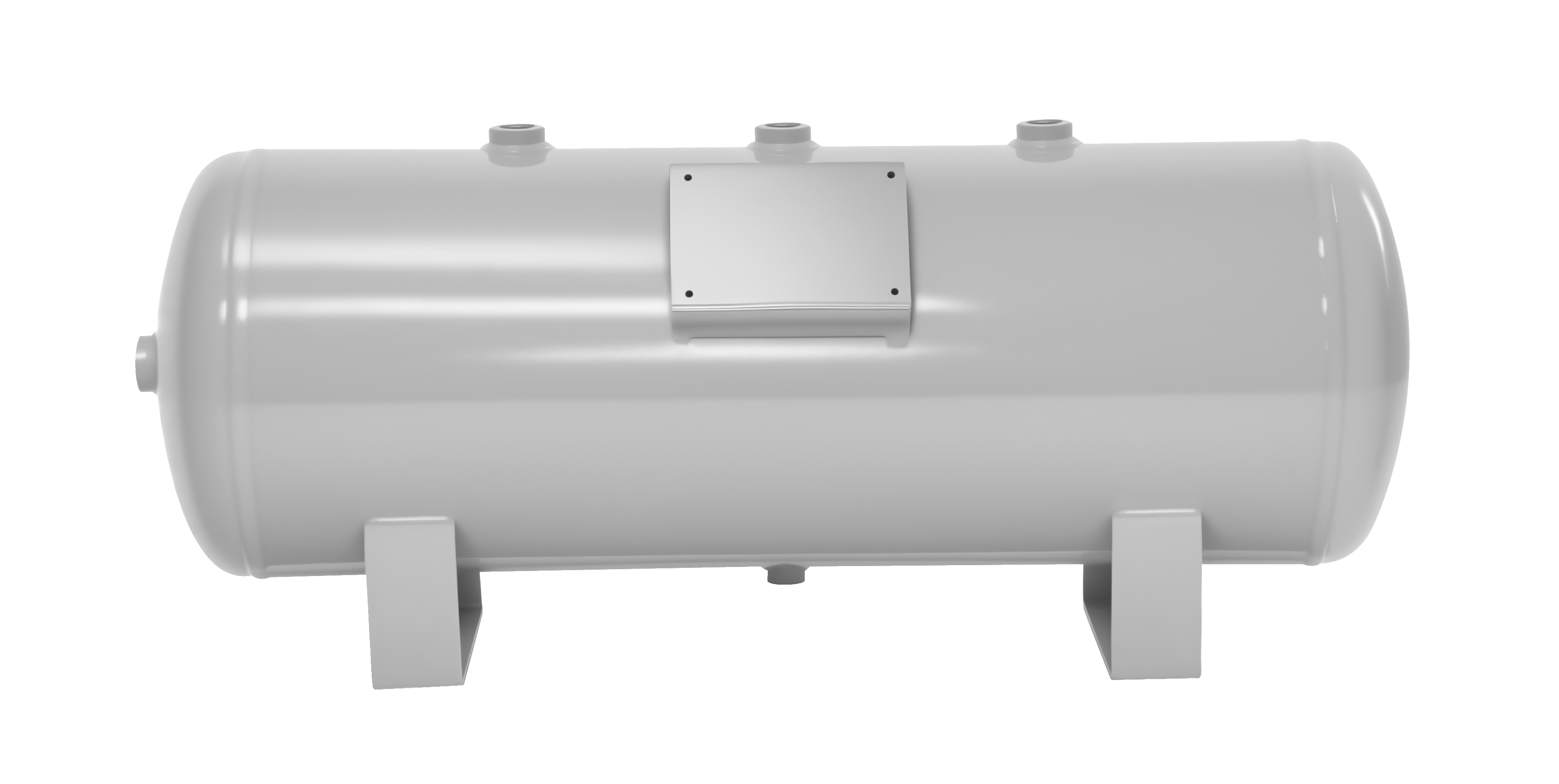
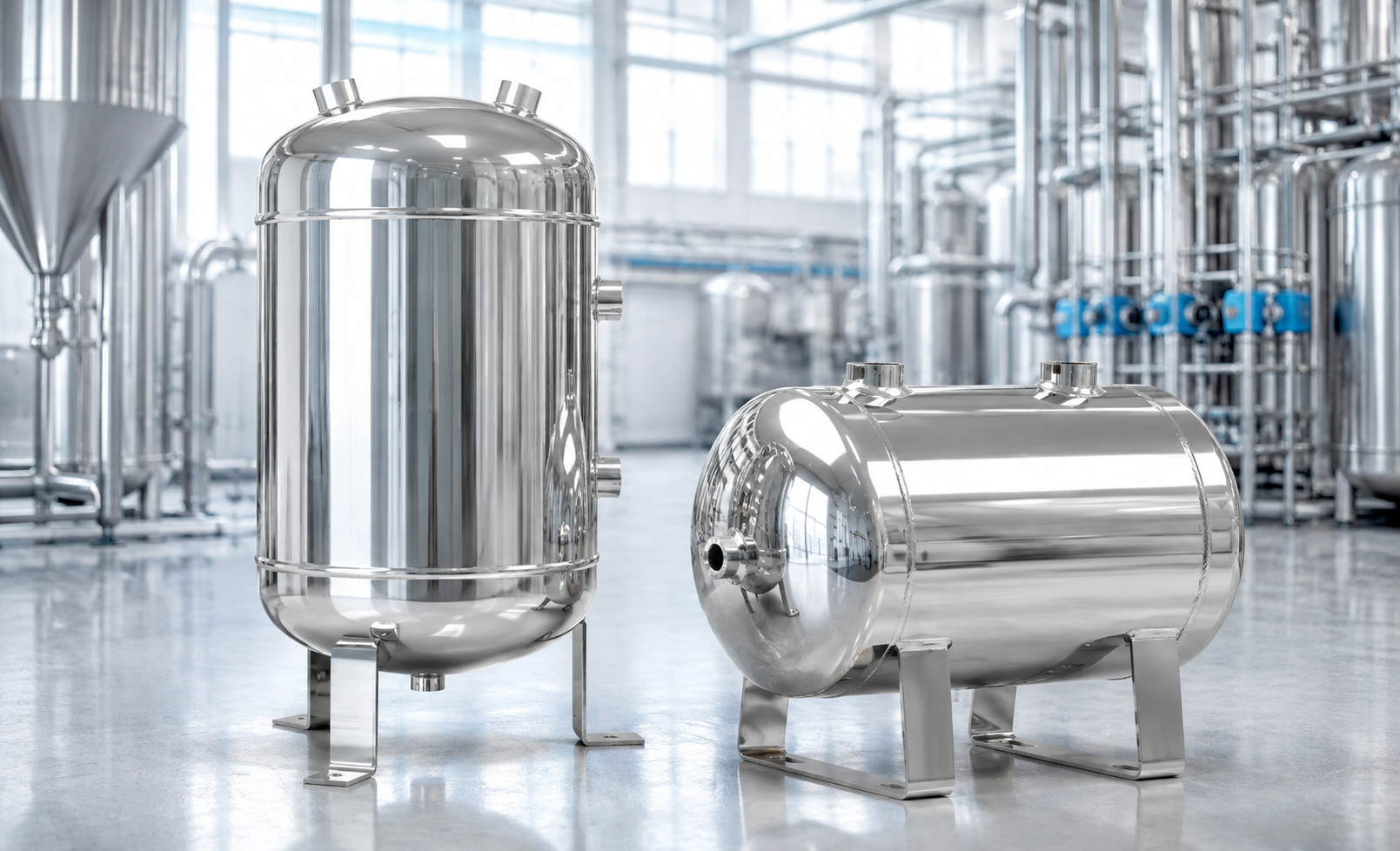
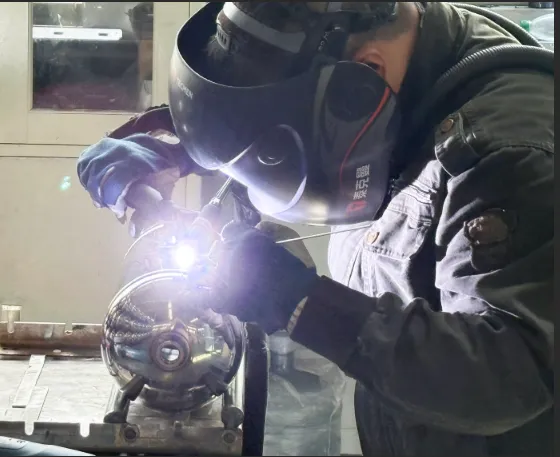
A portable air receiver tank provides temporary compressed air storage for maintenance, service work, and applications where a fixed receiver is not practical. It can help manage short-term air demand, supply pneumatic tools when a suitable compressed air source is available, and provide storage close to the point of use. However, choosing the right portable air tank requires more than comparing tank volume. Buyers should evaluate air demand, working pressure, overall dimensions, connection requirements, material, and safety provisions to ensure the tank suits the intended application.
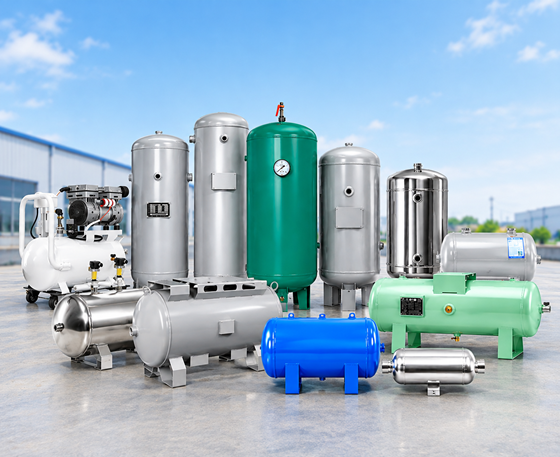
When Is a Portable Air Receiver Tank the Right Choice?
A fixed air receiver is generally suitable for permanent compressed air installations with predictable demand. A portable compressed air tank may be more practical when maintenance teams work in different locations, equipment requires temporary air storage, or available installation space is limited.
Portable air receivers can support applications such as:
Field maintenance: Providing temporary compressed air storage near equipment being serviced.
Workshop operations: Supplying stored air for intermittent pneumatic tool use where the available air source and pressure are suitable.
Temporary installations: Supporting commissioning, repair, and other short-term industrial tasks.
Space-constrained work areas: Using a compact receiver where a larger fixed installation is impractical.
A portable receiver stores compressed air but does not generate it. Buyers must determine whether the available compressor or other approved air source can meet the required flow and recharge the tank within the expected operating cycle.
The tank should also be designed for its intended service. Not every portable tank is suitable for transportation while pressurized, outdoor exposure, or continuous industrial operation. Confirm these conditions against the manufacturer's specifications before selecting a model.
How to Choose the Right Portable Air Tank Capacity
Tank capacity determines the volume of compressed air that can be stored, but it does not directly establish how long a tool can operate. The usable air supply depends on the initial tank pressure, minimum usable pressure, tool consumption, and recharge rate.
When comparing a small portable air tank with a larger receiver, evaluate the following factors:
Air consumption: Determine the air consumption of the connected tools or equipment, including their rated pressure and flow requirements.
Operating duration: Estimate how long the equipment must operate between recharge cycles.
Recharge capability: Confirm that the compressor can replenish the stored air quickly enough for the expected duty cycle.
Available space: Check the tank's height, diameter, overall length, and clearance requirements.
Handling requirements: Consider the tank's empty weight, accessories, and approved transportation or lifting arrangements.
For example, a receiver used for occasional short-duration tasks may require less storage than one supporting repeated pneumatic operations. However, selecting a larger tank alone will not resolve insufficient compressor capacity or a sustained air demand that exceeds the available supply.
A practical selection process starts with the equipment's air consumption and minimum operating pressure, then establishes the required storage volume and recharge interval. The final tank size should be confirmed against the actual operating conditions rather than chosen solely by nominal capacity.
Working Pressure and Safety Requirements for Portable Air Tanks
Working pressure is one of the most important specifications when selecting a portable compressed air tank. The receiver must be rated for the intended operating pressure, and all connected components must be compatible with the system's pressure limits.
Before purchasing a tank, verify:
Rated working pressure: Confirm that the vessel is suitable for the required operating conditions.
Temperature limits: Check the permitted operating temperature range.
Pressure relief protection: Verify that the specified pressure relief device is appropriate for the vessel and application.
Pressure indication: Confirm that suitable pressure monitoring is provided.
Applicable compliance requirements: Check the pressure-vessel standards and regulatory requirements for the intended market and installation.
The maximum allowable working pressure of the receiver is not the target operating pressure for every application. The system should operate within the manufacturer's specified limits, with appropriate pressure regulation and safety protection.
Inspect the vessel and its connections for corrosion, leakage, deformation, or other damage. Never bypass pressure relief devices, exceed the rated pressure, or attempt to repair a pressurized tank. Depressurization, inspection, and maintenance must follow the manufacturer's instructions and applicable safety requirements.
Connections, Dimensions, and Mobility Features
A portable air receiver tank must integrate with the existing compressed air system. Connection layout affects installation, hose routing, accessibility, and maintenance.
Before selecting a model, check the following details:
Inlet and outlet connections: Verify connection sizes, types, and locations against the connected equipment.
Drain connection: Confirm that accumulated condensate can be removed safely.
Pressure gauge and safety-device connections: Ensure that the specified monitoring and protective components can be installed and accessed.
Overall dimensions: Check whether the receiver fits the available workspace, storage area, or approved transport arrangement.
Mobility and mounting features: Confirm the availability and suitability of handles, wheels, brackets, or designated lifting points where required.
The best configuration depends on how the receiver will be used. A compact design may suit a restricted workspace, while a larger receiver may be more appropriate where additional storage is required and movement is infrequent.
Adapters and fittings must meet the relevant pressure and connection requirements. Never use air pipes, valves, or other connections as lifting points. If the receiver must be moved between work areas, follow the manufacturer's instructions for handling, securing, and depressurizing the equipment.
How to Select Materials for a Portable Compressed Air Tank
Material selection affects the receiver's weight, durability, corrosion resistance, and maintenance requirements. Buyers should choose a vessel material and construction that meet the specified pressure rating and environmental conditions.
Carbon steel is commonly used for industrial air receivers because of its strength and suitability for many compressed air applications. The required corrosion protection depends on the operating environment, surface treatment, and maintenance plan.
Stainless steel may be appropriate where corrosion resistance is an important consideration. However, its suitability should be evaluated against the actual environment, required pressure rating, and project specifications.
When comparing available portable tanks, consider:
Environmental exposure: Identify whether the receiver will be used indoors, outdoors, or in a humid or corrosive environment.
Corrosion protection: Review the coating, surface treatment, drainage arrangement, and inspection requirements.
Weight and handling: Consider how the vessel material affects the total weight and handling arrangements.
Service life and maintenance: Evaluate inspection intervals and the maintenance required under the expected operating conditions.
Product documentation: Confirm that the material, vessel construction, and pressure rating are supported by the manufacturer's specifications.
Material selection should be based on verified product data rather than assumptions about weight or corrosion resistance. Buyers should also confirm that the chosen material is available in the required tank configuration.
How to Select a Portable Air Receiver Tank for Your Application
A structured selection process helps buyers compare models consistently and avoid choosing a receiver based on capacity alone.
Step 1: Define the air demand. Identify the connected equipment, required air flow, operating pressure, and expected duty cycle.
Step 2: Determine the storage requirement. Estimate the usable air needed between recharge cycles and confirm that the available compressor can replenish the receiver.
Step 3: Confirm the pressure rating. Match the vessel rating, operating conditions, and safety provisions to the intended application.
Step 4: Check dimensions and connections. Verify the tank's overall dimensions, connection layout, drainage arrangement, and compatibility with the existing system.
Step 5: Review materials and documentation. Confirm material specifications, corrosion protection, inspection requirements, and applicable compliance documentation.
Step 6: Evaluate handling and installation. Check the receiver's weight, mounting requirements, and any restrictions on transportation or operation.
For buyers comparing a portable compressed air tank for occasional maintenance with one intended for repeated industrial use, these checks help establish whether the same configuration can meet the operating requirements. If the intended duty cycle, working pressure, or environmental conditions differ, the receiver specification should be reviewed accordingly.
FAQs About Portable Air Receiver Tanks
What Is a Portable Air Tank Used For?
A portable air tank stores compressed air for temporary use in maintenance, workshop operations, and other suitable applications. It can provide local storage near the point of use, provided that the receiver's pressure rating and capacity meet the equipment requirements.
How Do I Choose the Right Portable Air Tank Capacity?
Estimate the connected equipment's air consumption, operating pressure, duty cycle, and available recharge rate. Then determine the required usable air volume and select a receiver that meets the demand without creating unnecessary handling or space constraints.
What Makes a Compressed Air Tank Portable?
Portability depends on the tank's dimensions, weight, handling features, and intended operating conditions. A portable design may be easier to position or transport than a fixed receiver, but buyers must confirm whether the specific model is approved for the intended handling and transportation arrangements.
Can a Portable Compressed Air Tank Work With Any Compressor?
No. The compressor's output pressure and flow rate must be compatible with the receiver and connected equipment. The system also requires appropriate fittings, pressure regulation, and safety protection. Never exceed the vessel's specified pressure limits.
Is a Small Portable Air Tank Suitable for Industrial Use?
A small portable air tank can suit industrial maintenance or intermittent pneumatic applications when its capacity, working pressure, and connections meet the requirements. It may be insufficient for equipment with high or continuous air consumption. Confirm the expected duty cycle and recharge requirements before selecting a model.
What Maintenance Does a Portable Air Receiver Tank Require?
Follow the manufacturer's inspection and maintenance schedule. Check for corrosion, damage, leakage, and problems with connections or safety devices. Drain condensate as instructed, and ensure that inspections and servicing are performed under the required safe, depressurized conditions.
Conclusion
Selecting a portable air receiver tank requires balancing storage capacity, working pressure, dimensions, material, and handling requirements. Buyers should assess actual air demand, verify compressor compatibility, review safety provisions, and confirm the manufacturer's specifications before choosing a model. A properly selected portable air tank can provide practical compressed air storage for suitable applications while supporting safe operation and manageable maintenance.