Regularly draining air tanks is essential for maintaining compressed air quality, reducing internal corrosion risks, and protecting downstream equipment. When a compressor draws in atmospheric air, it also draws in moisture. As compressed air cools inside a compressed air tank, water vapor condenses into liquid and collects at the bottom of the vessel. Without effective drainage, accumulated condensate can contaminate air lines, increase maintenance requirements, and contribute to equipment deterioration. Understanding drainage methods, operating conditions, and installation requirements helps industrial users maintain safer and more reliable compressed air storage.
Why Condensate Collects Inside Compressed Air Tanks
Atmospheric air naturally contains water vapor. During compression, air pressure and temperature increase. As the compressed air cools in the compressor system or storage vessel, some water vapor condenses into liquid.
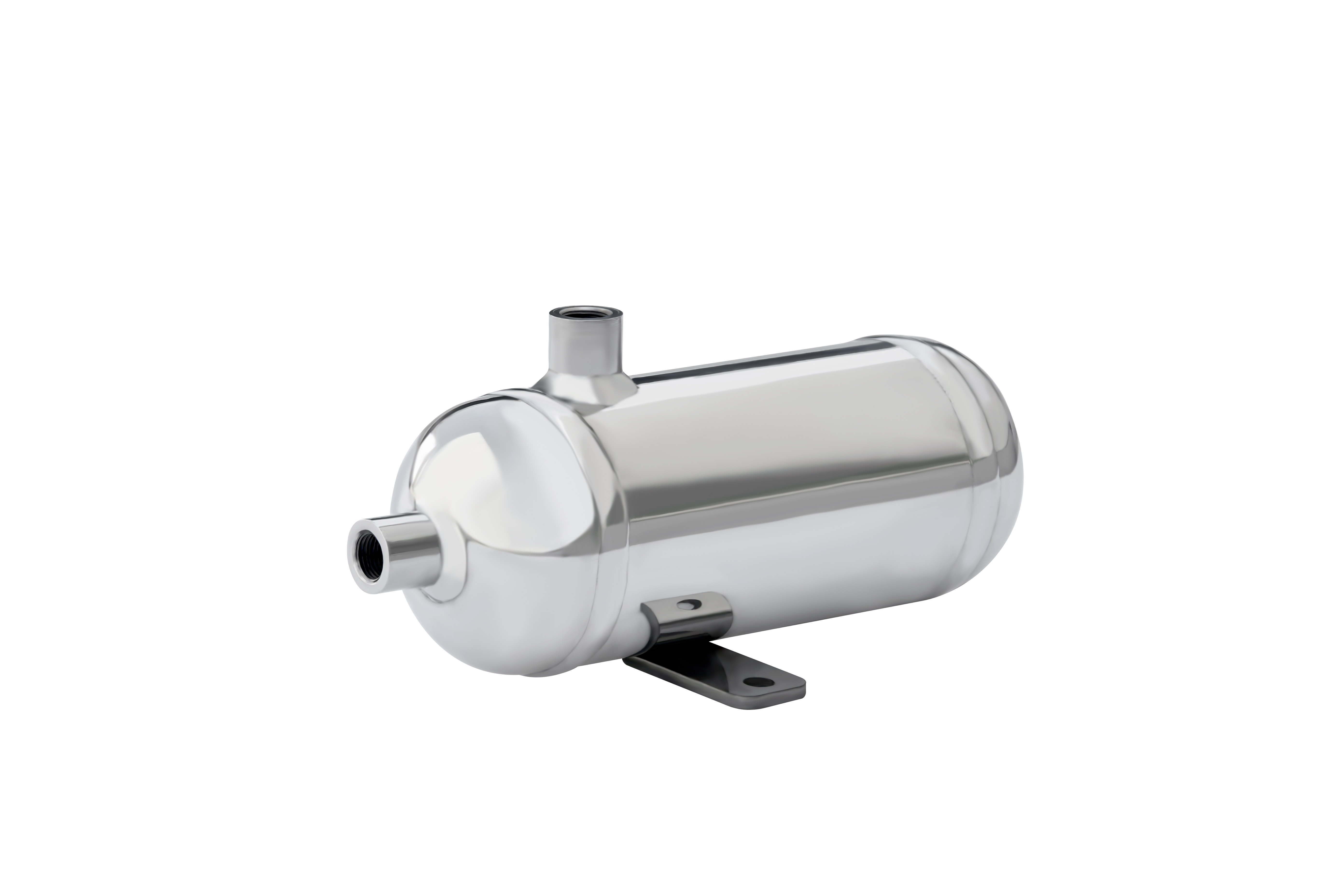
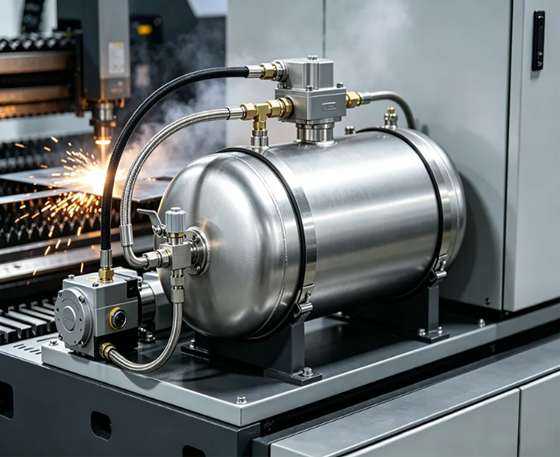
An air receiver tank provides space for compressed air to cool and liquid droplets to settle. The amount of condensate depends on ambient humidity, compressor output, operating temperature, and the performance of upstream moisture-removal equipment.
Collected water may also contain traces of compressor oil, airborne contaminants, or corrosion products, depending on the system. If it remains inside the vessel, moisture can contribute to internal corrosion and carry contamination into downstream piping, pneumatic tools, and production equipment.
Draining removes accumulated liquid before it creates operational problems. However, drainage is only one part of compressed air treatment. Aftercoolers, moisture separators, filters, and air dryers may also be necessary when an application requires specific air quality. A drain alone cannot remove all water vapor from compressed air.
Manual and Automatic Methods for Draining Air Tanks
The right drainage method depends on condensate volume, operating hours, tank accessibility, and available maintenance resources. Both manual and automatic drains can work effectively when correctly selected and maintained.
Manual drain valves: Operators open a designated valve to release collected condensate. This option is straightforward and economical, but it relies on regular inspections and consistent maintenance procedures.
Automatic timer drains: These devices discharge condensate at preset intervals. Incorrect timing may waste compressed air or allow water to accumulate between cycles.
Automatic level-sensing drains: These devices respond to collected liquid and can reduce unnecessary discharge when properly selected. They still require correct installation and routine functional checks.
For smaller installations with accessible tanks, a manual drain may be sufficient if staff follow a documented schedule. Automatic drains can be useful in continuously operated facilities or environments where moisture accumulates rapidly.
The discharge arrangement should direct condensate safely into an appropriate collection or treatment system. Where oil may be present, disposal must comply with applicable environmental requirements. Operators should also check for blocked outlets, leaking valves, and malfunctioning automatic controls.
How Humidity and Compressor Duty Cycle Affect Drain Frequency
Drain frequency should reflect actual operating conditions rather than a universal timetable. High ambient humidity generally increases the moisture entering a compressor, while greater air throughput can increase condensate production.
Compressor duty cycle also matters. A continuously operating system may generate condensate steadily, whereas an intermittent system may experience changing moisture levels during startup, operation, and cooling. Aftercoolers, separators, and dryers can reduce the amount of liquid reaching the air receiver tank, but they do not eliminate the need to check drainage arrangements.
Use the manufacturer's recommendations as a starting point, then inspect condensate accumulation under normal operating conditions. Record how quickly water collects during different workloads or seasons. These observations help establish an appropriate manual-drain schedule or automatic-drain setting.
Do not assume that little visible water means the entire system is dry. Condensate may also collect in filters, pipework, and other low points. Effective moisture management should therefore cover the complete compressed air network, not just the storage vessel.
Drain Port Location and Piping Considerations
Correct installation is essential for effective drainage. The drain connection should be located at the designated low point of the vessel, allowing gravity to direct collected liquid toward the outlet. Install the compressed air tank in the orientation specified by its manufacturer.
Drain piping should permit reliable discharge without unnecessary restrictions. Avoid arrangements that trap liquid, obstruct access, or place excessive mechanical loads on the drain fitting. Keep valves and connections accessible for inspection and maintenance.
If condensate is routed to a collection line, confirm that the arrangement supports proper discharge and does not create unwanted backpressure. Follow manufacturer requirements for compatible fittings, piping, and isolation procedures. Never loosen a drain fitting or open an unapproved connection while the vessel is pressurized.
Signs Poor Drainage Is Affecting Air Receiver Tank Performance
Inadequate drainage can affect compressed air quality, increase maintenance needs, and potentially compromise equipment reliability. Watch for these warning signs:
Water in downstream equipment: Moisture in air filters, pipelines, or pneumatic tools may indicate that condensate is not being removed effectively.
Blocked or leaking drain valves: A drain that fails to release water or leaks continuously may require inspection, cleaning, or replacement.
Unexpected condensate buildup: Water accumulating faster than usual may indicate higher humidity, increased compressor demand, or problems with upstream moisture-removal equipment.
Signs of internal corrosion: Rust, damaged surfaces, or suspected vessel deterioration require assessment by qualified personnel because pressure-vessel integrity may be affected.
Routine checks of drain operation, discharge patterns, and downstream moisture can help identify problems early. Combine these checks with scheduled vessel inspections and maintenance of the wider compressed air treatment system. Never attempt unauthorized repairs to a pressure vessel, and follow approved procedures before servicing pressurized equipment.
Conclusion
Effective draining air tanks helps control condensate, reduce corrosion risks, and protect downstream equipment. By choosing suitable drain methods, adjusting maintenance to humidity and compressor duty cycles, and installing drainage components correctly, industrial facilities can improve compressed air system reliability. Regular inspections, appropriate moisture treatment, and compliance with manufacturer instructions are essential for maintaining safe and dependable compressed air tank and air receiver tank performance.
FAQs About Draining Air Tanks
How often should I drain an air receiver tank?
Drain frequency depends on humidity, compressor duty cycle, system design, and condensate volume. Follow manufacturer guidance and inspect accumulation to establish an appropriate schedule. Automatic drains should also be checked regularly to confirm that they are operating correctly.
Is an automatic drain better than a manual drain?
Automatic drains reduce dependence on operator intervention and can suit systems with frequent condensate accumulation. Manual drains may be adequate for smaller installations when staff follow a consistent maintenance routine.
What happens if condensate remains inside an air storage tank?
Accumulated water can promote internal corrosion and carry moisture into downstream equipment. Over time, this can increase maintenance requirements and create reliability or safety concerns. Routine drainage and inspection help reduce these risks.
Can I drain an air tank while it is pressurized?
Only use a drain arrangement specifically designed for operation under pressure and follow its approved procedure. Never loosen fittings or open unapproved connections while the tank is pressurized.