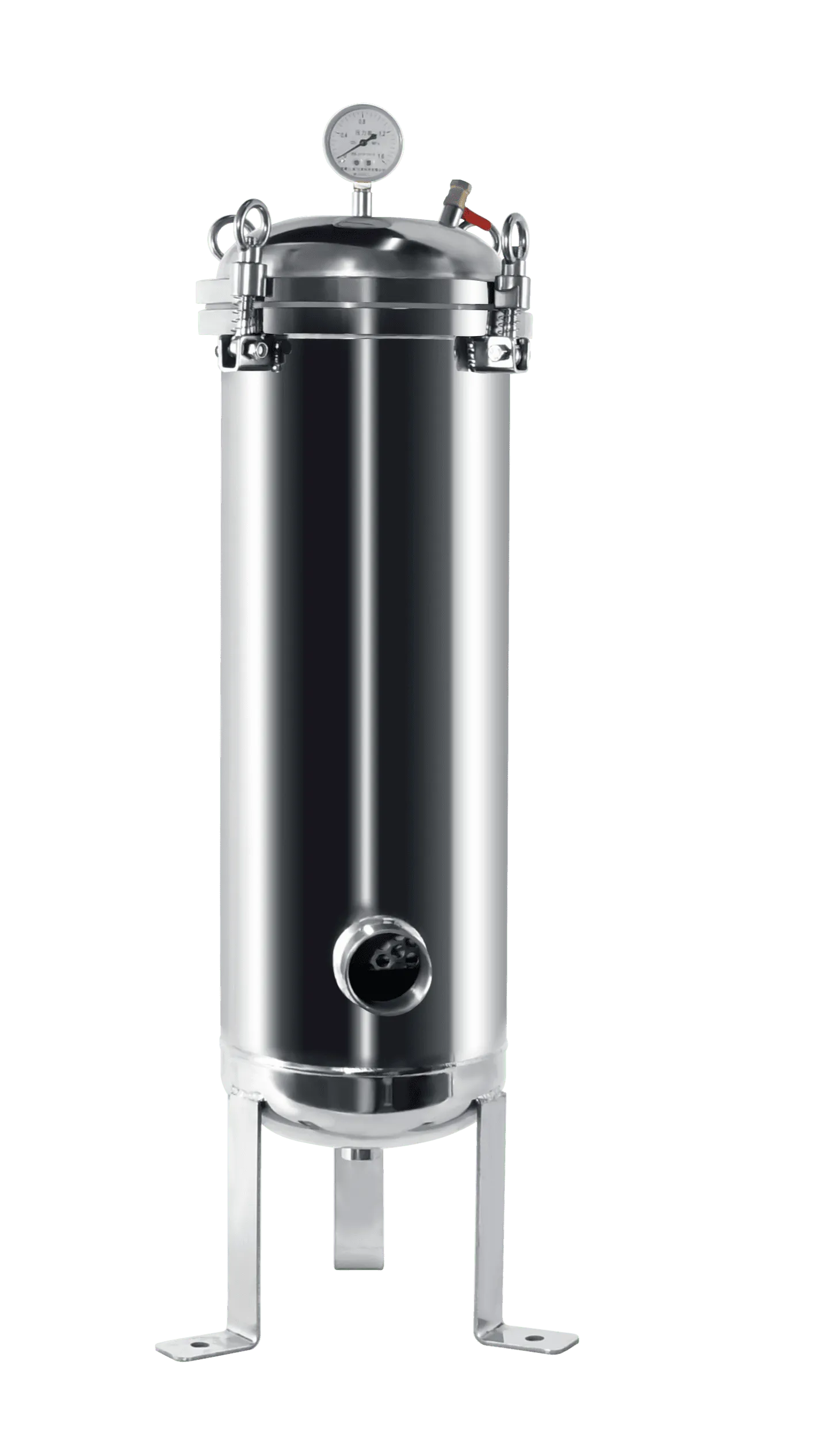
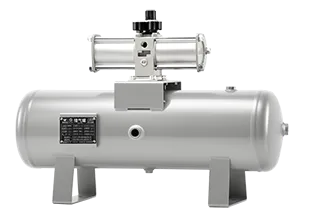
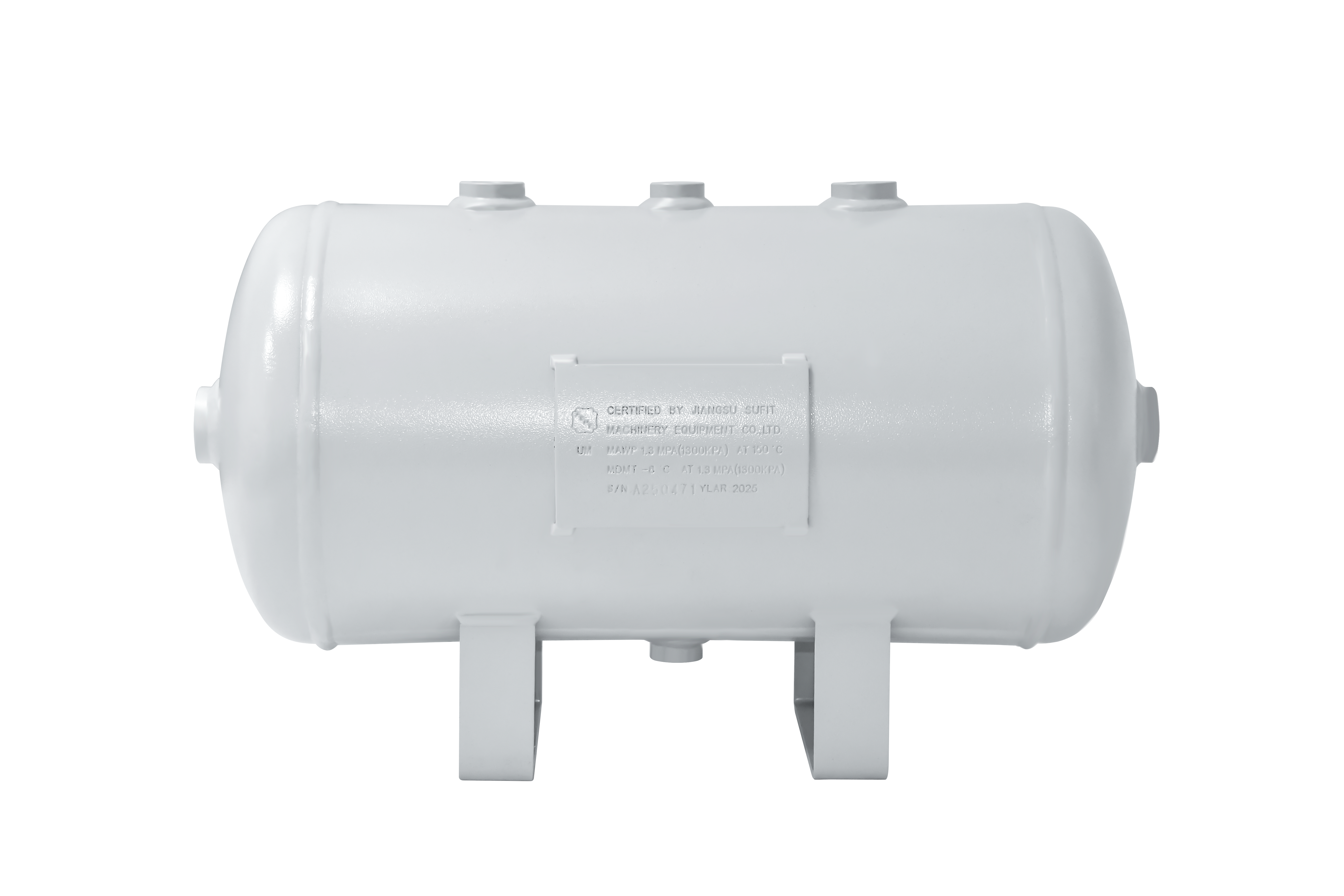
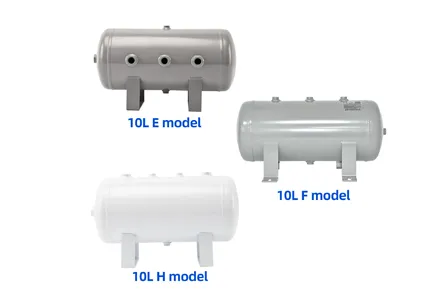
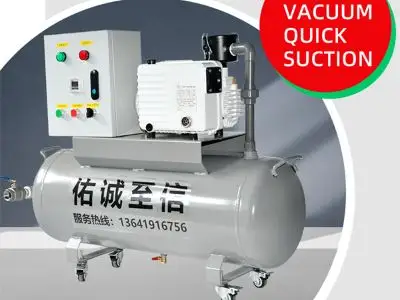
The air receiver tank price is rarely determined by tank size alone. Industrial buyers need to consider material, working pressure, design specifications, certification, testing, customization, packaging, and shipping when comparing supplier quotations. A lower initial quotation may not represent a lower overall project cost if important requirements are excluded. Understanding the main factors behind air tank price can help buyers prepare a more realistic budget and compare different offers on the same technical basis.
What Determines Air Receiver Tank Price?
An air receiver tank stores compressed air and helps stabilize pressure within a compressed air system. Because different applications require different tank capacities, pressure ratings, materials, and configurations, there is no single standard air receiver tank price for every project.
Several factors typically influence the quotation:
Tank capacity: Larger tanks generally require more material and greater manufacturing resources.
Working pressure: Higher-pressure applications may require stronger construction and more demanding testing.
Material: Carbon steel, stainless steel, and other material options can result in different costs.
Design: Standard configurations are usually easier to manufacture than highly customized vessels.
Certification: Required codes, inspection, documentation, and testing can affect the final quotation.
Quantity: Larger orders may change manufacturing, packaging, and logistics costs on a per-unit basis.
For this reason, buyers should avoid evaluating an air tank price by capacity alone. The complete technical specification is more important when determining whether two quotations are actually comparable.
How Material and Pressure Rating Affect Tank Cost
Material and pressure rating are two fundamental factors affecting air tank cost. Carbon steel is commonly considered for general industrial compressed-air applications, while stainless steel may be selected where corrosion resistance or specific operating conditions require it.
Pressure rating also influences the engineering and manufacturing requirements of the vessel. A tank designed for higher working pressure needs appropriate wall thickness, components, welding procedures, and inspection requirements. These factors can increase the overall pressure tank price.
Buyers should therefore provide the supplier with the required working pressure, design pressure where applicable, operating temperature, medium, installation environment, and relevant technical standards. Without these details, an apparently attractive quotation may not represent a suitable tank for the intended application.
Standard vs Custom Air Receiver Tank Pricing
Standard air receiver tanks can simplify purchasing because the dimensions, connections, and configuration are already established. This can make production and quotation more straightforward, particularly when the buyer's requirements match an existing design.
Custom tanks are different. A project may require specific dimensions, nozzle positions, mounting arrangements, connection types, coatings, accessories, or other design changes. These modifications can affect engineering time, manufacturing processes, testing, and lead time.
The important point is that customization does not necessarily mean simply adding a percentage to a standard air receiver tank price. The cost impact depends on what needs to change and whether those changes affect the manufacturing process or certification requirements.
How Certification and Testing Affect Project Cost
Certification and testing should be considered before requesting a quotation because they can represent an important part of the total project cost. Depending on the market and application, buyers may require specific pressure-vessel standards, inspection procedures, material documentation, welding records, pressure testing, or third-party verification.
A supplier quotation should clearly state which certification and testing requirements are included. Buyers should also check whether inspection fees, documentation, certification, and testing are included in the quoted pressure tank price or treated as additional costs.
This is particularly important for international procurement. A tank that meets the basic mechanical requirements may still require additional documentation or certification before it can be installed or accepted in the target market.
Shipping, Packaging, and Order Quantity Cost Factors
The quoted air receiver tank price is not always the same as the final delivered cost. Air receiver tanks can be relatively large and heavy products, so packaging, loading, inland transportation, ocean freight, destination charges, and other logistics factors can influence the total procurement budget.
Order quantity can also affect the overall cost structure. A single tank may have different logistics and production economics from a larger batch. Buyers should therefore compare suppliers using the same commercial terms and clearly identify whether transportation, export packaging, insurance, and other logistics services are included.
| Cost Factor | Potential Impact on Total Cost |
|---|
| Capacity | Affects material usage and overall tank dimensions |
| Pressure rating | Influences design and manufacturing requirements |
| Material | Different materials have different material and processing costs |
| Customization | May add engineering and manufacturing requirements |
| Certification | Can add inspection, testing, and documentation costs |
| Quantity | May influence production and logistics costs |
| Shipping | Depends on size, weight, destination, and commercial terms |
When buyers ask how much does a pressure tank cost, the most useful answer therefore depends on the complete specification rather than a single market price. A supplier needs enough information to calculate the tank according to the intended application.
Conclusion
Understanding air receiver tank price requires looking beyond the basic vessel itself. Capacity, material, pressure rating, customization, certification, testing, order quantity, packaging, and shipping can all influence the final procurement cost. Industrial buyers can make supplier quotations easier to compare by preparing a clear technical specification and confirming exactly what is included in each offer. This approach provides a more reliable basis for evaluating air tank price, air tank cost, and the overall value of different supply options.
FAQs About Air Receiver Tank Price
What determines air receiver tank price?
The main factors include capacity, material, working pressure, design, customization, certification, testing, order quantity, and logistics requirements.
How does pressure affect air receiver tank price?
Higher pressure requirements can require stronger vessel construction, appropriate materials, additional engineering, and more demanding testing, which can increase the overall cost.
Is stainless steel more expensive than carbon steel for air receiver tanks?
Material selection can affect the quotation, and stainless steel may have a higher material and processing cost than carbon steel. The appropriate choice depends on the application and operating environment.
Does a custom air receiver tank cost more?
Customization can increase engineering and manufacturing costs, particularly when it involves non-standard dimensions, connections, accessories, or additional testing requirements.
How much does a pressure tank cost?
There is no universal price because the cost depends on the tank's capacity, pressure rating, material, design, certification, and other project requirements.
What information should buyers provide when requesting a quotation?
Buyers should provide required capacity, working pressure, material preference, operating conditions, dimensions if applicable, certification requirements, quantity, destination, and any customization requirements.