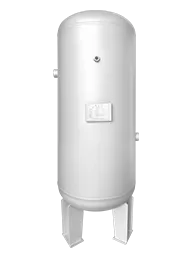
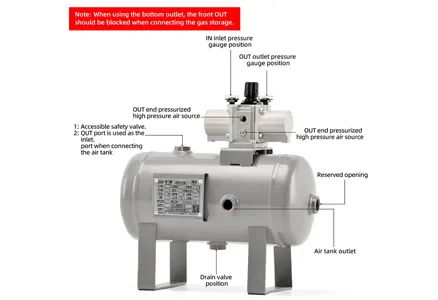
Cylindrical shell forming via plate rolling represents the very first physical shaping step for custom‑built air receivers and pressure vessels. Flat steel plates are transformed into closed cylindrical shells on hydraulic two‑roll plate‑rolling equipment. The rolling quality directly governs roundness, longitudinal‑seam gap and misalignment tolerance, which have far‑reaching influence on subsequent tack‑welding, girth‑seam welding and overall pressure‑bearing safety. Poor rolling workmanship may produce excessive joint gaps, serious misalignment, local ovality or hidden micro‑cracks in plate material. These forming defects cannot be fully compensated even by high‑end automatic welding systems, potentially leaving long‑term safety risks under cyclic internal pressure.
Many pressure vessel fabricators treat plate‑rolling as a simple bending operation, relying purely on operator experience without standardized step‑by‑step discipline. Inconsistent surface‑side identification, careless feeding and missing post‑rolling inspection lead to high reject rates and extra correction workload. For custom‑order pressure vessels with varied diameters, wall thicknesses and material grades, stable repeatability in the rolling workshop is especially critical. At YCZX, we implement a complete standardized plate‑rolling workflow for custom pressure‑vessel shells. Rigorous rules cover surface‑side identification, pre‑rolling preparation, machine feeding, post‑forming inspection and safety protocols. Every flat steel blank goes through controlled forming before moving to tack‑welding stations. This front‑end quality control supports GB150, ASME Section VIII Div.1 and other international pressure‑vessel standards, delivering reliable custom‑manufactured tanks for worldwide industrial clients.
Step 1: Distinguish front and rear plate surfaces
Before feeding raw steel blanks into rolling machinery, operators must correctly identify the front and reverse sides of each plate, either by visual observation or gentle tactile inspection. The rough, burr‑covered surface is defined as the reverse side; the smooth, even surface is the front side. Operators run gloved fingertips lightly along half‑circular hole edges to judge surface texture. Protective gloves are mandatory throughout this whole procedure to prevent sharp burr‑inflicted lacerations.
Correct surface recognition is not trivial for later product performance. During rolling, the rough burr‑bearing reverse side will be oriented toward the inner cavity of the finished cylinder. If surfaces are reversed by mistake, sharp burrs will remain on the outer shell surface, harming subsequent grinding, coating and corrosion resistance. For custom‑order batches mixing multiple shell dimensions and plate thicknesses, every single blank must be checked individually rather than assumed uniform. This simple‑looking check eliminates surface‑orientation errors at the earliest manufacturing phase.
Step 2: Pre‑rolling machine preparation and plate feeding
After correct surface identification, operators proceed with machine setup and feeding. First, press the green start button to activate the hydraulic two‑roll plate‑rolling unit. Position the steel plate so that the burr‑covered reverse side faces upward. Push the leading edge firmly into the gap between closed upper and lower rollers. Once the plate is securely gripped by rotating rolls, operators release manual holding hands and allow machine‑driven rolling to proceed.
Strict shop‑floor safety regulations apply at this stage. Gloves must stay on hands to protect against sharp plate edges. While rollers are rotating, operators are forbidden from touching moving components or inserting hands or clothing into roller gaps. Unsafe manual contact during machine operation is one of the most frequent workshop hazards. YCZX reinforces machine‑safety awareness for every operator. Correct plate orientation guarantees burrs end up inside the cylinder shell after forming, protecting the tank’s outer surface quality for downstream blasting and painting processes.
Step 3: Plate‑rolling completion and shell inspection
When rolling cycles finish, the automatic locking ring drops down, releasing the finished cylindrical shell. Operators carefully lift and remove the rolled cylinder from the machine station. Immediately after taking out each shell, visual and dimensional inspection is performed. Operators thoroughly assess longitudinal butt‑joint gap and misalignment (hi‑lo) values. If seam clearance or offset exceeds permitted tolerances, the cylindrical workpiece must be sent back for re‑calibration and re‑rolling instead of flowing forward.
Critical non‑conforming items are strictly managed. Any shell suffering severe misalignment, plate cracking or material tearing receives clear defect marking and physical segregation. Such rejected units are prohibited from entering the subsequent tack‑welding process, preventing defective blanks from consuming welding‑station resources. Safety discipline remains enforced: hands, arms and garments are never permitted inside roller gaps while the plate‑rolling machine remains powered and rotating.
Accurate gap and misalignment control from plate rolling greatly lowers welding‑process difficulty. Uniform butt‑joint geometry reduces the probability of incomplete fusion, slag inclusion and porosity during longitudinal‑seam tack‑welding. For custom‑size tanks with non‑standard diameters, post‑rolling dimensional verification ensures each unique shell matches custom drawing requirements, rather than relying on mass‑production tooling alone.
High‑quality pressure‑vessel cylinders originate from precise plate‑rolling, long before any welding arc is struck. Surface identification, standardized machine feeding and strict post‑rolling dimensional screening jointly define shell‑forming quality. YCZX refuses to treat plate‑rolling as a mere metal‑bending step. Instead, we enforce documented operating specifications for every custom‑order shell, embedding quality‑check gates at the very start of physical fabrication.
This plate‑rolling procedure serves as the upstream foundation for our full manufacturing chain. It connects raw‑material incoming inspection and downstream tack‑welding, girth‑seam welding, nozzle welding, grinding, non‑destructive examination and final air‑pressure leak testing. Together these stages build YCZX’s closed‑loop quality‑management system for custom pressure vessels.
By controlling shell roundness, butt‑joint gap and misalignment from the forming phase, we reduce forming‑related defects and rework rates. Whether clients require special‑diameter air receivers, varied wall‑thickness tanks or material‑customized pressure vessels for machinery, energy, mining and compressed‑air industries worldwide, YCZX delivers custom‑built pressure‑vessel shells with reliable dimensional accuracy and inherent structural safety.