The Business Model is Not the Core, Control Capability and Transparency Are
Traders can provide value through supply chain coordination, export documentation, and communication; factories can offer value through engineering, production, and direct process control. What the buyers truly need to confirm is: who is responsible for the design, manufacturing, inspection, and certification of the pressure vessels.
When comparing air storage tank manufacturers, focus on verifiable control evidence rather than labels like "factory direct sales" or "one-stop supplier."
1. Confirm Who is Responsible for Drawings and Design Review
Suppliers should explain who checks capacity, pressure, temperature, materials, interfaces, supports, and applicable specifications, and who releases the manufacturing drawings and approves revisions. If there are intermediaries, the actual production site and engineering responsibility should be clearly identified.
Reliable Chinese air tank manufacturers should be able to discuss the air storage tank itself, not just freight and price.
2. Request Traceable Production Evidence
Valuable evidence includes material identification, work order records, welding control, process inspection, and serial number traceability. Factory photos are helpful but should show products, processes, and timelines related to the project, not generic equipment pictures.
For custom orders, confirm whether the supplier can match the final air storage tank to the confirmed drawings and inspection records.
3. Review the Testing Process, Not Just Certificate Images
Certificates can be very important but cannot replace testing specific to the product. Inquire about applicable pressure or leak tests, how equipment is calibrated, how results are recorded, and how test reports identify corresponding air storage tanks.
Competent air storage tank producers should also be able to explain dimensional checks, weld inspections, surface checks, accessory confirmations, and final release.
4. Check the Chain of Technical Documentation
Evidence | What it Should Demonstrate |
Confirmed Drawings | Supply configuration confirmed before production |
Material Records | Materials meet project requirements |
Inspection Records | Key dimensions and quality points have been checked |
Test Reports | Agreed pressure or leak tests have been completed |
Nameplate/Serial Number | Physical item can be matched to technical records |
Compliance Documents | Applicable specifications or market paths are supported |
5. Test Technical Capability with Custom Questions
You can ask the supplier to assess a challenging interface location, mounting bracket, or space constraint. Factories with engineering involvement will discuss manufacturability, welding space, drainage, pipeline loads, and inspection space; responses focused solely on sales may agree to everything without pointing out risks.
The best answer is not always "yes." Responsible suppliers may recommend safer or more easily manufactured alternatives.
6. Verify Consistency for Future Orders
For OEM projects, inquire about how drawing revisions, tooling, confirmation samples, serial numbers, and inspection points are managed. The first order may rely on special attention, but repeat orders require a stable system.
Also ask how non-conforming products are handled and how corrective actions are recorded. This reflects operational maturity more than glossy brochures.
7. Conduct Remote or On-Site Audits
If on-site audits are not possible, request structured video inspections following the order process: incoming materials, forming, welding, testing, surface treatment, inspection, and packaging. Questions should be asked in real-time during the audit, and close-up demonstrations of equipment identification and records should be requested.
The focus of the audit is to confirm that the factory in the video is indeed producing the quoted products.
Warning Signs Buyers Should Not Ignore
· Completely not asking about working pressure, medium, or target market
· Certificates without scope, certifying body, or product association
· Factory photos cannot be linked to the supplier or product
· No drawing confirmation before custom production
· Test reports without serial numbers or product identity
· Responsibility unclear when quality or compliance issues arise
YCZX Manufacturing and Inspection Support
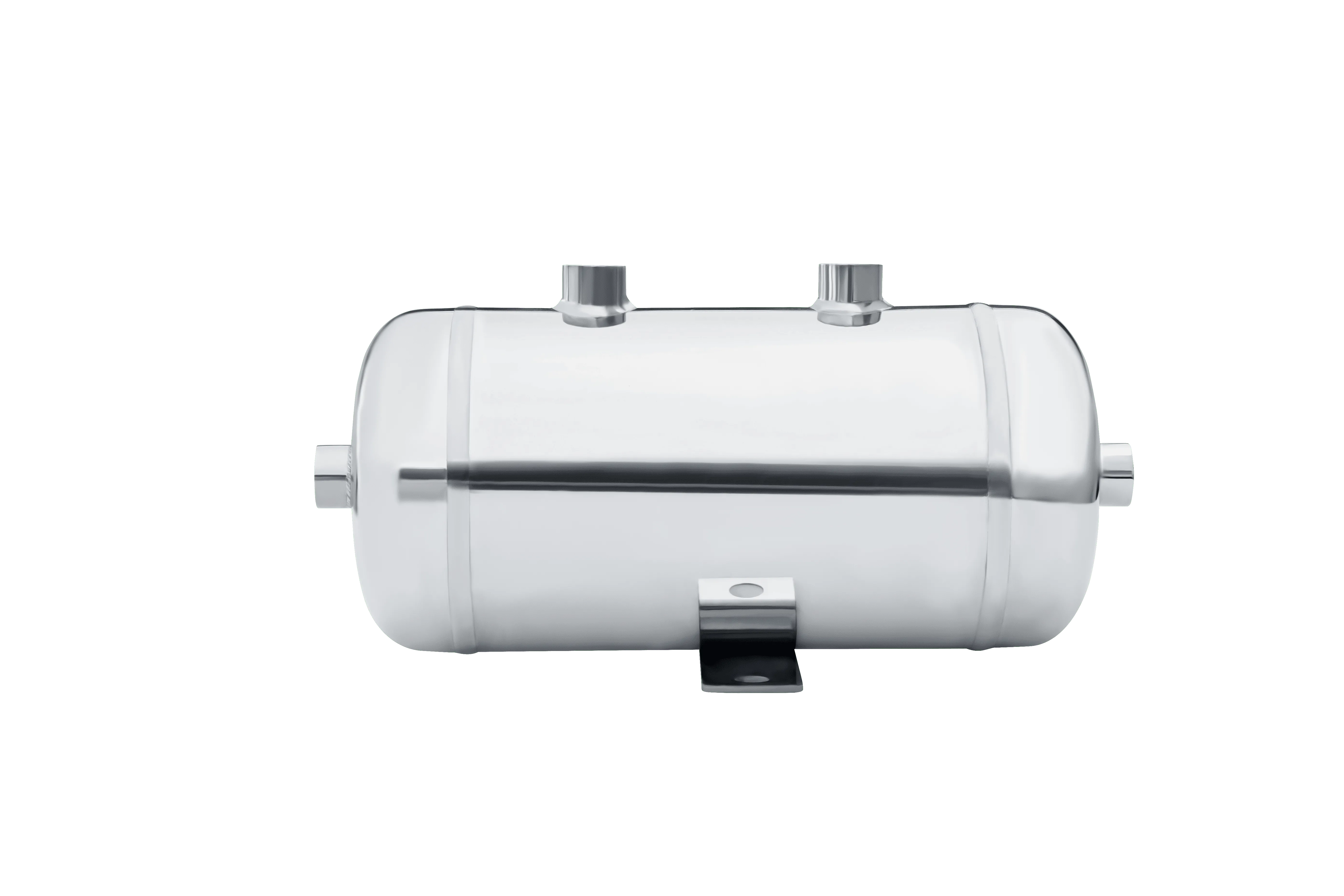
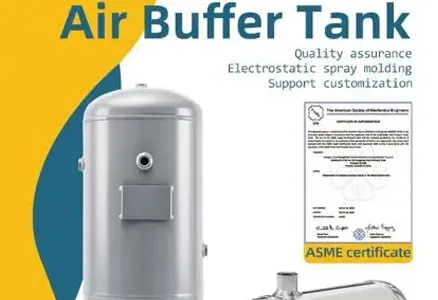
YCZX can provide air storage tanks, including carbon steel, stainless steel, CE/PED, ASME, and custom configurations. Dimensional checks, pressure or leak tests, product identification, and technical documents can be coordinated according to the confirmed scope of the project.
Frequently Asked Questions
Does procurement through traders always carry higher risks?
Not necessarily. Professional traders can manage communication and logistics well, but the actual manufacturer, technical responsibility, and document chain must be transparent.
Can factory photos alone verify capability?
No. Drawings, test records, serial number traceability, and real-time technical communication should be combined.
What is the quickest way to identify a weak supplier?
Pose a detailed engineering question. Suppliers unable to explain pressure, interfaces, testing, or compliance usually find it hard to completely control the project.
Conclusion
Do not choose a pressure vessel supplier based solely on website labels. Verify who controls the engineering, materials, welding, testing, documentation, and repeat production. Transparency is the clearest distinction between a controlled supply chain and an uncertain one.