Material Selection Should Be Based on Actual Usage Environment
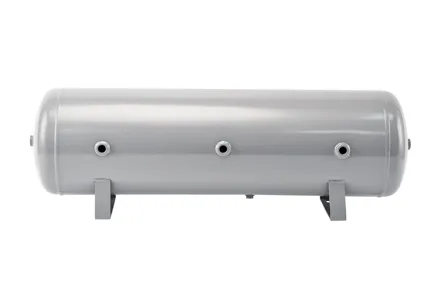
For general industrial compressed air systems, carbon steel air tanks usually have advantages such as high structural strength, wide processing adaptability, and easier control of project costs. When corrosion exposure, condensate cleanliness, cleaning requirements, or surface durability are more important than the initial purchase price, stainless steel air tanks are often worth considering.
Material selection should not be based solely on the name. Buyers should also compare the system's water content, installation location, expected service life, sensitivity of downstream equipment, and technical documents required by the end customer. Regardless of the material chosen, the air tank is only a part of the compressed air system; dryers, drainage, filtration, and maintenance will also directly impact effectiveness.
Differences Between Carbon Steel and Stainless Steel in Practical Use
Judgment Factors | Carbon Steel | Stainless Steel |
Typical Applications | General manufacturing, compressor matching, and conventional pneumatic systems | Humid, washdown, corrosive, or cleanliness-sensitive environments |
Corrosion Resistance | Relies more on coating, drainage, and internal moisture control | Better inherent corrosion resistance, but correct material selection is still needed |
Initial Cost | Usually lower | Usually higher |
Surface Treatment | Painted, powder-coated, or project-specified protection | Original surface, brushed, or specified internal treatment |
Maintenance Focus | Coating condition, condensate drainage, and corrosion inspection | Drainage, surface condition, and contamination control |
Key Procurement Issues | Is the protection plan suitable for the real environment? | Is the stainless steel grade and surface treatment suitable for the medium and cleaning method? |
When is it More Suitable to Choose Carbon Steel Air Tanks?
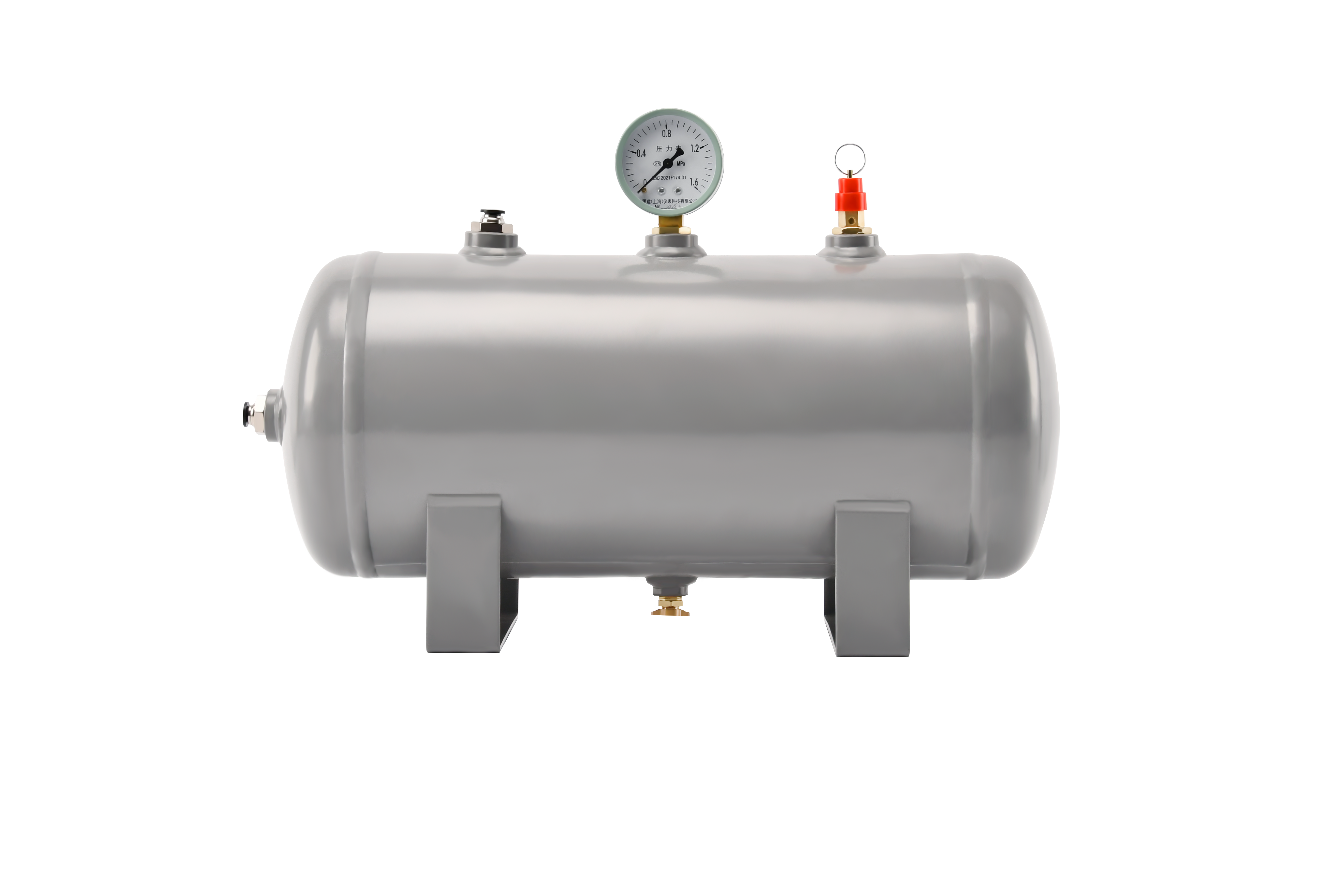
In indoor compressor rooms, skid-mounted systems, and conventional factory pneumatic networks, as long as humidity is controllable and condensate can be stably discharged, carbon steel is usually a very practical choice. For projects requiring non-standard diameters, interface positions, or mounting brackets while controlling overall equipment costs, carbon steel also offers good manufacturing flexibility.
However, procurement should not compare prices alone. It is necessary to confirm the protection method of the internal and external surfaces, the position of the drainage outlet, whether post-inspection is convenient, and whether the coating plan matches the actual environment. For outdoor, coastal, or chemically corrosive installation locations, the importance of protection specifications may not be lower than the base material itself.
When Do Stainless Steel Air Tanks Have More Advantages?
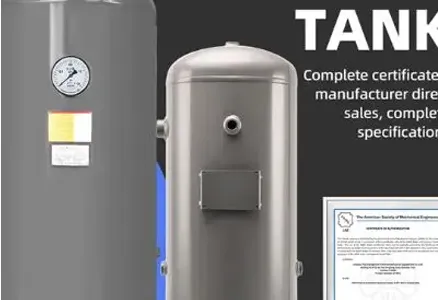
Stainless steel air receivers are usually used in environments that are long-term humid, frequently washed, have corrosive atmospheres, or require high contamination control. They also help reduce the risk of rust particles entering sensitive downstream equipment, but the entire air treatment system still needs to be correctly designed.
The stainless steel grade cannot be chosen arbitrarily. SS304 is suitable for many industrial environments, while SS316 or 316L may need to be considered when chlorides are present or higher corrosion resistance is required. Buyers should specify working medium, temperature, cleaning agents, and local environment when inquiring. Stainless steel does not mean absolute immunity to all forms of corrosion.
Five Questions to Help with Quick Judgment
1. How much water or oil condensate enters the air tank, and how is it planned to be discharged?
2. Will the air tank be installed indoors, outdoors, in a salt spray environment, or in a frequently washed area?
3. Does the downstream process have clear requirements for cleanliness or particle control?
4. Is the project more concerned with initial costs or long-term maintenance and lifecycle risk?
5. What certifications, material documents, surface treatments, and interface configurations need to be provided?
Design, Testing, and Documentation Are as Important as Materials
Material selection cannot replace formal pressure vessel engineering design. Buyers still need to confirm working pressure, design temperature, capacity, safety accessories, interface layout, support structure, and applicable compliance path. If drainage is inconvenient, capacity selection is unreasonable, or installation space is insufficient, even the best materials may not perform as expected.
YCZX can provide carbon steel air tanks and stainless steel air tanks, supporting both standard and custom configurations. Providing applications, pressure, capacity, environment, and target market during the inquiry stage helps the engineering team evaluate materials more accurately.
Frequently Asked Questions
Is stainless steel definitely better than carbon steel?
Not necessarily. Stainless steel has better corrosion resistance, but in generally controlled industrial projects, carbon steel may fully meet the usage needs and be more economical.
Can carbon steel air tanks be installed outdoors?
Yes, but the design, coating, drainage, and inspection plan must suit the local climate and corrosion exposure, especially in coastal and chemical corrosion environments where caution is needed.
Can the use of stainless steel eliminate the need for dryers and drainage devices?
No, moisture management is still necessary. Proper drying, filtration, and drainage can protect both the air tank and the entire pneumatic system.
Conclusion
When the environment is controllable, protection solutions are reasonable, and project costs are sensitive, carbon steel is usually the appropriate choice; when corrosion risk, cleaning exposure, or downstream cleanliness requirements are enough to offset higher material costs, stainless steel can be prioritized. High-quality inquiries should describe real working conditions, rather than simply demanding the "cheapest" or "highest grade" materials.