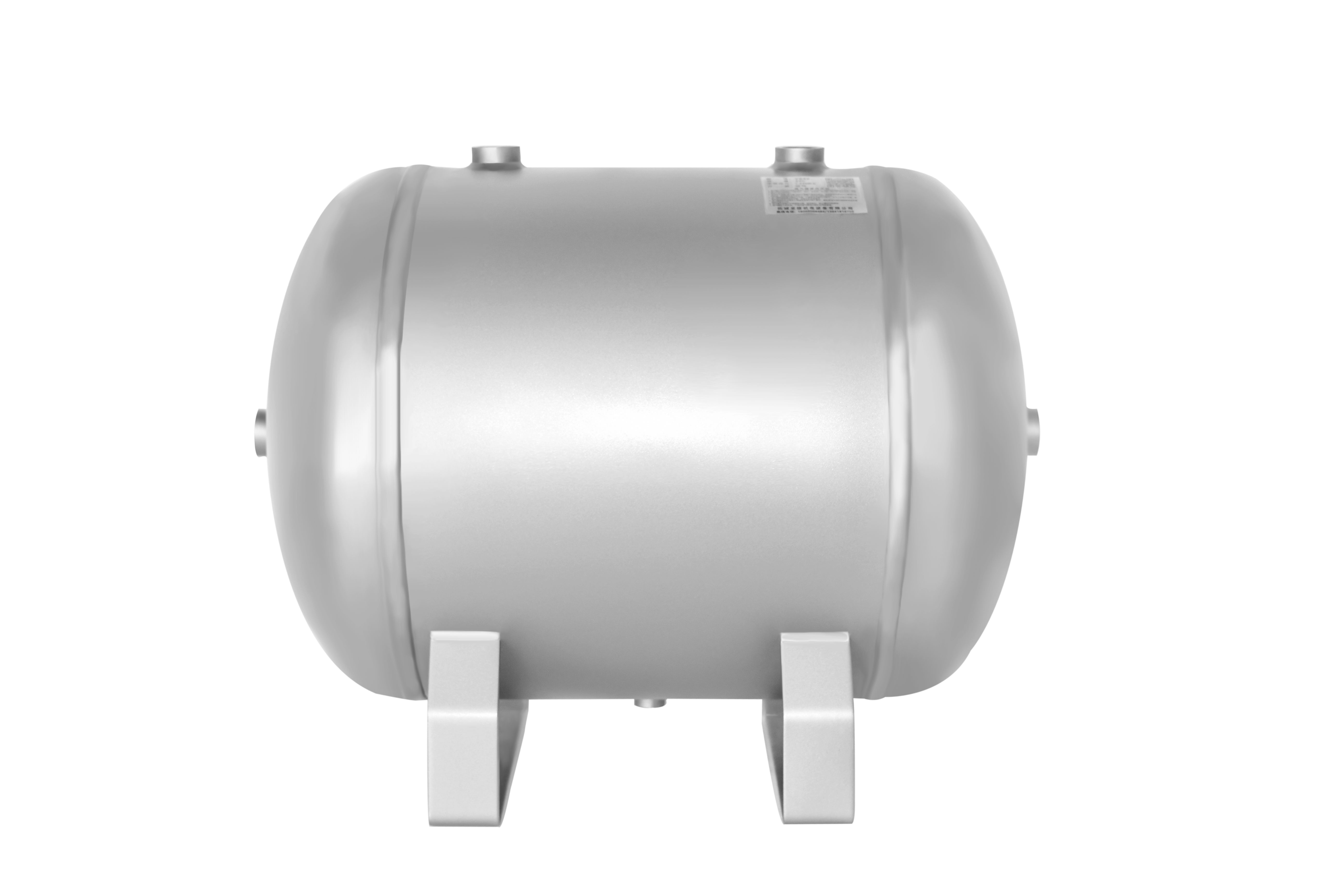
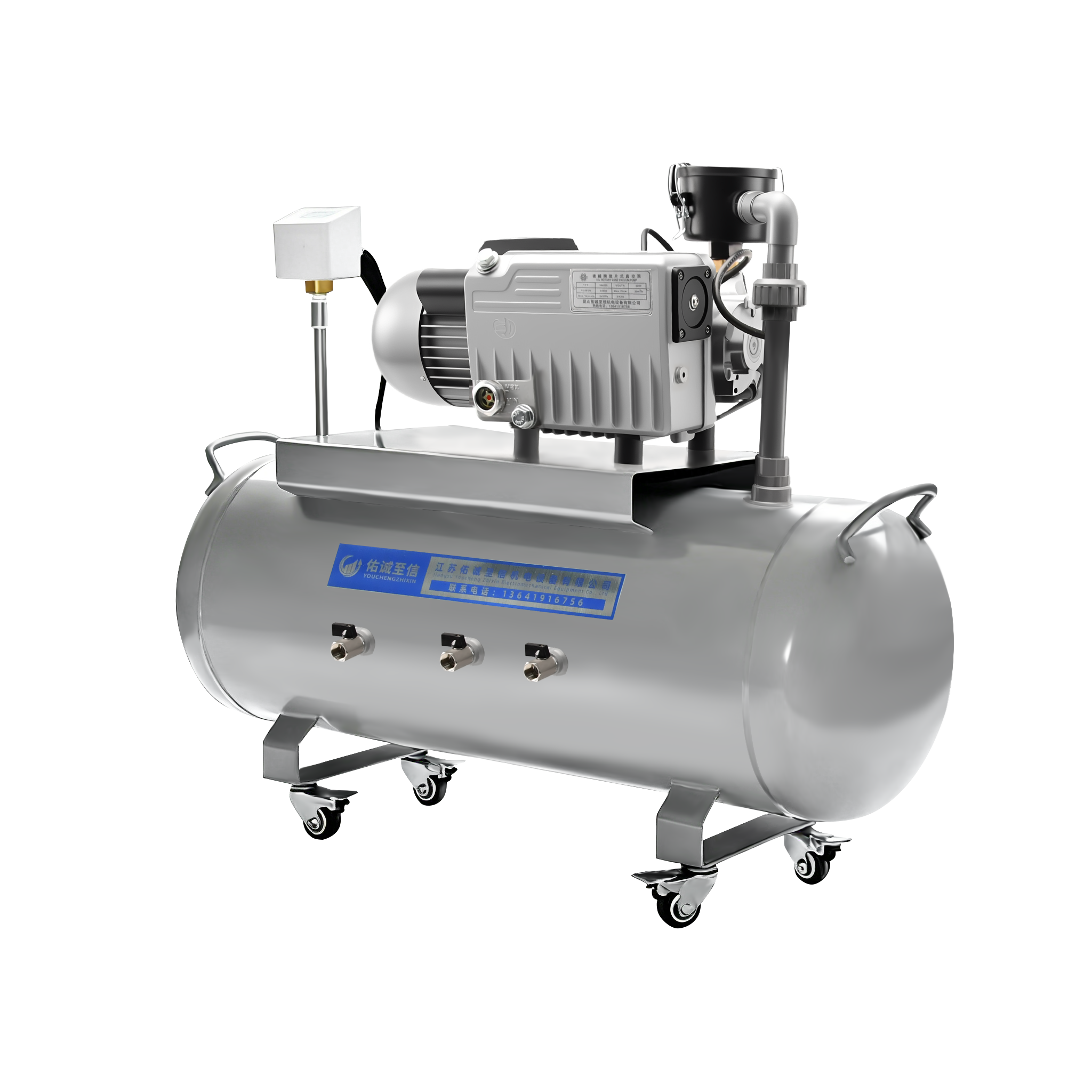
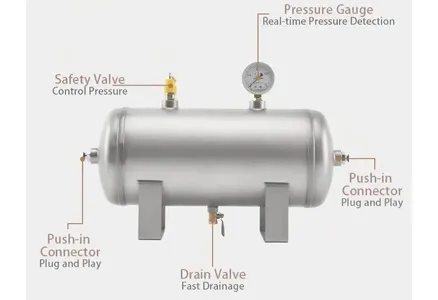
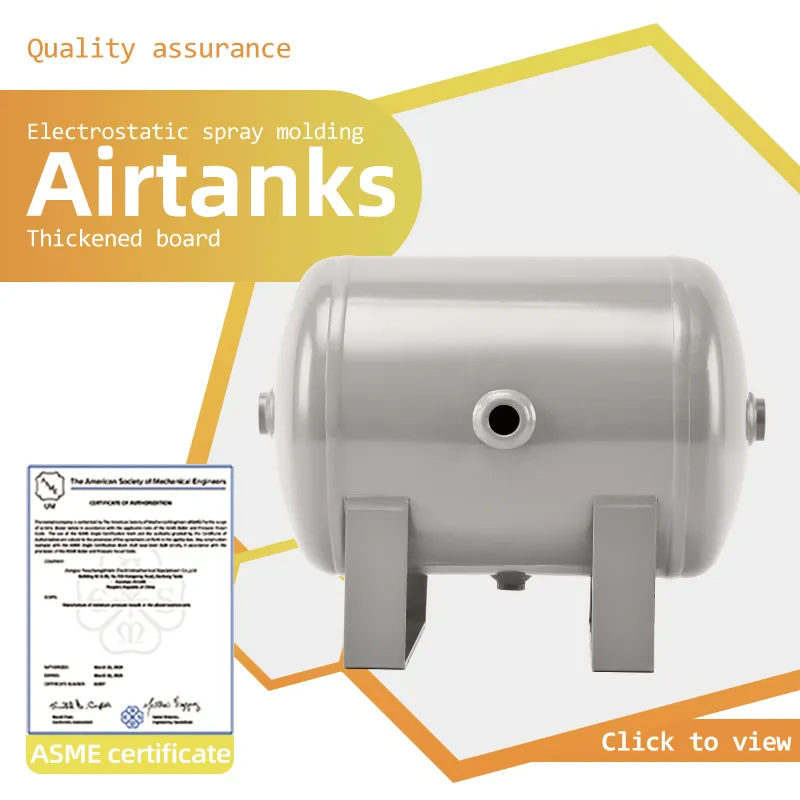
The dished head (end cap) and cylinder form the main pressure-bearing structure of an air receiver. Poor head manufacturing will directly weaken the tank’s pressure-bearing capacity, cause local stress concentration, leakage or even burst failure under pressure fluctuation.
1. Forming & Stamping Precision
Unqualified hot/cold stamping leads to irregular curvature, flat areas or sharp corners on the head. These deformed sections produce severe stress concentration under internal air pressure, far exceeding the designed allowable stress. Standard elliptical heads disperse pressure evenly; irregular heads crack easily at the arc transition position.
2. Actual Wall Thickness Uniformity
Thinning inevitably occurs at the head arc during stamping. Inferior heads have excessive local thinning (over 10% thickness reduction), which becomes a weak pressure-bearing point. Qualified heads control thinning within the standard range to guarantee consistent wall strength.
3. Welding Quality Between Head & Cylinder
Poor groove processing, misalignment, incomplete root penetration or welding defects (porosity, slag crack) at the girth joint between head and shell break the overall tightness and structural strength. Defective welds are the most common rupture position for air tanks during hydraulic testing.
4. Raw Material Plate Quality
Using inferior carbon steel or stainless steel plate with impurities, layered defects or low tensile strength for end caps reduces the base material pressure resistance. Qualified heads adopt certified pressure vessel steel (SA516 Gr70, Q345R, 304 stainless steel) with full material certificates.
5. Heat Treatment & Residual Stress
Unrelieved stamping residual stress will gradually release under cyclic air pressure, triggering microcracks at the head edge over long-term operation. Normalizing stress relief for formed heads improves fatigue resistance for frequent pressure loading & unloading.
6. Surface Anti-corrosion Treatment
Rust, pits and corrosion on the head outer/inner surface thin the effective wall thickness. Proper shot blasting and coating prevent corrosion erosion and maintain long-term structural integrity.
Elliptical end cap workmanship determines the upper limit of tank pressure safety. YCZX adopts integral hot stamping elliptical heads with controlled wall thickness thinning, matched pressure vessel steel and automatic girth welding. All heads pass thickness inspection and non-destructive testing to match the design pressure and extend tank service life.