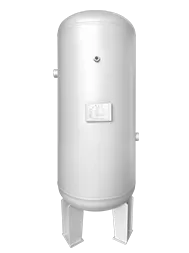
The air receiver tank is a core component that operates under pressure for the long term in a compressed air system. When leaks, gauge faults, frequent safety valve lifting or blocked drain valves occur, the impact ranges from unstable air supply to genuine safety risk. Most failures do not appear out of nowhere — they have clear causes and a traceable troubleshooting path. This article covers the four most common problems, their likely causes and how to handle them.
Problem 1: Tank Leaks
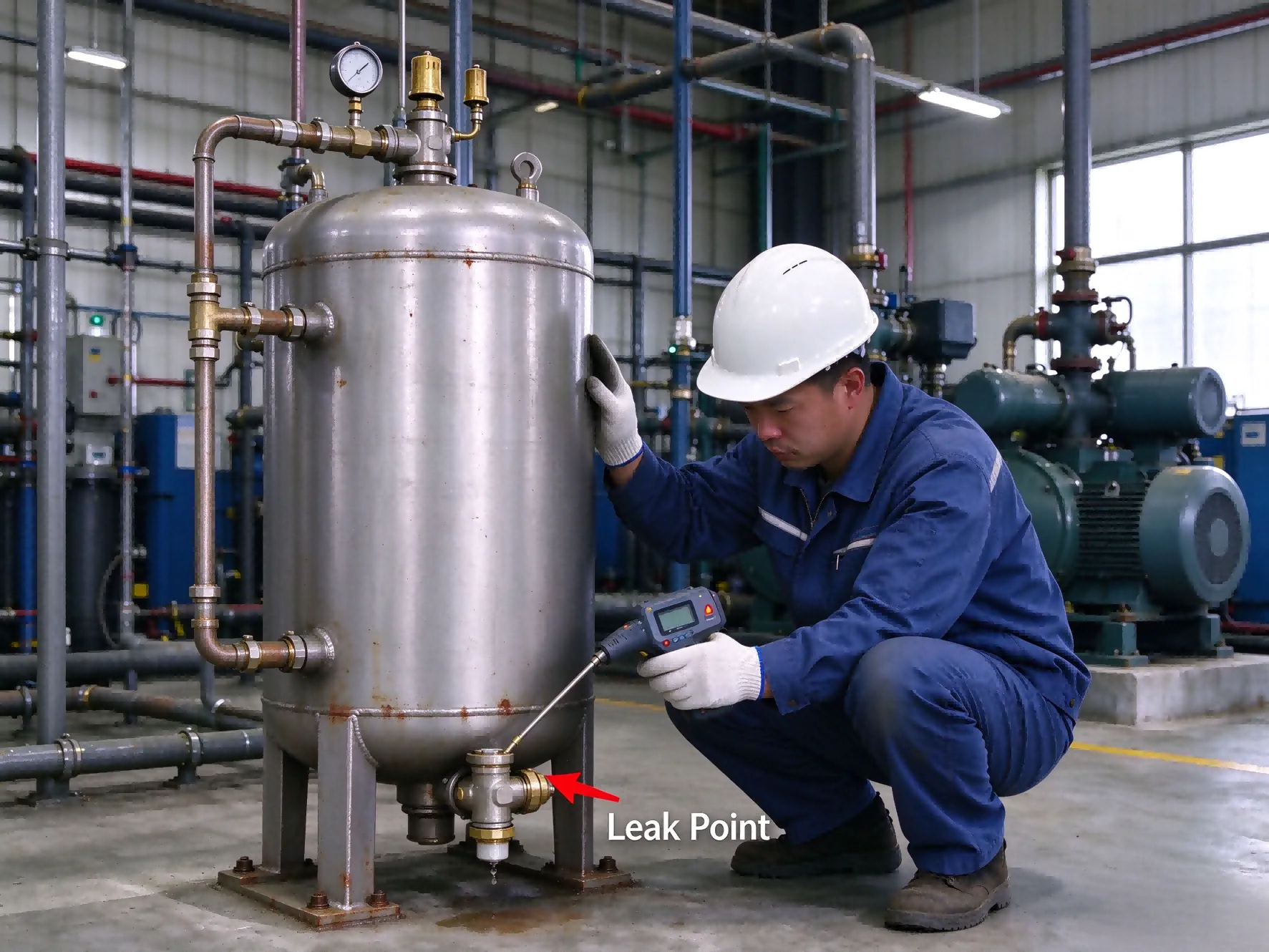
Leaks are the most common fault, with three main causes: poor sealing at connections (aged or badly assembled thread joints or flange gaskets); damaged valves (failed seals in drain valves or inlet/outlet valves); and cracked welds, usually at stress concentration points or long-term corrosion sites.
The most direct check is the soapy-water test: brush along joints, valves and welds — bubbles mark the leak point. Once confirmed, connections can be tightened or gaskets replaced; damaged valves get new seals or full replacement. Critically, never weld under pressure; any repair welding must be done after depressurization by qualified personnel, followed by a new hydrostatic test.
Problem 2: Abnormal Gauge Readings
Inaccurate or erratic gauge readings usually come from two causes: the gauge itself is damaged and has lost accuracy, or the pressure controller has failed and cannot regulate pressure correctly.
The fix is to replace the gauge promptly and have it calibrated by a qualified body, while checking whether the pressure switch wiring and setpoint match the controlled pressure, adjusting or replacing as needed. Gauges are safety monitoring elements and should not be disassembled for self-repair; calibration records should be kept with the equipment file.
Problem 3: Frequent Safety Valve Lifting
Repeated valve lifting can mean the compressor unload pressure is set too high, exceeding the valve's opening threshold; or the valve itself is aged and failing, with the disc unable to reseat properly.
First reset the compressor unload pressure to the specified range, then verify the safety valve. If the disc is worn or the spring has failed beyond repair, replace it with a valve of the same specification. The safety valve is the last line of overpressure protection — never raise its set pressure or block the discharge port just to reduce lifting.
Problem 4: Blocked Drain Valve
Drain blockages usually result from long-term failure to drain, allowing oil sludge and rust particles to accumulate, or from condensate freezing in the line during cold winter weather.
Close the valve first, remove the drain valve and clean it thoroughly, then establish a regular drain schedule to prevent buildup. In winter, insulate the drain valve and drain line against freezing to prevent ice expansion and cracking.
Behind all four problems often lies the same root cause: the manufacturing quality of the equipment and the soundness of its matching design. YCZX addresses these failure modes directly at several stages of receiver tank production.
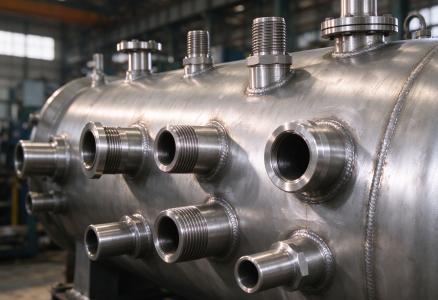
Welding follows full-process quality control on longitudinal and circumferential seams, with NDT inspection followed by individual hydrostatic testing and retained test records, reducing weld-crack risk at the source. Ports are built to the thread standard matching the target market (G, NPT, R) and fitted with protective caps to prevent thread damage in transit and installation. Gauge, safety valve and drain ports are reserved per package requirements, with positions and sizes customized to the customer's field piping; pressure gauges, safety valves and drain valves are supplied as standard, avoiding interface mismatch from user-assembled parts. Carbon steel tanks receive internal rust protection and external sandblasting before industrial painting, lowering long-term corrosion risk.
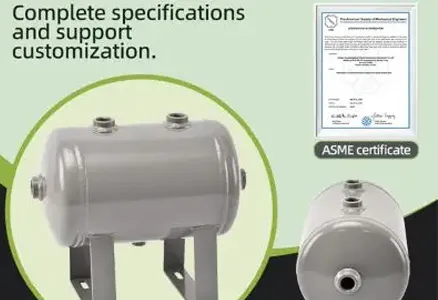
For export projects, tanks can be manufactured to ASME or PED standards, with material certificates, hydrostatic test reports, nameplates and technical files, so end customers pass acceptance and safety inspection on the first attempt. YCZX's product philosophy is to eliminate failure risks at the manufacturing and matching stage rather than leaving users to troubleshoot after commissioning.
Conclusion
Leaks, gauge inaccuracy, valve lifting and drain blockage are largely preventable and manageable problems. Regular draining, gauge calibration and safety valve checks, together with sound weld quality and port matching, keep the tank running stably over the long term. Choosing a manufacturer that is solid on weld control, port matching and certification documentation is the most economical way to reduce failures.Upholding sincerity and integrity, Youcheng Zhixin is worthy of your trust.