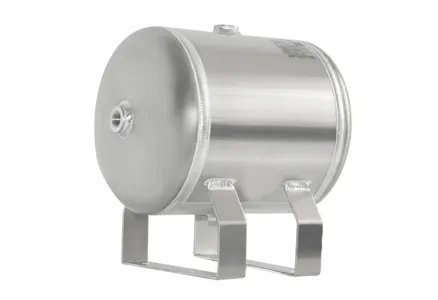
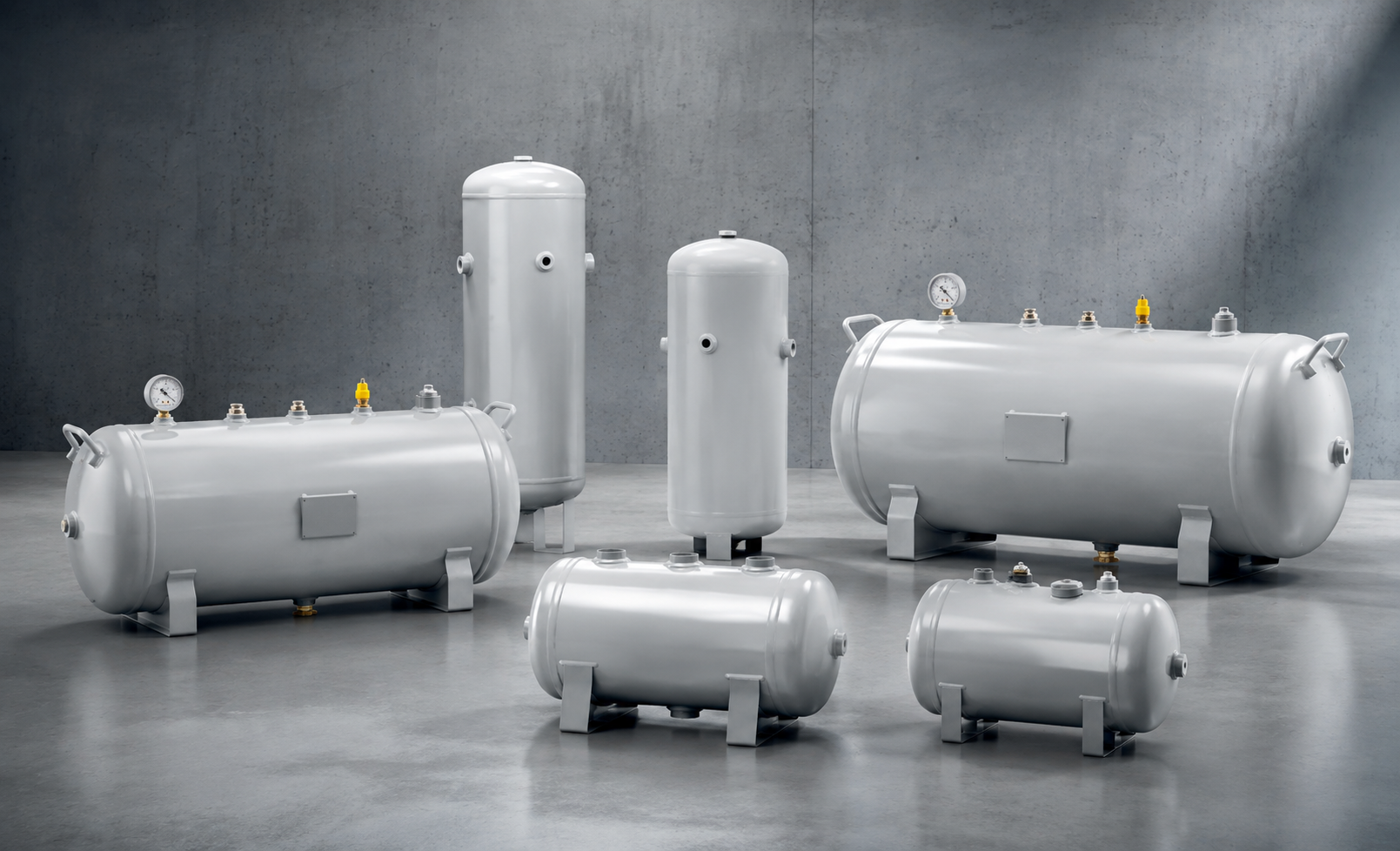
Air receiver tanks play a critical role in compressed air systems. Understanding their structure helps ensure safety, efficiency, and long service life.
1. Tank Shell: The Core Component
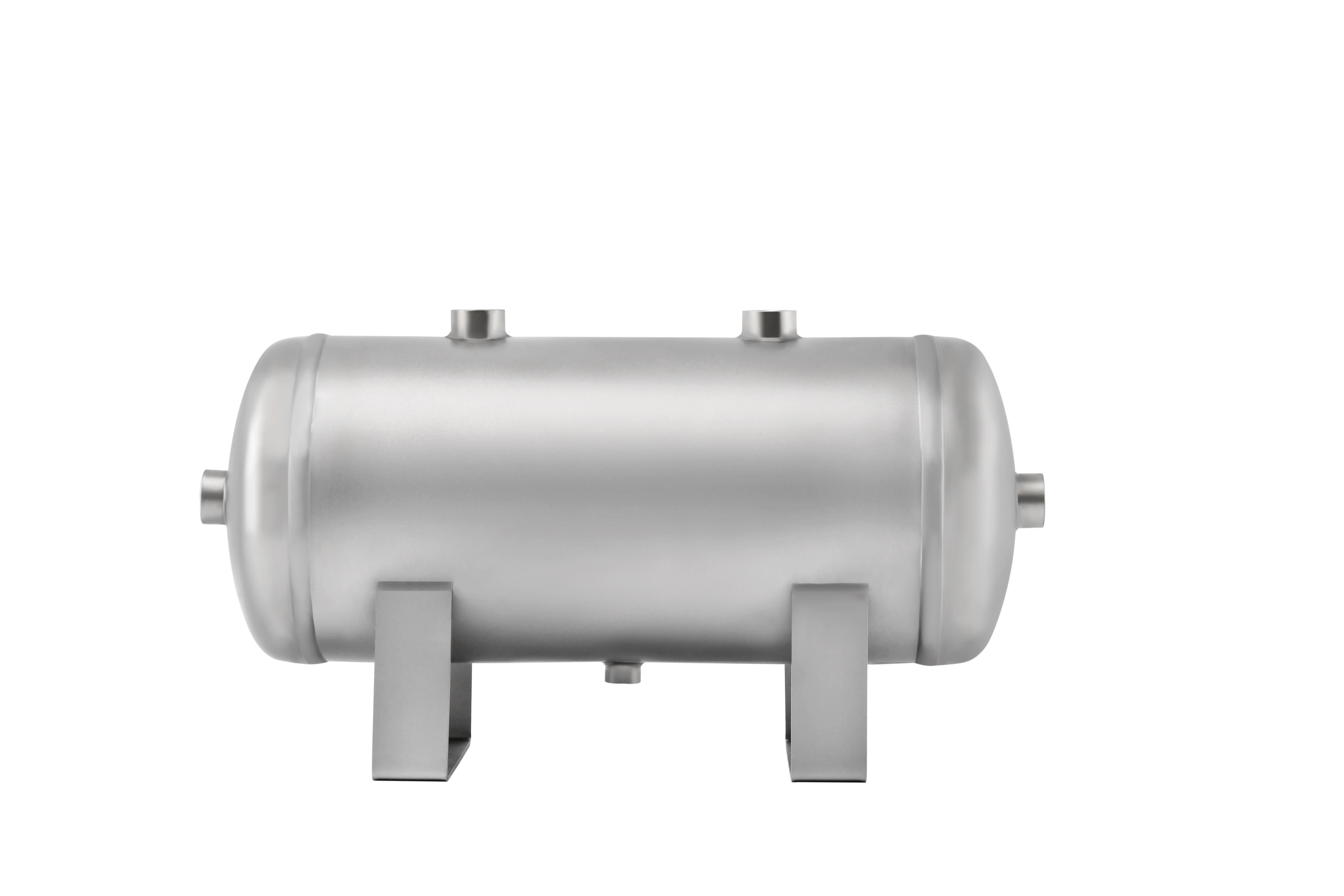
The tank shell forms the main body of an air receiver tank. It stores compressed air and withstands internal pressure continuously.
Carbon steel and stainless steel are commonly used. Carbon steel suits most industrial applications, while stainless steel fits high-humidity, food, and pharmaceutical environments. Shell thickness directly influences safety and service life. Proper shell design meets working pressure requirements and complies with safety standards.
2. End Caps (Heads): Key Stress Areas
End caps, typically elliptical or dished, distribute internal pressure evenly. These components experience the highest stress levels. Improper forming or welding in end caps can lead to premature failure. Well-designed heads enhance structural integrity and reduce material fatigue over time.
3. Nozzles and Ports: Critical Connections
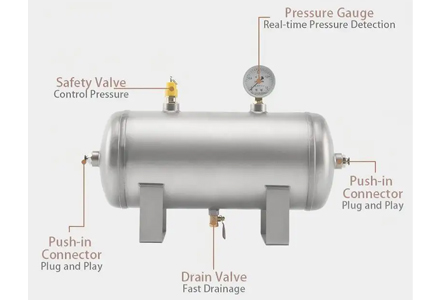
Air receiver tanks include multiple nozzles and ports, such as:
Air inlet
Air outlet
Drain port
Safety valve port
Pressure gauge port
Correct placement and proper reinforcement around nozzles prevent leaks and maintain system reliability.
4. Drain System: Preventing Internal Corrosion
Water naturally accumulates inside air receiver tanks. Inadequate drainage accelerates corrosion. A drain at the lowest point, preferably automatic for continuous systems, extends tank lifespan. Proper drainage is often more crucial than material choice for long-term durability.
5. Support Structure: Ensuring Stability
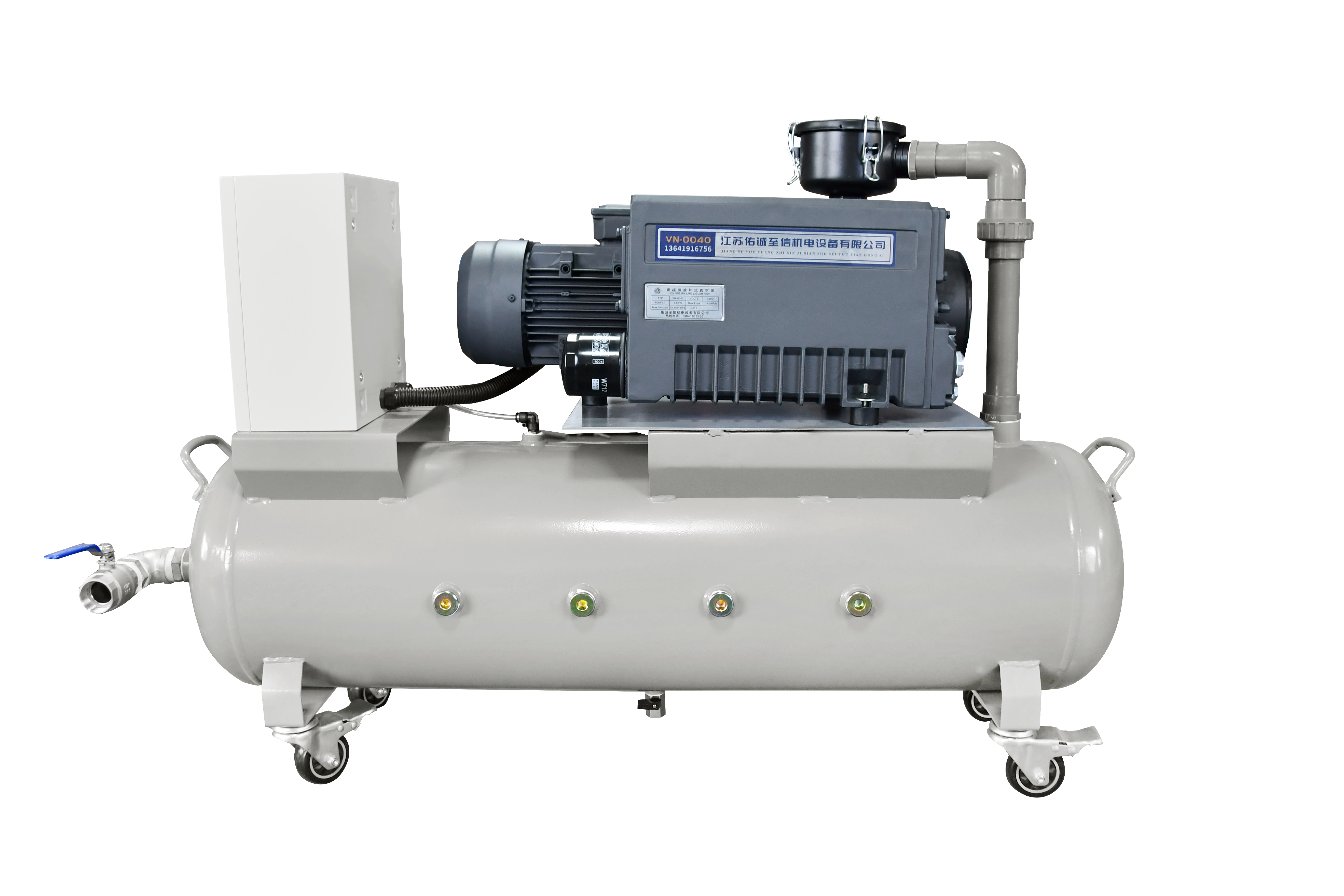
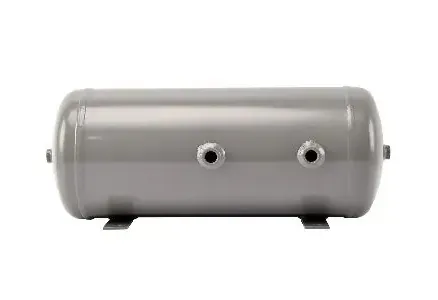
Vertical tanks typically use legs or skirts; horizontal tanks rely on saddles. Correct support prevents vibration, uneven stress, and structural damage. Stable foundations protect the tank and connected equipment.
6. Safety Accessories: Integrated Design
Structural design must accommodate safety devices, including:
Safety valves
Pressure gauges
Manholes or inspection openings
Neglecting these components compromises safety. Proper design simplifies inspection, maintenance, and testing procedures.
Conclusion
The structure of an air receiver tank determines its safety, operational efficiency, and lifespan. Comprehensive evaluation of the shell, end caps, nozzles, drainage, and support ensures reliable performance. Understanding these structural elements helps industries optimize selection, operation, and maintenance of air receiver tanks.