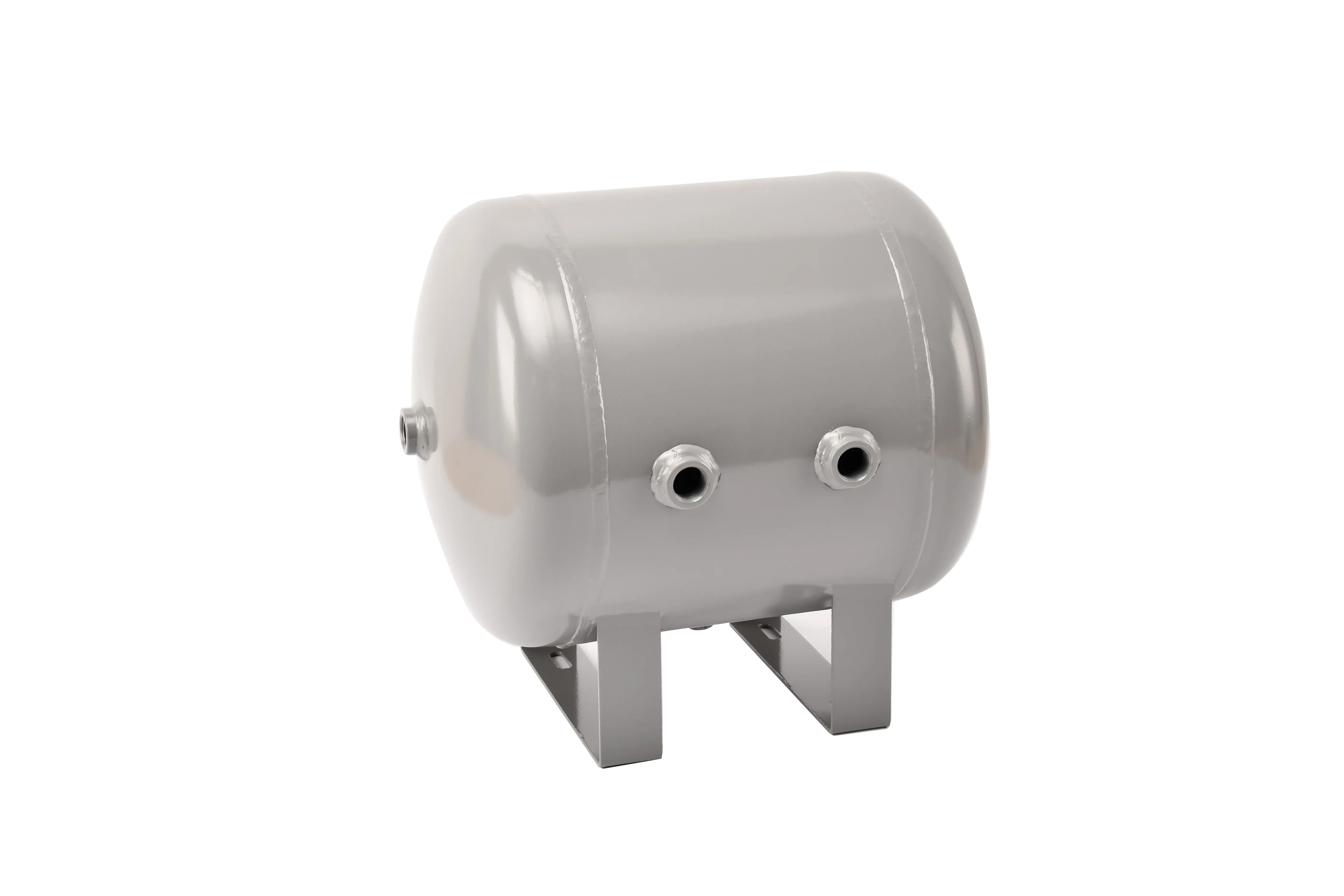
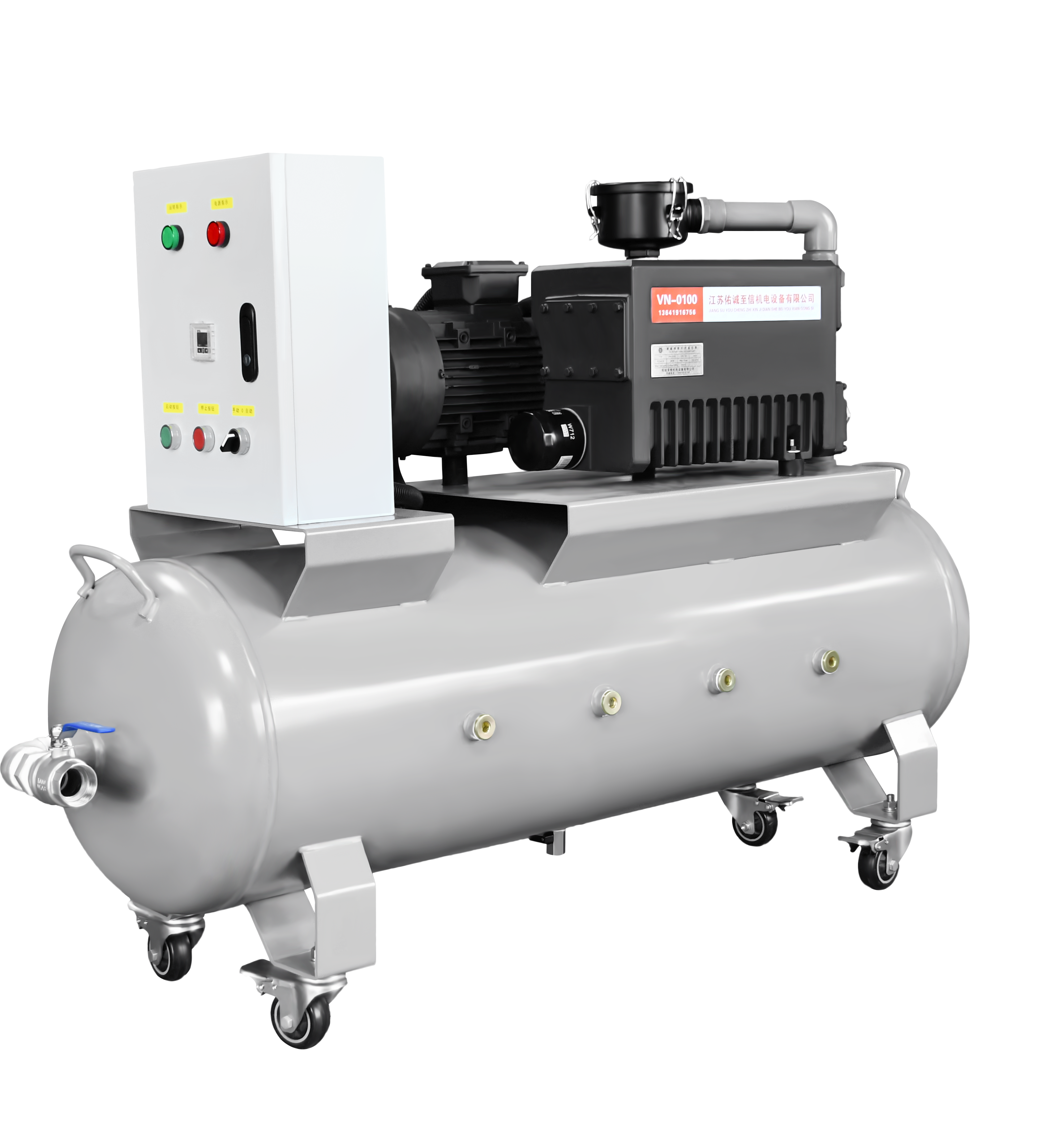
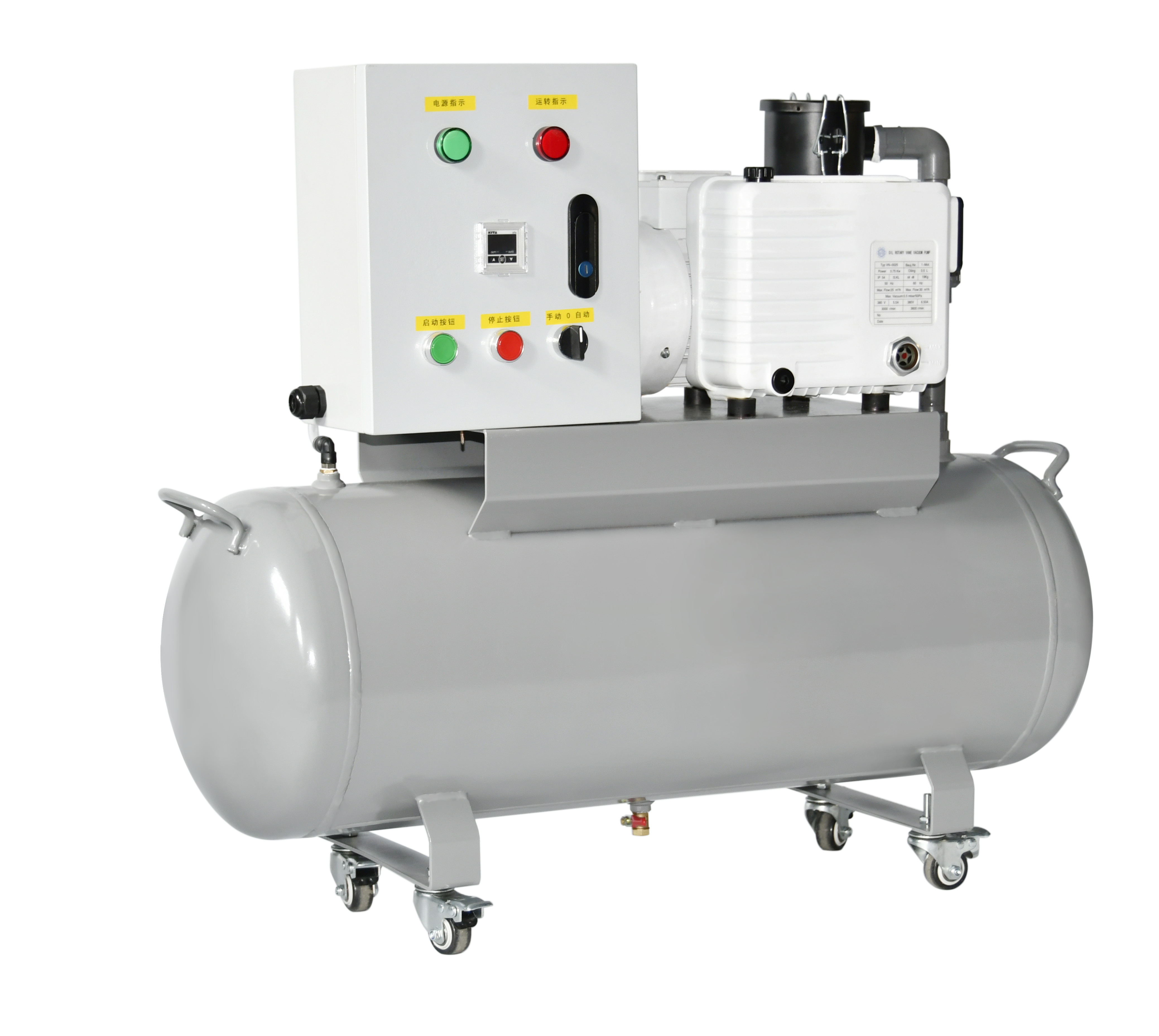
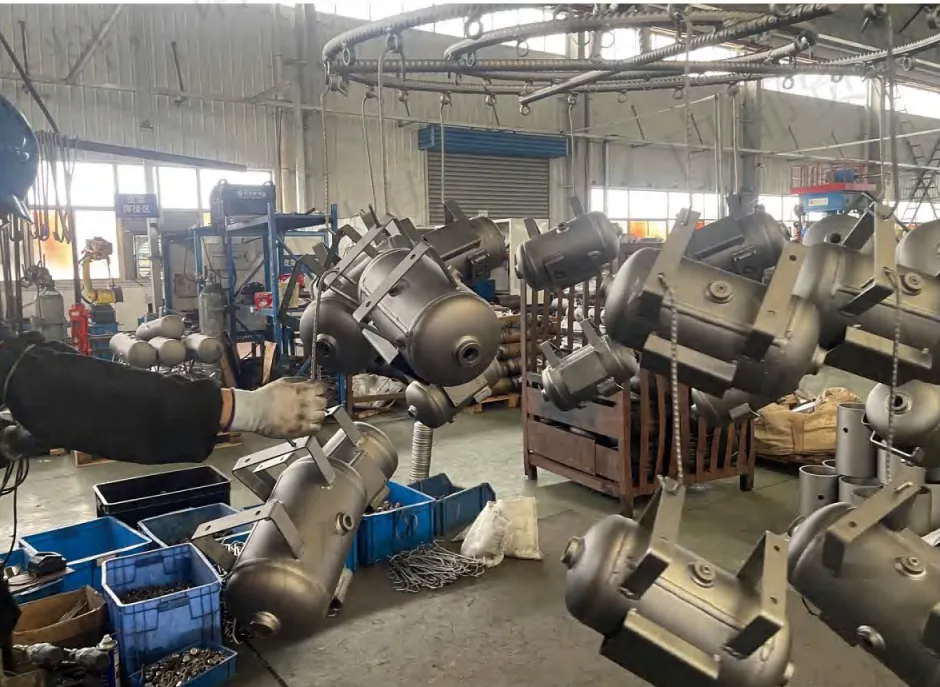
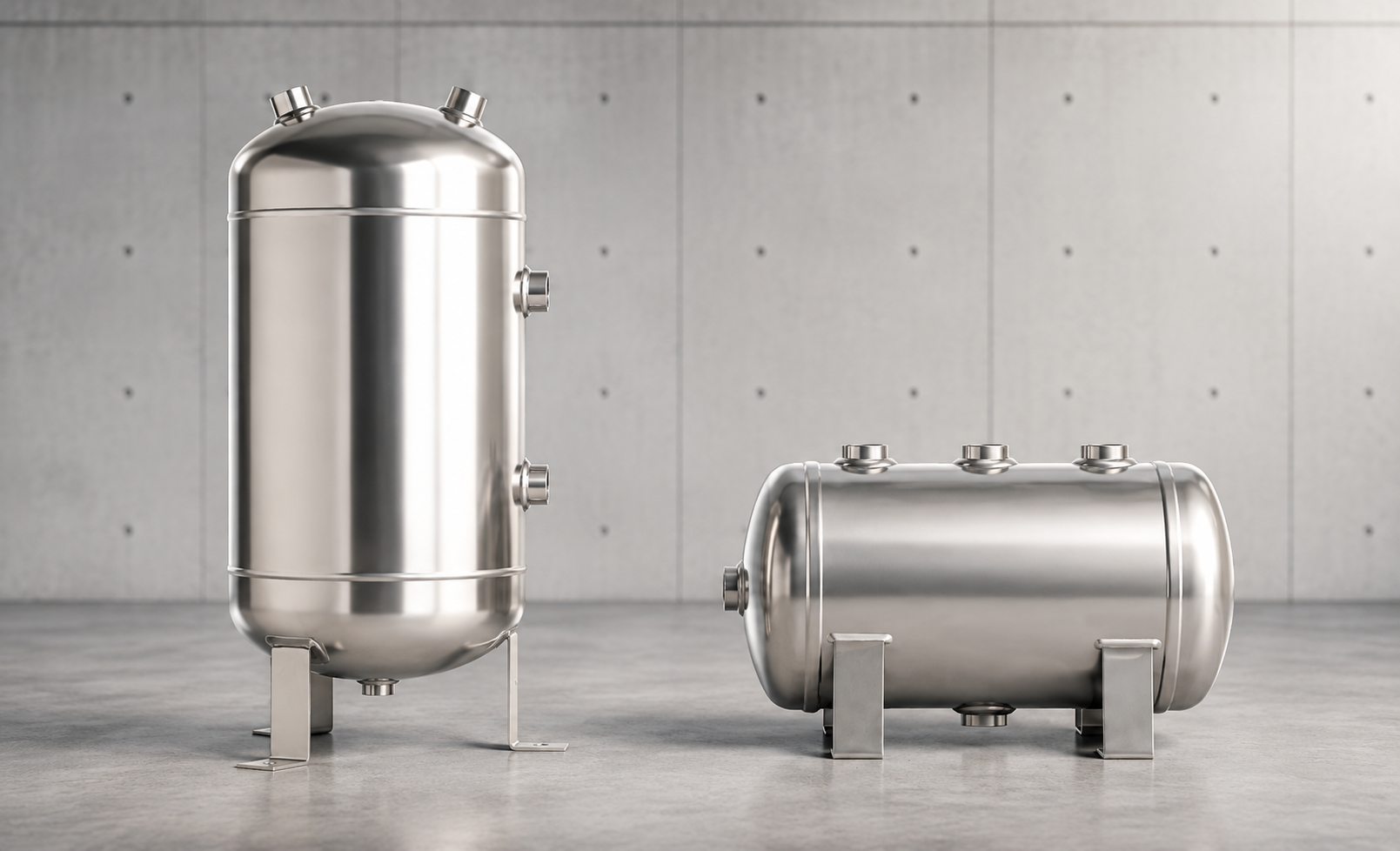
The longitudinal weld is the core bearing weld of stainless steel air tank cylinder. We adopt standardized automatic submerged arc longitudinal welding process with strict 7-step operation specification to guarantee full penetration, uniform weld forming and zero leakage risk of finished tanks.
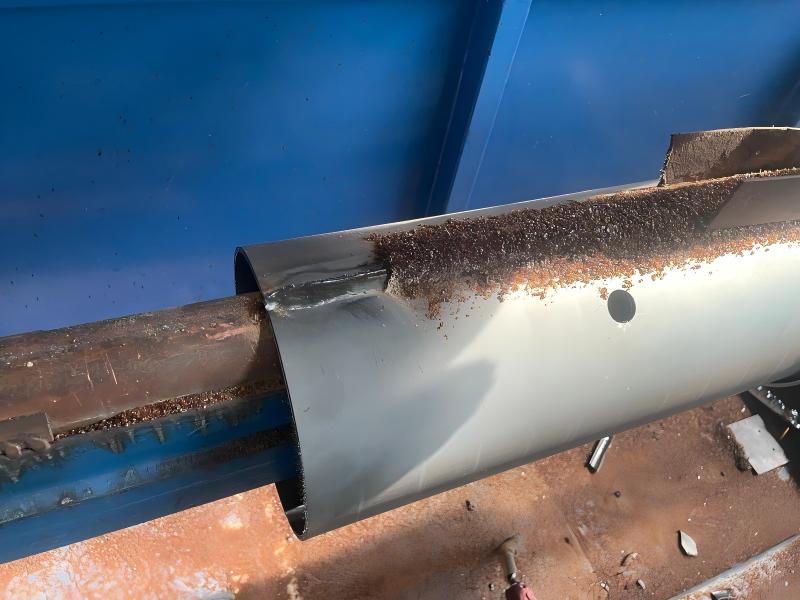
Step 1: Drawing & Material Verification
Check production drawings and raw cylinder materials. Verify plate thickness, diameter, material grade and weld position against drawings. Notes:
1. Welding is forbidden if material or specification fails to match drawings.
2. Correct deformed cylinder before fitting and tack welding.
Step 2: Cylinder Alignment
Align the longitudinal seam of cylinder with the reference line on welding equipment. Start the clamping cylinder to tightly press the cylinder against the copper backing bar.
Notes:
1. Keep the seam perfectly aligned with machine line; misalignment will cause weld offset and air leakage.
2. Do not put hands into the operating area of equipment.
Step 3: Install Run-on & Run-off Plates
Fit run-on plate at weld start end and run-off plate at weld end to eliminate arc crater, porosity and incomplete fusion defects at both weld ends. Attach plates closely to groove ends and fix via symmetric tack welds. All arc striking and extinguishing shall be completed on auxiliary plates rather than cylinder base metal.
Notes:
1. Never strike or extinguish arc directly on cylinder plate.
2. Grooves of auxiliary plates shall align perfectly with cylinder groove without steps.
Step 4: Prepare Submerged Arc Flux
Dry and load flux, spread flux to fully cover the longitudinal seam during welding; collect, screen and reuse flux after welding. Screen slag blocks from recycled flux, mix new and old flux in proper proportion with limited reuse cycles.
Notes:
1. Rebake damp and caked flux before use to avoid pore defects.
2. Fully remove slag residues from recycled flux.
Step 5: Formal Submerged Arc Welding
Complete full penetration submerged arc welding on cylinder longitudinal seam with run-on/run-off plates installed to control cylinder deformation. Start the welding machine, ensure flux evenly covers the whole weld without exposed arc during operation. Notes:
1. Cylinder seam must align with machine reference line.
2. No offset on cylinder tack welds.
3. Ensure full penetration of the weld.
4. Maintain consistent weld reinforcement.
Step 6: Remove Run-on & Run-off Plates
Cut off arc start and stop plates after welding, grind weld ends to eliminate arc crater defects. Conduct gas cutting outside base metal, keep cutting path away from weld body.
Notes:
1. Do not cut close to weld root to prevent damage to cylinder.
2. Do not hammer or force knock off auxiliary plates to avoid weld tearing.
Step 7: Weld Appearance Inspection
Clean slag on weld surface, inspect overall weld forming quality and mark defective areas for rework. Check uniformity of weld width and reinforcement, observe fusion lines on both weld sides.
Notes:
1. Weld reinforcement and width shall meet process standards with minor height difference.
2. Surface cracks, dense pores and deep undercut are prohibited.
3. Smooth transition between weld and base metal without sharp edges.
YCZX strictly implements this full set of standardized longitudinal welding workflow for every air tanks. Our mature automatic welding technology and rigorous multi-stage inspection system minimize all welding defects, eliminate hidden leakage troubles fundamentally, and deliver air tanks with outstanding structural strength and reliable air tightness that stand out among peers. We provide customized tank solutions with stable, consistent welding quality to meet diverse industrial pressure vessel demands worldwide.