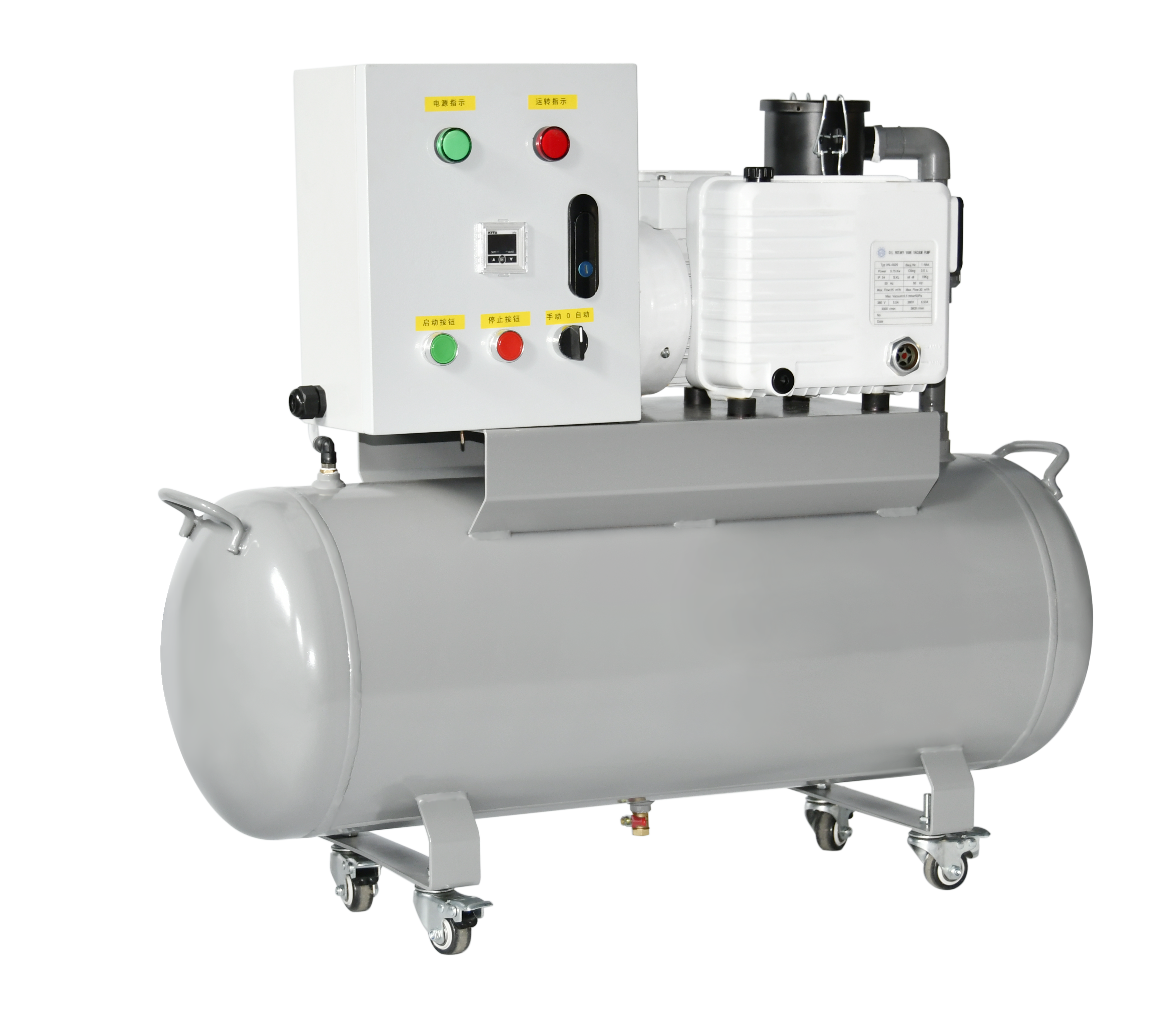
Understanding what is a pressure vessel helps industrial buyers select suitable equipment for compressed air systems, manufacturing facilities, and process industries. A pressure vessel is a container designed to hold gases or liquids at a pressure different from the surrounding atmospheric pressure. It may store compressed air, contain process fluids, or support heating and cooling operations. Knowing the pressure vessel definition, materials, construction methods, and industrial applications helps buyers compare specifications and make informed purchasing decisions.
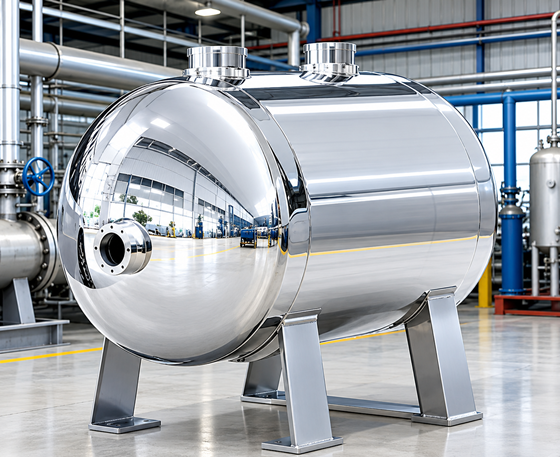
What Is a Pressure Vessel?
A pressure vessel is an engineered container designed to withstand specified internal or external pressure. Unlike conventional storage tanks that typically operate near atmospheric pressure, pressure vessels must meet specific engineering requirements for pressure, temperature, and the contained medium.
The pressure vessel meaning extends beyond storing gas or liquid. The vessel must maintain structural integrity under operating loads and potential temperature changes. Common examples include compressed air receiver tanks, gas storage vessels, and industrial process vessels.
What constitutes a pressure vessel depends on its design, intended use, and applicable regulations. Requirements may vary by jurisdiction, so buyers should confirm the relevant standards before purchasing pressure-rated equipment.
What Makes Equipment Qualify as a Pressure Vessel
Several factors help determine whether equipment qualifies as a pressure vessel under applicable codes and regulations:
Design pressure: The vessel must withstand its specified pressure conditions. Design pressure is not necessarily the same as normal operating pressure.
Operating temperature: Temperature affects material strength and the vessel's performance under pressure.
Capacity and dimensions: Some regulations use pressure, volume, or other thresholds to determine applicable requirements.
Contained medium: Compressed air, steam, gases, and liquids may require different materials and protective measures.
Applicable standards: Relevant codes may specify design, manufacturing, testing, inspection, and certification requirements.
Industrial buyers should check the nameplate, rated pressure, temperature range, material specifications, and compliance documentation. They should also confirm that suitable pressure-relief devices are included where required. Matching the vessel's dimensions to an existing system is not enough to establish its suitability.
How Pressure Vessels Store Gas or Liquid Under Pressure
Pressure vessels contain fluids within a sealed structure engineered to withstand pressure loads. Typical components include a shell, end closures, connection nozzles, and supports. Depending on the application, additional features may include insulation, internal fittings, and monitoring instruments.
The operating process generally involves three stages:
Filling: Gas or liquid enters through designated connections under controlled conditions.
Storage or processing: The vessel contains the medium within its specified operating limits.
Discharge: The stored medium leaves through an outlet when required by the connected system.
Pressure gauges, relief valves, and monitoring controls help operators manage operating conditions and reduce overpressure risks when correctly selected and maintained.
For example, an air receiver tank stores compressed air supplied by a compressor. It provides reserve capacity, helps accommodate changing air demand, and allows some condensate to collect for drainage. The compressor generates pressure, while the receiver provides storage capacity.
Common Pressure Vessel Materials and Construction Methods
Material selection and construction quality affect a vessel's strength, corrosion resistance, service life, and cost. Buyers should consider operating conditions, fluid compatibility, and environmental exposure.
Material or method | Main characteristics | Key considerations |
|---|
Carbon steel | Strong and widely used | Requires suitable corrosion protection |
Stainless steel | Resists corrosion in many environments | Generally costs more |
Aluminum | Lightweight | Requires application-specific verification |
Welded construction | Common in industrial vessels | Weld quality and inspection are essential |
Seamless construction | Used in selected applications | Availability and cost vary by design |
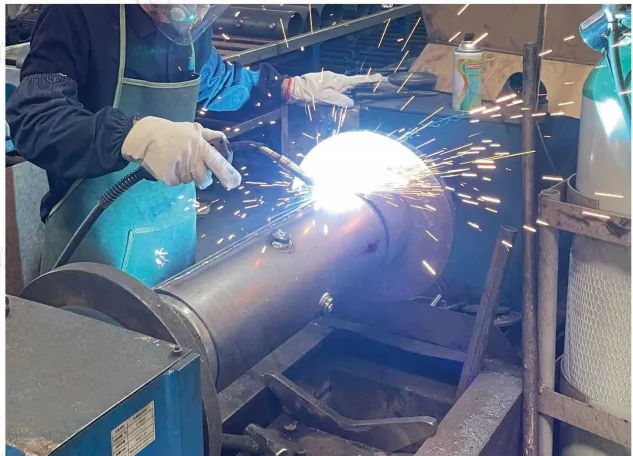
Manufacturing may involve forming metal plates, shaping vessel heads, welding sections, machining connections, and conducting required inspections and tests. The appropriate method depends on vessel dimensions, pressure rating, materials, and applicable standards.
Buyers should evaluate the complete vessel rather than focusing only on its material or price. Manufacturing quality, inspection records, and compliance documentation are important indicators when comparing suppliers.
Where Pressure Vessels Are Used in Industrial Systems
Pressure vessels serve different functions across industrial sectors:
Compressed air systems: Air receiver tanks store compressed air, help balance demand, and provide a collection point for condensate.
Chemical processing: Process vessels contain fluids during mixing, reactions, and separation.
Energy production: Pressure-rated equipment supports certain steam and power-generation processes.
Oil and gas: Specialized vessels support gas processing and fluid separation.
Food and pharmaceutical manufacturing: Suitable vessels support processing, sterilization, and storage under specified conditions.
Before purchasing, buyers should confirm the required capacity, design pressure, temperature range, fluid compatibility, installation space, and applicable certification requirements. Selecting equipment for the actual operating conditions helps support reliable performance and reduce avoidable maintenance.
Conclusion
Understanding what is a pressure vessel helps industrial buyers evaluate pressure-rated equipment more effectively. A vessel's suitability depends on its design, materials, manufacturing quality, intended application, and compliance with relevant standards. Reviewing technical specifications, safety devices, and supplier documentation helps buyers select equipment that meets operational requirements.
FAQs About What Is Pressure Vessel
What is the simplest pressure vessel definition?
A pressure vessel is a container engineered to hold gas or liquid under specified pressure conditions while meeting applicable safety requirements.
What constitutes a pressure vessel?
Classification depends on design pressure, capacity, contents, intended use, and applicable regulations. Exact requirements vary by jurisdiction.
Is an air receiver tank a pressure vessel?
Yes. An air receiver tank is generally designed to store compressed air under pressure and must meet applicable design and safety requirements.
What is the difference between a pressure vessel and a storage tank?
Pressure vessels are designed for specified pressure conditions, while many conventional storage tanks operate near atmospheric pressure. Classification depends on the equipment design and applicable regulations.
What should buyers check before purchasing a pressure vessel?
Review the design pressure, operating temperature, capacity, material compatibility, code compliance, nameplate, inspection documentation, and required protective devices.