Identifying Leakage Problems in Carbon Steel Air Tanks
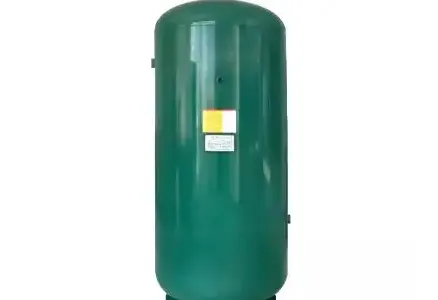
Carbon steel air tanks have long been the backbone of compressed air systems across industries. With over 12 years of manufacturing experience, we understand these tanks inside and out. Leakage problems represent one of the most common issues operators face. These leaks can appear in various locations throughout the tank system. Weld joints, valves, and connection points are typical areas where leaks develop. Spotting these issues early is critical to prevent energy loss and potential safety hazards.The first step in identifying leaks is a thorough visual inspection. Look for visible cracks, rust spots, or areas where paint has bubbled. These signs often indicate corrosion that has compromised the tank's integrity. After visual inspection, a soap solution test can help locate smaller leaks. Apply the solution to suspected areas and watch for bubbles forming. This simple method reveals even the smallest leaks that might otherwise go unnoticed.Temperature changes can also cause temporary leaks. As the tank heats up or cools down, metal expands and contracts. This movement may create small openings at joints. Perform tests when the tank is at operating temperature for more accurate results. Pay special attention to the tank's seams and welded edges, as these areas experience the most stress during pressure cycles.For underground or hard-to-reach tanks, ultrasonic leak detectors provide an excellent solution. These devices detect high-frequency sounds created by air escaping from pressurized systems. Regular leak detection saves energy and extends the tank's service life. Remember, a small leak today can become a major problem tomorrow.
Troubleshooting Drain System Malfunctions in Air Receiver Tanks
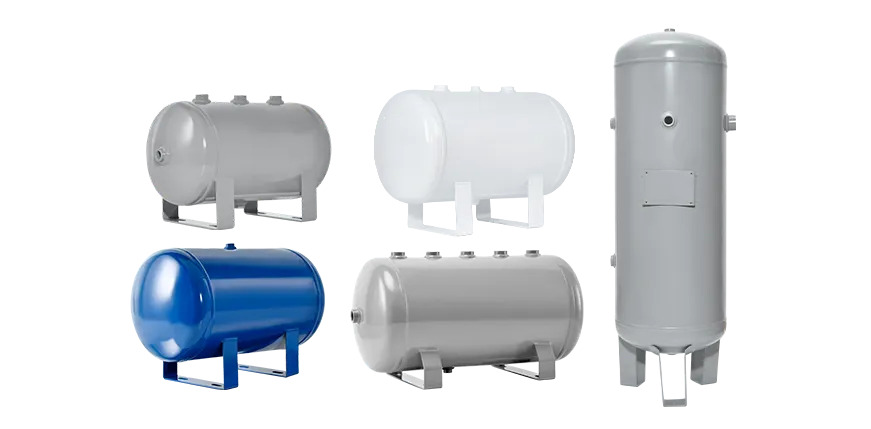
The drain system in carbon steel air tanks plays a vital role in maintaining performance. These systems remove condensed water that accumulates during compression. When drain systems malfunction, water builds up inside the tank. This leads to internal corrosion and reduces compressed air quality. Understanding common drain issues helps prevent these problems.Automatic drains often fail due to dirt and debris accumulation. Small particles can clog the valve mechanism, preventing proper operation. Manual drains may be left open or fail to close completely. Both situations result in air loss or water remaining in the tank. Regular cleaning of drain valves is essential for reliable operation.Condensate traps represent another common trouble spot. These devices separate water from the compressed air stream. When traps malfunction, water carries over into the distribution system. This can damage pneumatic equipment and affect process quality. Check for proper operation by testing the trap with an appropriate method for your specific model.Freezing presents a significant challenge in cold environments. Water left in drain systems can freeze, blocking flow and potentially damaging components. In colder climates, consider heated drain models or install insulation around drain lines. Regular inspection before winter weather arrives can prevent freezing-related issues.Sometimes the problem isn't with the drain itself but with the plumbing connected to it. Check for kinked hoses, improper slopes, or damaged fittings. The entire drain system should allow water to flow freely away from the tank. Any restrictions can cause backups and lead to operational problems. A properly functioning drain system is non-negotiable for tank longevity and performance.
Common Causes of Valve Malfunctions and Their Solutions
Valves serve critical functions in carbon steel air tank systems. They control air flow, pressure, and direction. When valves malfunction, the entire system suffers. Understanding common valve issues helps operators maintain peak performance and prevent costly downtime.Pressure relief valves protect against over-pressurization conditions. These safety devices may fail due to corrosion, dirt buildup, or mechanical wear. Testing relief valves regularly according to manufacturer specifications is essential. Replace any valve that fails to open at its designated pressure setting. This simple test ensures operator safety and equipment protection.Non-return valves prevent backflow in compressed air systems. These valves may stick open or closed due to contamination or mechanical failure. Cleaning valve internals usually resolves minor issues. For persistent problems, valve replacement may be necessary. Always ensure replacement parts meet original specifications to maintain system integrity.Control valves regulate air flow to downstream equipment. Diaphragms in these valves can become brittle over time, especially in systems with oil contamination. Regular inspection and replacement of diaphragms prevent unexpected shutdowns. Filter your compressed air to remove oil and particulate matter, extending valve service life.Manual valves often develop leaks around the stem or bonnet. Simple tightening may resolve minor leaks. For persistent issues, replace packing or gaskets. Ensure valve handles or operators move freely without binding. Sticking valves indicate potential problems that should be addressed before complete failure.Proper valve maintenance prevents most malfunctions. Establish a regular inspection schedule based on operating conditions. Keep detailed maintenance records to track performance over time. Well-maintained valves ensure reliable operation and contribute to the overall efficiency of your compressed air system.
Regular Inspection and Maintenance Schedules for Carbon Steel Air Tanks
Carbon steel air tanks deliver exceptional value through proper care and maintenance. Regular inspections prevent small problems from becoming catastrophic failures. A structured maintenance schedule maximizes tank life and ensures safe operation. Following these practices helps maintain the proven reliability of carbon steel tanks.Visual inspection should occur at least monthly. Look for external corrosion, dents, or signs of leaks. Pay special attention to the tank's bottom and weld seams. These areas are most vulnerable to corrosion. Document any findings and address issues promptly. Exterior cleaning may be necessary to perform thorough inspections.Internal inspection requires more preparation and should happen annually. This involves draining the tank, purging residual air, and opening inspection ports. Check for signs of internal corrosion, scale buildup, or mechanical damage. Water accumulation at the bottom indicates drain system issues. Internal inspections identify problems before they compromise structural integrity.Pressure testing should be performed periodically according to regulations and manufacturer recommendations. Hydrostatic testing confirms the tank can safely contain design pressure. This test requires special equipment and trained personnel. Document all pressure tests and maintain records for compliance purposes. Proper testing ensures the tank remains safe for continued operation.Implement a comprehensive maintenance checklist covering all tank components. Record dates, findings, and corrective actions for each inspection. Regular maintenance enhances safety and extends tank service life. It also helps identify emerging trends that may indicate systematic issues needing attention.The balanced approach to carbon steel tank maintenance combines vigilance with practicality. Regular inspections catch problems early. Prompt repairs prevent small issues from becoming major failures. Following manufacturer guidelines ensures compliance with safety standards. Proper care maintains the cost-effectiveness and reliability that makes carbon steel the material of choice for compressed air storage.In conclusion, carbon steel air tanks continue to serve industries well due to their inherent strengths and proper care. Regular troubleshooting of common issues like leaks, drain problems, and valve malfunctions prevents operational disruptions. A structured maintenance schedule maximizes tank life and ensures safety. The enduring value of carbon steel lies not just in its material properties but in the commitment to responsible maintenance and operation. By following these practices, operators can rely on their carbon steel air tanks for years of dependable service.