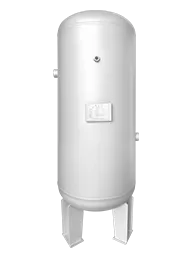
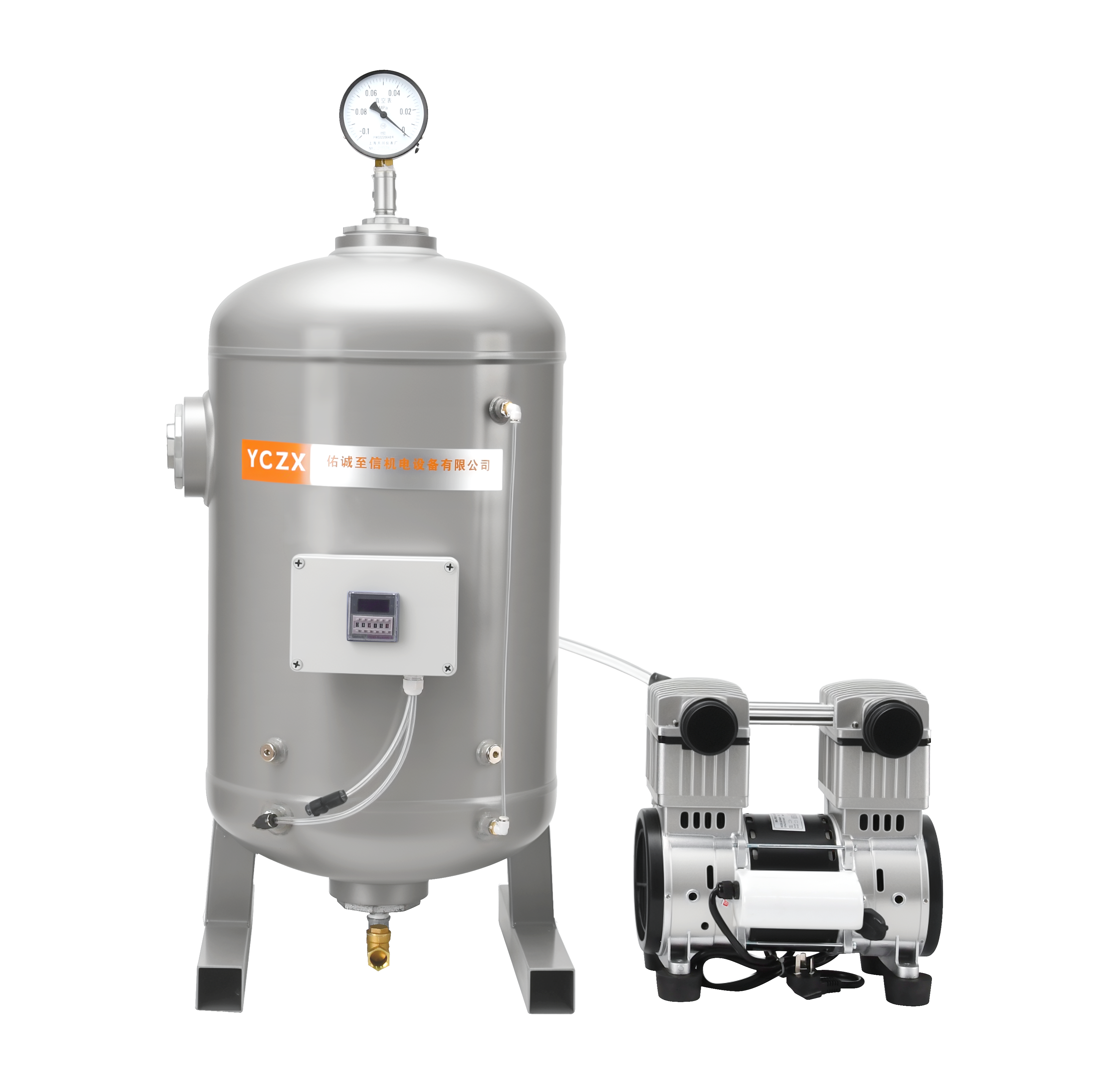
Choosing the right air receiver tank dimensions is about more than selecting a tank with the required air capacity. Diameter, height, footprint, orientation, nozzle location, and maintenance clearance can all affect whether the vessel fits the installation site and can be safely serviced. For industrial buyers, understanding air tank dimensions before ordering helps avoid layout changes, transportation problems, and installation delays. The right dimensions should balance pressure and capacity requirements with the physical limitations of the facility.
Which Air Receiver Tank Dimensions Matter for Installation?
When evaluating air receiver tank dimensions, buyers should look beyond overall height and diameter. The complete installation envelope includes the vessel itself, support structure, connections, valves, drains, access areas, and maintenance clearance.
Key dimensional information usually includes:
Overall height: Important for buildings with limited ceiling clearance, overhead equipment, or restricted lifting space.
Diameter: Determines part of the installation footprint and affects how much floor space is required.
Overall footprint: Includes the support base, legs, saddles, or other mounting structure.
Nozzle locations: Connection positions can affect piping routes and accessibility.
Maintenance clearance: Space may be needed around valves, inspection points, drains, and other components.
Orientation: Vertical and horizontal configurations create different space requirements.
These factors mean that two tanks with similar capacity may still require very different installation arrangements.
How Capacity and Working Pressure Affect Tank Dimensions
Capacity is one of the primary factors influencing pressure tank dimensions. As required storage volume increases, the vessel generally needs greater internal volume, which can be achieved through changes in diameter, length, height, or a combination of these dimensions.
Working pressure also affects vessel design. Higher-pressure applications may require engineering and construction requirements that influence wall thickness and overall vessel configuration. Buyers should therefore avoid selecting dimensions based only on the nominal tank volume.
The relationship between capacity and pressure should be evaluated together with the available installation space. A manufacturer may be able to provide different configurations for a similar capacity, allowing the buyer to choose a geometry that better fits the facility.
Diameter vs Height in Vertical Receiver Selection
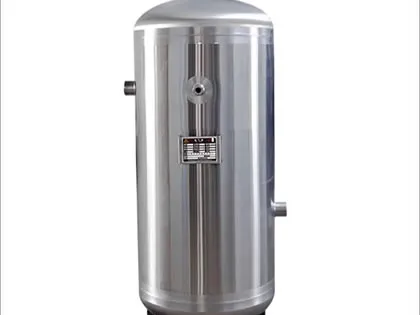
Vertical receivers are often considered when floor space is limited because much of the vessel volume extends upward rather than across the floor. However, increased height can create challenges in facilities with restricted ceiling clearance or limited lifting access.
The diameter also affects the required floor area and the positioning of nearby equipment and piping. A larger-diameter tank may have a lower overall height for a similar volume, while a narrower design may require more vertical clearance.
When comparing air receiver tank sizes, buyers should therefore consider the complete installation environment rather than assuming that a taller or narrower tank is automatically more suitable. The available ceiling height, access route, lifting equipment, foundation conditions, and surrounding equipment should all be checked before finalizing the configuration.
How Horizontal Layout Changes Installation Footprint
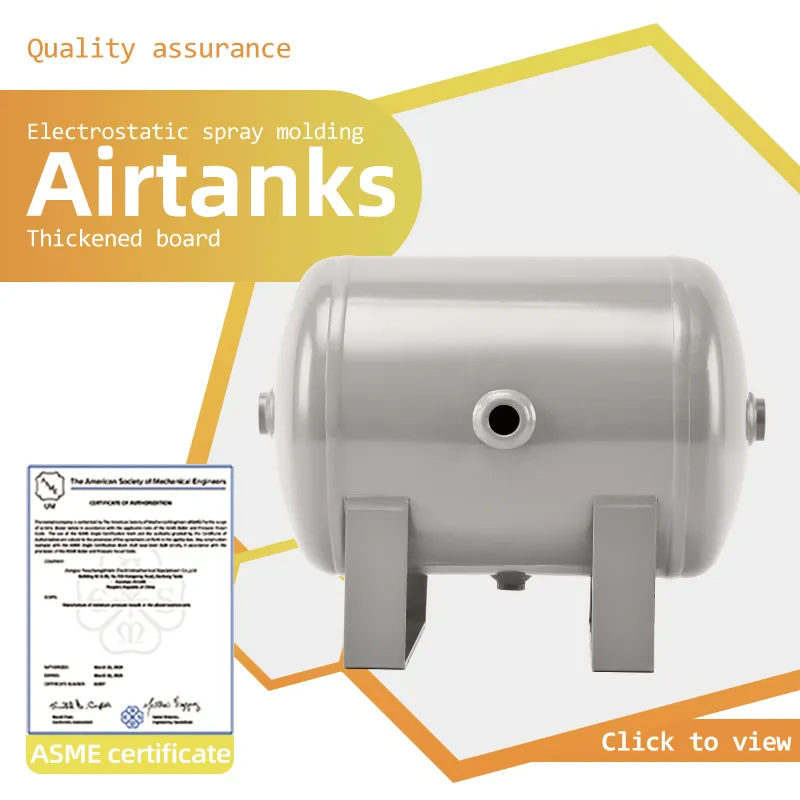
Horizontal receiver tanks distribute their length across the floor rather than primarily upward. This can be useful where vertical clearance is limited, but it generally creates a longer installation footprint.
The support arrangement also becomes important. Horizontal tanks may use saddles or other supports that influence the overall base dimensions. Piping connections, drain locations, inspection access, and maintenance areas should be considered together with the tank length.
For facilities with sufficient floor space but limited ceiling height, a horizontal configuration may provide a practical alternative. However, the final choice should depend on the actual site layout and installation requirements rather than orientation alone.
| Dimension or Factor | Why It Matters |
|---|
| Capacity | Determines the required internal storage volume |
| Diameter | Influences floor footprint and vessel geometry |
| Height/Length | Must fit available installation and access space |
| Orientation | Determines whether space is primarily used vertically or horizontally |
| Nozzle position | Affects piping connections and accessibility |
| Support dimensions | Determines foundation and floor-space requirements |
| Maintenance clearance | Allows inspection, drainage, and servicing |
What Dimensional Information Buyers Should Confirm Before Ordering
Before placing an order, buyers should request a complete dimensional drawing rather than relying only on a listed capacity or nominal pressure vessel size. The drawing should show overall height or length, outside diameter, support dimensions, nozzle locations, connection sizes, and other relevant projections.
Installation teams should also verify the route from the unloading point to the final installation location. Door dimensions, ceiling height, corridors, lifting equipment, and foundation conditions can become practical limitations even when the final installation area appears large enough.
It is also useful to confirm whether the quoted dimensions include fittings, valves, safety components, insulation, or other accessories. Small differences in these details can affect the actual installation envelope.
Conclusion
Selecting suitable air receiver tank dimensions requires more than matching a required storage capacity. Diameter, height, length, orientation, supports, nozzle positions, and maintenance clearance all influence installation. By confirming the complete air tank dimensions and pressure tank dimensions before ordering, industrial buyers can select a vessel that fits both the technical requirements and the physical conditions of the site. A detailed dimensional drawing should therefore be part of the purchasing and installation review process.
FAQs About Air Receiver Tank Dimensions
What dimensions are important for an air receiver tank?
Overall height, diameter, length, footprint, support dimensions, nozzle locations, and required maintenance clearance are important when planning installation.
How does capacity affect air receiver tank dimensions?
Larger storage capacity generally requires greater internal volume, which can be achieved through changes in vessel diameter, height, length, or configuration.
Are vertical air receiver tanks better for limited floor space?
A vertical tank can reduce the floor footprint compared with some horizontal configurations, but it requires sufficient ceiling height and installation access.
When is a horizontal receiver tank useful?
A horizontal configuration can be considered where floor space is available but vertical clearance is restricted.
What is pressure vessel size?
Pressure vessel size refers to the physical dimensions and capacity of a pressure vessel. For installation planning, buyers should consider more than volume alone, including diameter, height or length, supports, and connection locations.
What should buyers request before ordering?
Buyers should request a detailed dimensional drawing showing the vessel dimensions, supports, nozzle positions, connection details, and any accessories that affect the installation envelope.