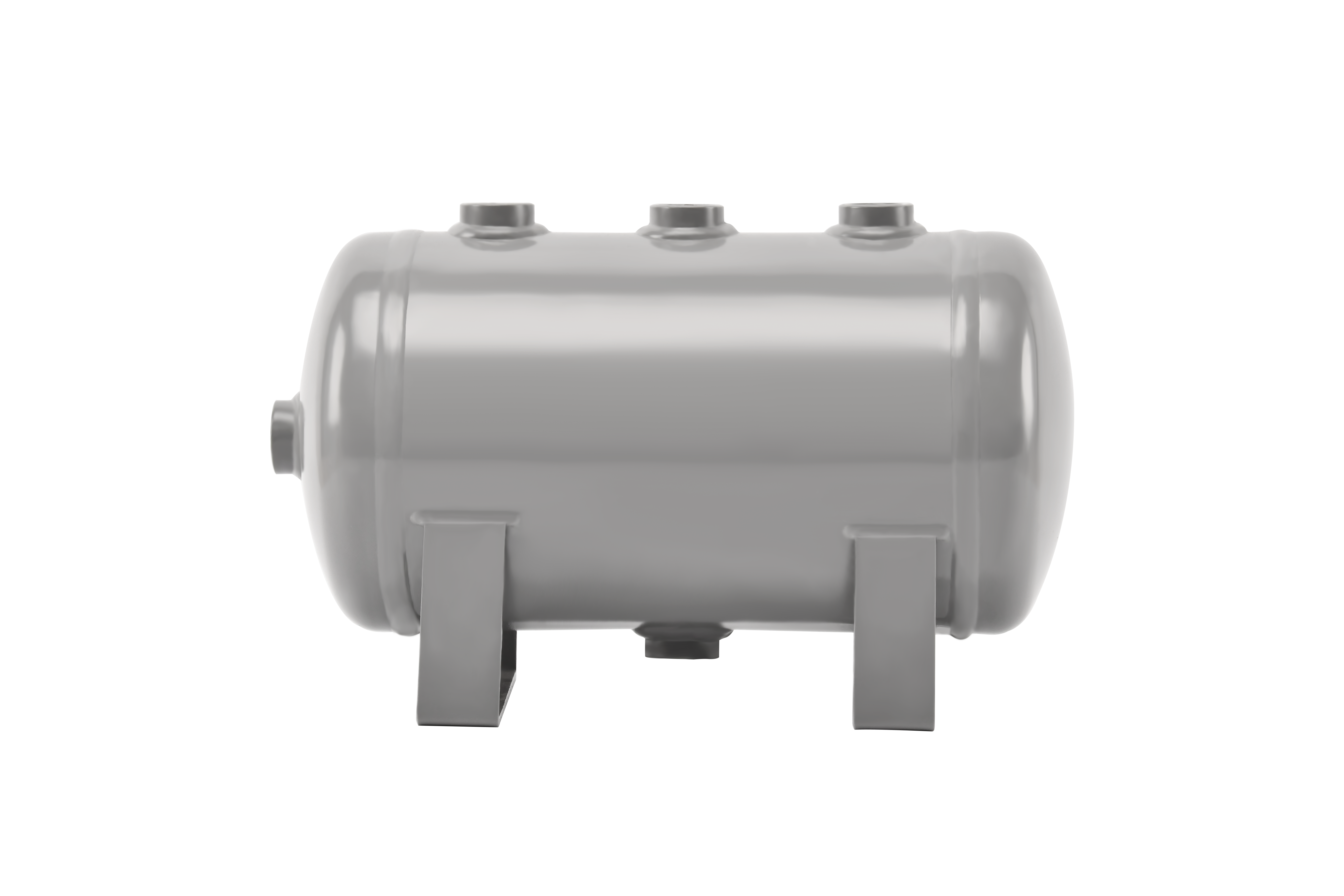
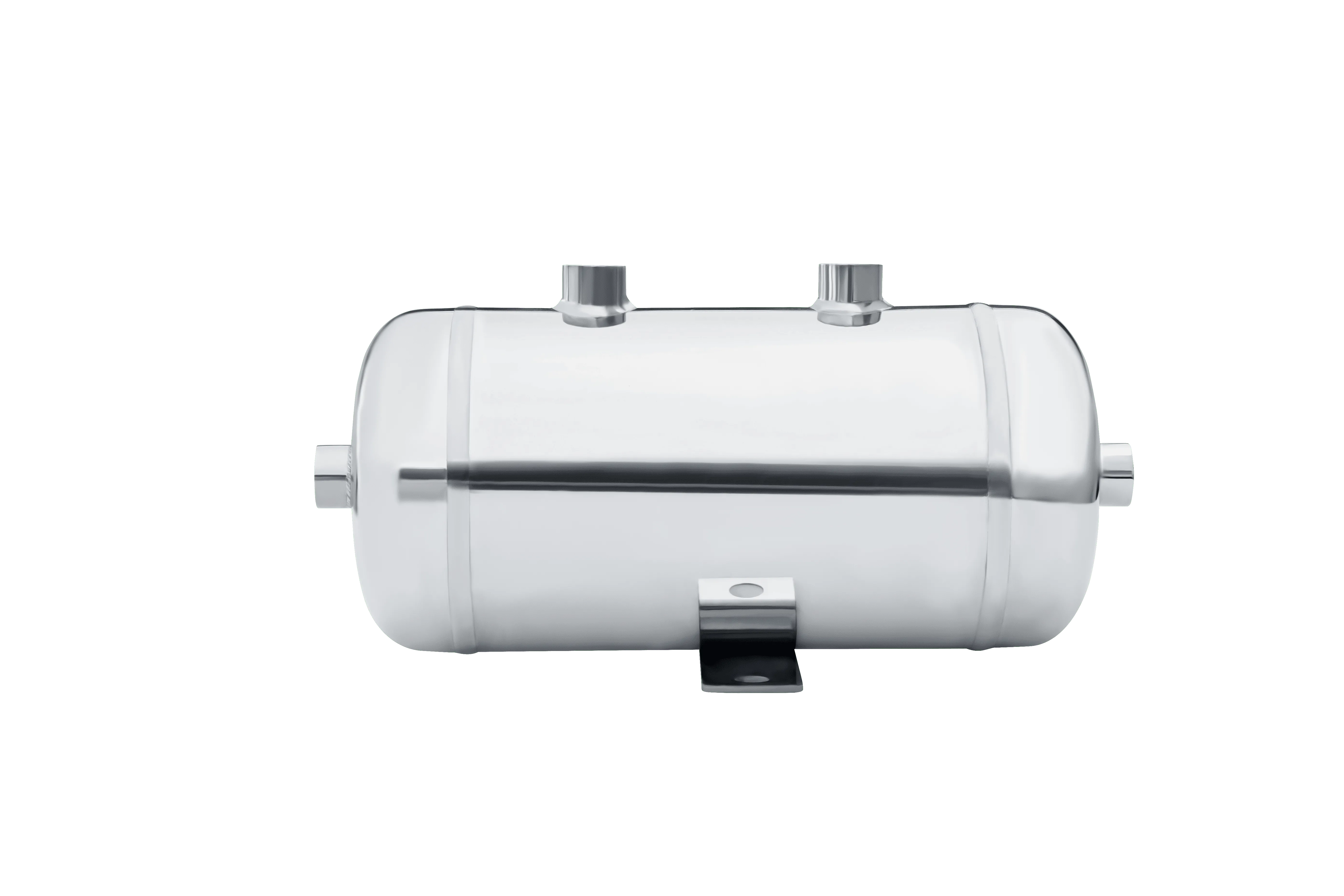
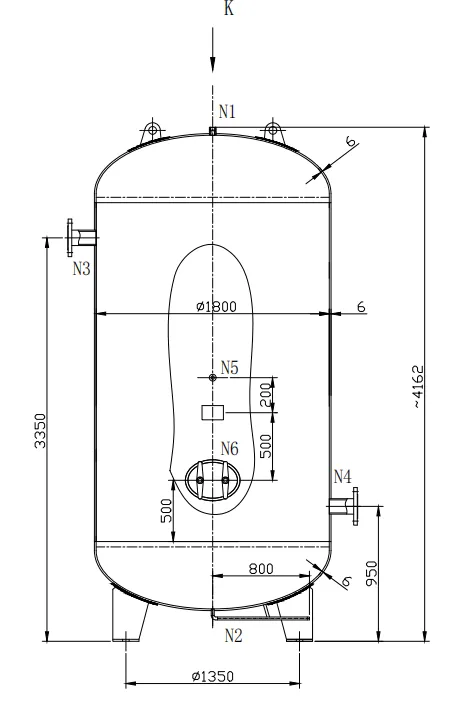
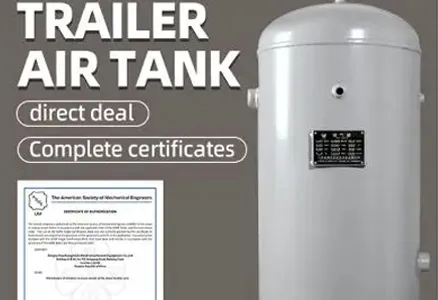
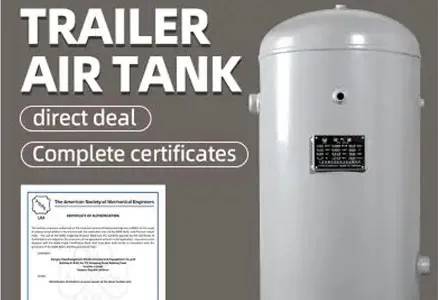
In any industrial manufacturing plant or automated processing facility, compressed air systems are often referred to as the "fourth utility." However, without the critical supporting component—the pressure vessel, the air compressor alone cannot deliver stable and reliable pneumatic power.
As a professional international pressure vessel factory, YCZX focuses on manufacturing high-end, certified solutions to optimize system performance, ensuring your business operates safely, compliantly, and smoothly.
What is an Air Receiver Tank?
To build an efficient industrial system, one must first understand its core components. What is an air receiver tank, and why is it essential? At the most basic level, an air compressor receiver tank is a specialized pressure vessel designed to temporarily store compressed air from the air compressor before it is delivered to your machinery or tools.
You can think of it as a buffer. When your air compressor discharges air, the air receiver tank stores this energy. This temporary storage ensures that even if your downstream automation, manufacturing, or processing equipment experiences sudden and large peak demands for pneumatic power, the system can meet them instantly without causing a pressure drop in the entire pipeline.
Core Functions of the Air Receiver Tank
Integrating a robust air pressure tank into the system offers several key engineering roles beyond simple storage:
Stabilizing Pressure: The air discharged from the compressor is pulsed. The air pressure tank can dampen these pulsations, making the airflow smooth and providing a stable, constant pressure for sensitive pneumatic tools.
Condensate and Moisture Separation: When warm compressed air enters the cooler tank environment, it naturally cools down. This temperature drop causes moisture and oil vapor to condense into liquid droplets and settle at the bottom of the tank, which can then be safely discharged through a drain valve, protecting downstream equipment from rust and water damage.
Managing Peak Demand: It allows smaller power compressor units to successfully handle short-term, high-flow operations by utilizing stored energy buffering.
Benefits of Industrial Air Storage Tanks
From an operational and financial perspective, adding high-quality air storage tanks to your factory workshop can bring direct efficiency improvements:
Reducing Compressor Start/Stop Frequency: Without an air storage tank, your compressor must start and stop (cycle) each time a tool requires air. Air storage tanks eliminate this frequent start/stop cycle, significantly reducing mechanical wear.
Substantial Energy Savings: Frequent motor starts consume a lot of electricity. By reducing start/stop frequency, these tanks optimize motor operating efficiency and can greatly reduce your factory's monthly electricity bill.
Extending Equipment Life: Fewer cycles mean lower failure rates, less maintenance downtime, and a longer operating life for your expensive compressor units.
How to Choose a Reliable Air Receiver Tank Manufacturer
Selecting the right air reservoir tank involves more than just choosing a size; it requires selecting a manufacturer that can meet strict international industrial directives.
When evaluating potential air reservoir tank manufacturers, global procurement managers should focus on the following three uncompromising traits:
International Compliance and Stamp Certification: High-pressure containers carry inherent risks. Ensure the manufacturer holds official ASME (U or UM stamp) certification for the North American market or CE/PED compliance directives for European installations.
Advanced Material Manufacturing Processes: Different environments require different metals. A quality manufacturer should offer high-strength carbon steel, lightweight aluminum alloy, or highly sanitary stainless steel (such as food-grade SS304 or corrosion-resistant SS316) based on your industry needs.
Deep Customization Capability: Industrial pipeline layouts vary greatly. Your supplier must be able to customize port orientations, bracket configurations, dual pressure boundaries, and exterior surface treatment processes based on demand.
To procure reliable containers that meet these strict global engineering standards, you can browse the standard and fully customized air receiver tanks series products designed and manufactured by YCZX.
Air Receiver Tank FAQs
Q: Can carbon steel tanks be used for food, beverage, or pharmaceutical processing?
A: Highly inadvisable. For sanitary or sensitive chemical applications, stainless steel air storage tanks are the industry standard. While carbon steel is highly cost-effective in conventional manufacturing, stainless steel can thoroughly prevent any rust particles or bacterial contamination from entering your clean air stream.
Q: What advantages do vertical tanks have over horizontal tanks?
A: Vertical containers are most popular because they can greatly save floor space in compact factory layouts. However, horizontal tanks have a lower center of gravity and excellent stability, making them ideal for buildings with lower ceilings or for direct installation beneath compressor units.
Q: Does YCZX support international certifications beyond ASME and CE?
A: Yes. In addition to ASME and CE/PED certifications, YCZX can provide pressure vessel registrations for multiple countries and regions, including CRN (Canada), DOSH (Malaysia), and MOM (Singapore), to ensure smooth approval under local regulations.
Conclusion
An air receiver tank is not just a metal container; it is the ultimate stabilizer, protector, and efficiency multiplier of your entire compressed air infrastructure. Investing in a precisely engineered pressure vessel can directly translate to lower energy costs, a safer working environment, and reduced mechanical maintenance costs.
As a global leading supplier of water tanks and air reservoir tanks, YCZX is ready to provide you with standard or fully customized solutions that meet your precise pneumatic flow requirements. Feel free to contact the YCZX engineering team at any time to discuss your upcoming project specifications and obtain a comprehensive technical quote.