The target market usually determines the starting point for selection
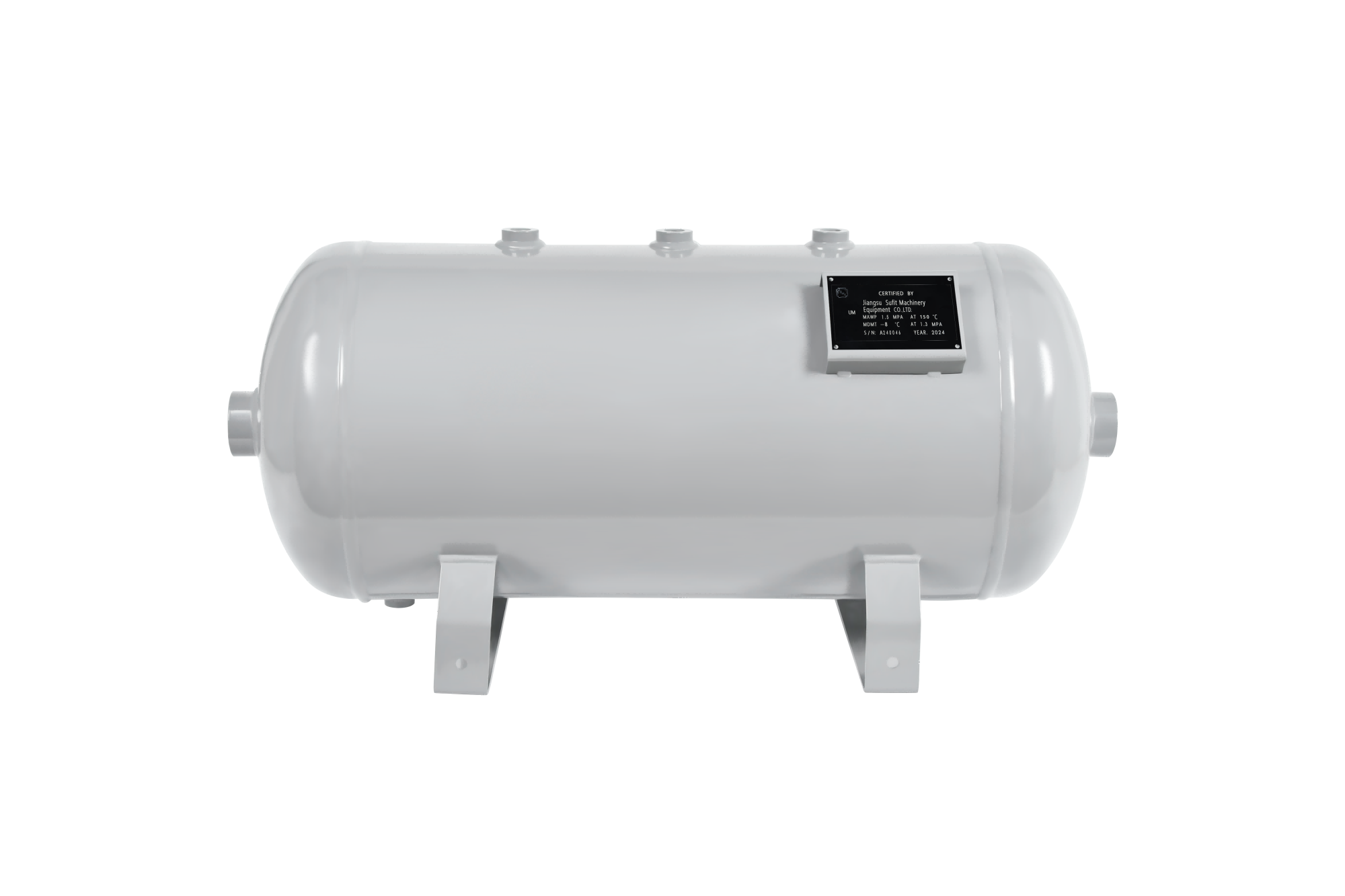
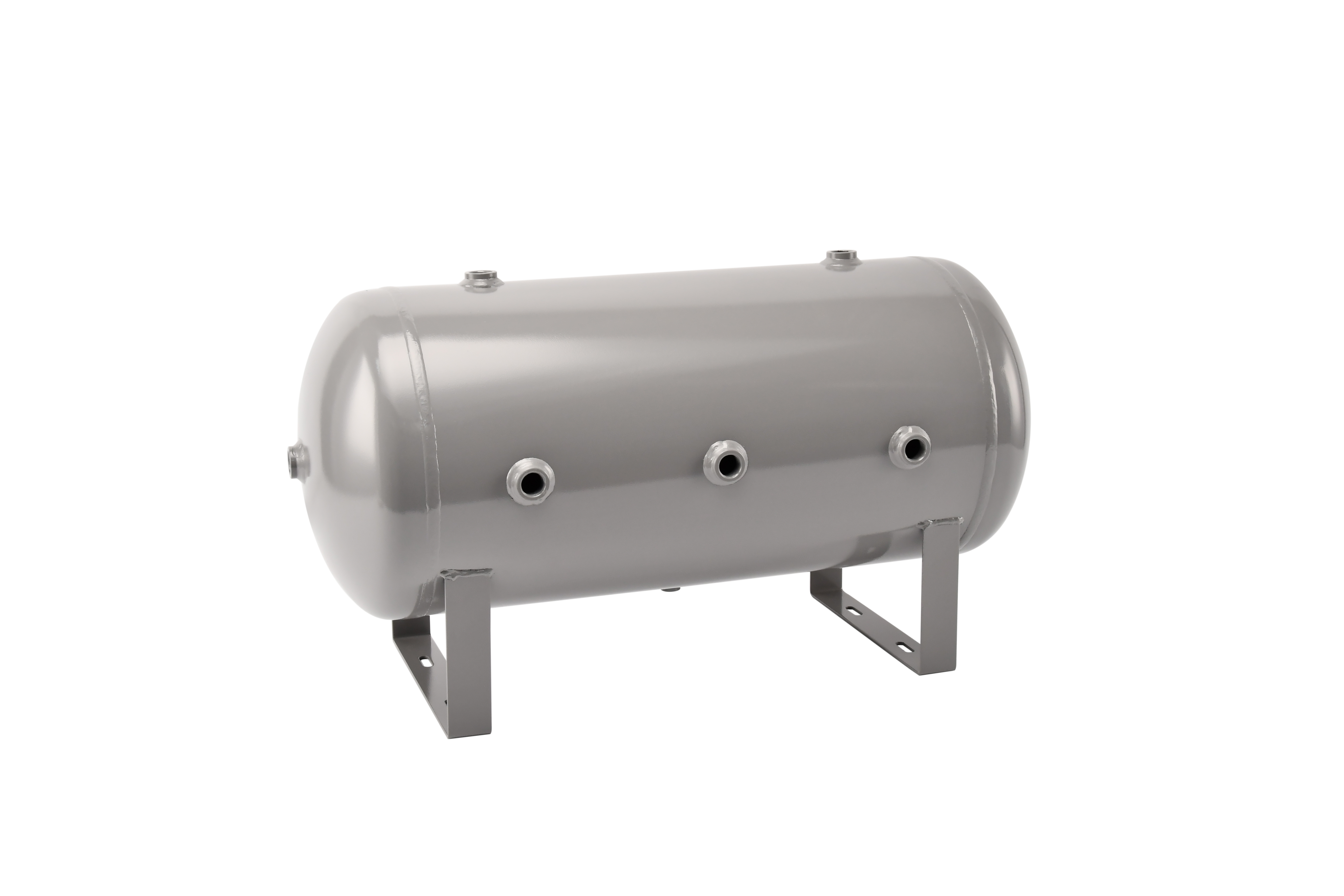
Export buyers should not choose the corresponding pressure vessel specifications just because a certain air tank is cheaper or has a faster delivery time. The correct path should start from the installation country, the end-user specifications, and the equipment parameters. PED air tanks are used to meet applicable European pressure equipment requirements, while ASME air receivers are implemented according to relevant ASME boiler and pressure vessel specifications when a project explicitly requires ASME manufacturing.
Both systems aim for safety, but the regulatory and certification frameworks are different and cannot be assumed to be fully interchangeable.
What does PED mean for European pressure equipment?
The EU Pressure Equipment Directive 2014/68/EU applies to the design, manufacture, and conformity assessment of stationary pressure equipment with a maximum allowable pressure greater than 0.5 bar. Specific categories and assessment paths depend on factors such as pressure, volume, fluid group, and equipment type.
CE pressure vessels must meet applicable EU regulations before using the CE mark. Depending on the classification, conformity assessment may involve a notified body. Buyers should confirm the technical documents, declarations, nameplate information, and other materials required for the specific project.
What does ASME Section VIII mainly cover?
ASME BPVC Section VIII Division 1 specifies the design, manufacture, inspection, testing, and certification requirements for pressure vessels within its scope. Depending on the project construction and certification methods, ASME projects may also involve authorized inspectors, specification marks, and data reports.
ASME is widely specified in the United States and many international industrial projects, but buyers still need to check local regulations, registrations, and end-user specifications.
Main differences buyers need to confirm
Comparison Item | CE/PED Path | ASME Path |
Main Project Scenario | Applicable EU/EEA pressure equipment market requirements | Projects explicitly specifying ASME BPVC manufacturing |
Regulatory/Technical Basis | Directive 2014/68/EU and applicable harmonized or technical standards | ASME BPVC Section VIII and project/jurisdiction requirements |
Classification Method | Classified into PED categories based on pressure, volume, fluid group, etc. | Executed according to specification scope and manufacturing requirements |
Marking/Identification | Use of CE mark and corresponding product identification where applicable | Use of ASME specification mark when certification is specified |
Third-Party Involvement | Involvement of a notified body depends on the conformity path | Code stamp manufacturing involves authorized inspection |
Primary Procurement Question | In which market will the product be launched? | Do project specifications or local regulations require ASME manufacturing? |
Can an air tank meet both sets of requirements simultaneously?
Manufacturers can evaluate the possibility of meeting multiple market requirements from the project start stage, but dual compliance is not simply adding two labels after the product is completed. Materials, design calculations, welding qualifications, inspections, tests, and documents must be planned in advance.
If the equipment is likely to be exported to both Europe and North America in the future, it should be clearly stated at the concept stage, and the manufacturer should evaluate whether the dual-path project is technically and commercially feasible.
Documents suggested to be requested before ordering
· Confirmed vessel drawings and design parameters
· Material identification and material certification where applicable
· Applicable conformity or specification scope
· Pressure test and inspection records
· Nameplate layout and serial number traceability
· EU declaration of conformity or ASME data file where applicable
· Installation, operation, or safety information required by the project
How should the RFQ be written?
The inquiry should include the destination country, buyer specifications, capacity, working pressure and design pressure, temperature, medium, material, installation orientation, interface layout, quantity, and document requirements. If the air tank is part of a larger equipment assembly, the installation method should also be described, and whether the entire machine requires additional conformity assessment.
YCZX can provide CE/PED air tanks and ASME air tanks, supporting standard and custom applications. The specific certification and document package for each order should be confirmed separately.
Frequently Asked Questions
Do all European pressure vessels use the same PED module?
No. The conformity path depends on the product classification and parameters.
Is the CE mark equivalent to the ASME stamp?
Not equivalent. They belong to different regulatory and technical systems and cannot be considered as similar labels.
Can ASME air tanks be installed in Europe without assessment?
This cannot be assumed. Actual projects still need to evaluate applicable EU requirements and local obligations.
Conclusion
The product path should be determined in reverse from market requirements: destination, end-user specifications, container parameters, and document requirements. The earlier it is confirmed, the more it can avoid redesign, inspection delays, or certification issues after the air tank is manufactured.
Official References
European Commission: Pressure Equipment Directive 2014/68/EU
ASME: BPVC Section VIII, Division 1