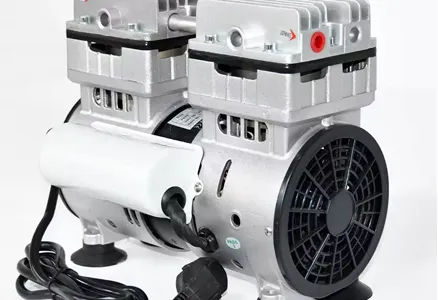
Introduction — Why Proper Connection Matters
Connecting an air receiver tank to your air compressor isn't just about bolting two pipes together — it's a critical process that affects performance, safety, and efficiency.
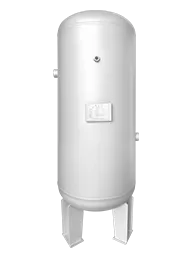
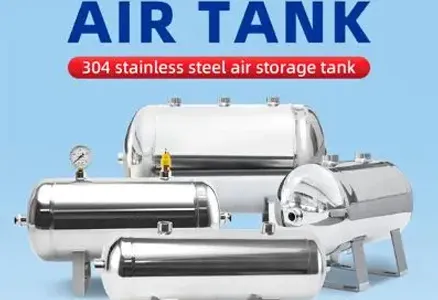
An air receiver tank stores compressed air and smooths out pressure fluctuations, which improves system stability and extends compressor life. As a professional manufacturer with 10+ years of experience, YCZX knows how vital the correct connection is for both performance and safety. Chinese translation below.
Step-by-Step Guide to Proper Connection
Here's a clear, practical sequence to connect your air receiver safely and effectively:
1. Choose the Right Location
Place the air receiver close to the compressor.
Ensure enough space for maintenance and ventilation.
If outdoors, protect against weather.
2. Use Proper Piping Size and Materials
Match pipe diameter to compressor and tank capacity.
Avoid sharp bends — use seamless, thick-walled pipes.
Common materials: carbon steel/stainless steel.
3. Install a Flexible Connector
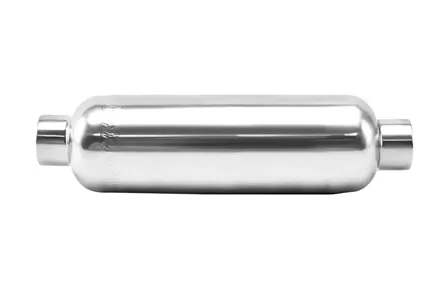
Flexible hoses or vibration dampers reduce stress and vibration transmission between compressor and tank.
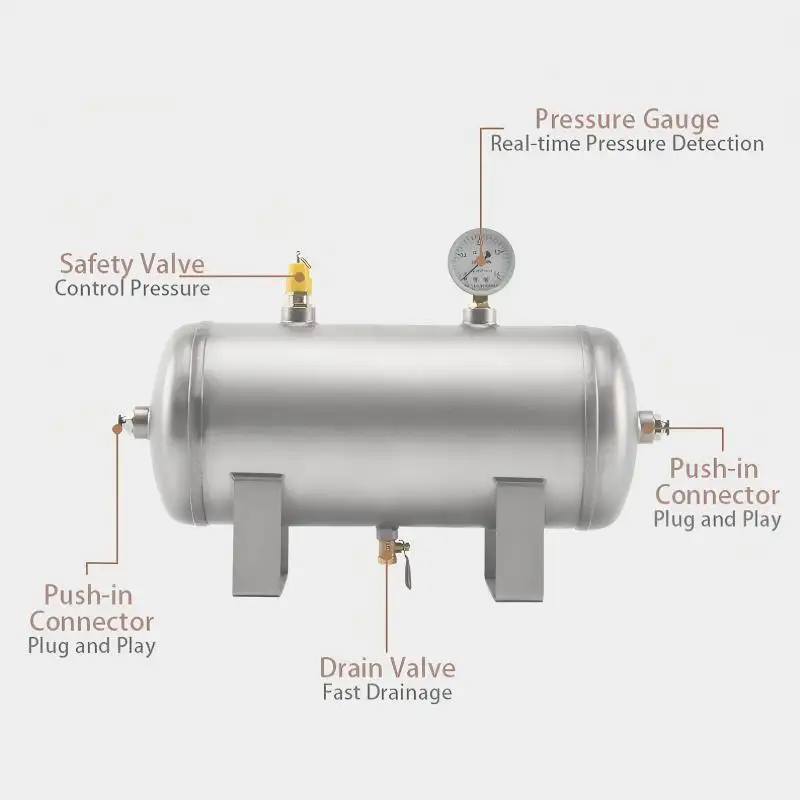
4. Add Safety Components
Shut-off valve: for isolation maintenance
Check valve: prevent backflow
Pressure gauge: monitor tank pressure
Safety relief valve: release excess pressure
5. Follow Orientation and Flow Direction
Make sure air flows correctly from compressor → tank → tools/system. Reversing flow can cause damage.
6. Test and Inspect
After installation:
Tips from the Pros
Always follow manufacturer instructions.
Do not over-tighten threads — use thread sealant.
If you're unsure, contact YCZX — we customize tanks and offer accessories like pumps, motors, and compressors.