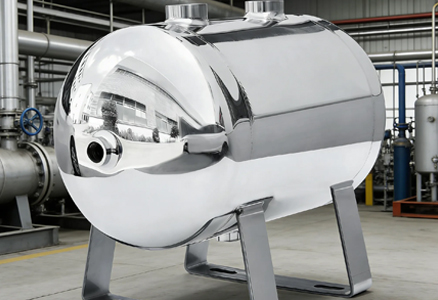
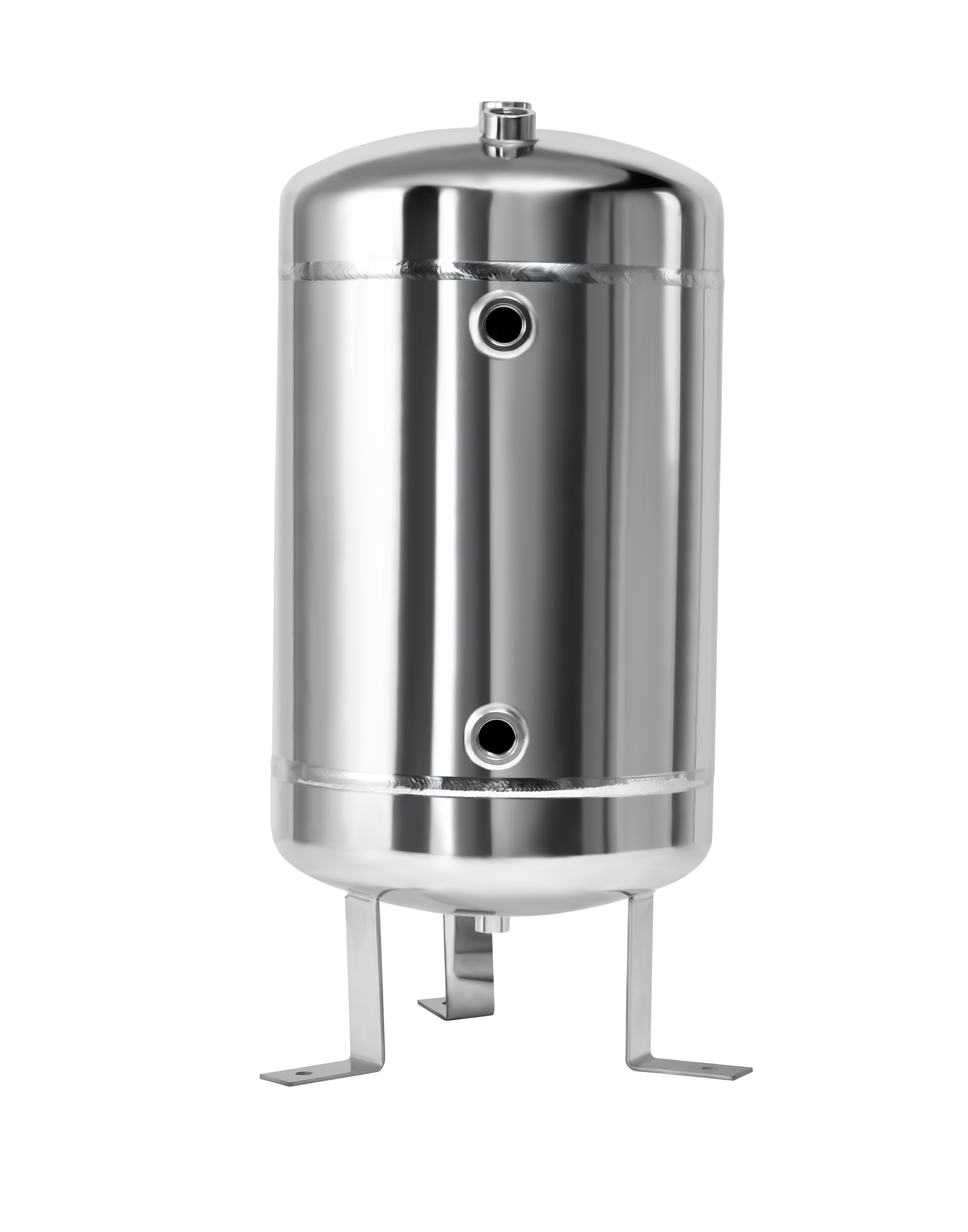
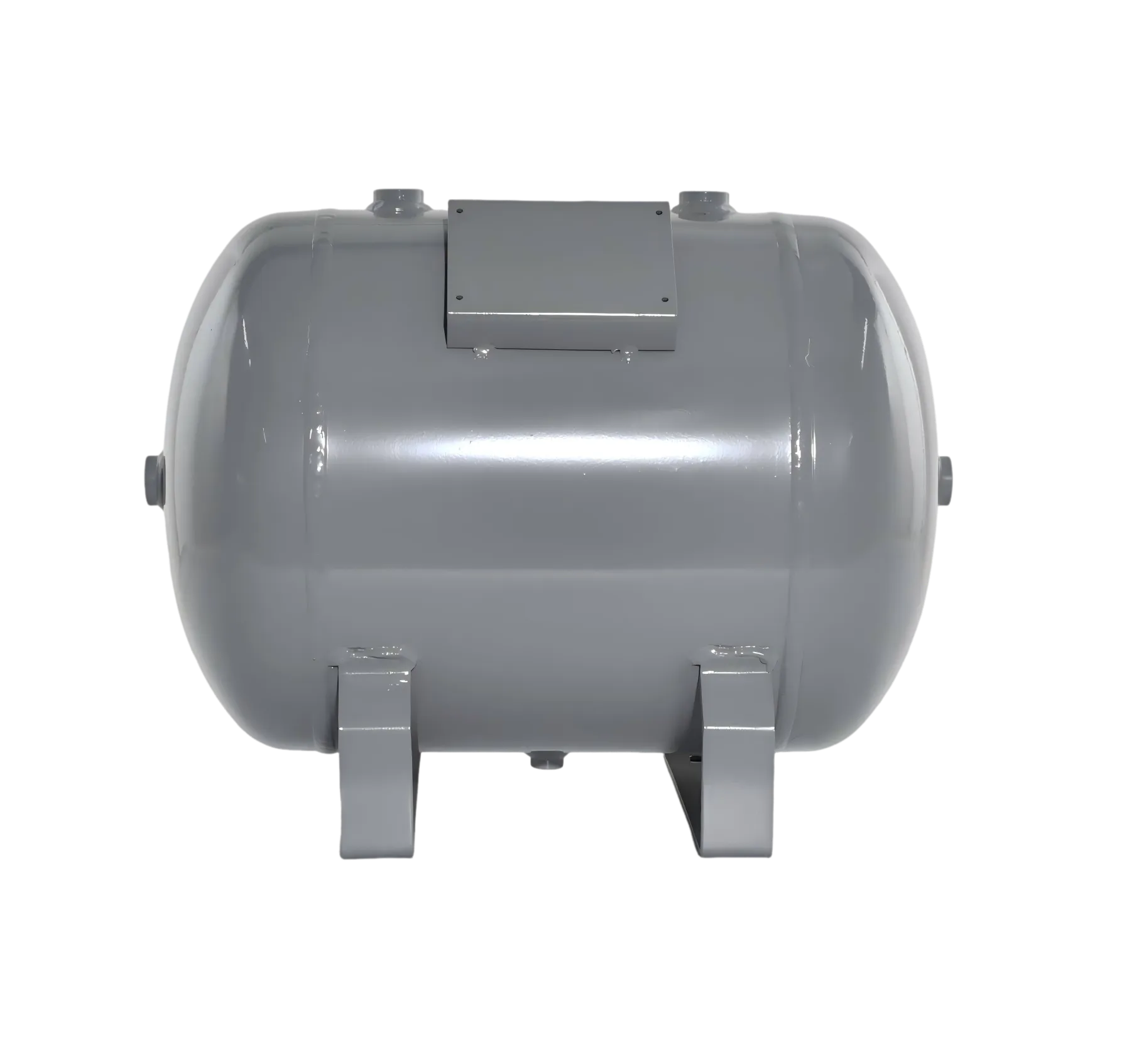
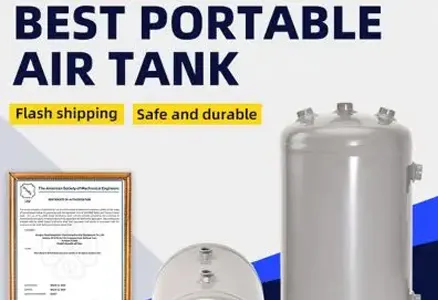
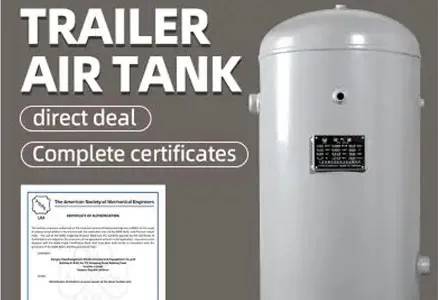
Air receiver tanks are high-risk pressure vessels. Prioritize these essential measures for operational safety and regulatory compliance.
Certified Tank Selection
Source ASME/PED-certified air receiver tanks from accredited manufacturers. Verify material grade, wall thickness consistency, pressure rating, and capacity aligned with compressor output. Reject units with welding defects or unverified specs.
Mandatory Safety Accessories
Install safety valve, rupture disc, and calibrated pressure gauge per code. For piston compressors:
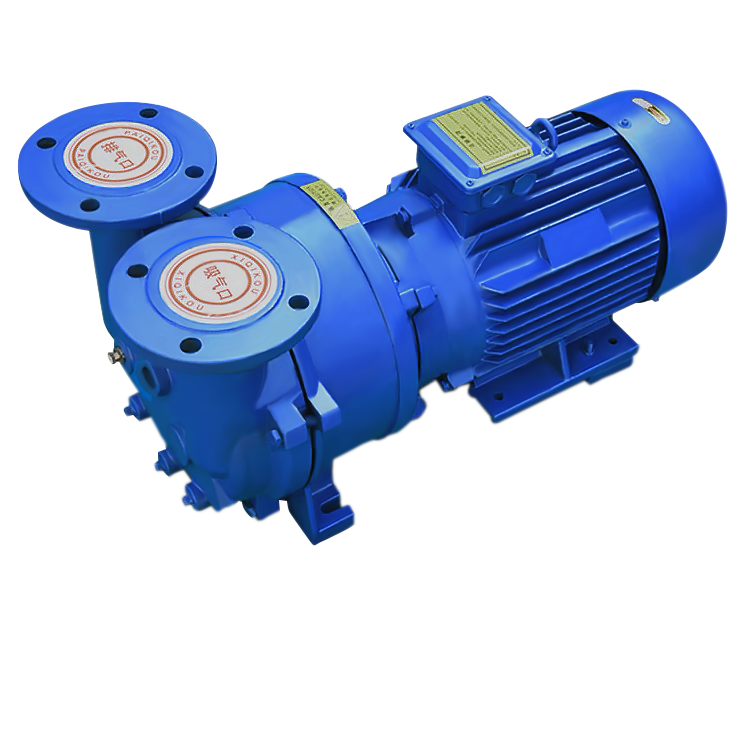
Check valve between compressor and air receiver tank.
Silenced relief pipe upstream of check valve.
No shut-off valve between compressor and tank.
Shut-off valve permitted only on tank discharge line to header.
Vibration Control Installation
Anchor tank securely to foundation. Maintain design-specified compressor-tank distance. Unmitigated pulsation-induced vibration loosens fittings, causing leaks or catastrophic pressure vessel failure.
Oil Accumulation Prevention
Daily condensate drainage is non-negotiable. Monitor compressor discharge temperature. Install inlet filters and coalescing filters. Ground the air receiver tank. Oil-contaminated deposits in oil-lubricated compressor systems pose auto-ignition hazards.
Schedule certified inspections. Document maintenance. Safety is non-optional.
Keywords: air receiver tank safety, pressure vessel compliance, compressor system maintenance, prevent oil accumulation, vibration control, safety valve installation, ASME air receiver.